

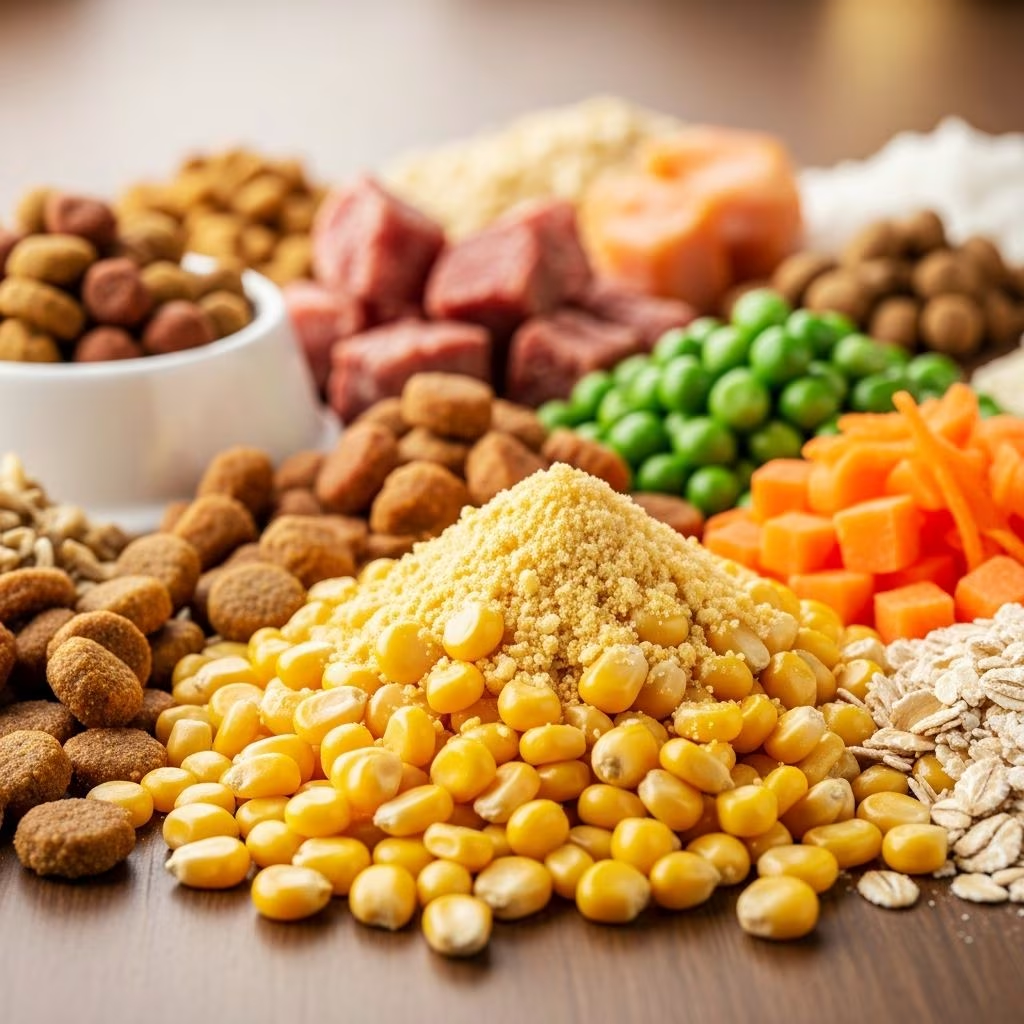
Corn serves as a valuable ingredient in pet foods, offering a range of nutrients like carbohydrates for energy, essential fatty acids, proteins, and antioxidants that support overall pet health.
Understanding Corn’s Role in Modern Pet Diets
Pet owners often question the inclusion of grains such as corn in commercial diets, influenced by trends favoring grain-free options. However, scientific evidence highlights corn’s contributions to balanced nutrition for both dogs and cats. Processed corn, like ground or cooked forms, becomes highly bioavailable, allowing pets to absorb its components effectively.
Historically, corn has nourished humans and animals alike due to its nutrient density. In pet food, it complements animal proteins by supplying amino acids that complete nutritional profiles, ensuring pets receive complete sustenance without excesses or deficiencies.
Energy Provision Through Digestible Carbohydrates
The primary starch in corn provides a reliable energy source. When processed through cooking or extrusion, corn starch reaches up to 95-99% digestibility in dogs and cats, far surpassing raw forms. This efficiency means pets utilize nearly all available calories for daily activities, sparing proteins for muscle repair rather than energy production.
- Quick energy release: Supports active lifestyles without blood sugar spikes when balanced properly.
- Gut-friendly processing: Gelatinized starch enhances enzyme access, promoting smooth digestion.
- Fiber benefits: Corn’s resistant starch and bran foster beneficial gut bacteria and consistent stool quality.
Essential Fatty Acids for Skin and Coat Vitality
Corn stands out as one of the richest plant sources of linoleic acid, an omega-6 fatty acid crucial for maintaining healthy skin barriers and lustrous coats in pets. Dogs, in particular, require this nutrient from dietary sources since they cannot synthesize it internally.
| Nutrient | Benefit | Source in Corn |
|---|---|---|
| Linoleic Acid | Skin hydration, coat shine, immune function | Corn oil and germ |
| Omega-6 Balance | Reduces inflammation, supports cell membranes | High natural content |
Studies confirm that diets with adequate linoleic acid from corn improve dermal health, reducing dryness and itchiness common in deficient animals.
Protein Contributions and Amino Acid Complementarity
While not the highest protein source, corn supplies quality amino acids like methionine, which pair well with lysine-rich ingredients such as meats or legumes. This synergy creates balanced profiles meeting AAFCO standards for pet growth and maintenance.
Corn by-products like gluten meal further concentrate proteins, retaining digestibility while adding fibrous elements that moderate energy density.
Powerful Antioxidants from Natural Compounds
Corn brims with carotenoids including lutein, zeaxanthin, beta-carotene, and vitamin E. These antioxidants combat oxidative stress, potentially lowering risks of chronic conditions like heart disease, cancer, and age-related decline in pets.
- Lutein and zeaxanthin: Eye health protectors, bioavailable post-extrusion.
- Beta-carotene: Converts to vitamin A, bolsters immunity.
- Vitamin E: Shields cell membranes during metabolism.
Ounce for ounce, corn’s antioxidant load rivals fruits, making it a practical dietary boost.
Debunking Persistent Myths About Corn
Myth 1: Corn Acts as a Filler. Far from inert, corn delivers multifaceted nutrition, outperforming some alternatives in palatability and functionality.
Myth 2: Corn Causes Allergies. Allergies to corn are rare in pets; common culprits include proteins like beef or chicken, not grains.
Myth 3: Hard to Digest. Cooked corn achieves near-complete starch breakdown, with fiber aiding transit rather than hindering it.
Myth 4: Leads to Obesity. In moderation within calorie-controlled diets, corn supports weight management via satiating fiber, not excess fat accumulation.
Processing Advantages in Pet Food Manufacturing
Corn’s versatility shines in extrusion, where it expands reliably for kibble texture and flavor via Maillard reactions. Its stability suits both dry and wet formats, ensuring consistent nutrient delivery.
In palatability trials, corn-based formulas often win preferences over potato or chickpea variants, enhancing voluntary intake.
Comparing Corn to Other Carbohydrate Sources
| Ingredient | Digestibility (%) | Key Nutrients | Palatability Score |
|---|---|---|---|
| Corn | 95-99 | Linoleic acid, antioxidants, methionine | High |
| Wheat | 90-95 | Protein, fiber | Moderate |
| Potato | 85-92 | Potassium, vitamins | Lower |
| Rice | 92-97 | Energy, minerals | High |
Guidelines for Incorporating Corn in Pet Diets
Consult veterinarians for tailored advice, considering factors like breed, age, activity level, and health status. Balanced formulas with corn suit most healthy pets, but those with rare grain sensitivities may need alternatives.
Avoid raw corn cobs, which pose choking or blockage risks; opt for processed forms in commercial foods.
Potential Health Outcomes from Corn-Inclusive Diets
Research links corn-enriched diets to firmer stools, lower fecal ammonia (indicating better protein use), stable gut microbiomes, and enhanced skin condition. Long-term, antioxidants may contribute to vitality in senior pets.
FAQs on Corn in Pet Nutrition
Is corn safe for puppies and kittens?
Yes, in age-appropriate formulas, corn provides growth-supporting energy and fatty acids.
Does corn contribute to weight gain in pets?
Not inherently; portion control and exercise prevent issues, with corn’s fiber promoting fullness.
Can cats benefit from corn like dogs?
Absolutely, cats digest corn starch efficiently and gain from its protein complements and linoleic acid.
Why do some pet foods exclude corn?
Marketing drives grain-free trends, despite lacking evidence of superiority for most pets.
How much corn is ideal in pet food?
Varies by formula; 20-40% in grain-inclusive kibbles often balances nutrition effectively.
References
- Benefits of Corn as an Ingredient in Pet Food — Hill’s Pet Nutrition. 2023. https://www.hillspet.com/pet-care/nutrition-feeding/benefits-of-corn-in-pet-foods
- Five functional benefits of corn in pet food formulations — Petfood Industry. 2023. https://www.petfoodindustry.com/nutrition/pet-food-ingredients/article/15754494/five-functional-benefits-of-corn-in-pet-food-formulations
- Corn in Dog Food: What You Need to Know — American Kennel Club. 2023. https://www.akc.org/expert-advice/nutrition/corn-in-dog-food-what-you-need-to-know/
- Nutritional Benefits of Corn and Grains for Dogs and Cats — VCA Animal Hospitals. 2023. https://vcahospitals.com/know-your-pet/nutritional-benefits-of-corn-and-grains-for-dogs-and-cats
- A review: nutrition and process attributes of corn in pet foods — PubMed (Peer-reviewed). 2021-06-01. https://pubmed.ncbi.nlm.nih.gov/34078195/
- Is Corn Good For My Dog? — Purina. 2023. https://www.purina.com/articles/dog/health/nutrition/is-corn-good-for-my-dog
- Stalk About Nutritious: It’s Corn! — Tufts University Cummings School of Veterinary Medicine. 2023-09-19. https://sites.tufts.edu/petfoodology/2023/09/19/stalk-about-nutritious-its-corn/



