

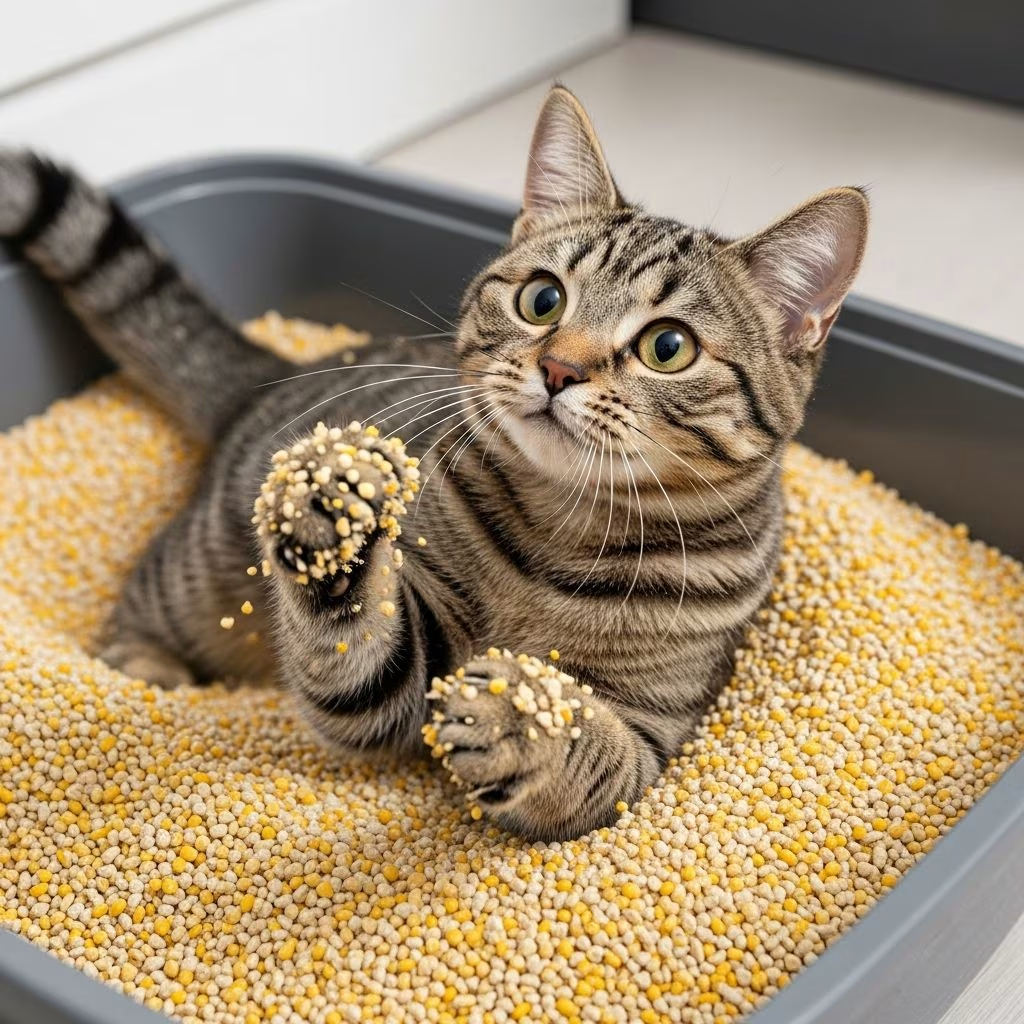
Corn-based cat litter has gained popularity as a sustainable alternative to traditional clay products, praised for its biodegradability and low dust levels while raising questions about mold risks and long-term performance.
Why Corn Litter Appeals to Cat Owners
Derived from renewable corn crops, this litter type promises an environmentally kinder option for managing feline waste. Pet owners increasingly seek products that align with green living without sacrificing functionality in the litter box.
- Renewable sourcing reduces reliance on strip-mined materials.
- Biodegradable composition supports composting in many cases.
- Lower environmental footprint compared to non-renewable clay mining.
These attributes make it a compelling choice for households prioritizing sustainability alongside pet care needs.
Core Performance Features
To evaluate effectiveness, consider key metrics like moisture absorption, clump formation, and odor management, where corn litter often shines in lab tests but varies by brand.
Superior Moisture Absorption
Corn litter excels at wicking away liquids rapidly, forming solid clumps that prevent leaks and maintain box dryness. This quick action helps contain bacteria growth and extends time between full cleanings.
Clumping Mechanism Explained
Most formulas use processed corn kernels that swell and bind upon urine contact, creating scoopable masses. Users report easier maintenance than non-clumping varieties, though firmness depends on the product’s processing method.
| Feature | Corn Litter | Clay Litter |
|---|---|---|
| Clump Strength | Firm, water-soluble | Hard, persistent |
| Dissolves in Water | Yes (flushable options) | No |
| Dust Production | Low (99% dust-free) | High (silica risks) |
Odor Control Capabilities
Natural enzymes in corn neutralize smells at the source rather than masking them with perfumes, providing moderate to strong performance in sealed boxes. However, some detect an earthy undertone, which may not suit all preferences.
- Avoid scented variants to prevent respiratory irritation.
- Daily scooping enhances longevity of odor lockdown.
- Superior to wheat blends, which can develop off-odors when soaked.
Health Benefits for Cats and Humans
With minimal dust, corn litter reduces airborne particles linked to respiratory issues in cats and allergy sufferers. Unlike clay’s crystalline silica—a known carcinogen—corn poses fewer inhalation hazards.
It’s generally non-toxic if small amounts are ingested during grooming, as clumps dissolve rather than causing blockages like bentonite clay. Free from synthetic chemicals, it suits sensitive noses and supports overall household air quality.
Environmental Advantages Over Traditional Options
Corn litter’s plant-based origin contrasts sharply with clay’s destructive mining practices, which scar landscapes and deplete resources. Being compostable (waste-free clumps aside), it diverts less material from landfills and breaks down naturally.
Flushable variants add convenience, though local plumbing rules apply. Compared to wood or wheat, corn offers balanced sustainability without grain allergy triggers.
Critical Drawbacks and Safety Concerns
Despite strengths, corn litter’s organic nature invites risks, particularly aflatoxin—a potent fungal toxin thriving in warm, moist conditions like a used litter box.
Aflatoxin Mold Risk
Corn kernels, especially broken ones, foster Aspergillus mold when damp, producing aflatoxins linked to liver damage, vomiting, kidney issues, and even pet deaths in anecdotal reports. Livestock guidelines warn against storing moist corn beyond a month at moderate temperatures.
Veterinarians note potential aggravation of existing conditions like hepatic lipidosis if ingested via paw grooming. Manufacturers claim high-heat processing kills initial spores, but box conditions can reactivate growth.
Pest Attraction and Storage Issues
As a grain product, it draws insects if not sealed properly, necessitating airtight containers. Wet litter’s vulnerability demands vigilant hygiene: frequent scooping, dry storage, and box ventilation mitigate threats.
Ingestion and Allergy Considerations
While safer than clay for blockages, mold-contaminated litter introduces biological hazards. Cats with grain sensitivities may react, unlike hypoallergenic wood alternatives.
Comparing Corn to Other Natural Litters
| Litter Type | Pros | Cons | Best For |
|---|---|---|---|
| Corn | Clumps well, low dust, biodegradable | Mold risk, pest attraction | Eco-focused owners |
| Wheat | Natural odor control | Weak clumps, allergy risks | Low-odor needs |
| Wood | Dust-free, chemical-free | May track more | Respiratory health |
| Clay | Strong clumps | Dusty, non-biodegradable | Budget clumping |
Corn outperforms clay environmentally and in dust control but lags in mold-proof reliability.
Selecting the Right Corn Litter Product
Opt for brands with anti-microbial agents, proven clumping, and third-party safety testing. Check for flushability certifications and user reviews on real-world mold incidence.
- Prioritize low-dust, fragrance-free formulas.
- Test small bags for cat acceptance.
- Monitor box for unusual smells or discoloration signaling mold.
Best Practices for Safe Usage
Maintain effectiveness and safety through routine care:
- Scoop daily, fully replace weekly.
- Store in cool, dry places.
- Use multiple boxes for multi-cat homes to minimize moisture buildup.
- Observe cats for vomiting, lethargy, or litter avoidance—consult vets promptly.
Ventilate areas and pair with litter mats to curb tracking.
Frequently Asked Questions
Is corn cat litter safe for kittens?
Yes, if mold-free; its dust-free nature benefits young respiratory systems, but supervise ingestion.
Can I flush corn litter?
Many are septic-safe; verify product labels and limit to small amounts daily.
Does it track less than clay?
Generally yes, granules are larger, reducing scatter.
What if my cat eats corn litter?
Small amounts are non-toxic, but persistent eating warrants vet checks for mold or allergies.
How does it perform in humid climates?
Poorly without extra vigilance—mold thrives; consider wood alternatives.
Final Thoughts on Adoption
Corn litter balances eco-benefits with solid performance for many, but its mold vulnerability demands proactive management. Weigh your climate, cat health, and maintenance willingness against alternatives for optimal choice.
References
- Corn Litter: An Eco-Friendly Alternative for Healthier Cats and Cleaner Homes — NextGenPet. 2023-05-15. https://nextgenpet.com/corn-litter-an-eco-friendly-alternative-for-healthier-cats-and-cleaner-homes/
- Is Corn Litter Safe? Corn Cat Litter Pros & Cons — Lady N Pet. 2024-02-10. https://ladynpet.com/us/blog/corn-cat-litter/
- Caution to use of Corn Based Cat Litters — Truth about Pet Food. 2023-11-20. https://truthaboutpetfood.com/caution-to-use-of-corn-based-cat-litters/
- Corn Cat Litter: Everything You Need to Know — Tuft & Paw. 2024-01-08. https://www.tuftandpaw.com/blogs/cat-guides/corn-cat-litter-everything-you-need-to-know
- Why Corn-Based Cat Litter Can Be a Danger For Your Cats — Renewed Pet. 2023-07-22. https://renewedpet.com/blogs/news/why-corn-based-cat-litter-can-be-a-danger-for-your-cats



