

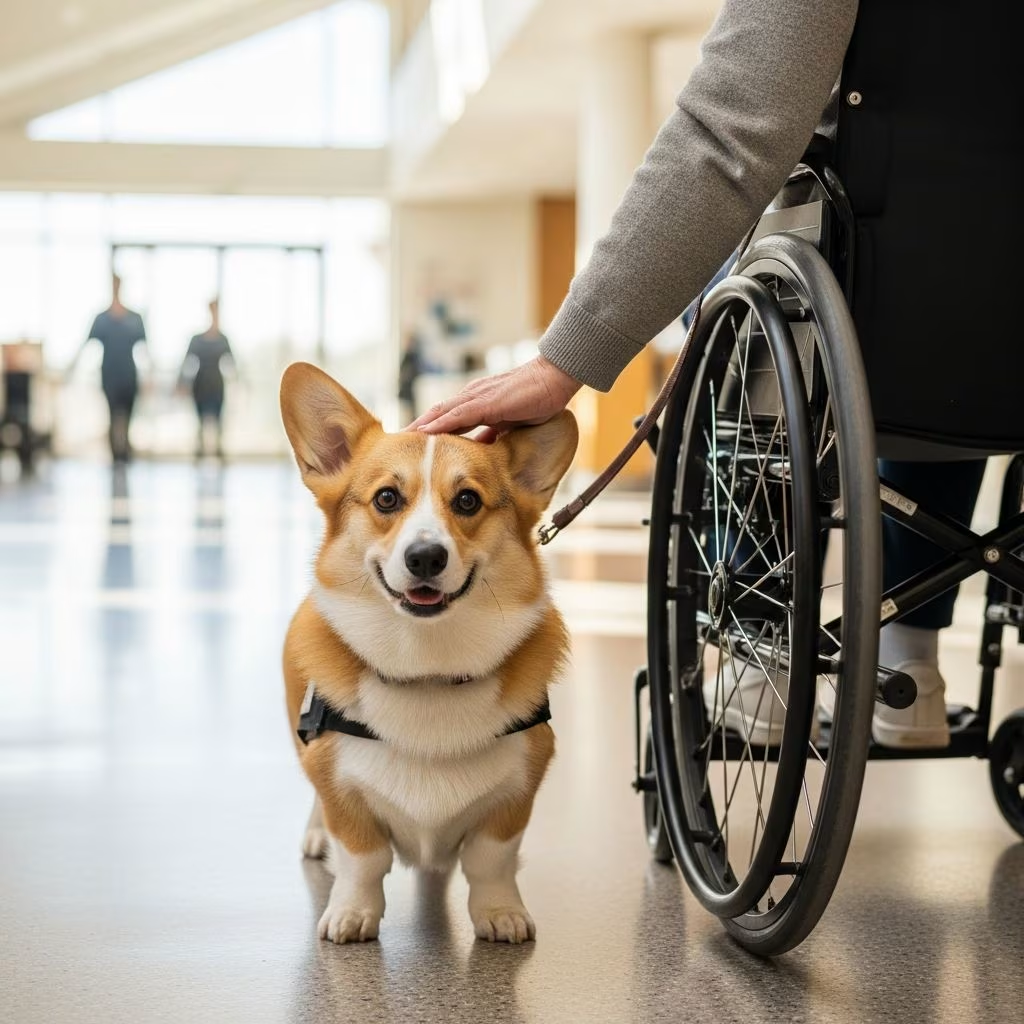
Pembroke Welsh Corgis can potentially serve as service dogs due to their intelligence and loyalty, but their small size, high energy, and barking tendencies present significant challenges for many disability-related tasks.
Understanding Service Dogs and Legal Standards
Service dogs are defined under the Americans with Disabilities Act (ADA) as dogs individually trained to perform specific tasks directly related to a person’s disability, such as physical, sensory, psychiatric, or intellectual impairments. Unlike emotional support animals, which only provide comfort, service dogs must execute trained tasks like retrieving items, alerting to sounds, or providing balance support. The ADA does not mandate professional training, certification, or specific breeds, allowing owners to train their own dogs, provided they meet public access standards of behavior in various environments.
Key legal requirements include at least 120 hours of training over six months, with 30 hours in public settings, though U.S. law has no strict minimum—international guidelines suggest this benchmark. Dogs must remain under control, ignore distractions, and focus on their handler. Only dogs qualify; miniature horses are a rare exception.
Core Traits of Pembroke Welsh Corgis
Pembroke Welsh Corgis, originating from Wales as herding dogs, are small (10-12 inches tall, 25-30 pounds), with big ears, short legs, and a fox-like face. They rank high in intelligence, often in the top 10 smartest breeds, making them eager learners responsive to commands.
- Intelligence and Trainability: Corgis excel in obedience, mastering basics like sit, stay, heel, and advanced tasks with positive reinforcement.
- Loyalty and Bonding: They form strong attachments to handlers, crucial for service work requiring constant focus.
- Friendliness: Outgoing with people and adaptable to socialization from puppyhood.
However, their herding heritage leads to nippiness and high energy needs, requiring 1-2 hours of daily exercise to prevent boredom-induced behaviors.
Physical Attributes: Assets and Limitations
Corgis’ compact build offers advantages in tight spaces but limits them for mobility assistance. Their short stature hinders counter-balancing for larger handlers or retrieving high items.
| Aspect | Strengths | Weaknesses |
|---|---|---|
| Size | Maneuverable in crowds; apartment-friendly | Too small for pulling wheelchairs or deep pressure therapy |
| Stamina | Endures long herding sessions | Prone to back issues (IVDD); needs careful monitoring |
| Strength | Powerful for size in tasks like door opening | Insufficient for heavy lifting or stability support |
Health concerns like hip dysplasia and obesity exacerbate limitations, demanding rigorous screening of breeding lines.
Temperament Evaluation for Service Roles
Ideal service dogs are calm, non-reactive, and focused amid distractions. Corgis are alert and affectionate but often vocal, barking at noises or strangers—a major hurdle for psychiatric or hearing alert tasks.
- Pros: Quick adaptation to routines; gentle nature suits children or PTSD support.
- Cons: Herding instinct causes chasing or nipping; high prey drive distracts from duties.
Early socialization mitigates issues, but genetic predispositions persist. Programs like NEADS prefer Labs for calmer temperaments, with 50-70% of candidates failing rigorous testing.
Training Corgis for Service Work
Training begins with foundation skills: housebreaking on command, socialization to noises/people/animals, and focus amid distractions. Positive methods—treats, praise—replace outdated aversives like shock collars, which elevate stress.
- Basic Obedience (0-3 months): Teach sit, stay, come, leave it; aim for AKC Canine Good Citizen standards.
- Task-Specific (3-6 months): Customize to disability—e.g., sound alerts for hearing loss, item retrieval for mobility.
- Public Access (6+ months): 30+ hours in stores, transit; use vests signaling ‘in training’.
Corgis’ smarts accelerate learning, but consistency counters stubbornness. Owners report success in lighter tasks like PTSD interruption or diabetic alerts, per anecdotal service Corgi examples.
Real-World Success Stories and Challenges
While uncommon, Corgis have served as hearing ear dogs, PTSD companions, and seizure alerts, leveraging loyalty and adaptability. A Missouri resource highlights versatile roles, though Labs/Goldens dominate due to reliability.
Challenges include failure rates: even top candidates wash out. Corgis’ energy demands ongoing exercise, impractical for bed-bound handlers. Barking risks public access denial if uncontrolled.
Comparing Corgis to Traditional Service Breeds
| Breed | Trainability | Size Suitability | Temperament | Health |
|---|---|---|---|---|
| Corgi | High | Small tasks only | Energetic, vocal | Back/hip risks |
| Labrador | High | Versatile | Calm, steady | Robust |
| Golden Retriever | High | Versatile | Gentle, focused | Cancer prone |
Corgis shine for alert work but falter in physical support versus larger breeds.
Steps to Prepare a Corgi for Service
Assess temperament early: calm, non-reactive puppies from health-tested lines. Commit to 6-12 months training, budgeting for vests/ID (non-required but helpful). Consult vets/trainers experienced in service work.
- Screen for drive: Test focus in distractions.
- Health check: OFA hips/elbows, patellas, eyes.
- Professional help: If DIY falters, seek certified trainers.
FAQs
Can any Corgi become a service dog?
No, only those with calm temperaments, health, and successful training qualify; many fail due to energy or barking.
Do Corgis need special certification?
No, ADA requires no papers, just task performance and behavior.
Are Corgis good for mobility service?
Limited; their size suits alerts/retrieval but not bracing.
How long to train a Corgi service dog?
Minimum 120 hours/6 months, plus public practice.
Can I owner-train my Corgi?
Yes, with dedication; focus on positive methods and socialization.
References
- Service Dogs Requirements — US Service Animals. 2023. https://usserviceanimals.org/blog/service-dogs-requirements/
- How To Make Your Dog a Service Dog — USA Service Dog Registration. 2020. https://usaservicedogregistration.com/how-to-make-your-dog-a-service-dog/
- Can Corgi Be A Good Service Dog? — Service Dog Training School. N.d. https://www.servicedogtrainingschool.org/blog/corgi-service-dog
- Service Dog Training 101 — American Kennel Club (AKC). 2023. https://www.akc.org/expert-advice/training/service-dog-training-101/
- Can A Pembroke Welsh Corgi Be A Service Dog? — Service Dog Outfitters. N.d. https://servicedogoutfitters.com/service-dogs-types/can-a-pembroke-welsh-corgi-be-a-service-dog/
- ADA Requirements: Service Animals — U.S. Department of Justice (.gov). 2010. https://www.ada.gov/resources/service-animals-2010-requirements/
- Corgis as Service Dogs — Welsh Corgi News. N.d. https://www.welshcorgi-news.ch/MultiCorgi/Service_corgis_eng.html



