

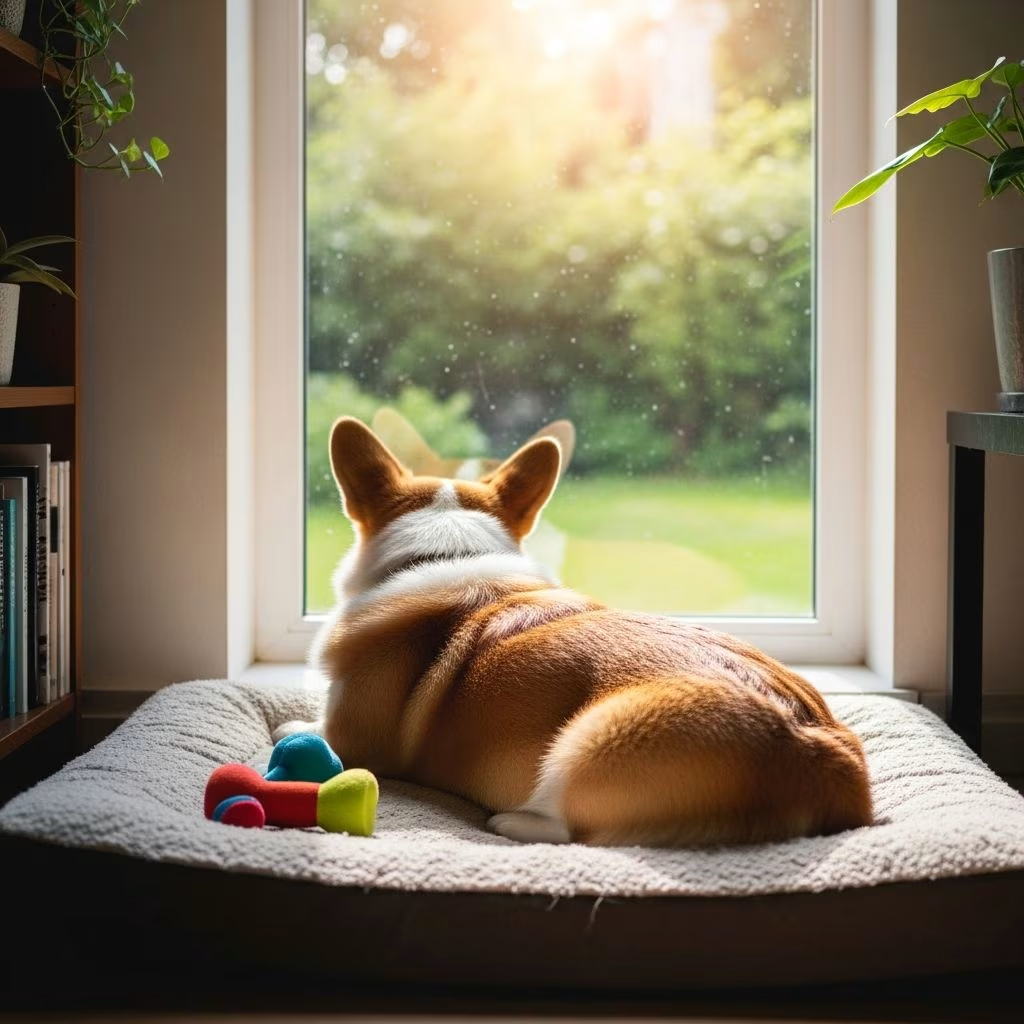
Many Corgi owners face a common challenge: determining how long their beloved companion can safely remain at home without supervision. Whether you’re managing a busy work schedule, running errands, or dealing with unexpected obligations, understanding your Corgi’s capacity for independent time is essential for their physical health and emotional well-being. The answer isn’t simply a number of hours—it depends on multiple interconnected factors that vary significantly from one dog to another.
Understanding Your Corgi’s Independence Capacity
Corgis are inherently social animals with strong pack instincts, having been bred historically to work closely with humans and livestock. This heritage means they genuinely thrive on interaction and companionship. However, this doesn’t mean they cannot learn to spend time alone. The key distinction lies in differentiating between occasional solitude—which most healthy adult Corgis can manage—and chronic isolation, which can lead to significant behavioral and psychological issues.
A well-adjusted, healthy adult Corgi can typically remain alone for a period ranging from 6 to 8 hours at maximum. This timeframe assumes the dog has received proper training, has access to comfort items, and doesn’t suffer from underlying anxiety disorders. However, this maximum threshold should not become routine practice. Regular, extended periods of solitude beyond this range can trigger negative behavioral responses and compromise your dog’s mental health.
Age-Specific Guidelines: From Puppies to Seniors
Your Corgi’s age dramatically influences their ability to manage alone time. Young puppies, adult dogs, and senior Corgis have vastly different needs and capabilities, each requiring a customized approach.
Puppies: Building Foundations for Independence
Young Corgi puppies face unique challenges when it comes to alone time. Their bodies are still developing, and their bladders are particularly small and underdeveloped, meaning they require frequent bathroom breaks throughout the day and night. Additionally, puppies haven’t yet completed their house-training education and are still learning fundamental behavioral expectations.
The American Kennel Club (AKC) provides a progressive timeline for introducing puppies to solo time:
- Younger than 10 weeks: approximately 1 hour maximum
- 10 to 12 weeks: approximately 2 hours maximum
- 3 months of age: approximately 3 hours maximum
- 4 months of age: approximately 4 hours maximum
- 5 months of age: approximately 5 hours maximum
- 6 months of age: approximately 6 hours maximum
- Older than 6 months: 6 to 8 hours maximum
This graduated approach reflects the biological reality of puppy development. As your puppy matures, their bladder capacity increases, and their cognitive abilities expand, allowing them to better understand and accept brief periods of separation. The key is patience and consistency—rushing this process often results in prolonged house-training difficulties and increased anxiety.
Adult Corgis: The Stable Years
Once your Corgi reaches full maturity (typically around 12-18 months), they enter the phase where they can most reliably manage alone time. A healthy adult Corgi in this stage can generally be left alone for 4 to 6 hours comfortably, with an absolute maximum of 6 to 8 hours. This assumes the dog has been properly socialized, trained, and doesn’t have underlying anxiety issues.
Adult Corgis in good health benefit from regular activity before being left alone. A tired dog is a calm dog—providing physical exercise and mental stimulation before departure significantly reduces anxiety and restlessness during your absence. This might include a morning walk, play session, or training exercises that mentally engage your dog.
Senior Corgis: Individual Assessment Required
As Corgis age into their senior years (typically 7 years and older), their alone-time capacity becomes highly individualized. Unlike puppies and adults, there’s no universal guideline for senior dogs because their needs vary dramatically based on health status.
Senior Corgis often require more frequent bathroom breaks, similar to puppies. However, unlike growing puppies, this increased frequency stems from declining physical function and potential health conditions rather than physiological development. Additionally, older Corgis are more prone to health issues such as arthritis, cognitive decline, and incontinence, all of which affect their ability to remain alone comfortably.
A senior Corgi might comfortably manage 6 hours alone if in excellent health with no bathroom concerns, or they might only tolerate 30 minutes of solitude if experiencing health challenges. The safest approach with senior dogs is to have a trusted friend, family member, or professional pet sitter check in during extended absences. This ensures any emerging health issues are quickly identified and addressed.
Creating an Optimal Solo Environment
The physical and psychological environment you establish for your dog’s alone time significantly impacts their comfort level and behavior. A well-prepared space can transform alone time from a stressful experience into a manageable routine.
Environmental Comfort Elements
Begin by establishing a dedicated area where your Corgi feels safe and secure. This might be a particular room, a sectioned-off portion of your home using baby gates, or a properly-sized crate if your dog has been crate-trained. The space should include:
- A comfortable bed or cushion that smells familiar and inviting
- Blankets and items that carry your scent, providing reassurance through familiar odors
- Water available at all times to prevent dehydration
- A designated potty area or access to outdoor facilities if possible
Mental Stimulation and Entertainment
Boredom intensifies anxiety and leads directly to destructive behaviors. Interactive toys and puzzle feeders serve dual purposes: they mentally engage your dog, requiring problem-solving effort, and they provide a positive reward system that makes alone time feel less isolating.
Consider rotating different types of enrichment to prevent habituation:
- Puzzle feeders that dispense treats as your dog manipulates the toy
- Kong-style toys that can be filled with treats or peanut butter
- Long-lasting chew items that maintain interest for extended periods
- Snuffle mats where treats are hidden in fabric for foraging-style play
- Treat-dispensing balls that reward movement and interaction
Acoustic and Sensory Management
Silence can amplify anxiety. Strategic use of white noise, calming music, or specially designed dog-focused audio can create a soothing soundscape that masks external disturbances. These acoustic elements normalize the environment, making your departure less abrupt and jarring.
Preventing and Managing Separation Anxiety
Separation anxiety is perhaps the most significant behavioral challenge facing Corgis left alone. This condition goes beyond simple sadness at your departure—it involves genuine psychological distress that manifests in destructive and sometimes dangerous behaviors.
Recognizing Anxiety Symptoms
Not all destructive behavior indicates separation anxiety, but certain patterns are telltale signs. Watch for excessive vocalization (barking or howling), destructive chewing focused on exit points or your belongings, attempts to escape through windows or doors, indoor elimination despite house-training, and signs of extreme restlessness or pacing.
Gradual Desensitization Approach
Building your Corgi’s tolerance for alone time requires a systematic, gradual approach. Rather than suddenly leaving your dog for 8 hours, start with very brief departures and incrementally increase the duration:
- Begin with departures of just a few minutes while your dog is occupied with a toy or treat
- Return before your dog becomes anxious, reinforcing the message that you always come back
- Gradually extend these departures over days and weeks
- Monitor your dog’s behavior closely, noting any signs of distress
- If anxiety increases, return to a shorter duration and progress more slowly
- Practice departures at different times of day and under varying circumstances
Pre-Departure Routine Establishment
Dogs thrive with predictability. Establishing a consistent departure routine helps normalize your leaving. This might include a final bathroom break, providing a long-lasting treat, settling into their designated space, and maintaining a calm, matter-of-fact demeanor during your exit. Avoid excessive goodbyes or emotional departures, which can amplify your dog’s anxiety.
Strategic Pre-Departure Preparation
How you prepare your Corgi immediately before departure substantially affects their behavior during your absence. Strategic preparation serves multiple purposes: it physically tires your dog, reducing restless energy; it provides mental stimulation that carries over into alone time; and it establishes a predictable routine that reduces uncertainty-based anxiety.
Exercise and Activity Protocol
A Corgi that has expended significant physical and mental energy is far more likely to rest quietly during your absence than one with pent-up drive. Before leaving, aim to provide:
- A brisk 20-30 minute walk that elevates heart rate
- Active play sessions with toys or games
- Training exercises that require concentration
- Time to eliminate waste thoroughly
Post-Exercise Settling
After exercise, provide a brief period (10-15 minutes) for your dog to settle naturally. Don’t immediately leave after the activity concludes—allow your Corgi to transition into a calm state before your departure. This cooling-off period prevents your dog from associating exercise directly with abandonment.
Professional Support and Alternatives to Extended Alone Time
Not all situations fit neatly into standard guidelines. If your work schedule requires absences longer than 6-8 hours regularly, or if your Corgi demonstrates significant anxiety, professional alternatives can bridge the gap.
Pet Sitter Services
A professional pet sitter can visit your home mid-day to provide bathroom breaks, exercise, fresh water, and companionship. This service is particularly valuable for puppies requiring frequent potty breaks and senior dogs with health concerns. Even brief visits—as short as 30 minutes—can significantly improve your dog’s comfort and well-being.
Dog Walking and Day Care
Regular dog walkers provide midday breaks that interrupt extended alone periods. Full-day dog care facilities offer socialization with other dogs and professional supervision, though they’re not suitable for all dogs or situations.
Technology Monitoring
Pet cameras with two-way audio allow you to monitor your dog’s behavior and provide reassurance through voice contact, offering peace of mind and early detection of problems.
Frequently Asked Questions
How long can adult Corgis be left alone without issues?
Healthy adult Corgis can typically be left alone for 4-8 hours, though 6 hours is the comfortable average. This assumes proper training, adequate stimulation, and no underlying anxiety disorders.
What age can Corgis be left alone for 8 hours?
Corgis must be at least 6-7 months old before they can reliably manage 8 hours alone, and only if properly trained and without anxiety issues. Even then, regular 8-hour absences shouldn’t be routine.
Can Corgis develop separation anxiety?
Yes, Corgis are susceptible to separation anxiety, particularly if left alone for excessive durations without proper conditioning. Signs include destructive behavior, excessive barking, attempts to escape, and indoor elimination.
How much daily social interaction do Corgis need?
Dogs should receive a minimum of 2 hours of dedicated social time daily with humans or other dogs, which can be broken into multiple sessions throughout the day.
Should I crate-train my Corgi for alone time?
Proper crate training can help your Corgi feel secure and safe during alone time, though it should never be used as punishment. Many dogs benefit from having a designated den-like space.
What’s the best way to help my Corgi adjust to alone time?
Gradual desensitization through incrementally longer departures, combined with adequate pre-departure exercise, environmental enrichment, and a consistent routine, helps most Corgis adjust to being alone.
Final Considerations for Your Corgi’s Well-Being
Determining appropriate alone time for your Corgi requires honest assessment of your dog’s individual characteristics, your household situation, and your availability. While general guidelines provide a useful framework, your specific Corgi’s personality, health status, and anxiety level should guide your decisions.
Remember that extended isolation fundamentally contradicts dogs’ social nature and domestic role. When possible, arrange your schedule to minimize prolonged absences, utilize professional services for necessary longer absences, and monitor your dog for signs of stress or anxiety. If your Corgi demonstrates behavioral or anxiety issues related to alone time, consulting with a veterinarian or certified dog behaviorist can provide personalized guidance appropriate to your situation.
Your Corgi’s mental health and emotional well-being deserve the same attention as their physical health. By thoughtfully managing alone time and providing appropriate support, you enable your companion to live a balanced, fulfilling life despite the demands of modern schedules.
References
- Can Corgis Be Left Alone? Time Limits & Considerations — Hepper. Accessed January 2026. https://articles.hepper.com/can-corgis-be-left-alone/
- Can Pembroke Welsh Corgis be left alone? — Adopt a Pet. Accessed January 2026. https://www.adoptapet.com/answers/can-pembroke-welsh-corgis-be-left-alone
- Is it okay to leave my corgi home alone during the day? — Dial A Vet. Accessed January 2026. https://www.dialavet.com/vet-answers/corgi-home-alone-tips-36708
- Can a Corgi Be Left Alone at Home? Vet-Verified Facts — Dogster. Accessed January 2026. https://www.dogster.com/dog-health-care/can-a-corgi-be-left-alone-at-home
- Alone Time for Dogs: How Much Is Too Much? — American Kennel Club. Accessed January 2026. https://www.akc.org/expert-advice/training/alone-time-dogs-how-much/



