

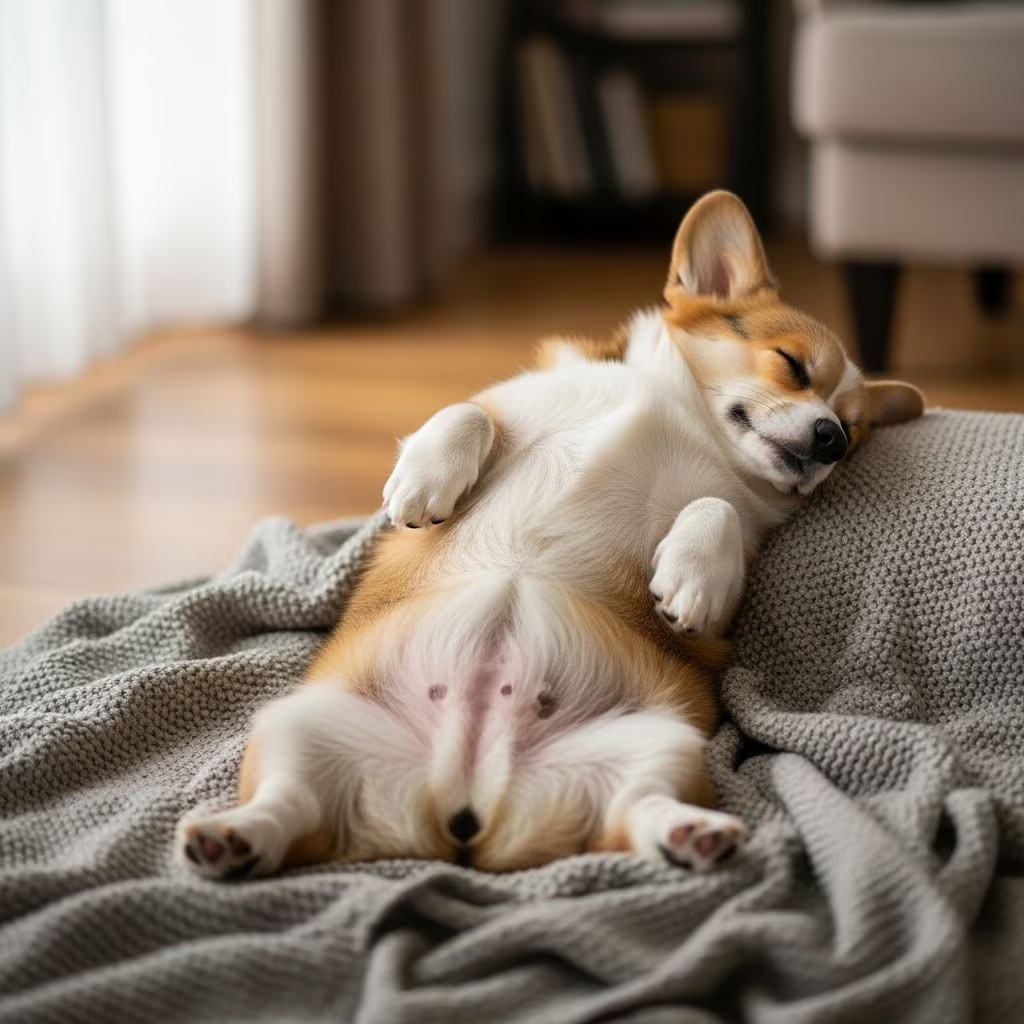
Your Corgi flipping onto its back during nap time is a sight that melts hearts. This position isn’t random—it’s a window into your dog’s physical comfort, emotional state, and even environmental preferences. Drawing from veterinary insights and canine behavior studies, this article dives deep into why Corgis favor this sprawled-out pose, what it means for their well-being, and when to pay closer attention.
The Appeal of Belly-Up Rest for Corgis
Corgis, with their short legs, fluffy double coats, and playful personalities, often choose unconventional sleeping styles. Sleeping on their backs allows full-body relaxation, stretching out those sturdy limbs built for herding. This pose exposes their sparsely furred bellies to air, aiding in heat dissipation—a key factor given their thick undercoats designed for cooler Welsh climates.
Observing your Corgi in this position frequently suggests a blend of physical ease and psychological security. Unlike more guarded breeds, Corgis domesticated over centuries show this vulnerability only in trusted homes. Understanding these habits helps owners foster better environments for restful sleep, which dogs need 12-14 hours daily, more for puppies and seniors.
Primary Motivations Behind the Back-Sleeping Habit
Several interconnected factors drive Corgis to sleep belly-up. Here’s a breakdown of the most common triggers, supported by expert observations.
- Optimal Muscle Relaxation: The back position fully extends legs and spine, easing tension from daily romps. Short-legged breeds like Corgis benefit from this stretch, preventing stiffness in hips and shoulders prone to strain.
- Temperature Regulation: Dogs cool primarily through paws and minimal belly fur. In warmer conditions, belly exposure promotes airflow, dropping core temperature efficiently since panting alone isn’t always enough.
- Trust and Safety Signals: Exposing the abdomen is inherently vulnerable. A Corgi choosing this in your presence indicates profound security, a holdover from wild instincts where such openness meant no predators nearby.
- Submission and Bonding: When awake, rolling over signals deference. In sleep, it reinforces pack loyalty, affirming your role as protector and strengthening emotional ties.
- Space Availability: Ample room encourages sprawling. Cramped spots push side or belly sleeping to conserve area, so a spacious bed often invites the back pose.
How Corgi Anatomy Influences Sleep Choices
Corgis’ unique build amplifies back-sleeping tendencies. Their elongated bodies, short legs, and dense coats create specific needs. The double coat traps heat, making belly exposure crucial in moderate temperatures. Short limbs allow easy rolling without effort, unlike longer-legged breeds that might struggle.
| Feature | Impact on Back Sleeping |
|---|---|
| Double Coat | Promotes cooling via belly exposure |
| Short Legs | Eases rolling and full extension |
| Compact Torso | Allows space-efficient sprawl |
| Active Lifestyle | Requires deep muscle relief |
This anatomy table highlights how breed traits align perfectly with back sleeping for comfort and function.
Decoding Sleep Cycles in Back-Sleeping Corgis
Dogs cycle through sleep stages similarly to humans: light dozing, transition, deep sleep, and REM. Back sleeping typically emerges in deeper phases when muscles fully slacken.
- Light Sleep (Stage 1): Alert posture, no back exposure—ready for quick alerts.
- Transition (Stage 2-3): Heart rate slows; partial rolls may occur as relaxation builds.
- Deep Sleep (Stage 4): Complete sprawl, oblivious to surroundings—prime back-sleeping time.
- REM (Dreaming): Legs may twitch, but belly-up persists for secure dreamers.
Corgis in deep back sleep snore softly or twitch paws, indicating quality rest. Disruptions here can lead to grogginess, so maintain quiet routines.
Environmental Factors Shaping Sleep Positions
Your home setup plays a huge role. Ideal back-sleeping spots are cool (68-72°F), soft yet supportive, and spacious. Overheating prompts more belly-ups, while chillier rooms see curling.
- Cool surfaces like tile floors enhance the pose in summer.
- Orthopedic beds cushion joints, encouraging extension for older Corgis.
- Quiet, dim areas promote deeper sleep stages.
Seasonal shifts matter: summer spikes in back sleeping align with heat needs, per veterinary reports on canine thermoregulation.
Health Insights from Your Corgi’s Sleep Style
Mostly benign, back sleeping can flag issues if sudden or paired with symptoms. Routine pose? Great sign. New habit with lethargy, whining, or odd breathing warrants a vet check.
Positive Indicators:
- Healthy weight distribution eases joint pressure.
- No airway issues—dogs avoid restrictive positions instinctively.
Potential Concerns:
- Arthritis in seniors might prompt it for relief, but monitor limping.
- Overweight Corgis risk overheating; trim diets help.
- Brachycephalic mixes (rare in Corgis) sleep less belly-up due to breathing ease.
Breathing remains unhindered; paws-up aids paw pad evaporation, a primary cooling method.
Comparing Corgi Sleep to Other Breeds
Corgis outpace many in back-sleeping frequency due to coat and build. Herding peers like Aussies curl more for vigilance ancestry. Sporting breeds sprawl similarly for cooling.
| Breed Type | Common Position | Reason |
|---|---|---|
| Corgi (Herding) | Back | Cooling + Trust |
| Labrador (Sporting) | Side/Back | Activity Recovery |
| Husky (Working) | Curled | Heat Conservation |
Enhancing Your Corgi’s Sleep Quality
Support natural habits with these tips:
- Provide cooling mats or fans for hot days.
- Choose wide, memory-foam beds.
- Maintain consistent bedtime routines.
- Exercise daily to deepen fatigue for better rest.
- Monitor for parasites or allergies disrupting sleep.
Puppies sprawl post-play; seniors need joint support. Shared beds can work if allergies aren’t an issue, boosting bonds.
Frequently Asked Questions
Is it safe for Corgis to sleep on their backs?
Yes, it’s normal and healthy, signaling relaxation unless accompanied by distress signs.
Why do puppies sleep this way more?
High energy demands deep recovery; less fur aids cooling during growth spurts.
Does back sleeping mean my Corgi is cold?
No—it’s typically for cooling, though add blankets if shivering.
Can all dogs breathe belly-up?
Most can; they self-adjust to avoid restrictions, per vets.
How much should my Corgi sleep?
12-14 hours for adults, up to 20 for pups/seniors.
Historical Roots of Canine Sleep Behaviors
Ancestral wolves curled for protection and warmth. Domestication relaxed this, with belly-up emerging in safe packs. Corgis, bred for farm vigilance, blend herding alertness with home comfort, favoring back sleep indoors.
In essence, your Corgi’s back sleeping celebrates a thriving, trusted life. Capture those moments, ensure optimal setups, and consult vets for anomalies.
References
- Why Does My Dog Sleep On Their Back? — American Kennel Club. 2023-05-15. https://www.akc.org/expert-advice/health/why-does-my-dog-sleep-on-his-back/
- Why do Corgis Sleep on Their Backs? 5 Vet-Reviewed Reasons — Hepper. 2024-02-10. https://articles.hepper.com/why-do-corgis-sleep-on-their-backs/
- Dog Sleeping Positions: What the Furry Formations Mean — Orvis News. 2022-08-22. https://news.orvis.com/dogs/dog-sleeping-positions-furry-formations-mean
- 11 Dog Sleeping Positions: What Do They Mean? — Purina UK. 2024-01-12. https://www.purina.co.uk/articles/dogs/behaviour/common-questions/dog-sleeping-positions
- 6 Dog Sleeping Positions and What They Mean — PetMD. 2023-11-05. https://www.petmd.com/dog/general-health/dog-sleeping-positions-and-what-they-mean



