

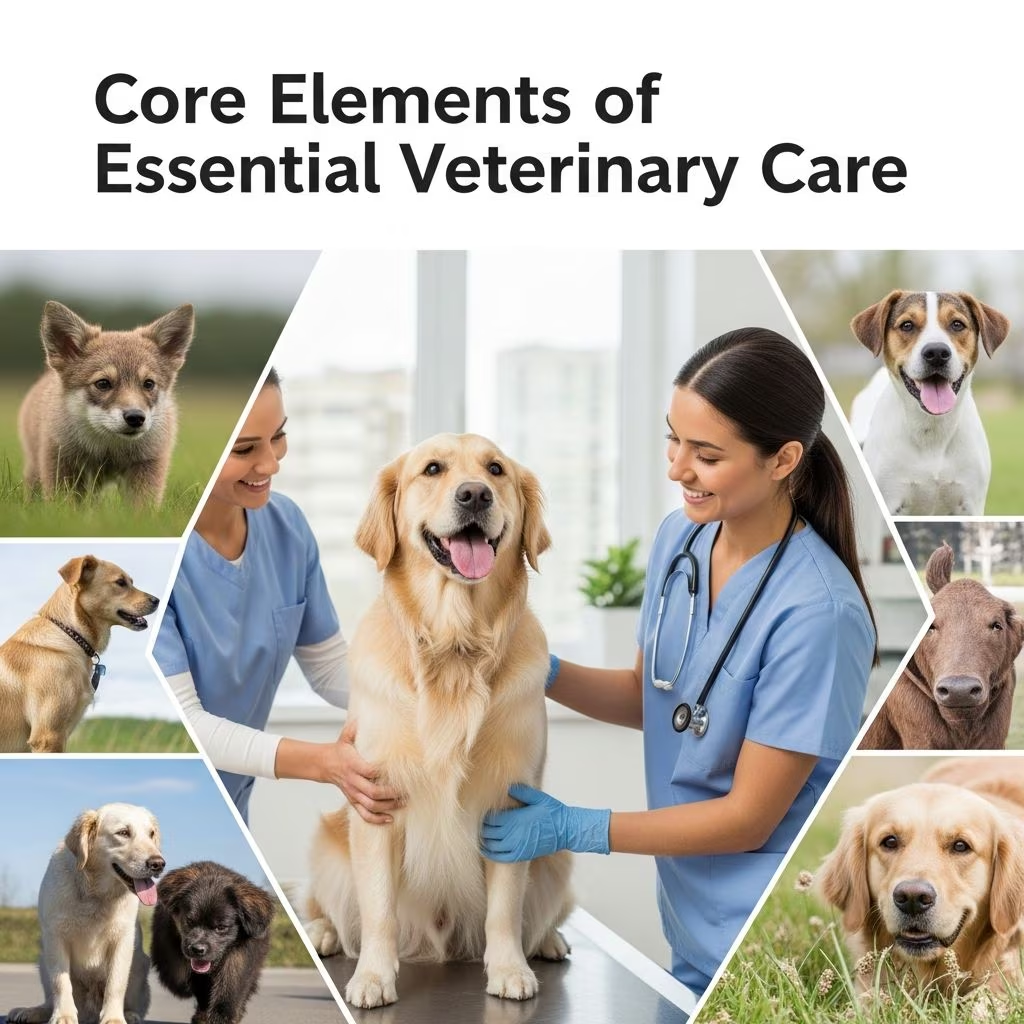
Essential veterinary care forms the backbone of animal health management, encompassing a range of services designed to prevent illness, treat conditions promptly, and maintain overall welfare. These services are critical for companion animals, livestock, and those in research or sanctuary settings, ensuring they receive timely interventions that align with professional standards.
Building a Strong Foundation: Preventive Health Strategies
Preventive care stands as the first line of defense in maintaining animal health. This approach focuses on vaccinations, parasite control, and nutritional guidance to avert diseases before they manifest. Regular wellness exams allow veterinarians to detect subtle changes early, adjusting care plans to suit each animal’s lifestyle and risks.
- Vaccinations: Protect against contagious diseases like rabies, parvovirus, and distemper, following schedules approved by attending veterinarians.
- Parasite Management: Targets fleas, ticks, heartworms, and internal parasites through tailored medications.
- Nutrition Counseling: Ensures balanced diets with appropriate portions to support growth, energy, and longevity.
Implementing these measures reduces the incidence of costly and life-threatening conditions, promoting longer, healthier lives for animals under human care.
Daily Monitoring and Husbandry Practices
Consistent observation is a cornerstone of adequate veterinary programs. Facilities must conduct daily assessments of animals’ health and well-being, including weekends and holidays, to identify issues promptly. This includes proper housing, sanitation, waste disposal, and pest control, all directed by trained personnel.
| Aspect | Key Requirements | Benefits |
|---|---|---|
| Physical Environment | Appropriate location, construction, and operation of housing | Reduces stress and disease transmission |
| Social Environment | Species-appropriate grouping and enrichment | Supports mental health and natural behaviors |
| Husbandry | Food, water, bedding, and sanitation protocols | Prevents malnutrition and infections |
| Records | Animal identification, health monitoring, and genetic tracking | Enables targeted interventions |
These practices ensure animals thrive in environments that mimic their natural needs while minimizing hazards.
The Veterinarian-Client-Patient Relationship (VCPR)
A robust VCPR is indispensable for effective care. It requires the veterinarian to have recent, hands-on knowledge of the animal, enabling informed clinical judgments, treatment recommendations, and progress monitoring. Clients must commit to following advice, while vets maintain detailed records and advise on risks and alternatives.
- Recent examination to assess health status.
- Mutual agreement on care responsibilities.
- Ongoing communication for adjustments and emergencies.
This relationship fosters trust and accountability, optimizing outcomes for animals.
Handling Emergencies and Critical Interventions
Essential care extends to round-the-clock availability for diseases, injuries, and emergencies. Programs must include weekend, holiday, and urgent services, with pre-planned responses for system failures or irreplaceable animals. Pain relief, anesthesia, and euthanasia methods must adhere to humane standards.
Surgical care involves presurgical planning, trained monitoring, and postsurgical recovery, all under veterinary oversight. Emergency protocols coordinate personnel, resources, and safety measures, integrating with broader contingency plans.
Legal Frameworks and Standards for Adequacy
Government regulations define adequate veterinary care, mandating attending veterinarians in research facilities to oversee programs compliant with professional practices. This includes facilities, equipment, disease prevention, daily observations, and procedural guidance.
Adequate veterinary care is what is currently accepted as professional practice for the circumstance or condition.
For dogs, annual full physicals, vaccinations, and parasite treatments are required unless research protocols dictate otherwise. Sanctuaries and similar settings emphasize qualified oversight for health guidance.
Addressing Barriers to Veterinary Access
Access encompasses economic, physical, social, mental, and emotional resources needed to connect with trusted providers. Challenges include geographic distance, affordability, and communication hurdles, particularly for underserved populations.
Proposed definitions highlight proximity, affordability, trained personnel, and inclusivity for diverse abilities and backgrounds. Virtual or mobile services can bridge gaps, ensuring consistent availability.
| Barrier Type | Description | Solutions |
|---|---|---|
| Economic | Cost of services | Affordable options, payment plans |
| Physical | Distance to clinics | Mobile vets, telehealth |
| Social | Cultural or awareness gaps | Education campaigns |
Overcoming these ensures ethical responsibilities to sentient animals are met, reducing suffering.
Personnel Training and Safety Protocols
Veterinary programs require trained staff with pre-placement evaluations, hazard identification, vaccinations, and injury documentation. Cleanliness policies and emergency training protect both animals and handlers.
For animals in healthcare settings, handlers must recognize stress signals to prevent risks.[10]
Specialized Care Pathways
General vets handle routine needs but refer to specialists for complex cases like emergencies or internal medicine. Professional bodies like AVMA aid in finding credentials.
FAQs on Essential Veterinary Care
What constitutes adequate veterinary care?
It includes daily observations, preventive measures, emergency access, and humane treatments under a qualified veterinarian’s guidance.
How often should pets receive checkups?
Annually for adults, more frequently for puppies, kittens, or seniors, including full exams and vaccinations.
What is a VCPR and why is it important?
A professional bond based on recent exams, enabling responsible care decisions.
Are there legal requirements for animal facilities?
Yes, research sites must have attending vets and compliant programs.
How can I improve access to vet care?
Seek local resources, telehealth, or referrals, and plan for affordability.
Ethical Imperatives and the Five Freedoms
Animal welfare aligns with the Five Freedoms: from hunger/thirst, discomfort, pain/disease, normal behavior expression, and fear/distress. Veterinary care directly supports these through monitoring, treatments, and enrichments.
In all contexts, prioritizing these elements upholds moral obligations to animals reliant on human stewardship.
References
- Program of Animal Care & Use – OLAW – NIH — National Institutes of Health. Accessed 2026. https://olaw.nih.gov/resources/tutorial/animal.htm
- Understanding Veterinary Services: From General Medicine to Specialized Care — Country Creek Vets. Accessed 2026. https://www.countrycreekvets.com/understanding-veterinary-services-from-general-medicine-to-specialized-care
- Access to veterinary care: evaluating working definitions, barriers — PMC. 2024. https://pmc.ncbi.nlm.nih.gov/articles/PMC10830634/
- Animal Welfare Act Quick Reference Guides — USDA National Agricultural Library. Accessed 2026. https://www.nal.usda.gov/animal-health-and-welfare/animal-welfare-act-quick-reference-guides
- The veterinarian-client-patient relationship (VCPR) — American Veterinary Medical Association. Accessed 2026. https://www.avma.org/resources-tools/pet-owners/yourvet/veterinarian-client-patient-relationship-vcpr
- Adequate Veterinary Care: Understanding Legal Standards — US Legal Forms. Accessed 2026. https://legal-resources.uslegalforms.com/a/adequate-veterinary-care



