

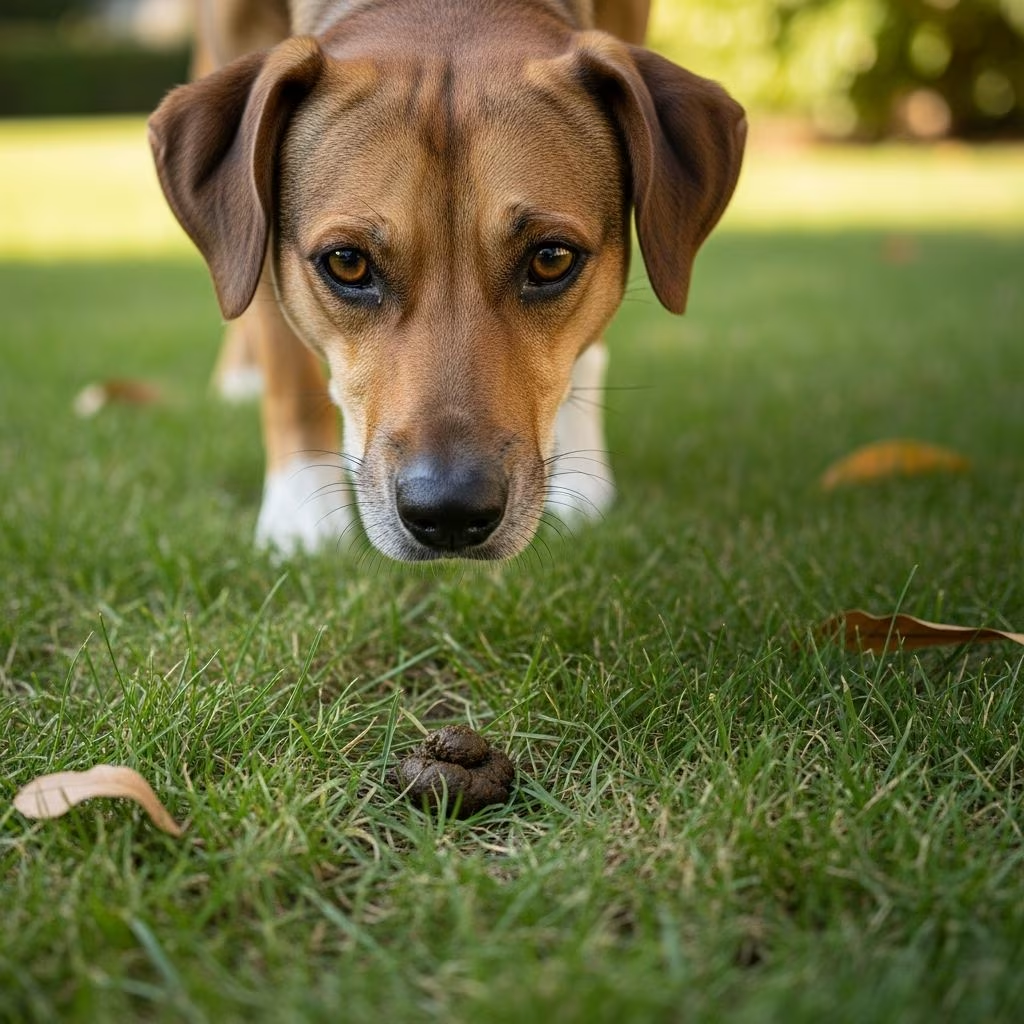
Coprophagia, the technical term for dogs eating feces, is a puzzling yet widespread behavior observed in both wild and domestic canines. While it may disgust owners, it often stems from natural instincts, nutritional needs, or underlying health concerns. Understanding these drivers is key to addressing the issue effectively.
The Evolutionary Roots of Feces Consumption
In the wild, canids like wolves and foxes exhibit coprophagia as a survival mechanism. Mother wolves consume their puppies’ stools to maintain a clean den, minimizing scents that could attract predators and reducing the spread of intestinal parasites. This den sanitation behavior persists in domestic dogs, where nursing females instinctively eat their litter’s waste for the first few weeks post-birth.
Puppies learn this habit by observation, sometimes continuing it into adulthood. A study from the University of California, Davis, presented at the American Veterinary Society of Animal Behavior conference, classified 16% of dogs as “serious” poop eaters—those caught five or more times—and noted 24% engaging at least once. Researchers attribute this to an innate predisposition inherited from ancestral canids, protecting pack members from parasites in shared resting areas.
Wild animals also target specific feces, such as those from herbivores like horses, possibly for antioxidants or undigested plant matter that aids their digestion. Domestic dogs mirror this by seeking out horse manure or goose droppings, blending instinct with opportunity.
Nutritional Deficiencies and Dietary Factors
Dogs may turn to feces when their diet lacks essential nutrients. Poor digestion or unbalanced meals—such as vegetarian diets low in protein and fat—prompt them to scavenge waste for vitamins, minerals, or enzymes. Vitamin B deficiencies, particularly thiamine, have been linked to this behavior; 1981 research showed fecal microbes synthesize these vitamins, making poop a misguided supplement.
Conditions impairing nutrient absorption, like malabsorption syndromes or enzyme shortages, exacerbate the problem. Dogs on calorie-restricted or incomplete diets might eat their own or others’ feces (autocoprophagia or allocoprophagia) to compensate. Herbivore feces provide fiber and antioxidants absent in carnivorous diets.
| Nutrient Gap | Possible Feces Source | Benefit Sought |
|---|---|---|
| Vitamin B (e.g., thiamine) | Own or dog feces | Microbial synthesis |
| Protein/Fat | Other dogs or herbivores | Undigested remnants |
| Antioxidants/Fiber | Horse manure | Plant-based supplements |
| Water/Enzymes | Fresh stools | Hydration and digestion aid |
This table summarizes common deficiencies and how dogs might seek them through coprophagia.
Medical Conditions Triggering the Habit
Sudden onset of poop eating warrants a veterinary check, as it can signal health issues. Parasites steal nutrients, prompting compensatory eating; diabetes, Cushing’s disease, thyroid disorders, or steroid use increase appetite abnormally. Inflammatory bowel disease or exocrine pancreatic insufficiency reduces enzyme production, leaving dogs craving undigested food in waste.
While no strong age or diet links exist universally, emerging research explores gut flora’s role in behaviors like coprophagia. Owners should monitor for weight loss, diarrhea, or lethargy alongside the habit. The National Zoo’s conservation genomics center notes coprophagia can indicate nutrient loss to parasites or poor digestion, especially if new.
- Parasitic infections: Common in puppies; moms eat poop preventatively.
- Endocrine disorders: E.g., diabetes causing polyphagia.
- GI issues: Malabsorption or enzyme deficiencies.
- Medication side effects: Steroids boosting hunger.
Behavioral and Environmental Influences
Beyond biology, environment plays a role. Boredom in understimulated dogs leads to feces scavenging as entertainment. Stress from isolation, new homes, or harsh potty training cycles—where dogs eat evidence to avoid scolding—perpetuates the issue.
Attention-seeking is frequent: dogs notice owners’ strong reactions and repeat for interaction, even negative. Food-motivated or greedy eaters, evolved from scavenging ancestors, are prone. Confinement in kennels or limited spaces heightens psychological distress.
Strategies to Discourage Coprophagia
Addressing coprophagia requires a multi-faceted approach: rule out medical causes first via vet exam, then optimize diet and environment.
- Veterinary evaluation: Test for parasites, bloodwork for deficiencies/diseases.
- Dietary adjustments: Switch to high-quality, balanced food; consider probiotics or digestive enzymes. Supplements like B-vitamins if deficient.
- Environmental enrichment: Increase exercise, toys, training to combat boredom/stress.
- Training techniques: Use “leave it” commands with positive reinforcement; avoid punishment. Supervise walks, clean yards promptly.
- Deterrents: Commercial additives (e.g., For-Bid) make feces unpalatable; pineapple or pumpkin in diet as natural options (consult vet).
Consistency is crucial; improvement may take weeks. A 2018 Veterinary Medicine and Science survey reinforces instinctual roots but stresses management through these steps.
Risks Associated with Poop Eating
Beyond gross factor, coprophagia risks parasite transmission (e.g., worms, giardia), bacterial infections (salmonella, E. coli), or toxic exposures from treated lawns/medicated animals. Frequent eaters face digestive upset or obesity from extra calories.
When to Seek Professional Help
If behavioral tweaks fail or symptoms accompany (vomiting, weight changes), consult a veterinary behaviorist. Persistent cases may need medication for anxiety or specialized diets.
Frequently Asked Questions (FAQs)
Why do puppies eat poop?
Puppies mimic mothers’ den cleaning and explore instinctively; most outgrow it with training.
Do all dogs eat poop?
No, but 1 in 6 are habitual; genetics and environment influence.
Can diet alone stop coprophagia?
Often helps if nutritional, but rule out medical/behavioral first.
Is cat poop more appealing?
Yes, due to high protein; secure litter boxes.
How long to break the habit?
4-6 weeks with consistent intervention.
References
- WHY DO DOGS EAT POOP? — The Dish on Science, Stanford. 2023. https://thedishonscience.stanford.edu/articles/rvuid1mxx6u1wkdlk1o6u40xv1zfga
- Why Do Dogs Eat Their Own Poop? — Brodie Animal Hospital. 2024. https://www.brodieanimalhospital.com/blog/why-do-dogs-eat-their-own-poop
- Why do dogs eat poo? A canine scientist explains — University of Melbourne. 2023-10-12. https://findanexpert.unimelb.edu.au/news/103332-why-do-dogs-eat-poo%3F-a-canine-scientist-explains
- Why Does My Dog Eat Poop? — American Kennel Club. 2024. https://www.akc.org/expert-advice/health/why-dogs-eat-poop/
- Why Do Dogs Eat Poop? — PetMD. 2024. https://www.petmd.com/dog/behavior/why-do-dogs-eat-poop
- Why Do Animals Eat Poop? (And Why It Might Be a Good Thing) — Smithsonian National Zoo. 2023. https://nationalzoo.si.edu/center-conservation-genomics/news/why-do-animals-eat-poop-and-why-it-might-be-good-thing
- The paradox of canine conspecific coprophagy — PMC – NIH (PMC5980124). 2018-05-29. https://pmc.ncbi.nlm.nih.gov/articles/PMC5980124/



