

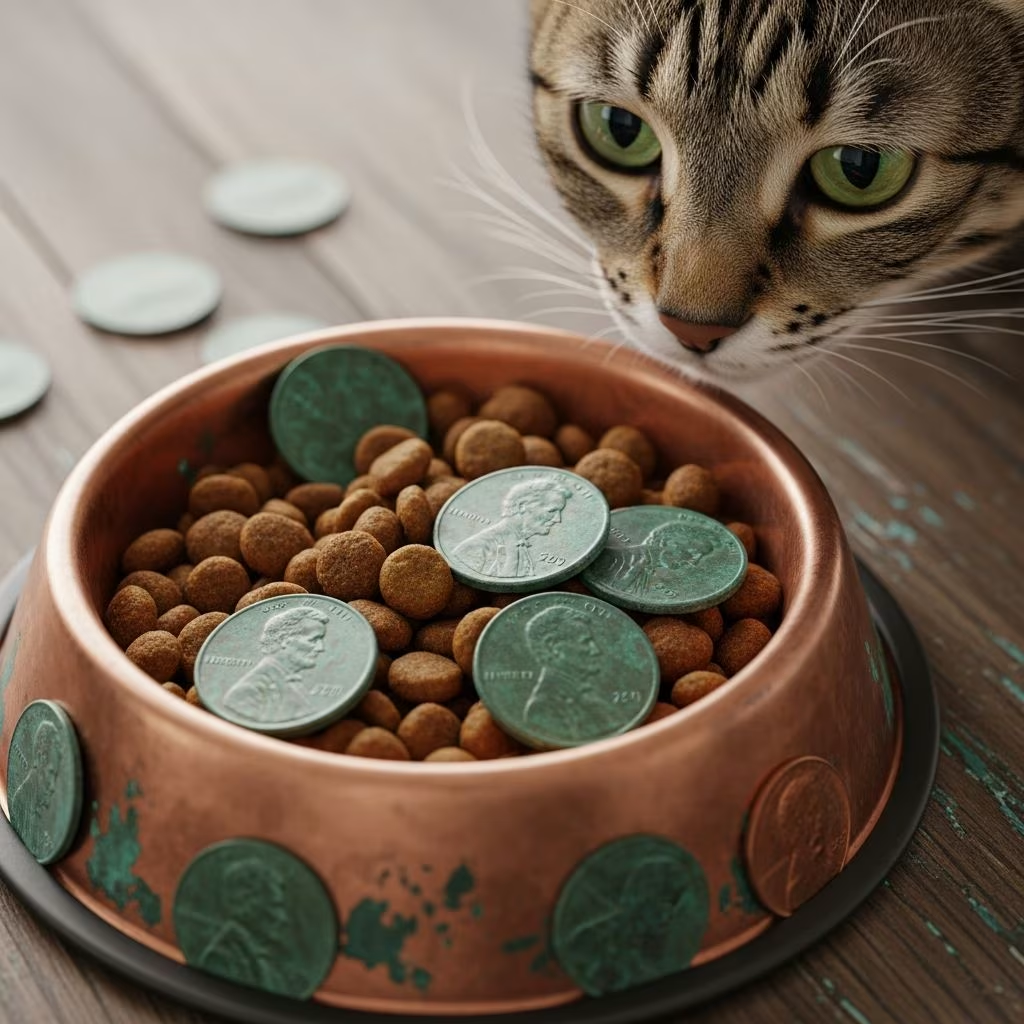
Copper is a vital trace mineral required for numerous enzymatic functions in animals, but excessive accumulation can lead to severe organ damage, particularly in the liver and kidneys. This condition, known as copper toxicity, manifests in both acute and chronic forms, affecting dogs, cats, sheep, and other species with varying degrees of susceptibility. Pet owners and livestock managers must recognize the dangers posed by environmental sources, dietary imbalances, and genetic predispositions to mitigate risks effectively.
Why Copper Builds Up in Animal Bodies
Animals maintain copper homeostasis through careful absorption in the gut and excretion primarily via bile from the liver. Disruptions occur when intake exceeds safe levels or when metabolic pathways fail, leading to accumulation in hepatocytes. Factors include high-copper feeds, water contamination, or deficiencies in antagonists like molybdenum and sulfur, which normally inhibit absorption. In livestock, certain forages exacerbate uptake, while in companion animals, genetic mutations impair excretion.
Genetic predispositions play a significant role, especially in dogs. Mutations in genes like ATP7B, similar to human Wilson’s disease, hinder copper transport out of liver cells. Environmental triggers, such as zinc-deficient diets or exposure to copper-rich supplements, compound the issue. Understanding these mechanisms is crucial for prevention strategies tailored to species and breed vulnerabilities.
Recognizing Acute Copper Poisoning
Acute toxicity arises from sudden, high-dose exposures, such as ingesting copper-containing pesticides, contaminated water, or post-1990 pennies in dogs. Symptoms erupt rapidly, within hours to days, dominated by gastrointestinal distress. Affected animals exhibit violent vomiting, bloody diarrhea, intense abdominal cramping, and rapid dehydration, often progressing to shock if untreated.
If survival extends beyond the initial crisis, a hemolytic phase ensues around day three, where red blood cells rupture, releasing hemoglobin into the urine—creating port-wine-colored output—and causing jaundice. Weakness, pale gums, increased heart rate, and collapse signal systemic involvement. Mortality can exceed 75% in ruminants without intervention, underscoring the urgency of prompt veterinary care.
- Key acute signs: Sudden anorexia, profuse watery or hemorrhagic diarrhea, dehydration, shock.
- Later developments: Hemoglobinuria, icterus (yellowing of skin/membranes), methemoglobinemia.
Chronic Copper Accumulation: The Silent Killer
Unlike the dramatic onset of acute cases, chronic toxicity develops insidiously over months or years from sustained low-level exposure. Liver copper levels gradually rise, causing inflammation, fibrosis, and eventual cirrhosis. A tipping point triggers a hemolytic crisis, mimicking acute signs but rooted in long-term hepatopathy.
Common in sheep on molybdenum-poor pastures and specific dog breeds, chronic cases show nonspecific early symptoms: lethargy, weight loss, polyuria/polydipsia, and mild anemia. Pre-crisis elevations in liver enzymes (ALT, AST) offer a diagnostic window. Photosensitization, fluid ascites, and neurological signs like disorientation may appear in advanced stages.
| Symptom | Acute Form | Chronic Form |
|---|---|---|
| Gastrointestinal | Severe, immediate (vomiting, bloody diarrhea) | Mild, intermittent early on |
| Hemolysis/Jaundice | Days 3+ post-exposure | Sudden crisis after buildup |
| Liver Enzymes | Variable | Elevated weeks/months prior |
| Prognosis | Poor without early tx | Guarded; lifelong management |
Breeds and Species Most at Risk
Certain dog breeds carry genetic risks for copper-associated hepatopathy, with Bedlington Terriers, West Highland White Terriers, Skye Terriers, Keeshonds, Doberman Pinschers, American Cocker Spaniels, and Labrador Retrievers overrepresented. These breeds often develop copper storage disease (CSD), where liver biopsies reveal concentrations exceeding 600 µg/g dry weight—far above normal (<400 µg/g).
Sheep and cattle on copper-supplemented feeds or low-molybdenum diets face herd-level outbreaks, with morbidity under 5% but high fatality. Cats experience similar issues, though less documented, often linked to breed-specific or dietary factors. Genetic testing via buccal swabs identifies carriers in predisposed lines, enabling proactive breeding decisions.
How Veterinarians Diagnose Copper Toxicity
Diagnosis integrates clinical history, lab work, imaging, and histopathology. Initial blood panels reveal elevated liver enzymes, bilirubin, and evidence of hemolysis (low PCV, hemoglobinemia). Urinalysis confirms hemoglobinuria. Fecal copper levels spike in acute cases.
Liver biopsy remains gold standard, quantifying copper via atomic absorption spectroscopy and assessing hepatocellular damage. Ultrasound detects hepatomegaly, nodularity, or ascites. Genetic panels screen at-risk breeds. Differential diagnoses include infectious hepatitis, leptospirosis, or other toxicities (e.g., iron, zinc).
- Blood chemistry: ALT/AST >2x normal, azotemia possible.
- Biopsy: Copper >600 µg/g; centrilobular necrosis.
- Exclusion: Rule out portosystemic shunts, neoplasia.
Emergency and Long-Term Treatment Strategies
Acute cases demand stabilization: IV fluids combat dehydration/shock, antiemetics control vomiting, and gastroprotectants soothe ulcers. Chelation therapy with D-penicillamine (10-15 mg/kg BID PO for dogs, up to 50 mg/kg/day in others) binds copper for urinary excretion, ideally started early. Succimer (DMSA) offers an alternative with fewer GI side effects.
Chronic management focuses on depletion and prevention. Low-copper diets (<1.0 ppm) form the cornerstone, paired with zinc supplementation (2-5 mg/kg/day zinc gluconate) to block intestinal absorption. Chelators like trientine or penicillamine cycle monthly, monitored via serial biopsies. Antioxidants (SAMe 20 mg/kg, Vitamin E 10 IU/kg) and ursodiol enhance bile flow and hepatoprotection.
In sheep, ammonium molybdate (100 mg/day) and sodium thiosulfate (1 g/day) for 3 weeks reduce mortality. Corticosteroids like prednisolone aid in fibrotic cases but risk immunosuppression.
Preventing Copper Overload in Pets and Livestock
Prevention trumps treatment given guarded prognoses. For dogs, select copper-restricted commercial diets (e.g., Hill’s l/d, Royal Canin Hepatic) and avoid liver, shellfish, or copper-fortified foods. Test well water and avoid post-1982 US pennies. Breeds at risk benefit from genetic screening before breeding.
Livestock strategies include balancing rations with molybdenum (1-5 ppm) and sulfate (0.1-0.3%), regular liver biopsies in herds, and zinc acetate supplementation (250 ppm). Rotate pastures to avoid high-copper plants like clover species. Routine bloodwork monitors subclinical buildup.
Prognosis and Monitoring After Diagnosis
Acute survival hinges on early chelation; survivors risk renal sequelae. Chronic cases with timely intervention can stabilize, but many require lifelong therapy. Serial liver biopsies every 6-12 months track copper decline and fibrosis regression. Poor response signals progression to cirrhosis, with euthanasia considered for refractory pain or hepatic encephalopathy.
Success stories abound with compliant owners: dogs living 5+ years post-diagnosis via diet and zinc. Monitor for chelator side effects (anorexia, thrombocytopenia) and zinc toxicity (hemolysis).
Frequently Asked Questions (FAQs)
What are the first signs of copper poisoning in dogs?
Early indicators include vomiting, diarrhea, lethargy, and increased thirst. Jaundice and dark urine signal advanced hemolytic crisis.
Can copper toxicity be cured?
Acute cases may resolve with prompt treatment, but chronic forms require ongoing management to control accumulation.
Is genetic testing recommended for certain breeds?
Yes, for Bedlington Terriers and similar breeds to identify carriers and guide breeding/preventive care.
How do I choose a low-copper diet for my pet?
Consult a vet for prescription formulas verified <1 ppm copper; avoid human foods high in the mineral.
What household items pose copper risks?
Recent pennies, copper pipes leaching into water, and certain supplements or dewormers.
Emerging Research and Future Directions
Ongoing studies explore novel chelators and gene therapies mimicking human Wilson’s treatments. Antioxidant combinations show promise in slowing fibrosis. Veterinary nutritionists advocate personalized rations based on breed genomics.
Pet owners should partner with vets for annual wellness screens in at-risk animals, emphasizing prevention’s role in averting tragedy.
References
- Copper Poisoning in Animals – Toxicology — Merck Veterinary Manual. 2025. https://www.merckvetmanual.com/toxicology/copper-poisoning/copper-poisoning-in-animals
- Copper Poisoning in Dogs – Symptoms, Causes, Diagnosis — WagWalking. 2023. https://wagwalking.com/condition/copper-poisoning
- Copper Storage Disease in Dogs and Cats — Dr. Judy Morgan. 2024. https://drjudymorgan.com/blogs/blog/copper-storage-disease-in-dogs-and-cats
- Copper Poisoning – Special Pet Topics — MSD Veterinary Manual. 2025. https://www.msdvetmanual.com/special-pet-topics/poisoning/copper-poisoning
- Copper-Associated Liver Disease in Dogs — Morris Animal Foundation. 2023. https://www.morrisanimalfoundation.org/article/copper-associated-liver-disease-dog
- Copper Toxicosis (Accumulating) in Dogs — EmbarkVet. 2024. https://embarkvet.com/products/dog-health/health-conditions/copper-toxicosis-accumulating/



