

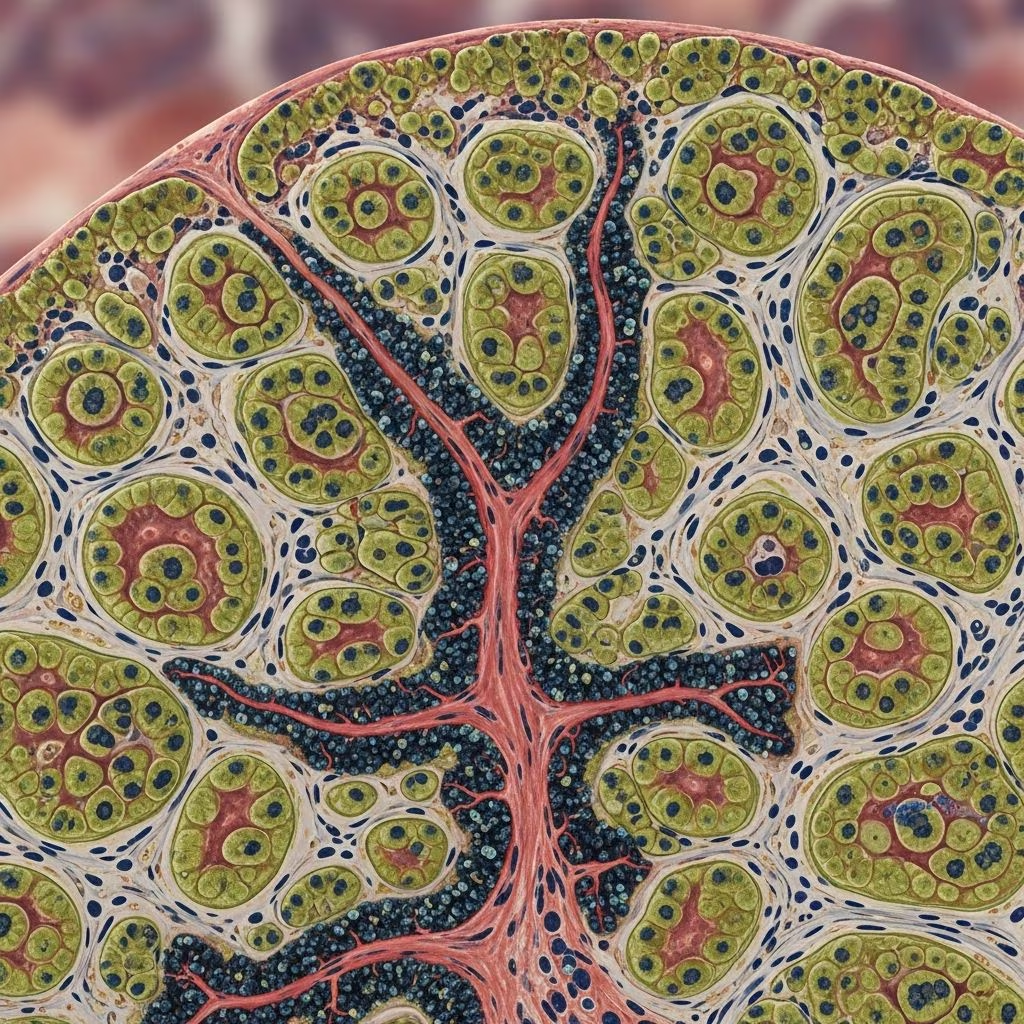
Copper is an essential trace mineral required for various enzymatic functions in animals, but excessive accumulation can lead to severe toxicosis, particularly in susceptible species like sheep and certain dog breeds. This condition manifests in acute or chronic forms, with chronic cases often culminating in a fatal hemolytic crisis after prolonged liver storage.
Why Copper Builds Up in Animal Tissues
Animals obtain copper primarily through feed, water, and supplements. While cattle and poultry tolerate higher levels, sheep and dogs are highly sensitive due to inefficient excretion mechanisms. In sheep, liver copper concentrations exceeding 1000 µg/g dry matter signal danger, often from imbalanced rations or accidental overdosing. Factors like breed genetics play a role; Bedlington Terriers and Labrador Retrievers in dogs show inherited hepatopathy from copper dysregulation.
Environmental sources contribute too, such as contaminated pastures near industrial sites or copper-containing pesticides. Feed formulated for multi-species use frequently overlooks sheep’s low tolerance, leading to gradual accumulation without immediate symptoms.
Distinguishing Acute and Chronic Forms
| Type | Exposure | Main Effects | Common Species |
|---|---|---|---|
| Acute | Single high dose (e.g., 20-210 mg/kg in sheep) | Gastroenteritis, shock, rapid death | Sheep, calves |
| Chronic | Prolonged low-level intake | Liver accumulation, hemolytic crisis | Sheep, dogs |
Acute toxicity strikes quickly from soluble salts in dewormers or mineral mixes, causing immediate gastrointestinal distress. Chronic toxicity simmers subclinical for months, triggered by stress like transport or predation, releasing stored copper into blood.
Recognizing Symptoms Across Species
- Sheep: Sudden weakness, hemoglobinuria (red-brown urine), jaundice, rapid breathing, and death within 48 hours post-crisis.
- Dogs: Lethargy, vomiting, elevated liver enzymes (ALT/AST), progressing to icterus and cirrhosis in breeds like West Highland White Terriers.
- Cattle: Rare but possible in young calves; abdominal pain, diarrhea, dehydration.
- Other: Pigs and horses show milder responses, but hemolytic signs appear under extreme exposure.
Pre-crisis indicators include thirst, anorexia, pale gums, and rumen stasis in ruminants. Photosensitization may emerge from liver failure. In show animals, subtle signs like poor coat quality precede outbreaks.
Pathological Changes in Affected Animals
Post-mortem reveals gunmetal kidneys, port-wine urine, enlarged friable livers, and icteric tissues in chronic cases. Centrilobular necrosis marks liver and kidney damage; spleen darkens from hemolysis. Acute cases feature abomasal ulcers and erosions. These lesions confirm toxicity when paired with tissue copper assays (>1000 ppm liver wet weight).
Confirming the Diagnosis
Diagnosis hinges on history of copper exposure, clinical signs, and lab confirmation. Liver biopsies or necropsy samples measure copper levels; serum spikes transiently during crisis. Elevated bilirubin, AST, GGT, and urea indicate organ failure. Rule out differentials like bacterial infections or other toxicities via histopathology.
For herds, monitor liver enzymes serially; biopsies guide early intervention.
Treatment Approaches and Their Limitations
Treatment success drops post-hemolysis; focus on early chelation and support. Key options include:
- Penicillamine (50 mg/kg PO daily for 6 days) or calcium versenate to bind and excrete copper.
- Ammonium molybdate (100 mg/day) with sodium thiosulfate (1 g/day) for 3 weeks in sheep, reducing absorption.
- Zinc acetate (250 ppm dietary) blocks uptake.
- Supportive: IV fluids, blood transfusions for shock/hemolysis.
Intravenous tetrathiomolybdate shows promise during accumulation phases. Prognosis remains guarded; mortality exceeds 75% in crises.
Prevention: The Cornerstone of Control
Prevention trumps treatment given high lethality. Strategies include:
- Species-specific feeds: Avoid cattle rations for sheep.
- Supplements: Limit copper to 10 ppm in sheep diets; test water.
- Antagonists: Routine molybdenum/sulfate in high-risk flocks.
- Monitoring: Quarterly liver biopsies in vulnerable breeds.
- Breed selection: Favor low-accumulation genetics in dogs/sheep.
Post-outbreak, treat entire groups with thiosulfate for 3 weeks. Educate on risks in multi-species operations.
Species-Specific Vulnerabilities
Sheep: The Prime Victims
Sheep top susceptibility lists, with chronic cases rampant in late summer among breeds like Texel and Bluefaced Leicester. Predation stress often sparks outbreaks.
Dogs: Genetic Predispositions
Breeds like Bedlington Terriers accumulate copper hereditarily, leading to hepatopathy; diet management with low-copper foods is vital.
Cattle and Others
Calves tolerate less than adults (20-100 mg/kg acute dose); poultry feeds pose cross-risks.
FAQs on Copper Toxicity
What triggers a hemolytic crisis in chronic copper poisoning?
Stressors like transport, lactation, or infections release liver-stored copper, causing intravascular hemolysis.
How do I test for copper levels safely?
Liver biopsies or blood serum analysis; aim for under 1000 µg/g in liver.
Can copper toxicity affect show animals?
Yes, especially during high-stress events; monitor supplements closely.
Is there a safe copper level for sheep feed?
Under 10 mg/kg; pair with molybdenum for balance.
What if I suspect poisoning in my herd?
Isolate, provide supportive care, and consult a vet for chelators immediately.
Long-Term Management Insights
Integrate copper monitoring into routine herd health protocols. Genetic screening in dogs prevents hereditary cases. Research advances, like targeted antagonists, improve outcomes. Farmers should audit feeds annually, especially in regions with mineral-rich soils.
Economic impacts are stark: outbreaks cause flock losses up to 5% morbidity but 75%+ mortality, underscoring prevention’s value.
References
- Copper Poisoning in Animals — Merck Veterinary Manual. 2023. https://www.merckvetmanual.com/toxicology/copper-poisoning/copper-poisoning-in-animals
- Copper Poisoning, a Deadly Hazard for Sheep — PMC/NCBI. 2022-09-20. https://pmc.ncbi.nlm.nih.gov/articles/PMC9495211/
- Copper Toxicity in Sheep is on the Rise in Kansas and Nebraska — Kansas State University Veterinary Medicine. 2023. https://www.vet.k-state.edu/docs/health/Copper_poisoning.pdf
- Copper Poisoning in Sheep — NADIS. 2024. https://www.nadis.org.uk/disease-a-z/sheep/copper-poisoning-in-sheep/
- Copper Toxicity — LSU AgCenter. 2010-05. https://www.lsuagcenter.com/NR/rdonlyres/9E129147-D254-42AB-B591-FBDC5C037F05/69830/CopperToxicityMay2010.pdf
- Copper Toxicity in Show Animals — Texas Veterinary Medical Diagnostic Laboratory. 2024. https://tvmdl.tamu.edu/case-studies/copper-toxicity-in-show-animals/



