

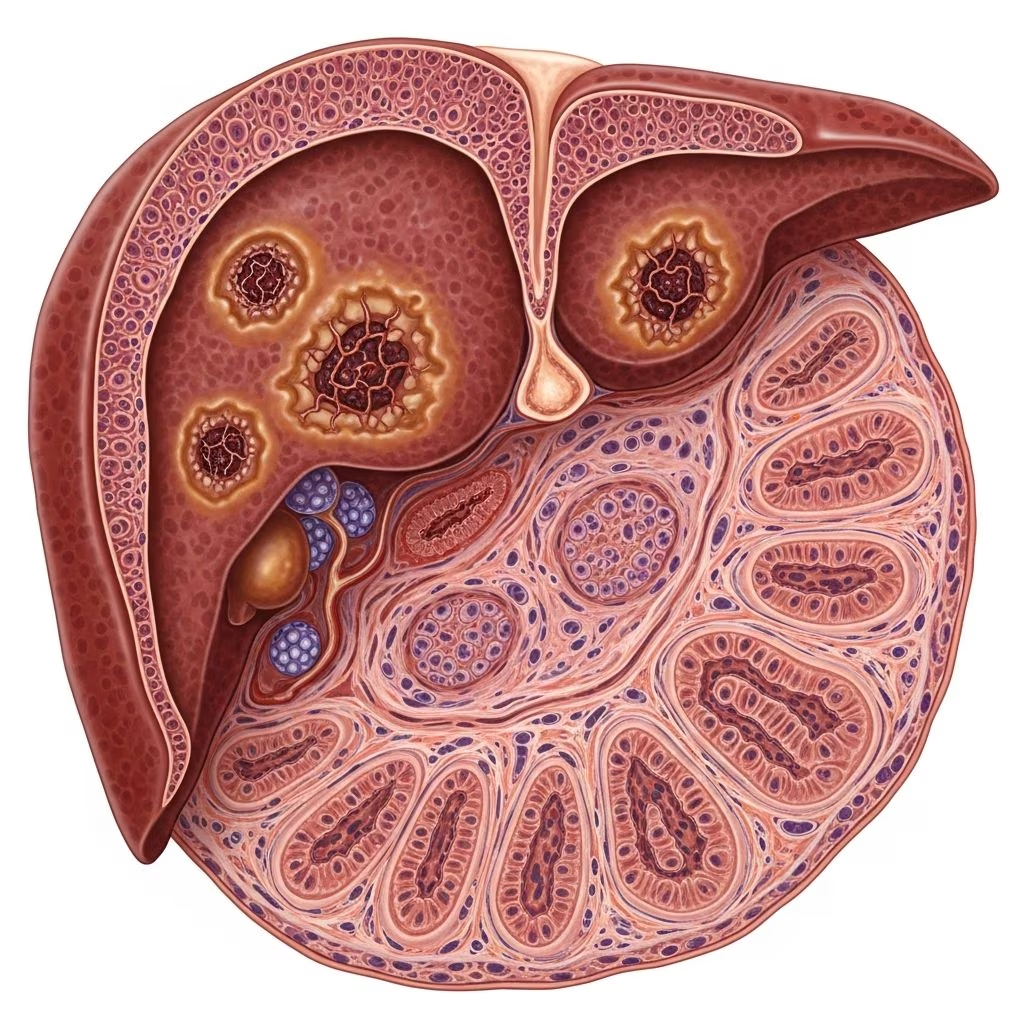
Copper hepatopathy, also known as copper-associated hepatopathy (CAH), involves the excessive buildup of copper in a dog’s liver cells, leading to oxidative damage, inflammation, and progressive liver dysfunction. This condition can affect various breeds and arises from genetic predispositions or environmental factors like diet.
The Role of Copper in Canine Physiology
Copper serves vital functions in dogs, including iron absorption, red blood cell formation, and support for nervous and immune systems. Normally, the liver metabolizes copper, storing it or excreting excess via bile. When metabolism falters, copper accumulates in hepatocytes, overwhelming storage and triggering free radical production, lipid peroxidation, and DNA damage.
This oxidative stress primarily starts in centrilobular regions (zone 3) near the central vein, where cells handle nutrient-rich blood from the gut. As damage spreads to midzonal and portal areas, inflammation ensues, followed by fibrosis and cirrhosis in advanced cases.
Breeds at Highest Risk and Genetic Factors
While any dog can develop CAH, certain breeds show higher susceptibility due to inherited defects in copper metabolism. Labrador Retrievers face elevated risk from genetic issues impairing copper excretion into bile. Bedlington Terriers, West Highland White Terriers, Skye Terriers, Doberman Pinschers, and Dalmatians also exhibit predispositions, often linked to primary genetic mutations.
- Labrador Retrievers: Hereditary form leads to centrilobular accumulation and chronic inflammation.
- Terrier breeds: Metabolic defects compromise biliary excretion.
- Other breeds: Secondary accumulation from cholestasis or high-copper diets.
Environmental contributors include diets with elevated copper from liver-based proteins or supplements. Recent recognition of CAH across breeds underscores the need for vigilance beyond predisposed lines.
Recognizing Early and Advanced Symptoms
CAH often remains subclinical initially, with liver enzymes like ALT and ALP rising subtly. As copper levels exceed 600 mg/kg dry weight, symptoms emerge, starting nonspecific and progressing to overt liver failure signs.
| Stage | Common Symptoms |
|---|---|
| Early/Subclinical | Lethargy, mild weight loss, increased thirst/urination |
| Moderate | Vomiting, diarrhea, abdominal pain, jaundice (yellow gums/eyes) |
| Advanced | Fluid buildup (ascites), bleeding tendencies, neurological issues (hepatic encephalopathy), anemia |
Middle-aged to older dogs (4-8 years) typically show signs, though younger predisposed pups may present earlier. Anemia arises from immune-mediated red blood cell destruction triggered by copper overflow. Prompt veterinary attention is crucial, as early intervention halts progression.
Diagnostic Approaches for Confirmation
Initial screening involves bloodwork revealing elevated liver enzymes, low albumin, and high bile acids. Ultrasonography detects liver texture changes, but definitive diagnosis requires liver biopsy for histology and copper quantification.
Histology reveals copper-laden hepatocytes with granular pigmentation, confirmed by rubeanic acid staining. Quantitative analysis via atomic absorption spectroscopy measures copper on dry-weight basis: normal <400 mgkg, concerning 400-600 diagnostic>600 mg/kg.
- Biopsy methods: Percutaneous needle or surgical wedge biopsy.
- Staging: Assess inflammation, fibrosis, and copper distribution.
- Rule-outs: Infectious hepatitis, toxins, or other metabolic diseases.
Early biopsy enables timely therapy, improving outcomes significantly.
Core Treatment Strategies: Reducing Copper Load
Treatment aims for negative copper balance via restricted intake and enhanced excretion. Chelation therapy using D-penicillamine binds copper for urinary elimination, dosed at 10 mg/kg daily on an empty stomach.
Dietary management is foundational: select low-copper foods (<1.0 mg/100 kcal), avoiding liver, organ meats, and copper-rich fish. High-quality protein from eggs or dairy supports liver repair without copper excess.
- Chelators: D-penicillamine (first-line); alternatives like trientine or ammonium tetrathiomolybdate.
- Supportive care: Antioxidants (SAMe, vitamin E), ursodiol for bile flow, anti-inflammatories.
- Monitoring: Repeat biopsies every 6-12 months to track copper levels.
Treatment success hinges on early detection; advanced cirrhosis carries guarded prognosis.
Nutritional Interventions and Long-Term Diet Plans
Therapeutic diets formulated for liver health emphasize moderate protein, high digestibility, and minimal copper. Zinc supplementation blocks intestinal copper absorption, used adjunctively at 2-5 mg/kg/day.
A sample management table:
| Nutrient | Recommendation | Rationale |
|---|---|---|
| Copper | <1 mg/100 kcal | Prevents accumulation |
| Zinc | 100-200 mg/kg diet | Inhibits absorption |
| Protein | 18-22% high-quality | Supports regeneration |
| Antioxidants | Vitamin E, SAMe | Counters oxidative stress |
Owners must read labels diligently, transitioning gradually to new foods.
Prognosis and Monitoring for Lifelong Management
With early intervention, many dogs achieve copper reduction and symptom resolution, enjoying normal lifespans. Delayed treatment risks irreversible fibrosis or failure.
Regular vet check-ups include blood panels every 3-6 months, with biopsies to confirm progress. Lifestyle adjustments like avoiding copper-supplemented water or treats enhance compliance.
Prevention Tips for At-Risk Dogs
Genetic testing for predisposed breeds identifies carriers. Routine liver screening for high-risk dogs over age 2, plus copper-restricted diets from puppyhood, mitigates risks. Public awareness has grown, reducing diet-related cases through breed-specific feeding guidelines.
Frequently Asked Questions (FAQs)
What breeds are most prone to copper hepatopathy?
Labrador Retrievers, Bedlington Terriers, Dobermans, and several terrier breeds show genetic susceptibility.
Can diet alone cause this condition?
High-copper diets contribute, especially in genetically vulnerable dogs, but primary cases stem from metabolic defects.
How is copper hepatopathy definitively diagnosed?
Liver biopsy with histological staining and quantitative copper measurement provides confirmation.
What is the success rate of treatment?
Early cases respond well to chelation and diet, often normalizing liver function.
Is copper hepatopathy fatal?
Untreated advanced disease leads to liver failure; timely management improves survival significantly.
By staying informed and proactive, pet owners can safeguard their dogs from this progressive liver threat.
References
- Copper Hepatopathy in Dogs — Today’s Veterinary Practice. 2023-02. https://todaysveterinarypractice.com/internal-medicine/copper-hepatopathy-in-dogs/
- Labrador Retriever – Copper Associated Chronic Hepatitis — UFAW. N/A. https://www.ufaw.org.uk/dogs/labrador-retriever-copper-associated-chronic-hepatitis-
- Diagnosing and treating canine copper-associated hepatopathies — dvm360. N/A. https://www.dvm360.com/view/diagnosing-and-treating-canine-copper-associated-hepatopathies
- The complete guide to copper-associated hepatopathy in dogs — Veterinary Internal Medicine Nursing. N/A. https://www.veterinaryinternalmedicinenursing.com/medical-nursing-podcast/copper-associated-hepatopathy-in-dogs
- Copper Storage Disease in Dogs — PetMD. N/A. https://www.petmd.com/dog/conditions/endocrine/copper-storage-disease-dogs
- Copper-Associated Hepatitis — Purina Institute. N/A. https://www.purinainstitute.com/centresquare/therapeutic-nutrition/copper-associated-hepatitis



