

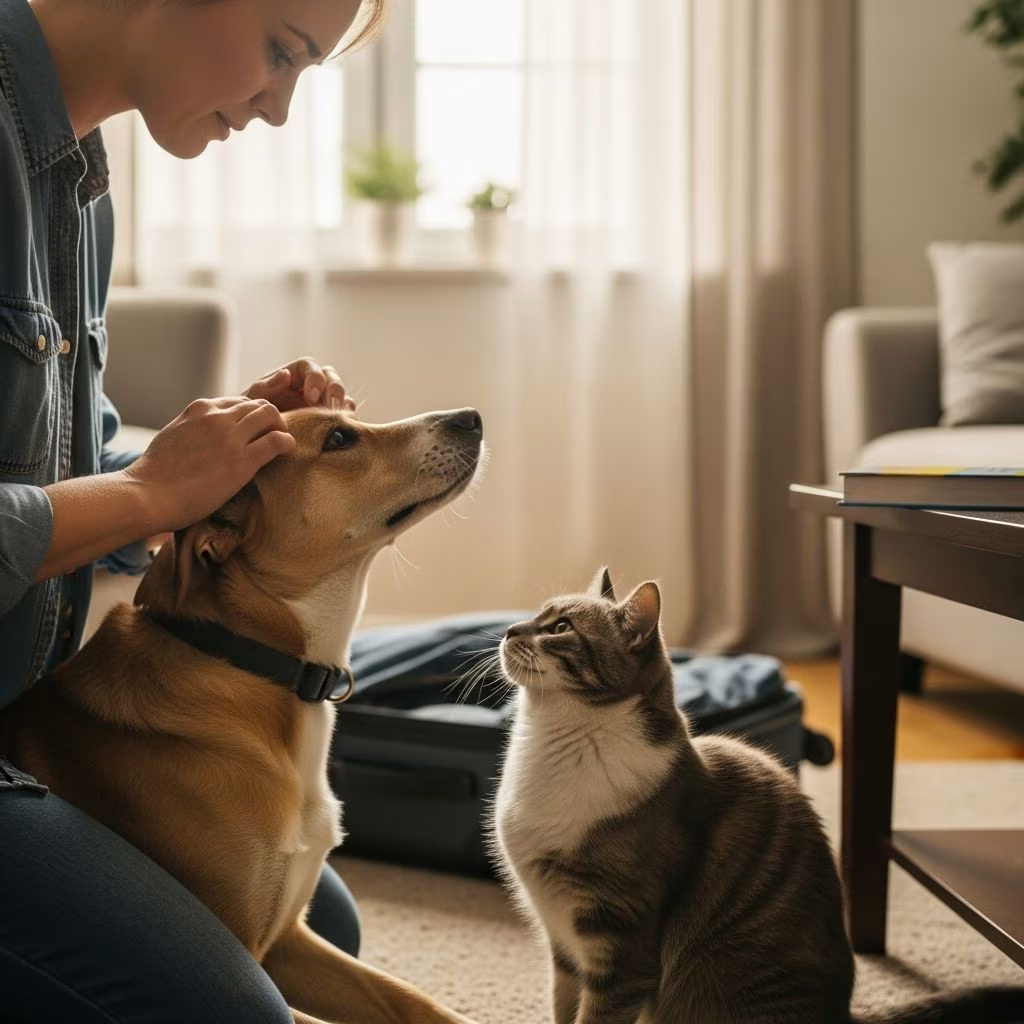
Understanding Pet Parent Anxiety
Leaving your beloved cat or dog behind while you travel can trigger genuine emotional distress. This experience, commonly known as pet parent anxiety, stems from the deep emotional connection you share with your furry companion. The bond between humans and their pets is powerful, and the concern about their wellbeing in your absence is a natural response that many pet owners experience.
Pet parent anxiety goes beyond simple worry—it reflects your commitment to your pet’s happiness and safety. Recognizing that this anxiety is a sign of your devotion, rather than a personal failing, is the first step toward managing these feelings effectively. Understanding that your pets may also experience stress during separation can intensify these concerns, making it even more important to develop coping strategies that benefit both you and your animal companion.
Research Pet Sitters and Boarding Facilities in Advance
One of the most effective ways to reduce anxiety about leaving your pet is to thoroughly research and vet potential caregivers before your trip. Professional pet sitters and boarding facilities provide trained staff, structured care, and secure environments that can significantly ease your worries.
When searching for a pet care provider, prioritize credentials and experience. According to industry experts, using a professional pet sitter is essential because these individuals understand pet behavior and care requirements. Look for pet sitters who are members of organizations like Pet Sitters International, which provides educational resources and maintains standards for professional pet care.
During your initial consultation with a potential pet sitter or boarding facility, request a tour of the premises where your pet will be staying. A reputable caregiver will gladly show you the facilities, introduce you to the staff, and discuss your pet’s specific needs, routines, preferences, and any behavioral quirks. This face-to-face meeting gives you the opportunity to ask questions and assess whether the facility meets your standards. Additionally, experienced pet sitters will take time to learn about your pet’s lifestyle, dietary requirements, exercise needs, and any medical considerations.
Don’t hesitate to ask for references from previous clients. Speaking with other pet owners who have used the service can provide valuable insight into the quality of care your pet will receive. A trustworthy pet sitter or boarding facility will have no problem providing testimonials and allowing you to verify their credentials.
Prepare Your Pet for Travel and Time Away
Before your departure, invest time in helping your pet acclimate to the experience of traveling or staying in unfamiliar environments. Proper preparation can significantly reduce both your pet’s anxiety and your own concerns.
Socialization Training
Early socialization is one of the most effective tools for reducing travel-related anxiety in pets. Introducing your pet to different people, environments, and situations helps them develop confidence and adaptability. For puppies and kittens, the period between 12 to 16 weeks is particularly critical—this is when young animals are most receptive to new experiences and can build positive associations with unfamiliar situations.
Older pets can also benefit from socialization training, though it requires a more gradual approach. Start with short, positive outings in low-stress environments and gradually increase the complexity and duration of these experiences. Rewarding your pet with treats and praise during these excursions reinforces the positive association with new places and people.
Practice Road Trips and Carrier Training
If your pet will be traveling by car, practice short rides before your actual trip. Begin with the vehicle parked and turned off, allowing your pet to explore and become comfortable with the space. Gradually progress to short drives around your neighborhood, then longer journeys. Throughout this process, provide praise, treats, and attention to reinforce positive behavior.
For air travel or extended stays away from home, carrier or crate training is essential. Make the crate a familiar and safe space by introducing your pet to it gradually while at home. Place comfortable bedding, toys, and treats inside to create positive associations. This training helps your pet view the carrier as a safe zone rather than a source of stress. Research shows that carrier training via positive reinforcement methods has been proven to reduce behavioral signs of stress in cats during travel.
Maintain Routine and Structure
Pets thrive on predictability and routine. When traveling with your pet or arranging their care while you’re away, maintaining their regular schedule is crucial for reducing anxiety.
Keep your pet on their normal feeding schedule, exercise routine, and sleep patterns as much as possible. This consistency provides a sense of security and helps your pet know what to expect. Physical exercise is particularly important—pets with adequate activity tend to experience lower stress levels because their energy is appropriately channeled.
Communicate your pet’s routine details clearly to any caregiver. Provide written instructions about feeding times, portion sizes, medications, behavioral quirks, and preferred activities. The more detailed your information, the better equipped your pet sitter will be to maintain your pet’s comfort and wellbeing.
Create a Comfortable Space for Your Pet
Whether your pet is traveling with you or staying with a caregiver, providing a comfortable and familiar environment is essential for managing anxiety.
Familiar Comfort Items
Bring items from home that carry familiar scents—bedding, toys, blankets, or clothing. The scent of home is deeply soothing to pets and helps them feel more secure in unfamiliar situations. If your pet is accustomed to sleeping in a crate, bring that familiar safe space to any new location. Even if crating isn’t part of your pet’s routine, designate a quiet area with their bed, toys, and familiar items where they can retreat and feel secure.
Sensory Calming Techniques
Engage your pet’s senses to promote calmness when you’re not present:
Scent: Leave an unwashed piece of your clothing in your pet’s space so your scent provides comfort during your absence. You can also discuss therapeutic-grade essential oils with your veterinarian—lavender is known for its calming properties, though it should be used sparingly and only under professional guidance.
Sound: Many streaming services now offer designated channels of soft classical music specifically designed for pets. Music can provide calming background noise that reduces stress and helps drown out unsettling sounds in unfamiliar environments.
Mental stimulation: Brain games, puzzle feeders, and interactive toys keep your pet’s mind engaged and distracted from anxiety. These activities redirect nervous energy toward productive play and can significantly reduce stress levels during your absence.
Manage Your Own Anxiety
Your emotional state directly impacts your pet’s anxiety levels. Pets are sensitive to their owner’s emotions, so managing your own stress is an important part of helping your pet stay calm.
Do Deep Breathing Exercises
When anxiety about leaving your pet becomes overwhelming, practice grounding techniques such as deep breathing. The 4-4-4 breathing method—inhaling for four seconds, holding for four seconds, and exhaling for four seconds—creates a rhythmic pattern that helps slow racing thoughts and calm your nervous system. This technique occupies your mind with counting, which can redirect anxious thoughts.
Create and Use Positive Affirmations
Challenge negative thoughts by developing positive affirmations that remind you of your pet care capabilities. Recall previous times you’ve left your pet, even for short periods, and how those experiences were successful. Affirmations like “I am a responsible and caring pet parent” or “My pet is safe and well-cared for” can help reframe anxious thoughts and build confidence in your decision.
Recognize That You Are a Good Pet Parent
The very fact that you’re concerned about your pet’s wellbeing demonstrates that you’re a caring and responsible owner. Taking time to arrange proper care, research options, and prepare your pet shows your commitment to their happiness. Allow yourself to feel proud of these efforts rather than guilty about traveling.
Establish a Communication Plan With Your Pet Sitter
One of the most effective ways to reduce anxiety while you’re away is to establish a communication plan that works for both you and your pet care provider. Rather than obsessively checking in, which can actually increase anxiety, set specific, predetermined times to receive updates.
A structured plan might include:
– A check-in message in the morning
– An update before bedtime
– Daily notes or photos after each visit
Professional pet sitters can tailor their communication to your preferences. Some clients prefer text updates with photos, others want to FaceTime to see their pet, and some prefer brief email summaries. Clearly communicate your preferred method and frequency. By establishing these boundaries, you allow yourself to enjoy your trip while staying reassured about your pet’s wellbeing.
Consult Your Veterinarian About Anxiety Solutions
If your pet suffers from significant anxiety about separation or travel, don’t hesitate to discuss solutions with your veterinarian. Professional guidance can make a substantial difference in your pet’s comfort level.
Your veterinarian may recommend:
– Calming treats containing natural ingredients designed to reduce anxiety
– Pheromone sprays like Adaptil for dogs or Feliway for cats, which mimic natural calming pheromones
– Prescription anti-anxiety medications for severe cases
– Specialized anxiety wraps like ThunderShirts that provide gentle, constant pressure to help pets feel secure
Discuss these options well in advance of your trip so your pet has time to acclimate to any products or medications.
Practical Travel Tips for Pet Comfort
When traveling with your pet, implement strategies to keep them comfortable and reduce stimulation:
– Place towels over the kennel or car windows to reduce visual overstimulation while ensuring adequate airflow
– Bring adequate supplies including food, water, and medications
– Plan frequent stops for bathroom breaks and exercise
– Use puzzle feeders or special treats as positive distractions during travel
– Keep your own stress levels low, as pets pick up on your emotions
Frequently Asked Questions
Q: How do I know if my pet sitter is reliable?
A: Look for credentials from professional organizations like Pet Sitters International, ask for references, request a facility tour, and assess how knowledgeable they are about your pet’s specific needs and routines. A good pet sitter should ask detailed questions about your pet and make you feel confident in their care.
Q: What’s the best age to start socializing my pet for travel?
A: For puppies and kittens, the optimal socialization window is 12 to 16 weeks old. However, older pets can also benefit from gradual socialization training with patience and positive reinforcement techniques.
Q: Can anxiety medications harm my pet?
A: Prescription anxiety medications prescribed by your veterinarian are safe when used as directed. Your veterinarian will determine the appropriate dosage and monitor your pet’s response. Always follow their guidance and discuss any concerns.
Q: How often should I check in with my pet sitter?
A: Rather than constant check-ins, establish a structured communication plan with predetermined times for updates, such as morning and evening messages. This reduces both your anxiety and your pet sitter’s workload while keeping you informed.
Q: Is it better to board my pet or use a pet sitter?
A: Both options have benefits. Boarding facilities offer structured environments with staff supervision, while pet sitters provide in-home care that maintains your pet’s regular routine. Consider your pet’s personality, comfort level, and specific needs when choosing.
References
- A Guide for Stress-Free Holiday Travel With Your Pet — American Animal Hospital Association (AAHA). 2024. https://www.aaha.org/resources/guide-for-stress-free-holiday-pet-travel/
- 10 Ways to Help Relieve Your Pet’s Travel Anxiety — Hilton Stories, Mars Pet Expert Team. 2024. https://stories.hilton.com/pets/10-ways-to-relieve-pet-travel-anxiety
- Dog Behavior and Training: Air and Car Travel — VCA Animal Hospitals. 2024. https://vcahospitals.com/know-your-pet/dog-behavior-and-training-traveling-air-and-car-travel
- Feline Stress Management During Air Travel: A Multimodal Approach — National Center for Biotechnology Information (NCBI), PubMed Central. 2024. https://pmc.ncbi.nlm.nih.gov/articles/PMC10812047/
- Dog Travel Anxiety: Prevention, Treatment, and More — Bond Vet. 2024. https://bondvet.com/blog/dog-car-anxiety
- How to Cope With Anxiety About Leaving Your Cat or Dog — Chewy Education. 2024. https://www.chewy.com/education/cat/pet-parenting/pet-parenting-travel-how-to-cope-with-the-anxiety-of-leaving-your-pet-when-you-go-away



