

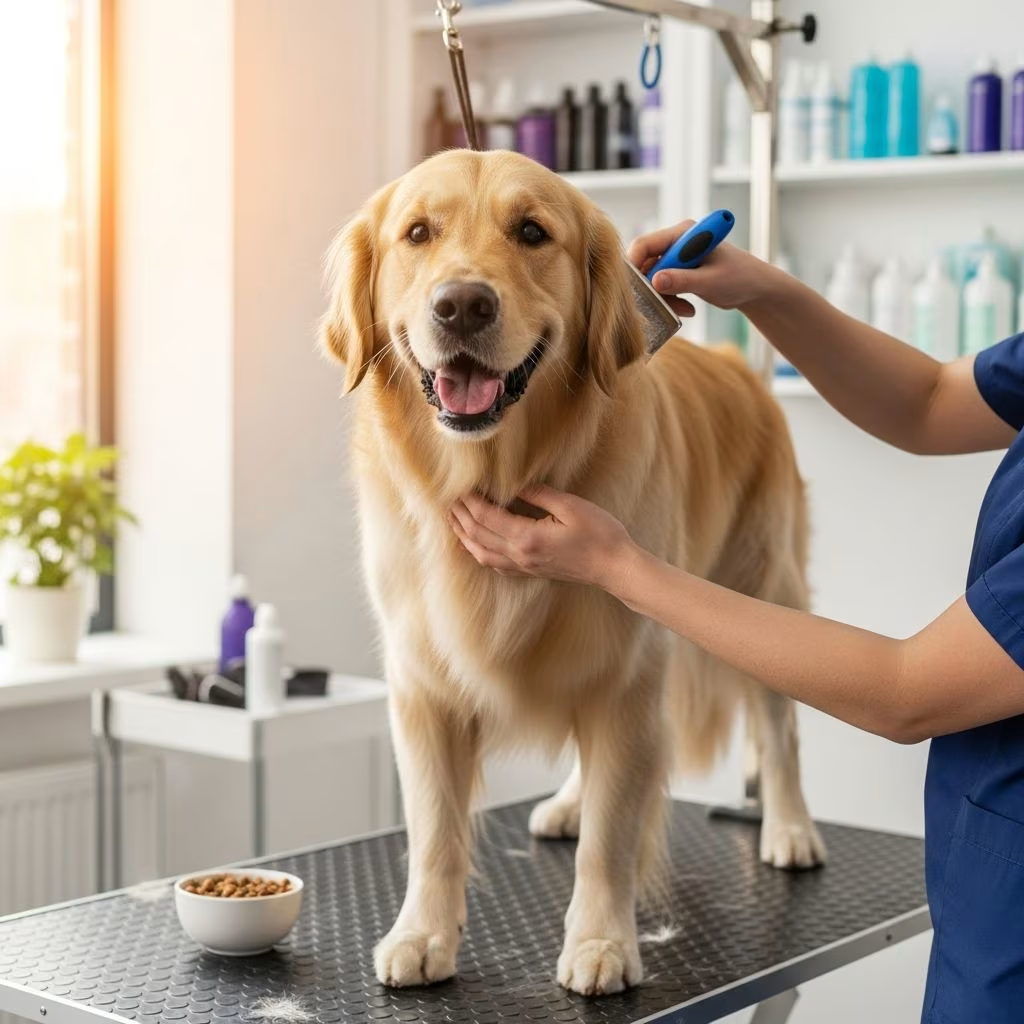
Essential maintenance tasks such as trimming nails, cleaning ears, brushing coats, and conducting health checks can transform from battles into positive experiences through targeted training. Cooperative care, also known as husbandry training, empowers dogs to voluntarily participate in these routines, reducing stress for both pet and owner while fostering a deeper bond.
Understanding the Foundations of Husbandry Training
Husbandry training focuses on teaching dogs to accept and even enjoy necessary care procedures using positive reinforcement. This approach shifts the dynamic from restraint to cooperation, leveraging short, frequent sessions to build muscle memory and positive associations. Repetition is crucial, as it helps dogs coordinate movements and anticipate rewards, much like daily exercises strengthen human habits.
Key principles include starting with tiny steps, using high-value treats, and allowing the dog to opt out at any time. This voluntary participation builds confidence and prevents fear buildup. For instance, exposing dogs gradually to tools like clippers or brushes pairs them with rewards, turning potential stressors into predictors of good things.
Building a Solid Training Routine at Home
Consistency forms the backbone of successful husbandry training. Aim for multiple brief sessions daily—ideally 2-3 minutes each—to maintain momentum without overwhelming your dog. Tools like timers ensure sessions stay short and effective, while placing equipment near everyday items (e.g., leashes or food bowls) serves as visual cues to practice.
- Track progress with a simple checklist on your fridge, noting successes in specific behaviors.
- Integrate husbandry practice with fun activities like tricks or play to keep sessions engaging.
- Introduce novel objects daily, such as keys or soft cloths, to desensitize to unexpected vet tools.
Priming your dog before sessions enhances receptivity. Offer treats or play immediately prior to handling, creating a positive mindset that influences their response.
Mastering Nail Trims: From Fear to Enthusiasm
Nail maintenance tops the list of dreaded chores for many dogs. Cooperative methods teach dogs to offer their paws willingly, eliminating the need for forceful holds. Begin by rewarding mere tolerance of paw touches, progressing to holding the foot steady and introducing clippers visually.
| Training Step | Duration Goal | Reinforcement |
|---|---|---|
| Touch paw with finger | 5 seconds | High-value treat |
| Hold paw gently | 10 seconds | Treat + praise |
| Clipper sight near paw | 20 seconds | Jackpot reward |
| Single nail trim | Full trim | Play session |
Practice in varied locations to generalize the skill, using special treats for novel environments. Dogs trained this way often station themselves for trims, associating the process with rewards.
Ear Cleaning and Oral Hygiene Made Effortless
Ears and teeth require regular attention to prevent infections and dental issues. For ears, start with head handling: teach a “chin rest” behavior where the dog places its chin on your hand or a surface, stabilizing the head for gentle cleaning.
Progress by letting the dog sniff the cleaner solution, rewarding interactions, then applying a single wipe with cotton. Sessions build duration gradually: 5, 10, then 20 seconds of contact.
For teeth, desensitize to the toothbrush by rewarding mouthing it first. Lure the mouth open with treats, then introduce brushing one tooth at a time. Intersperse with games to maintain relaxation.
Grooming Essentials: Brushing and Coat Maintenance
Regular brushing prevents mats and distributes oils. Allow investigation of the brush before light touches, clicking or treating for calm acceptance. Shape duration by rewarding longer contacts progressively.
For dogs needing scissoring or clippers, expose to sounds and vibrations from a distance, pairing with treats. Platform training shines here: teach dogs to jump onto a stable surface (like a low table or mat) designated for grooming, creating a clear context cue.
- Use boxes or steps to shape jumping for larger breeds.
- Jackpot for first successful platforms to build strong habits.
Advanced Behaviors for Vet Visits and Restraint
Prepare for professional settings with behaviors like lateral recumbency (lying on side) or table stationing. Lure into position with treats, fading the lure over repetitions.
Chin rests aid eye exams or injections without force. Teach in low-distraction areas first, then generalize. Hand targeting—pushing into your palm—keeps dogs engaged during waits.
Zen exercises promote calm: reward stillness in a designated spot before care begins, transitioning wild energy to focused relaxation.
Overcoming Common Challenges in Husbandry Training
Dogs with prior negative experiences may resist initially. Counter-condition by pairing old triggers with new rewards, starting far below threshold. If progress stalls, reduce criteria: half durations or less invasive tools.
For high-drive dogs, channel energy with pre-session play. Multi-dog homes benefit from individual training to avoid competition. Patience yields results—many owners report drama-free visits after weeks of practice.
Integrating Husbandry into Daily Life
Weave behaviors into routines: touch paws during walks or brush while watching TV. Take skills on the road early, using travel treats for vet parking lots. End sessions with play to solidify positivity.
Long-term, trained dogs seek handling, offering paws or flipping for belly access. This not only simplifies care but enhances welfare, reducing procedure-related anxiety.
Frequently Asked Questions (FAQs)
What if my adult dog hates handling?
Start smaller than you think possible. Reward eye contact with tools from afar, building trust gradually. Short, daily positives overwrite fears.
How often should I train?
2-3 sessions of 3 minutes daily, interspersed with fun. Repetition without fatigue is key.
Are treats always necessary?
High-value ones initially, fading to praise or toys as fluency grows. Motivation sustains cooperation.
Can puppies learn this?
Absolutely—early exposure via play builds lifelong ease. Use place conditioning for dedicated spots.
What tools work best for beginners?
Clickers for precise timing, soft brushes, guillotine clippers. Keep sessions tool-free at first.
Benefits Beyond Convenience
Husbandry training improves overall behavior, boosting confidence and trainability. Vets note calmer patients receive better care, potentially shortening visits. Owners gain empowerment, handling most tasks at home.
References
- Husbandry How-To’s — Bright Spot Dog Training. Accessed 2026. https://www.kathysdao.com/articles/husbandry-how-tos/
- Cooperative Husbandry: Teach Your Dog to Love a Nail Trim! — The Mannerly Dog. Accessed 2026. https://themannerlydog.com/cooperative-husbandry-teach-your-dog-to-love-a-nail-trim/
- The Husbandry Project — The Academy for Dog Trainers. 2025-01. https://academyfordogtrainers.com/wp-content/uploads/2025/01/Husbandry-Project-Plans-1.pdf
- Husbandry Training: Drama-Free Vet and Grooming Visits — Koinonia Dogs. Accessed 2026. https://www.koinoniadogs.com/blog/husbandry-training-for-dogs
- Stress-Free Husbandry Work at Home — Karen Pryor Academy. Accessed 2026. https://karenpryoracademy.com/stress-free-husbandry-work-at-home/
- Puppy Husbandry Part 1 — Deb Jones Dog Training. Accessed 2026. https://k9infocus.com/puppy-husbandry-part-1/
- How to Train Your Dog to Accept Husbandry Chores — Whole Dog Journal. Accessed 2026. https://www.whole-dog-journal.com/care/how-to-train-your-dog-to-accept-husbandry-chores/



