

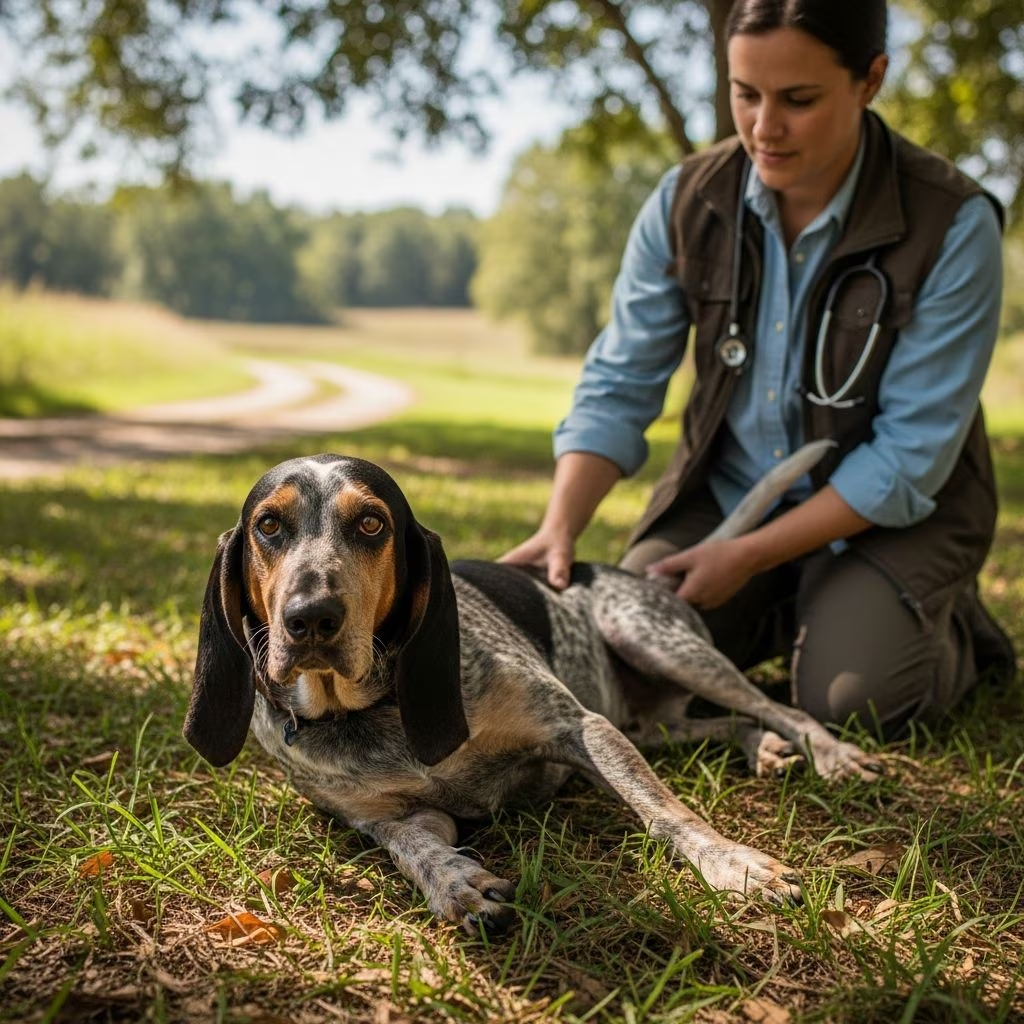
Coonhound paralysis, medically termed acute canine idiopathic polyradiculoneuritis (ACIP), is a rare neurological disorder characterized by sudden inflammation of multiple nerve roots and peripheral nerves. This condition leads to progressive weakness and paralysis, primarily affecting the limbs, and is named after coonhounds due to their frequent exposure to raccoons during hunting. Despite its name, it impacts dogs of all breeds and ages, often resolving with supportive care.
Understanding the Pathophysiology
The core issue in coonhound paralysis involves the immune system mistakenly targeting the peripheral nervous system. Inflammation assaults the myelin sheaths and axons of nerves exiting the spinal cord, disrupting signals between the brain, spinal cord, and muscles. This results in flaccid paralysis, where muscles lose tone and strength without spasticity. The process mirrors Guillain-Barré syndrome in humans, with immune cells damaging nerve coverings, leading to slowed or blocked nerve impulses. In severe instances, respiratory muscles weaken, necessitating urgent intervention.
Unlike spinal cord injuries, sensory functions like pain perception often remain intact, and tail wagging persists even in full tetraplegia, highlighting selective motor nerve involvement. Progression typically peaks within 4-10 days, with hindlimbs affected first and more severely.
Common Triggers and Risk Factors
While raccoon saliva exposure is a classic trigger—appearing 7-14 days post-contact—not all cases link to wildlife. Coonhounds and hunting dogs face higher risks due to raccoon encounters, but the saliva likely sensitizes the immune system rather than directly infecting. Other potential inciters include bacterial infections like Campylobacter from raw poultry, viral illnesses, vaccinations, or idiopathic origins. No breed exclusivity exists, though outdoor, raccoon-prone areas elevate incidence. Recurrent episodes occur without immunity buildup.
- Raccoon saliva: Primary in named cases, via bites or scratches
- Infections: Gastrointestinal or respiratory pathogens
- Vaccinations: Rare temporal associations
- Idiopathic: No identifiable cause in many dogs
Recognizing Early Symptoms
Owners often notice a stiff, stilted gait starting in the hind legs, evolving to dragging or collapse within days. Generalized weakness spreads to forelimbs, with diminished reflexes (hyporeflexia) and muscle tone (hypotonia). Affected dogs may show:
- Labored breathing if chest muscles weaken
- Altered bark or voice loss (dysphonia/aphonia)
- Facial paresis, causing incomplete blinking and dry eye risk
- Muscle atrophy from disuse
- Hyperesthesia to touch despite paralysis
Appetite and bladder/bowel control usually stay normal initially, aiding differentiation from other neuropathies. Tail movement endures, a hallmark sign.
Diagnostic Approaches
Veterinarians rely on history, clinical signs, and exclusion of differentials like tick paralysis or botulism. Key diagnostics include:
| Test | Purpose | Findings in ACIP |
|---|---|---|
| Neurological exam | Assess reflexes, tone, gait | Decreased reflexes, flaccid tetraparesis |
| Cerebrospinal fluid (CSF) analysis | Check for inflammation | Elevated protein with normal cell count (albuminocytologic dissociation) |
| Electromyography (EMG)/Nerve conduction | Evaluate nerve function | Slowed velocities, denervation potentials |
| Complete blood work | Rule out infections/metabolic issues | Usually normal |
Imaging like MRI may exclude spinal lesions, confirming peripheral nerve focus. Raccoon exposure history strengthens suspicion.
Treatment Strategies and Supportive Care
No specific cure exists; management centers on supportive measures during nerve regeneration, which can take weeks to months. Hospitalization is critical for respiratory compromise, providing oxygen or ventilation.
- Padding and positioning: Prevent pressure sores with frequent turns and soft bedding
- Manual expression: Assist urination/defecation if needed, preventing urine scald or cystitis
- Physical therapy: Passive range-of-motion exercises, slings for ambulation to combat atrophy
- Eye care: Artificial tears for facial weakness
- Nutrition: High-calorie diet to offset muscle loss
- Immunomodulation: Rare use of plasma transfusions or IVIG if autoimmune confirmed
Antibiotics treat secondary infections; pain meds address hyperesthesia. Most dogs regain function within 6 weeks, though full recovery may span months.
Prognosis and Long-Term Outcomes
Prognosis excels, with over 90% of dogs recovering fully or near-fully, even after severe paralysis. Respiratory involvement slightly worsens odds but rarely proves fatal with prompt care. Residual mild weakness or reflex deficits may linger in 10-20%. Recurrence risks exist, especially post-raccoon exposure. Early intervention boosts speed and completeness of recovery.
Prevention Tips for Dog Owners
Avoid raccoon contact by supervising outdoor time, especially at night. Cook poultry thoroughly to minimize Campylobacter risk. Post-vaccination monitoring aids early detection. Regular vet check-ups ensure baseline health for swift response.
- Leash walks in wooded areas
- Secure trash from wildlife
- Raw meat handling hygiene
- Prompt symptom reporting
Frequently Asked Questions (FAQs)
Is coonhound paralysis contagious?
No, it’s an immune-mediated condition, not transmissible between dogs or to humans.
Can my dog fully recover?
Yes, most do within weeks to months with proper care; prognosis is excellent.
What if breathing is affected?
Seek emergency vet care immediately; hospitalization may be required.
Does breed matter?
No specific breed predisposition beyond hunting dogs’ exposure risks.
How is it different from other paralyses?
Preserved pain sensation, tail wagging, and normal bladder function distinguish it.
Owner Experiences and Case Studies
Many owners report rapid progression but heartening recoveries. One case involved a Labrador post-raccoon bite developing tetraplegia; after 10 days of therapy, it walked unaided by week 4. Another idiopathic case in a Terrier resolved in 6 weeks with home physio. These underscore vigilance and support’s role.
Monitoring progression via daily logs helps vets adjust care. Community forums share rehab tips, but professional guidance is paramount.
References
- Coonhound Paralysis | VCA Animal Hospitals — VCA Hospitals. 2023. https://vcahospitals.com/know-your-pet/coonhound-paralysis
- Coonhound Paralysis (Idiopathic Polyradiculneuritis) — Apple Valley Veterinary Clinic. 2022. https://www.applevalley.vet/sites/site-4271/documents/Coonhound%20Paralysis%20(Idiopathic%20Polyradiculoneuritis).pdf
- Coonhound Paralysis In Dogs — PetMD. 2024. https://www.petmd.com/dog/conditions/neurological/c_dg_coonhound_paralysis
- Idiopathic Polyradiculoneuritis — Movement Referrals. 2023. https://movementvets.co.uk/services/neurology/neuromuscular-diseases/neuromuscular-disorders/nerve/idiopathic-polyradiculoneuritis/
- Coonhound Paralysis — Walking Paws Rehab. 2024. https://www.walkingpawsrehab.com/coonhound-paralysis/
- Coonhound Paralysis Fortunately Rare — University of Illinois College of Veterinary Medicine. 2023. https://vetmed.illinois.edu/pet-health-columns/coonhound-paralysis-dogs/
- Two cases of acute polyradiculoneuritis in dogs consuming a raw meat-based diet — PMC (PubMed Central). 2021-04-20. https://pmc.ncbi.nlm.nih.gov/articles/PMC8025411/



