

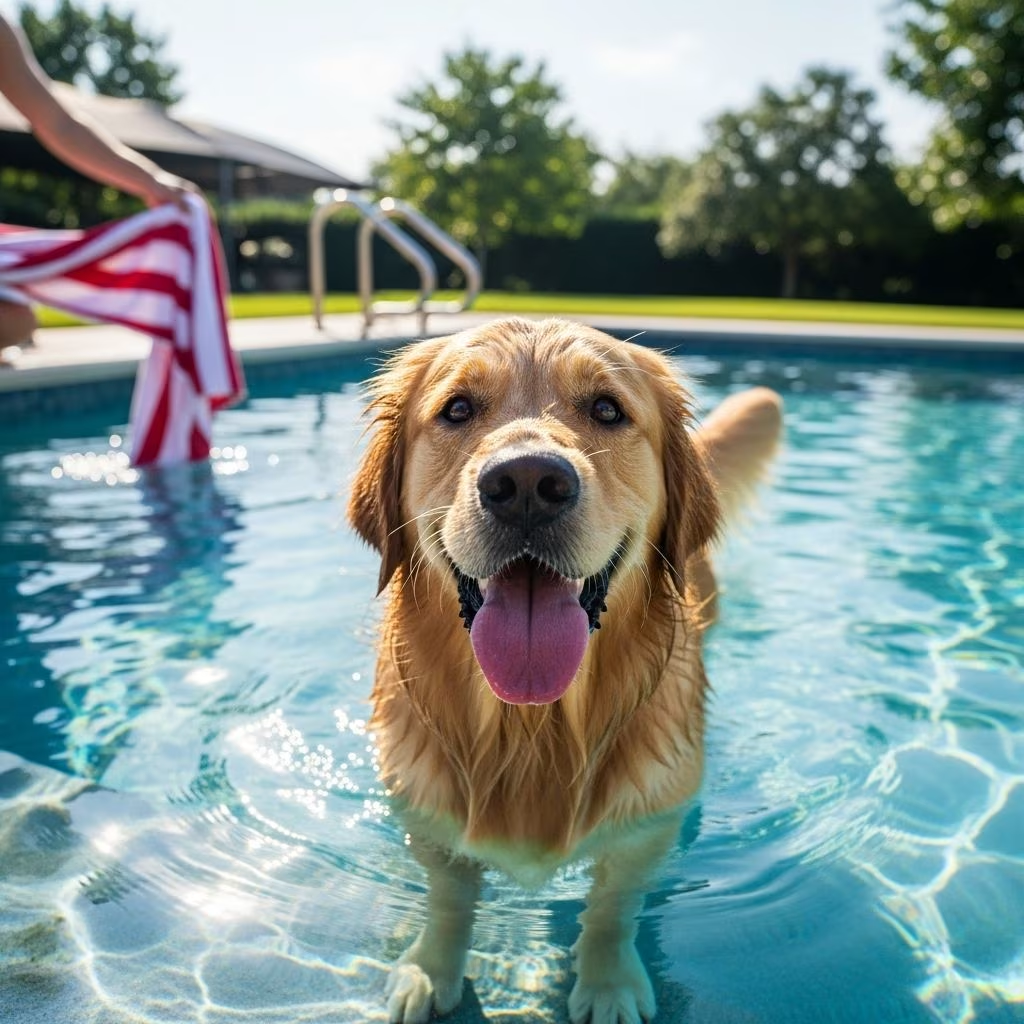
Dogs rely on their owners to protect them from extreme heat, as they cannot sweat like humans and are prone to dangerous overheating. Understanding how to cool a dog effectively can prevent life-threatening conditions like heatstroke, which requires immediate action.
Why Dogs Overheat So Quickly
Dogs primarily regulate temperature through panting, which becomes inefficient in high humidity or during intense activity. Brachycephalic breeds like Bulldogs and Pugs face higher risks due to narrowed airways, while overweight or elderly dogs also struggle more. Environmental factors such as hot pavement, enclosed cars, and direct sunlight exacerbate the issue, potentially raising a vehicle’s interior to lethal levels within minutes.
Recognizing the Warning Signs of Overheating
Early detection is crucial. Watch for excessive panting, bright red gums, drooling, lethargy, vomiting, diarrhea, or collapse. Body temperature above 103°F signals trouble, escalating to 106°F or higher for severe heatstroke, which damages organs and can be fatal without prompt intervention.
- Excessive panting: Rapid, open-mouth breathing beyond normal exertion.
- Behavioral changes: Restlessness, weakness, or disorientation.
- Physical symptoms: Hot ears, rapid heartbeat, or glazed eyes.
Immediate Steps to Cool an Overheated Dog
If you suspect overheating, act fast but avoid common mistakes like ice baths, which constrict blood vessels and trap heat. Instead, relocate to a shaded, cool area and use room-temperature water.
- Move the dog to shade or air-conditioned space.
- Soak with lukewarm water on the head, torso, armpits, and groin.
- Direct a fan toward the wet fur to enhance evaporation.
- Offer small sips of cool water if conscious, but never force it.
- Rush to a vet; home cooling boosts survival from 50% to 80% when followed by professional care.
Avoid rubbing alcohol on paws despite old advice, as it irritates skin and poses risks. Monitor rectal temperature if possible, stopping cooling at 103°F to prevent hypothermia.
Professional Veterinary Interventions
At the clinic, expect IV fluids for hydration, medications to curb vomiting and seizures, oxygen therapy, and monitoring of vital signs like heart rate and blood pressure. Severe cases may involve plasma transfusions or anti-arrhythmics. Prognosis varies by response speed; early treatment improves outcomes significantly.
| Symptom Severity | Treatment Focus | Monitoring |
|---|---|---|
| Mild (103-105°F) | Fluids, cooling | Temperature, hydration |
| Severe (>106°F) | IV meds, oxygen, transfusions | Brain swelling, organ function |
Proven Prevention Strategies for Summer
Proactive habits keep dogs safe year-round, especially in humid climates.
- Schedule walks for dawn or dusk, avoiding midday heat.
- Provide constant shade and fresh water, adding ice cubes for chill.
- Never leave dogs in cars—even 70°F outside can hit 100°F inside rapidly.
- Use cooling mats, vests, or kiddie pools for playtime relief.
- Groom thick-coated breeds and check paw pads for burns on asphalt.
High-risk dogs benefit from restricted exercise and indoor AC during peaks.
Best Cooling Tools and Products
Invest in vet-recommended gear:
- Cooling vests: Absorb heat during outings.
- Portable fans: Battery-powered for hikes.
- Frozen treats: Low-cal frozen broth in toys.
- Chilled bowls: Insulated to keep water cold.
Combine with shaded yards featuring misters or shallow pools for enrichment.
Breed-Specific Heat Management
Tailor care to vulnerabilities:
| Breed Type | Key Risks | Cooling Tips |
|---|---|---|
| Brachycephalic (Pugs, Boxers) | Airway restriction | Minimal exercise, constant water |
| Thick-coated (Huskies) | Insulation overload | Shaving avoided; fans essential |
| Seniors/Obese | Reduced efficiency | Indoor-only hot days |
FAQs on Dog Heat Safety
Can dogs get heatstroke below 80°F?
Yes, humidity and confinement amplify risks, even in moderate temps.
Is a wet towel enough to cool my dog?
Only if fanned; stagnant wet cloths trap heat.
How long does heatstroke recovery take?
Days to weeks with monitoring; some suffer lasting organ damage.
Should I shave my double-coated dog?
No, it removes protection; trim minimally.
What if my dog refuses water when hot?
Flavor with broth; seek vet if persistent.
Long-Term Health Benefits of Heat Vigilance
Consistent prevention reduces chronic issues like kidney strain or heart problems. Track your dog’s heat tolerance via apps or journals, adjusting routines seasonally. Educate family on signs, ensuring collective responsibility.
For multi-dog homes, isolate overheating pups to prioritize care. Annual vet checkups assess breed risks, prescribing tailored plans.
References
- Heat Stroke in Dogs — VCA Animal Hospitals. 2023. https://vcahospitals.com/know-your-pet/heat-stroke-in-dogs
- Heatstroke in Dogs: Signs, Treatment, and Prevention — PetMD. 2023. https://www.petmd.com/dog/conditions/systemic/heatstroke-dogs
- Heat Stroke in Pets: Symptoms, Emergency Care, and Prevention — Animal Medical Center Plainfield. 2023. https://www.animalmedicalcenterplainfield.com/blog/heat-stroke-in-pets-symptoms-emergency-care-and-prevention
- Heat Stroke in Dogs: Causes, Symptoms, and Treatment — VEG. 2023. https://www.veg.com/post/dog-heat-stroke
- Keeping Dogs Cool For The Summer To Prevent Heatstrokes — Texas A&M University. 2023-07-27. https://stories.tamu.edu/news/2023/07/27/keeping-dogs-cool-for-the-summer-to-prevent-heatstrokes/
- Heatstroke: A medical emergency — Cornell University College of Veterinary Medicine. 2023. https://www.vet.cornell.edu/departments-centers-and-institutes/riney-canine-health-center/canine-health-information/heatstroke-medical-emergency



