

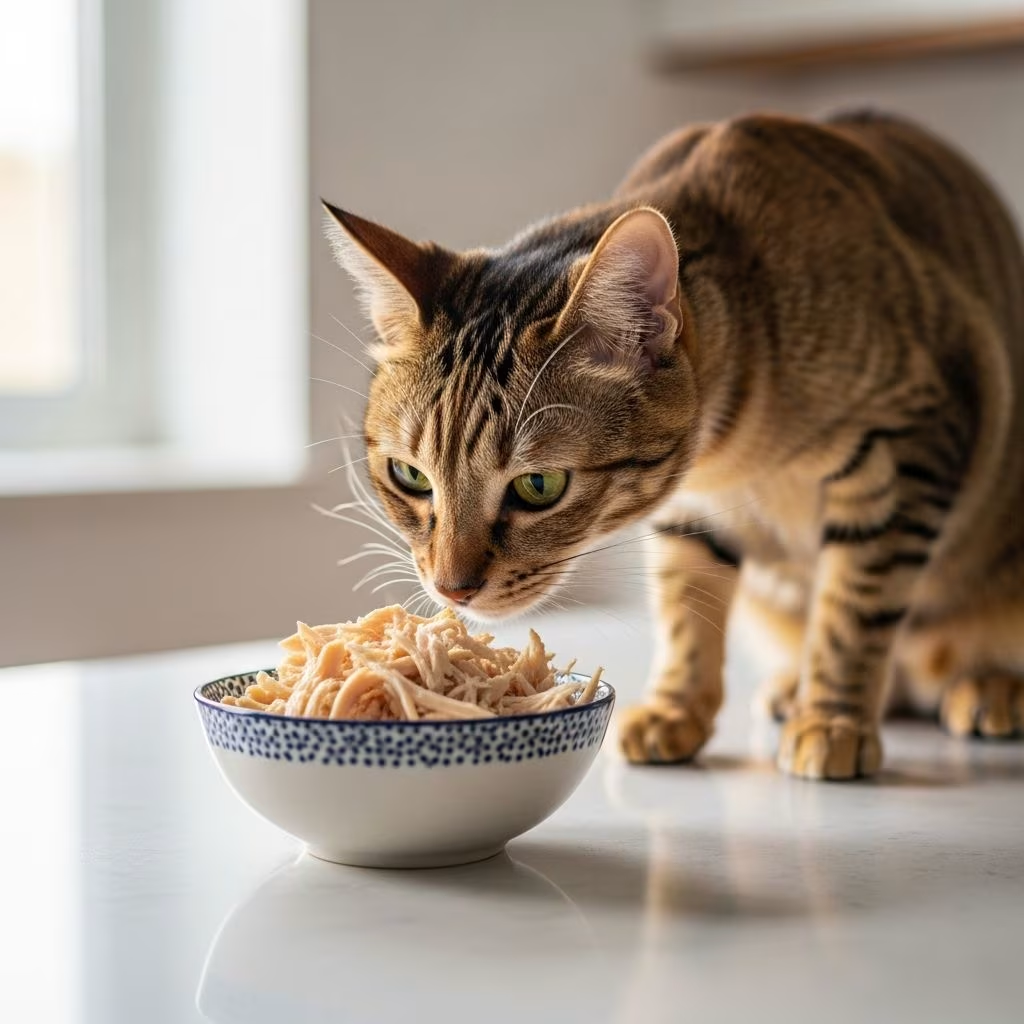
Is Cooked Chicken Good for Cats with Hyperthyroidism?
Cooked chicken can be a beneficial addition to a hyperthyroid cat’s diet, as it provides high-quality protein and essential nutrients that support muscle maintenance and overall health. However, whether your cat can safely consume cooked chicken depends significantly on which treatment method your veterinarian has chosen for managing the hyperthyroidism. The answer is nuanced and requires understanding both the nutritional needs of hyperthyroid cats and the specific constraints of different treatment protocols.
Understanding Feline Hyperthyroidism
Hyperthyroidism is one of the most common endocrine disorders in older cats, occurring when the thyroid gland produces excessive thyroid hormones. This condition leads to a dramatically increased metabolic rate, causing affected cats to lose significant weight and lean muscle mass despite often having an increased appetite. Cats with untreated hyperthyroidism experience rapid deterioration in body condition, muscle wasting, and potential complications affecting multiple organ systems, particularly the kidneys and heart.
The metabolic chaos created by hyperthyroidism fundamentally alters a cat’s nutritional requirements. Unlike healthy adult cats, hyperthyroid felines need substantially more protein and calories to compensate for their hypermetabolic state. This is where cooked chicken becomes particularly valuable, as it delivers concentrated protein in a highly digestible form.
Nutritional Profile of Cooked Chicken
Cooked chicken is nutritionally impressive for feline diets. A typical serving of cooked chicken contains approximately 27 grams of protein per 100 grams, with minimal carbohydrates and only 3.6 grams of fat. This makes it an excellent source of complete protein containing all essential amino acids that cats require.
Beyond basic protein content, chicken provides several micronutrients crucial for hyperthyroid cats:
- Taurine and arginine—amino acids that support immune function and cardiovascular health
- Selenium and zinc—minerals that combat fatigue and support metabolic function
- B vitamins—essential for energy production and metabolic processes
- Essential amino acids—supporting muscle tissue repair and maintenance
These nutritional components directly address the primary health challenges faced by hyperthyroid cats: muscle wasting, immune system compromise, and metabolic instability.
Treatment-Dependent Feeding Protocols
The critical factor determining whether cooked chicken is appropriate for your hyperthyroid cat is the specific treatment method chosen. Treatment approaches create different dietary constraints and nutritional strategies.
Iodine-Restricted Diet Treatment
When a cat is treated with an iodine-restricted prescription diet such as Hill’s Prescription Diet y/d Thyroid Care, the situation becomes considerably more restrictive. These prescription diets work by limiting iodine intake to 0.32 parts per million or less, which prevents the thyroid gland from producing excessive hormones. Clinical studies demonstrate that within three weeks of beginning such a diet, T4 thyroid hormone levels begin decreasing, and within several months, they often normalize without additional medications.
Critical limitation: Cats on iodine-restricted prescription diets cannot consume any foods other than their prescribed diet. This includes absolutely no treats, no people food, no table scraps, and no supplemental cooked chicken—even iodine-restricted chicken would disrupt the carefully calibrated iodine balance essential for treatment success. Any deviation, including adding cooked chicken, can undermine the therapeutic effectiveness of the iodine-restricted approach.
This restriction exists because while cooked chicken prepared at home might theoretically contain lower iodine than many commercial foods, standard chicken contains environmental iodine that cannot be reliably controlled without raising the birds on an iodine-deficient diet. For cats strictly following iodine-restricted therapy, dietary adherence is non-negotiable.
Alternative Treatment Methods
Cats treated with radioactive iodine therapy, methimazole medication, or thyroidectomy (surgical removal of thyroid tissue) operate under very different nutritional guidelines. These treatment modalities do not rely on dietary iodine restriction and therefore allow for supplemental cooked chicken and other protein sources.
For cats undergoing these alternative treatments, cooked chicken becomes an excellent dietary addition. These cats benefit significantly from high-protein, high-energy foods that support weight gain and muscle mass recovery. The metabolism-driven weight loss experienced during active hyperthyroidism often persists even after hormone levels are controlled, making extra protein crucial for restoration.
Optimal Dietary Composition for Hyperthyroid Cats
Veterinary nutrition research reveals that hyperthyroid cats thrive on diets that approximate their natural carnivorous diet composition. The ideal macronutrient breakdown for hyperthyroid cats includes:
| Nutrient Component | Target Percentage | Rationale |
|---|---|---|
| Protein | 50-60% of calories | Combat protein catabolism and muscle wasting |
| Carbohydrates | Less than 10% of calories | Reduce diabetes risk and improve insulin sensitivity |
| Fat | 30-50% of calories | Provide energy density and support absorption of fat-soluble vitamins |
Cooked chicken aligns perfectly with these nutritional targets, providing concentrated protein with minimal carbohydrates. The challenge with many commercial cat foods—particularly dry kibble—is excessive carbohydrate content and insufficient protein, making cooked chicken a superior supplemental option.
Wet Food vs. Dry Food Considerations
Most veterinary nutritionists recommend that hyperthyroid cats consume primarily wet or canned food rather than dry kibble. The high water content in wet food provides multiple benefits for hyperthyroid cats, including counterbalancing the tendency to overproduce urine due to elevated thyroid hormone levels and improving overall hydration status.
When adding cooked chicken to a hyperthyroid cat’s diet (when permitted by their treatment protocol), it should be incorporated as part of a wet food regimen. Plain cooked chicken—boiled without seasoning, salt, or added fats—can be mixed into wet food or offered separately. Always ensure your cat has unrestricted access to clean, fresh water, as hyperthyroid cats have increased water requirements.
Feeding Guidelines for Cooked Chicken
If your hyperthyroid cat’s treatment protocol permits supplemental feeding with cooked chicken, follow these evidence-based guidelines:
- Preparation: Cook chicken by boiling or baking without added salt, seasonings, oils, or butter. Avoid seasoned or rotisserie chicken, as added ingredients may contain problematic iodine levels or excess sodium.
- Portion Control: At least one serving of canned chicken per day has been reported as beneficial, though exact portions should align with your cat’s overall caloric needs. Consult with your veterinarian about appropriate portion sizes for your individual cat.
- Frequency: Cooked chicken can be offered daily as part of a high-protein feeding strategy. Some owners successfully feed their hyperthyroid cats multiple small meals throughout the day, incorporating cooked chicken in rotation with prescription foods.
- Integration: Mix cooked, shredded chicken with wet food to enhance palatability and protein content. Some cats prefer chicken offered separately; follow your cat’s preferences to ensure adequate food consumption.
- Hydration: Always add extra water to food to maximize fluid intake, particularly important for hyperthyroid cats at risk for kidney disease.
- Ad Libitum Feeding: Offer food ad libitum (free-feeding) when possible, as hyperthyroid cats require consuming as much food as they can manage to maintain body weight and muscle mass.
Monitoring and Supplementation Strategy
Cats treated for hyperthyroidism through methods other than iodine restriction often benefit from a comprehensive nutritional strategy. Beyond cooked chicken, consider these complementary nutritional supports:
- L-carnitine supplementation: This amino acid may block some actions of excessive thyroid hormone and improve quality of life during the treatment period
- Additional B vitamins: Support energy metabolism and recovery
- Salmon oil: Provides omega-3 fatty acids supporting heart and kidney health
- Antioxidant vitamins: Vitamins C and E support immune function during the stress of hyperthyroidism
Always consult with your veterinarian before introducing supplements to ensure they complement your cat’s specific treatment protocol.
Kidney Function Considerations
Many hyperthyroid cats, particularly older felines, develop concurrent chronic kidney disease. While high protein is beneficial for hyperthyroid cats without kidney compromise, cats with diagnosed kidney disease may require more moderate protein levels to prevent symptom progression. Blood work monitoring kidney function (blood urea nitrogen, creatinine, and phosphorus levels) is essential for cats with both conditions. Your veterinarian may recommend a modified approach balancing thyroid management with renal protection.
Weight Management Considerations
While hyperthyroid cats typically lose weight due to their hypermetabolic state, some cats are overweight at the time of hyperthyroidism diagnosis. In these cases, unrestricted caloric intake is not recommended despite the metabolic demands of hyperthyroidism. Work with your veterinarian to establish appropriate portion sizes and feeding frequency that support treatment success while managing body weight appropriately.
Frequently Asked Questions
Q: Can I give my hyperthyroid cat cooked chicken if they’re on Hill’s y/d prescription diet?
A: No. Cats on iodine-restricted prescription diets like Hill’s y/d cannot consume any supplemental foods, including cooked chicken, as this disrupts the precise iodine balance necessary for treatment. Strict diet compliance is essential for treatment success.
Q: How much cooked chicken should I feed my hyperthyroid cat daily?
A: At least one serving of canned chicken daily has been reported as beneficial by cat owners, but exact portions depend on your cat’s overall caloric needs and treatment protocol. Consult your veterinarian for personalized portion recommendations.
Q: Is boiled chicken better than baked chicken for hyperthyroid cats?
A: Both boiling and baking are suitable preparation methods. The key is avoiding added salt, seasonings, oils, or butter. Choose whichever method your cat prefers, ensuring the chicken is plain and cooked thoroughly.
Q: Can cooked chicken help with weight loss in overweight hyperthyroid cats?
A: High-protein foods like cooked chicken support lean muscle maintenance, which is beneficial for overweight hyperthyroid cats. However, portion control remains important—work with your veterinarian to establish appropriate feeding amounts that manage both thyroid disease and weight.
Q: What should I do if my hyperthyroid cat refuses the prescribed diet?
A: If your cat refuses their prescribed diet and your veterinarian permits supplemental feeding, gradually transitioning to more nutritionally appropriate foods, including cooked chicken, may work. However, if your cat is on iodine-restriction therapy, dietary compliance cannot be compromised.
Q: Are there other meat sources besides chicken for hyperthyroid cats?
A: Yes. Cooked turkey, beef, and other meats can provide similar nutritional benefits when your treatment protocol permits supplemental feeding. However, avoid seafood due to naturally high iodine content, which can counteract hyperthyroidism treatment.
Q: Should hyperthyroid cats eat wet or dry food?
A: Wet or canned food is strongly recommended for hyperthyroid cats due to its high water content, which improves hydration and counterbalances increased urination. Most dry kibble contains too many carbohydrates and insufficient protein for optimal management.
References
- Is Cooked Chicken a Good Dietary Option for Cats with Hyperthyroidism — Pet Supermarket. 2024. https://petsupermarket.shop/blogs/news/is-cooked-chicken-good-for-cats-with-hyperthyroidism
- The Best Diet to Feed Hyperthyroid Cats — Endocrine Veterinary Clinic. 2011. https://endocrinevet.blogspot.com/2011/09/best-diet-to-feed-hyperthyroid-cats.html
- Is There a Special Diet for Hyperthyroidism in Cats? — PetMD. 2025. https://www.petmd.com/cat/nutrition/there-special-diet-hyperthyroidism-cats
- Feeding My Hyperthyroid Cat — Feline Hypertrophic Cardiomyopathy. 2024. https://www.felinehtc.com/feeding-my-hyperthyroid-cat
- Are Chicken and Rice for Cats with Tummy Issues a Good Idea? — Untamed. 2024. https://untamed.com/blogs/nutrition/chicken-and-rice-for-cats
- Ultimate Guide: Hyperthyroidism — My Pet Nutritionist. 2024. https://mypetnutritionist.com/post/the-ultimate-guide-hyperthyroidism/



