

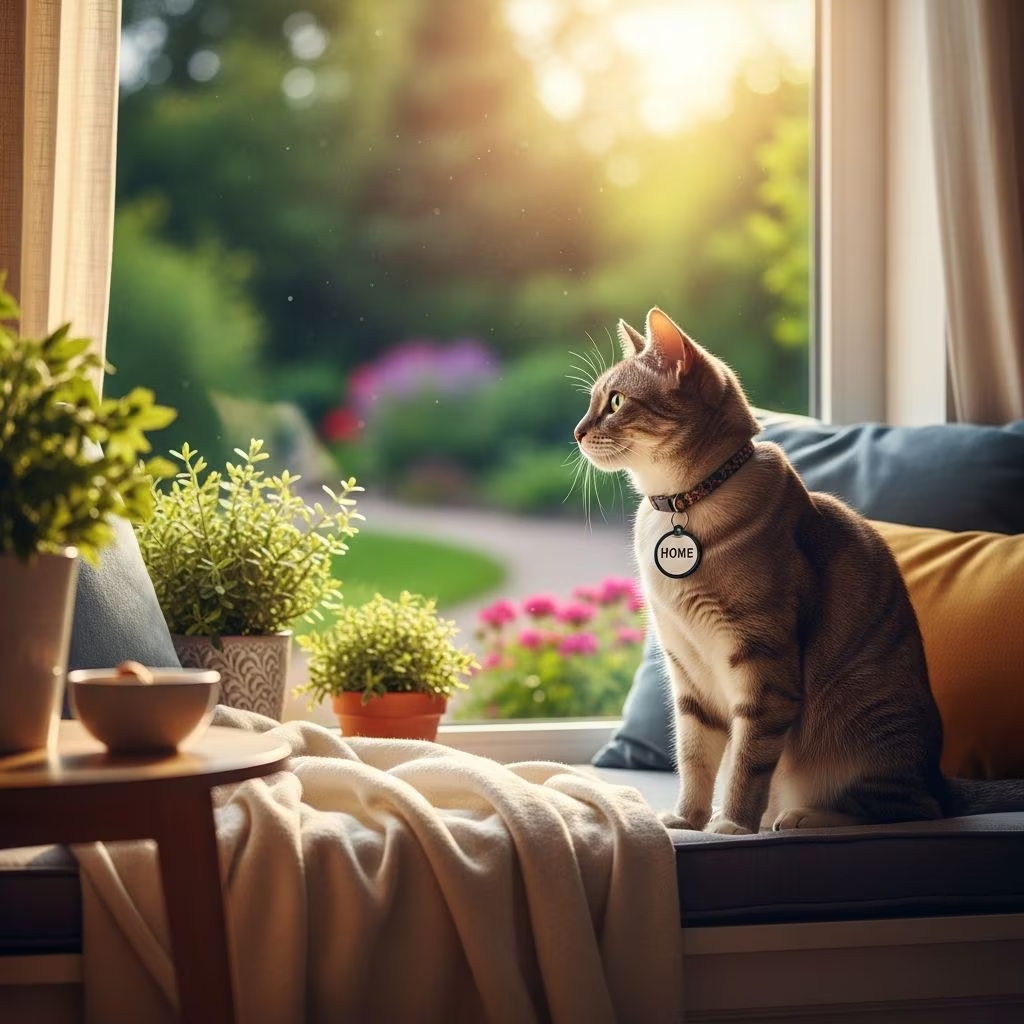
Converting Outdoor Cats to Indoor Cats: A Complete Guide
Transitioning an outdoor cat to indoor living is a significant change that requires patience, planning, and understanding of feline behavior. Whether you’re bringing a stray cat into your home, moving to an area where outdoor access isn’t safe, or simply wanting to protect your cat from outdoor hazards, this guide will help you navigate the conversion process successfully. Indoor cats live longer, healthier lives with fewer risks from traffic, predators, and diseases, making this transition valuable for your pet’s wellbeing.
Understanding Why Indoor Living is Beneficial
Outdoor cats face numerous dangers including vehicular accidents, predatory animals, infectious diseases, parasites, and exposure to harsh weather conditions. According to feline behavior experts, indoor cats typically live 12-18 years or longer, while outdoor cats average only 2-5 years. By converting your outdoor cat to indoor living, you’re providing a safer environment that extends their lifespan and reduces health risks significantly.
Indoor cats also eliminate the risk of them hunting wildlife, which addresses ecological concerns about outdoor cat predation. Additionally, keeping cats indoors prevents them from getting lost, stolen, or injured in territorial disputes with other animals.
Preparing Your Home for an Indoor Cat
Creating a Safe Environment
Before bringing your outdoor cat inside, ensure your home is cat-proofed and welcoming. Start by identifying and securing potential escape routes such as windows, doors, and vents. Install window screens and ensure doors close securely. Remove toxic plants, secure electrical cords, and store hazardous chemicals safely away from your cat’s reach.
Essential Indoor Setup
Provide the following essentials in your home:
- Multiple litter boxes (at least one per cat, plus one extra)
- Scratching posts and pads to satisfy natural scratching instincts
- Climbing trees and vertical spaces for enrichment
- Window perches for bird watching and natural light
- Hiding spots and safe spaces where the cat can retreat
- Food and water bowls in quiet locations away from the litter box
- Interactive toys and puzzle feeders
Litter Box Training
Most cats naturally use litter boxes due to their instinctive cleanliness. Place your outdoor cat in the litter box immediately upon arrival and after meals, naps, and playtime. Watch for signs that your cat needs to use the bathroom, such as sniffing, circling, or squatting, and place them in the litter box immediately. Reward successful use with praise and treats to reinforce the behavior. Position litter boxes in quiet, accessible locations away from food and water dishes.
The Transition Process: Step-by-Step
Step 1: Start with a Designated Room
Begin the transition by confining your cat to a single room—ideally a bedroom or bathroom—that contains all their essentials: litter box, food, water, toys, and hiding spots. This contained environment helps reduce stress and allows your cat to adjust to indoor living gradually. Keep your cat in this room for several days to a week while they acclimate to the indoors and become comfortable with their new surroundings.
Step 2: Gradual Expansion
Once your cat seems comfortable and confident in their designated room, gradually expand their access to other areas of your home. Open doors to adjacent rooms one at a time, allowing your cat to explore at their own pace. This measured approach prevents overwhelming your outdoor cat with too much space too quickly.
Step 3: Modify Feeding Routines
If you’ve been feeding your cat outdoors, transition to indoor feeding immediately. This removes the incentive for your cat to go outside and helps establish new indoor routines. Feed your cat on a consistent schedule indoors, and never use outdoor feeding as a temporary access point.
Step 4: Window and Door Management
Your outdoor cat may attempt escape at windows and doors out of habit or curiosity. Install secure screens and consider window safety locks. Supervise your cat near doors, and train them to respond to recall commands before allowing them near exit points. Use positive reinforcement when your cat moves away from doors voluntarily.
Training Techniques for Indoor Adjustment
Positive Reinforcement Training
Positive reinforcement is the most effective training method for cats and builds trust while encouraging desired behaviors. When your cat displays appropriate indoor behaviors—using the litter box, scratching appropriate surfaces, or staying away from windows—reward them immediately with treats, affection, or playtime. This approach creates positive associations with indoor living.
Clicker Training for Specific Behaviors
Clicker training uses a clicking sound to mark the exact moment your cat performs a desired behavior, followed immediately by a reward. Research shows that shelter cats can learn new behaviors through clicker training, with 79% successfully learning target-touching behavior over a two-week period. Use clicker training to teach your outdoor cat commands like “stay,” “come,” or to redirect them away from doors and windows.
Establishing Consistent Routines
Cats respond best to consistent and patient training approaches. Create predictable daily routines for feeding, playtime, and training sessions. Short, frequent training sessions of five minutes are more effective than longer sessions, as cats tire easily and may become frustrated. If your cat shows signs of overstimulation during training—tail flicking, ear flattening, or walking away—give them a break and try again later with a higher-value treat.
Verbal Communication and Discipline
When your cat exhibits unwanted behavior, use calm, firm verbal communication rather than punishment. Use a loud, firm “No” in a warning tone without yelling or scaring your cat. The goal is to teach appropriate behavior, not to create fear or anxiety. Never use harsh punishments, as they damage trust and lead to behavioral issues.
Managing Stress and Behavioral Challenges
Understanding Outdoor Cat Stress
Outdoor cats accustomed to freedom and stimulation may experience stress during the indoor transition. Signs of stress include excessive meowing, destructive behavior, eliminating outside the litter box, or attempting escape. These behaviors are normal and typically diminish as your cat adjusts. Patience and consistency are essential during this period.
Addressing Escape Attempts
Your cat may try to escape through doors and windows out of habit or instinct. Never punish escape attempts; instead, redirect your cat’s energy toward indoor enrichment. When your cat approaches a door, offer them an engaging toy or interactive play session. Use positive reinforcement when they move away from exits voluntarily.
Managing Over-Stimulation
Cats can become overstimulated quickly, especially those transitioning from outdoor freedom. Watch for signs of overstimulation such as rapid tail twitching, dilated pupils, or skin rippling. If you notice these signs during training or play, give your cat a break and allow them to calm down in a quiet space.
Environmental Enrichment Strategies
Vertical Spaces and Climbing
Provide cat trees, wall-mounted shelves, and climbing structures to give your indoor cat vertical territory. Outdoor cats are accustomed to exploring varied terrain; vertical enrichment satisfies this need indoors and provides exercise and mental stimulation.
Window Perches and Bird Watching
Place comfortable perches near windows where your cat can watch birds, squirrels, and outdoor activity. This “cat TV” provides mental enrichment and satisfies predatory instincts without requiring outdoor access. Bird feeders positioned near your window encourage wildlife activity to watch.
Interactive Toys and Play Sessions
Schedule daily interactive play sessions using wand toys, laser pointers, or feather toys. These sessions provide physical exercise, mental stimulation, and help tire your cat, reducing stress and destructive behavior. Rotate toys regularly to maintain interest and novelty.
Puzzle Feeders and Food Enrichment
Use puzzle feeders and food-dispensing toys to make mealtime more engaging. These tools provide mental stimulation and slow eating, which promotes better digestion and extends the enrichment value of feeding time.
Scratching Posts and Surfaces
Provide multiple scratching posts, pads, and furniture covered with sisal rope or carpet. Place scratching surfaces near areas where your cat spends time, and reward scratching on appropriate surfaces with praise and treats. This prevents furniture damage and provides necessary physical exercise.
Harness and Leash Training
Introduction to Harness Wear
For outdoor cats struggling with full indoor confinement, harness and leash training offers a compromise. Start by introducing the harness indoors without pressure. Let your cat inspect the harness and become familiar with it through exploration. Once your cat seems curious or comfortable, put the harness on for short periods while you’re present, giving lots of treats and praise to create positive associations.
Building Harness Tolerance
Gradually increase the amount of time your cat wears the harness by repeating short sessions multiple times daily for one to two weeks. Only attempt leash walking once your cat is completely comfortable wearing the harness indoors and shows no signs of distress.
Supervised Outdoor Access
Once harness-trained, you can provide supervised outdoor time on a leash in a secure area. This allows your outdoor cat to experience outdoor stimuli—fresh air, scents, and natural light—while maintaining safety and control.
Tools and Equipment for Training Success
Training Tools
Several tools enhance your training effectiveness:
- Clicker: A small device that makes a clicking sound to mark desired behavior
- Target Sticks: Fixed or extendable sticks that teach cats to touch a target, useful for redirecting behavior
- High-Value Treats: Small, tasty rewards that motivate your cat during training
- Wand Toys: Interactive toys attached to strings for engaging play sessions
- Training Stick: Used to guide your cat into positions like sitting
Environmental Tools
Behavior-specific tools help address particular training goals. For example, small mats or designated spots help teach location-specific behaviors, while jumping obstacles support agility training. Cat dishes can be used for pattern games and training exercises.
Timeline and Expectations
The conversion timeline varies based on your cat’s age, previous outdoor experience, and temperament. Younger cats typically adapt faster than older cats with extensive outdoor experience. Most outdoor cats show significant adjustment within 2-4 weeks, though complete comfort may take 2-3 months. Some cats adjust within days, while others require 6 months or longer.
Expect setbacks during the adjustment period, including escape attempts, litter box issues, or behavioral changes. These are normal responses to environmental change and typically resolve with consistent management and positive reinforcement.
Health Considerations
Before or immediately after transitioning your outdoor cat indoors, schedule a veterinary examination. Your veterinarian can assess your cat’s health, check for parasites, update vaccinations, and discuss appropriate indoor nutrition. Indoor cats typically require fewer calories than outdoor cats due to reduced activity, so dietary adjustments may be necessary to maintain healthy weight.
Frequently Asked Questions
Q: Will my outdoor cat be unhappy living indoors?
A: While adjustment takes time, most indoor cats thrive with proper enrichment, play opportunities, and environmental stimulation. Cats adapt well to indoor living when their physical and mental needs are met through toys, climbing structures, and interactive play sessions.
Q: How long does the conversion process take?
A: Most outdoor cats show significant adjustment within 2-4 weeks, though complete comfort may take 2-3 months. Individual timelines vary based on age, experience, and temperament.
Q: What if my cat tries to escape?
A: Redirect escape attempts through enrichment and positive reinforcement. Never punish escape attempts, as this creates fear and increases stress. Instead, offer engaging toys and reward your cat when they move away from exits voluntarily.
Q: Can I let my converted indoor cat outside sometimes?
A: Once fully converted to indoor living, occasional outdoor access can be stressful and may trigger escape attempts. If outdoor time is desired, harness and leash training provides a safer alternative that maintains control.
Q: Should I use punishment to prevent unwanted behaviors?
A: No. Punishment causes fear, anxiety, and stress, damaging your relationship with your cat. Use positive reinforcement to encourage desired behaviors and redirect unwanted behaviors toward appropriate alternatives.
Q: How many litter boxes do I need?
A: Provide at least one litter box per cat, plus one extra. For a single converted outdoor cat, two boxes positioned in different areas prevents litter box aversion and territorial issues.
Q: What if my cat won’t use the indoor litter box?
A: Place your cat in the litter box frequently, especially after meals and naps. Use positive reinforcement for successful use. If problems persist, try different litter types, box styles, or locations to find your cat’s preference.
References
- Ultimate Guide to Cat Training — OutdoorBengal. https://www.outdoorbengal.com/blogs/clicker-training-cats/cat-training-guide
- Mastering the Art of Cat Training: Tips and Techniques — The International Cat Association (TICA). https://tica.org/blogs/mastering-the-art-of-cat-training-tips-and-techniques/
- Cat Training Tips and Tricks — Pet Assure. https://www.petassure.com/maxscorner/cat-training-tips-and-tricks/
- How to Train a Cat — British Psychological Society. https://www.bps.org.uk/psychologist/how-train-cat
- Train Your Cat for Enrichment and Fun — Feline Behavior Solutions. https://felinebehaviorsolutions.com/train-your-cat/
- How to Train Cats and Kittens — A House We Built. https://www.ahousewebuilt.com/cat-training-tips/
- Building The Best Cat Training Toolbox — Class Act Cats. https://classactcats.com/blog/training/



