

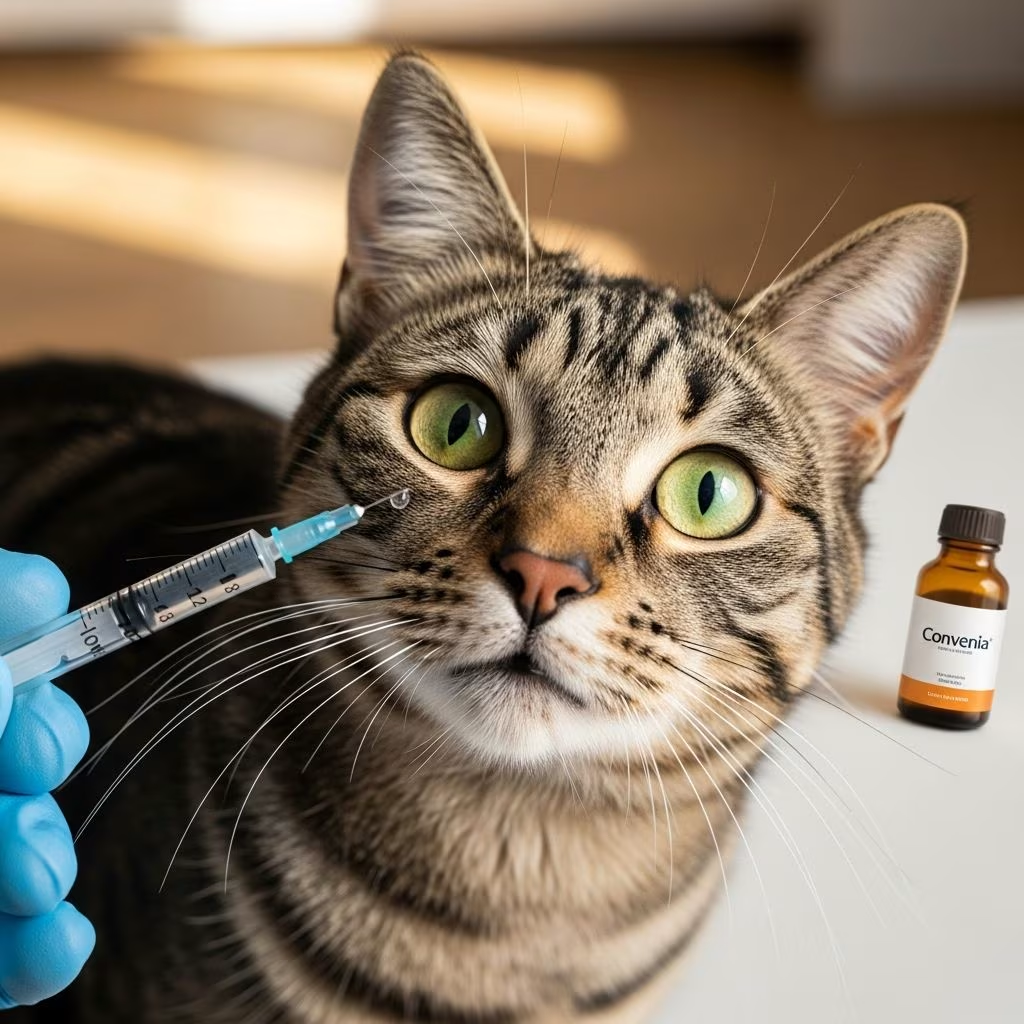
Convenia (cefovecin sodium) is a long-acting injectable antibiotic approved for use in cats to treat specific bacterial skin infections, particularly those caused by susceptible strains of Pasteurella multocida, such as abscesses and wounds. Administered as a single subcutaneous injection by a veterinarian, it provides up to 14 days of continuous antibiotic coverage, eliminating the need for daily pills and improving treatment compliance.
This third-generation cephalosporin works by disrupting the bacterial cell wall synthesis, leading to bacterial death. It binds to plasma proteins after injection, ensuring sustained therapeutic levels in tissues for the full treatment duration. While highly convenient, Convenia should be used judiciously due to its broad-spectrum nature and potential for side effects.
What Is Convenia?
Convenia is the brand name for cefovecin sodium, a prescription-only antibiotic developed by Zoetis (formerly Pfizer Animal Health). First FDA-approved in 2008, it marked a breakthrough as the first single-dose, long-acting antibiotic for common skin infections in dogs and cats. For cats, it is specifically indicated for subcutaneous abscesses, wounds, and bacterial dermatitis caused by Pasteurella multocida.
Unlike oral antibiotics that require multiple daily doses, Convenia is given once every two weeks if needed, with studies showing a single dose resolves most cases. Over 4 million doses have been administered globally since its launch, demonstrating widespread use. Its formulation allows rapid absorption—detectable at infection sites within 30 minutes and bactericidal concentrations within four hours.
What Is Convenia Used for in Cats?
Convenia is primarily FDA-approved for cats with skin and soft tissue infections (SSTI), including:
- Abscesses from cat bite wounds, common in multi-cat households due to fighting.
- Open wounds and lacerations susceptible to bacterial contamination.
- Superficial pyoderma or bacterial folliculitis.
A multicenter clinical trial confirmed its efficacy, with 88% of cats showing resolution of abscesses and infected wounds after one dose, comparable to 14 days of oral cephalosporins. It targets gram-positive and some gram-negative bacteria but is not first-line for respiratory infections, UTIs, or viral conditions—doxycycline or Clavamox may be preferred there.
Vets reserve Convenia for cases where compliance is challenging, such as feral cats, pill-resistant pets, or severe infections requiring immediate, reliable therapy.
How Does Convenia Work in Cats?
As a cephalosporin-class antibiotic, Convenia inhibits bacterial cell wall formation by binding to penicillin-binding proteins (PBPs). This weakens the peptidoglycan layer, causing cell lysis and death. Its unique pharmacokinetics include high protein binding (99% in cats), prolonging half-life to ~132 hours, maintaining minimum inhibitory concentrations (MIC) against pathogens for 7-14 days.
After subcutaneous injection, Convenia diffuses into tissues, achieving peak plasma levels in hours. It is excreted primarily via bile, with minimal renal clearance, making it suitable for cats with mild kidney issues—but caution is advised in severe cases.
Convenia Dosage for Cats
The standard dose for cats is 8 mg/kg body weight, administered subcutaneously in the dorsal scapular area. For example:
| Cat Weight (kg) | Dosage Volume (mL) |
|---|---|
| 2.5 | 0.25 |
| 4 | 0.4 |
| 5 | 0.5 |
| >5 | Adjust proportionally (max 1 mL per site) |
A second dose can be given after 14 days if clinical signs persist, but not exceeding two doses without reassessment. Vials are reconstituted and must be used within 180 days of mixing, or discarded. Always administered by vets to ensure accurate dosing and sterile technique.
How Long Does Convenia Last in Cats?
Convenia provides therapeutic levels for up to 14 days in cats, with effective concentrations against P. multocida sustained for at least 7 days. Clinical improvement often begins within 1-3 days, but full resolution may take 10-14 days. Antibiotic activity persists even as plasma levels decline due to tissue reservoir effects.
Importantly, Convenia remains detectable in the body for months (up to 6 in some tissues), though below therapeutic thresholds after 14 days. This long tail raises concerns for repeated dosing.
Convenia Side Effects in Cats
Convenia is generally well-tolerated, but side effects occur in ~10-15% of cats. Common ones (similar to other cephalosporins) include:
- Gastrointestinal: Vomiting (5%), diarrhea (3%), decreased appetite (2%).
- Lethargy/injection site reactions: Mild swelling or pain (rare).
- Rare but serious: Allergic reactions (anaphylaxis, urticaria), neurological signs (ataxia, seizures), or liver enzyme elevations.
Owing to its persistence, hypersensitivity can manifest delayed (days-weeks post-injection). Cats with prior cephalosporin/penicillin allergies are contraindicated.
Convenia Risks and Safety Concerns for Cats
Despite benefits, risks include:
- Antibiotic stewardship: Broad-spectrum use promotes resistance; not for simple infections like cystitis or diarrhea.
- Long duration: Can’t be stopped if adverse effects occur—effects last 14 days.
- Off-label use: Common for RTIs/UTIs but less effective than alternatives.
- Contraindications: Hypersensitivity, severe renal/hepatic disease, kittens <8 weeks or <2.3kg.
Safety trials included kittens from 8 weeks; pregnant/lactating queens lack data. Monitor for 48 hours post-injection.
Is Convenia Safe for Cats?
Yes, for indicated uses in healthy cats >8 weeks. Proven safe in trials with millions of doses, but weigh convenience vs. risks. Ideal for non-pillable cats or resistant infections; prefer narrower-spectrum orals for routine cases. Always culture/sensitivity test if possible.
Convenia Overdose in Cats
Overdose risks vomiting, diarrhea, ataxia. No specific antidote; supportive care (fluids, antiemetics). Contact poison control; effects prolonged due to half-life.
Convenia Alternatives for Cats
Alternatives include:
- Clavamox (amoxicillin-clavulanate): Oral, broad-spectrum for abscesses/RTIs.
- Doxycycline: For respiratory infections.
- Cefalexin: First-gen cephalosporin for skin infections.
- Enrofloxacin (Baytril): Fluoroquinolone for resistant cases.
Choose based on culture results and compliance.
Frequently Asked Questions
Can Convenia be used for upper respiratory infections in cats?
Not first-line; less effective than doxycycline or Clavamox for common pathogens like Mycoplasma.
Is Convenia painful for cats?
Mild discomfort possible; most tolerate well.
How quickly does Convenia work in cats?
Improvement in 1-3 days; full effect by 14 days.
Can I give Convenia at home?
No, vet-administered only.
What if my cat has a reaction to Convenia?
Seek immediate vet care; monitor for delayed hypersensitivity.
References
- FDA Approves First and Only Single-Dose Antibiotic for Dogs and Cats — Pfizer. 2008-05-28. https://www.pfizer.com/news/press-release/press-release-detail/fda_approves_first_and_only_single_dose_antibiotic_for_dogs_and_cats
- Convenia® Injection: What It Is And When It’s Needed — Kingsdale Animal Hospital. 2023-01-01. https://www.kingsdale.com/convenia-injection-what-it-is-and-when-its-needed
- Convenia: A Long Acting Antibiotic’s Dark Side — Walkerville Vet. 2022-01-01. https://www.walkervillevet.com.au/blog/convenia-injection-cat/
- Convenia® | For Animal Healthcare Professionals — Zoetis US. 2025-01-01. https://www.zoetisus.com/products/petcare/convenia/
- Convenia for Pet Owners — Zoetis Petcare. 2025-01-01. https://www.zoetispetcare.com/products/convenia
- Convenia for Cat Bite Wounds — EveryCat Health Foundation. 2023-01-01. https://everycat.org/cat-health/convenia-for-cat-bite-wounds/
- Cefovecin — VCA Animal Hospitals. 2024-01-01. https://vcahospitals.com/know-your-pet/cefovecin



