
Conures: A Complete Guide To Care, Personality, And Species
Complete guide to conure care, personality traits, and nutritional needs for pet owners.
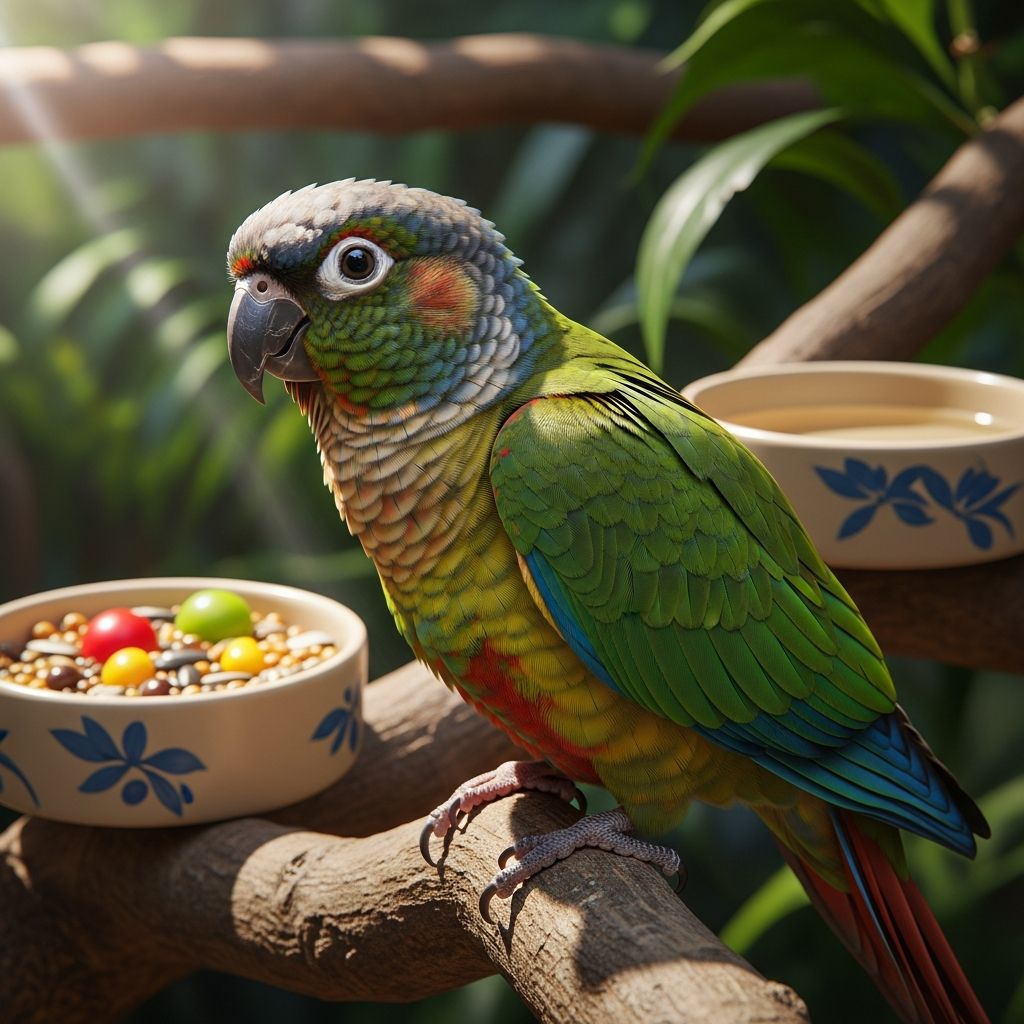
What Is A Conure?
Conures represent one of the most diverse and engaging groups within the parrot family, earning their reputation as beloved pet companions worldwide. These spunky and often comical parrots come in a range of eye-catching colors and possess equally colorful personalities that captivate bird enthusiasts. The genus name “Aratinga” means “little macaw” in Latin, reflecting their status as smaller cousins to the larger macaw species.
These small to medium-sized parrots are characterized by their distinctive long tail feathers and come in various sizes depending on the species. Most conure species range from just under 10 inches to just over 20 inches in length. Conures belong to several genera within the New World parrot family, and all living species are found in Central and South America, with naturalized populations established in both Northern and Southern California.
What sets conures apart from other parrot species is their lightly built frame, strong beaks, and characteristic horn-colored or black coloring. Their beaks feature a small cere and are well-adapted for their natural diet. Most conure species live in flocks of 20 or more birds in the wild, which influences their highly social nature as pets.
Understanding Conure Personality & Behavior
Conures have earned the affectionate nickname of “clowns of the parrot world” due to their constant attention-seeking behavior and entertaining antics. These birds are known for hanging upside-down, swaying back and forth, and engaging in playful dancing movements that delight their owners.
The personality of a conure is multifaceted and engaging. These birds can be very playful, very cuddly, and at times, very loud. A conure is more inclined to be curious and bold rather than shy and cautious. They are active and busy birds that require plenty of toys and other forms of enrichment to keep them happily occupied throughout the day. Their affectionate nature and outgoing personality make them excellent family pets.
However, potential conure owners should be aware that these birds can be territorial and somewhat nippy, especially around their cages. They have a tendency to become “one-person birds,” often taking a strong preference toward a single member of the household. This bonding, while endearing when you are the preferred person, can occasionally lead to behavioral challenges when the bird refuses to interact with other family members or household guests.
Conures form incredibly strong bonds with their owners and thrive on cuddling, head scratches, and interactive play. They require substantial daily mental stimulation to remain happy and well-adjusted. These highly social birds may become bored or lonely if left alone for extended periods, making regular interaction essential for their psychological well-being.
Speech & Sound Characteristics
Understanding the vocalization patterns of conures is crucial for potential pet owners, particularly those living in apartments or close-quarters environments. A conure’s signature sound is a high-pitched screech, which is often emitted when the bird is excited, startled, or seeking attention. This screech can be quite loud and penetrating, requiring management and training from the outset.
Many inexperienced conure owners inadvertently reinforce their bird’s screaming behavior by running to the cage or providing direct attention whenever the bird begins to vocalize loudly. This unintentional reinforcement can quickly establish a problematic pattern where the bird learns that screaming is an effective way to gain attention.
Regarding speech ability, conures are capable of talking and can learn to speak a few words and phrases. However, their vocabularies are not as extensive as those of other parrot species such as African Grey Parrots or Amazons. While they are not known as prolific talkers, many conures do develop the ability to mimic human speech with practice and training.
Different conure species vary in their vocalization levels. Green-cheeked Conures, for instance, are generally quieter than most other conure species, making them more suitable for apartment living. In contrast, species like Sun Conures are quite vocal and may not be appropriate for noise-sensitive environments.
Conure Species Overview
The conure parrot species encompasses more than 40 different types, each with their own unique characteristics, sizes, and behavioral traits. There are two main categories: the Aratinga conures and the Pyrrhura conures. About a dozen conure types are commonly kept as pets, with varying levels of popularity and suitability for different household situations.
Pyrrhura Conures have become increasingly popular as companion birds because they are just as beautiful as their Aratinga cousins and share similar personalities, but they are smaller, less destructive, and significantly less loud. This makes them an excellent choice for those with space or noise constraints.
Notable species include the Green-Cheeked Conure, which is small, relatively quiet compared to other conures, and renowned for their affectionate nature, making them particularly suitable for first-time bird owners. The Sun Conure is brightly colored with yellow and orange plumage and is highly social but quite vocal. The Nanday Conure features a distinctive black head with blue-tipped wings and tails, along with bright orange leg feathers. The Golden-Capped Conure, native to Brazil and Paraguay, grows to about 13 to 14 inches in length and displays primarily green bodies with red foreheads and eye patches. The Patagonian Conure, also known as the burrowing parrot, is the largest conure species and has gained popularity for its exceptionally sweet nature and intelligence, though it can be quite loud and destructive with its chewing behavior.
Physical Characteristics & Colors
Conures display remarkable color variation across species, ranging from predominantly green plumage to bright yellows, oranges, and blues. This diversity in coloring is one of the primary reasons these birds appeal to potential pet owners. Their bodies are typically lightly built despite their size, featuring long tail feathers that give them their characteristic appearance.
The coloration often depends on the species and age of the bird. Many immature conures display different coloration than their adult counterparts, not achieving their full, vibrant plumage until they reach sexual maturity. For example, Golden-Capped Conures are mostly green when young, with some orange around the eyes and breast, not displaying their full coloration until approximately two years of age.
Most conure species have horn-colored or black beaks with small ceres. Their feet are typically gray, an
Similar Articles








Read full bio of medha deb


