
Conure Bird Care Guide: Species, Diet & Pet Ownership
Complete guide to conure birds: learn about species, care requirements, diet, and personality traits.
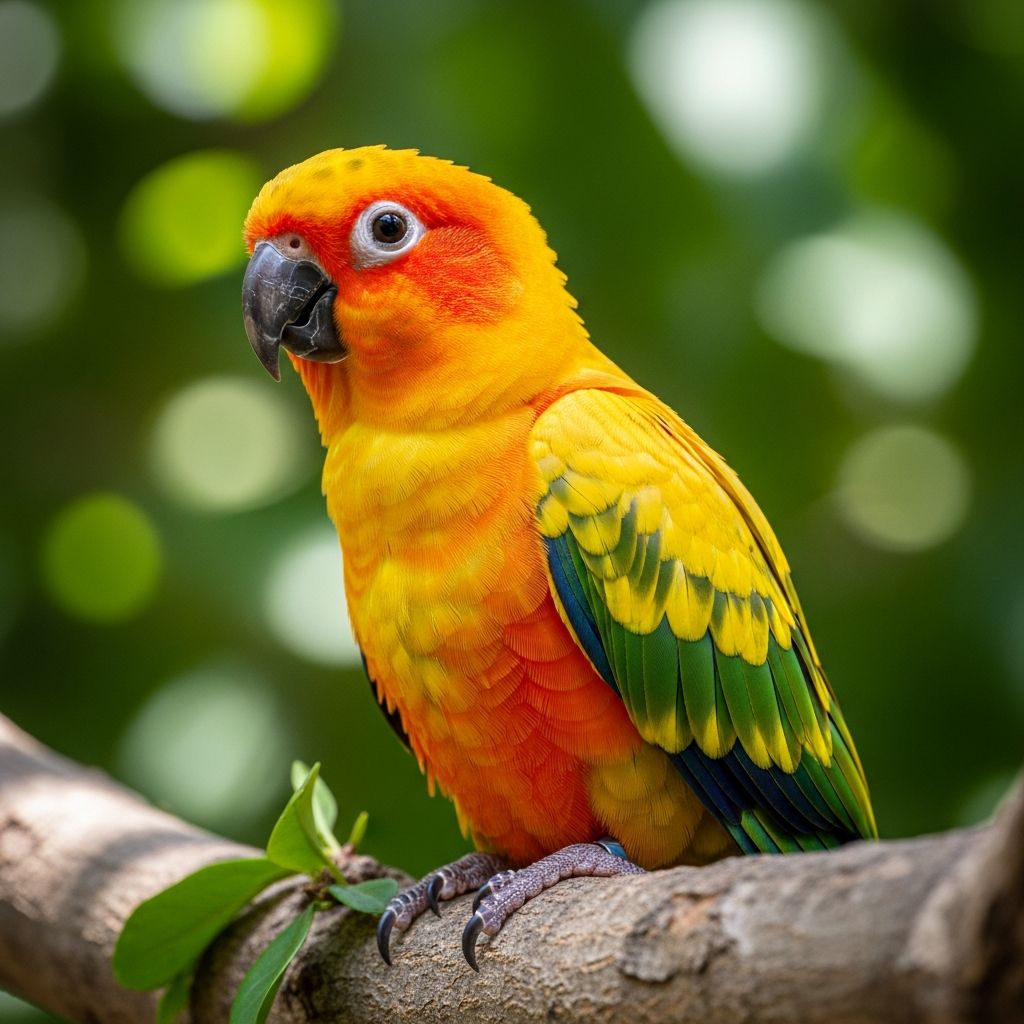
Understanding Conures: The Playful Parrot Species
Conures are among the most popular pet birds for families and bird enthusiasts alike. These colorful, intelligent parrots have earned the nickname “clowns of the parrot world” due to their playful antics, constant attention-seeking behavior, and entertaining personalities. Whether you’re considering adopting your first conure or expanding your avian family, understanding these dynamic birds is essential for providing them with optimal care and companionship.
The term conure encompasses more than 40 different species that vary significantly in size, color, and behavioral characteristics. Despite their diversity, all conures share common traits including long tails, small but powerful beaks, and vibrant plumage featuring combinations of green, yellow, blue, and orange hues. These birds are native to Central and South America and thrive in social environments, making them excellent companions for those prepared to meet their unique needs.
Conure Species and Characteristics
Understanding the different conure species available as pets helps potential owners choose the right bird for their lifestyle and experience level. Each species brings its own personality and care requirements to the table.
Popular Pet Conure Species
Green-Cheeked Conures are the most commonly kept conure species in captivity. These smaller birds, typically weighing 60-80 grams, are known for their affectionate nature and relatively quieter disposition compared to other conure varieties. Their subdued coloration and gentle temperament make them ideal for apartment living and families with noise concerns.
Sun Conures represent another popular choice among pet bird owners. These striking birds feature brilliant yellow and orange plumage with green and blue accents. Sun conures average around 120 grams and are notably vocal and demanding, thriving in households where owners can provide substantial attention and interaction.
Nanday Conures display distinctive black heads with light-blue scarves and bright orange feathers around their legs and vents. Their mature plumage is instantly recognizable, with mature birds showing ragged brown edges on their black hoods.
Golden-Capped Conures grow to approximately 13-14 inches and weigh about 150 grams. These birds from Brazil and Paraguay feature predominantly green bodies with red foreheads and underwing coverts, developing full coloration at sexual maturity around two years of age.
Patagonian Conures are the largest conure species, reaching up to 310 grams. Known for their sweet nature and intelligence, these birds can learn to talk and form strong bonds with their human companions, though they can be exceptionally loud and destructive with their powerful chewing abilities.
Physical Appearance and Size
Conures are classified as either large parakeets or small parrots, measuring between 10 to 20 inches in length. Their lightly built frames, combined with long tails and relatively small beaks featuring a distinctive cere (fleshy covering at the base), give them an elegant appearance. Most conures display beaks in gray or black coloring.
Wingspan typically averages 5.5 inches, though this varies by species. The plumage variation among species is remarkable, with most featuring some combination of green and yellow base colors, often accented with black or gray on the head and other distinctive markings.
Personality and Behavioral Traits
Understanding conure behavior is crucial for successful pet ownership. These birds are not for everyone, as their personalities come with both delightful and challenging aspects.
Social and Playful Nature
Conures are gregarious, highly social birds that thrive on interaction and attention. In their natural habitats, they live in flocks of 20 or more birds, and this social need translates to pet behavior—conures require significant daily interaction and engagement. These birds are playful and outgoing, often hanging upside down, swaying back and forth, and “dancing” to entertain themselves and their owners.
Their playfulness combined with curiosity means conures generally have a cavalier attitude about investigating anything new in their environment, sometimes resulting in injuries. They are active and busy birds that require plenty of toys and enrichment to remain happily occupied throughout the day.
Noise Levels and Vocalization
One of the most significant considerations when adopting a conure is their noise level. Conures are vocal communicators with distinctive high-pitched screeches, often emitted when excited, startled, or seeking attention. Different species vary in noise intensity—sun conures, jenday conures, mitred conures, and half-moon conures tend to be notably louder, while green-cheeked and dusky conures are somewhat quieter.
Conures are particularly vocal during early morning and late afternoon hours. Many new owners inadvertently reinforce excessive screching by immediately providing attention when the bird vocalizes, creating a challenging behavior pattern to modify.
Speech and Communication Abilities
While conures can learn a few words and phrases, they are generally poor talkers compared to other parrot species. However, these intelligent birds are quick learners capable of mastering tricks and mimicking sounds. Their vocabulary development depends on early socialization, training consistency, and individual personality traits.
Lifespan and Maturity
Conure lifespans vary by species. Most commonly kept conures live up to 20 years in captivity, though some species average 20-25 years, and exceptionally long-lived individuals have been reported living 35-40 years. Golden-capped conures specifically have a lifespan of approximately 30 years.
Sexual maturity occurs around one year of age in most conure species. These birds typically undergo their first molt between eight and ten months old, with molting patterns influencing their ultimate coloration. Many conure species, particularly immature golden-capped conures, display different coloration until reaching full sexual maturity.
Diet and Nutrition
Providing appropriate nutrition is fundamental to maintaining conure health and longevity. A balanced diet supports immune function, feather quality, and overall wellbeing.
Dietary Requirements
Conures require high-quality parrot food as their primary diet foundation. In their natural habitats, these birds often consume grain, making them agricultural pests in some regions. A complete conure diet should include:
– High-quality pellets formulated specifically for small to medium parrots
– Fresh fruits including berries, apples, and tropical fruits
– Vegetables such as leafy greens, carrots, and peppers
– Limited nuts and seeds as treats
– Access to fresh, clean water at all times
Owners should avoid feeding conures avocado, chocolate, salt, caffeine, and other toxic foods. A varied diet prevents nutritional deficiencies and keeps birds mentally stimulated through food exploration and enjoyment.
Housing and Environmental Needs
Conures are active birds requiring spacious, stimulating environments. Inadequate housing leads to behavioral problems, feather plucking, and destructive tendencies.
Cage Requirements
Conures need large cages—as large as possible given space constraints. Minimum cage dimensions depend on the specific species, with smaller species like green-cheeked conures requiring less space than larger Patagonian conures. The cage should accommodate:
– Multiple perches of varying diameters
– Numerous toys for physical and mental stimulation
– Space for climbing, playing, and exercising
– Secure food and water dishes
– Adequate ventilation and natural light exposure
Environmental Enrichment
Conures need constant mental and physical stimulation to prevent destructive behaviors and boredom-related problems. Environmental enrichment includes foraging toys, puzzle feeders, rotating toys, social interaction, and safe out-of-cage flight or play time. Without proper enrichment, conures may resort to excessive screaming, feather plucking, and destructive chewing.
Training and Socialization
Early socialization and consistent training create well-adjusted, well-behaved conure companions. These intelligent birds respond well to positive reinforcement training methods.
Training Techniques
Conures can learn tricks, basic commands, and appropriate behaviors through patient, consistent training using positive reinforcement. Successful training involves:
– Using high-value rewards (favorite treats or toys)
– Keeping training sessions short (5-10 minutes)
– Practicing consistency across all family members
– Avoiding punishment or negative reinforcement
– Channeling natural curiosity and playfulness toward appropriate activities
Socialization with Family Members
Conures that are hand-raised and properly socialized typically bond strongly with their families, though they may become particularly attached to one individual. Early, positive exposure to different people, environments, and experiences creates confident, well-adjusted birds less prone to behavioral problems like aggression or extreme shyness.
Natural Behavior and Ecology
Understanding conure natural history provides insight into their pet behavior and care needs. Conures are nonmigratory birds, remaining in their natural Central and South American environments year-round. In the wild, they forage on the ground in large flocks, providing protection through numbers. Their excellent flying abilities allow them to reach speeds up to 50 mph.
Reproduction in Natural Habitats
Wild conures breed during spring and summer, with females laying four to six eggs. The incubation period lasts approximately 23 days, during which males provision females with food. Young birds fledge the nest around three weeks and remain with family units for one to two months after fledging.
Health Considerations and Predators
In natural settings, conures face predation from hawks, eagles, owls, snakes, jaguars, ocelots, monkeys, and bats. Their flocking behavior and constant alertness help minimize predation risk. For pet conures, regular veterinary check-ups, appropriate nutrition, and safe housing prevent common health issues and ensure longevity.
Frequently Asked Questions
Q: How long do conures live as pets?
A: Most conures live 20 years in captivity, with some species averaging 20-25 years and exceptional individuals living 35-40 years. Proper care, diet, and veterinary attention significantly influence lifespan.
Q: Are conures good pets for first-time bird owners?
A: Conures can make excellent family pets due to their playful personalities and affectionate nature, but they require significant time, attention, and space. Their noise level and need for constant engagement make them better suited for committed, experienced pet owners.
Q: How loud are conures?
A: Conures are quite loud, particularly sun conures and similar species. They emit high-pitched screeches when excited or seeking attention. Green-cheeked and dusky conures are somewhat quieter options. Morning and late afternoon hours typically bring increased vocalization.
Q: Can conures talk and learn words?
A: Yes, conures can learn a few words and phrases, though they are generally poor talkers compared to other parrot species. They are quick learners capable of mastering tricks and mimicking sounds through consistent training and socialization.
Q: What should I feed my conure?
A: Feed your conure high-quality pellets formulated for small to medium parrots, supplemented with fresh fruits, vegetables, and occasional nuts and seeds. Avoid toxic foods like avocado, chocolate, and salt, and provide fresh water daily.
Q: How much cage space do conures need?
A: Conures need large cages—as large as possible given your space constraints. Cage size depends on specific species, but all conures require room for multiple perches, toys, climbing, and exercise to prevent behavioral problems.
Q: Are conures good with children?
A: Conures can be wonderful family pets, but their playful, sometimes rough behavior and noise level require supervision around young children. Hand-raised, well-socialized conures typically bond well with families when given proper training and interaction.
Conclusion: Is a Conure Right for You?
Conures make remarkable pet companions for those prepared to meet their substantial behavioral, environmental, and social needs. Their vibrant personalities, playful antics, and affectionate nature create engaging, entertaining relationships with their human families. However, their noise level, space requirements, and 20+ year lifespan represent significant commitments requiring careful consideration before adoption.
Success with conure ownership depends on choosing the right species for your lifestyle, providing appropriate housing and environmental enrichment, maintaining a balanced diet, establishing consistent training and socialization, and committing to regular veterinary care. Those who invest time and effort into understanding and caring for conures discover rewarding relationships with truly unique and captivating birds.
References
- Conure Bird Facts — A-Z Animals. 2024. https://a-z-animals.com/animals/conure/
- Conures Care Guide — Arbor View Animal Hospital. 2021. https://arborviewah.com/
- Conure — Wikipedia. 2024. https://en.wikipedia.org/wiki/Conure
- Conures Resources — Parrot Outreach Society. 2024. https://parrotoutreachsociety.org/resources/conures/
- Conure Personality, Food & Care — Lafeber Pet Birds. 2024. https://lafeber.com/pet-birds/species/conure/
- Curious About Conures: Key Things to Know — myBird. 2024. https://myrightbird.com/
- Green Cheeked Conures: The Playful Parrots — KookShop. 2024. https://www.kookshop.com/
Similar Articles








Read full bio of Sneha Tete


