

Tips to Control Cat Allergy Symptoms If You Live with a Cat
Living with a cat can be one of life’s great joys, but for those with cat allergies, it can also present significant challenges. Cat allergies are triggered by proteins found in cat saliva, urine, and dander—tiny particles of skin that cats shed continuously throughout your home. If you’re allergic to cats but still want to share your life with one, the good news is that there are numerous strategies and treatments available to help you manage your symptoms effectively. By combining environmental controls, medical interventions, and practical lifestyle adjustments, you can significantly reduce your allergic reactions and enjoy a more comfortable life with your feline friend.
Understanding Cat Allergies
Cat allergies are caused by specific proteins present in cat dander, saliva, and urine. When these allergens become airborne or come into contact with your skin or mucous membranes, they can trigger an allergic response. Symptoms may include sneezing, itchy and watery eyes, nasal congestion, coughing, wheezing, and skin irritation. Some people may experience more severe reactions, including respiratory distress or asthma attacks. The severity of your symptoms can vary depending on the individual cat, the amount of exposure, and your personal sensitivity levels.
It’s important to understand that cat allergies cannot be completely prevented, but they can be managed and controlled through deliberate effort and the right combination of strategies. The key is to reduce your exposure to cat allergens while simultaneously treating the symptoms when they do occur.
Environmental Controls and Home Management
One of the most effective ways to manage cat allergies is to reduce the concentration of allergens in your living environment. This involves making strategic changes to your home and implementing regular cleaning routines.
Air Quality and Filtration
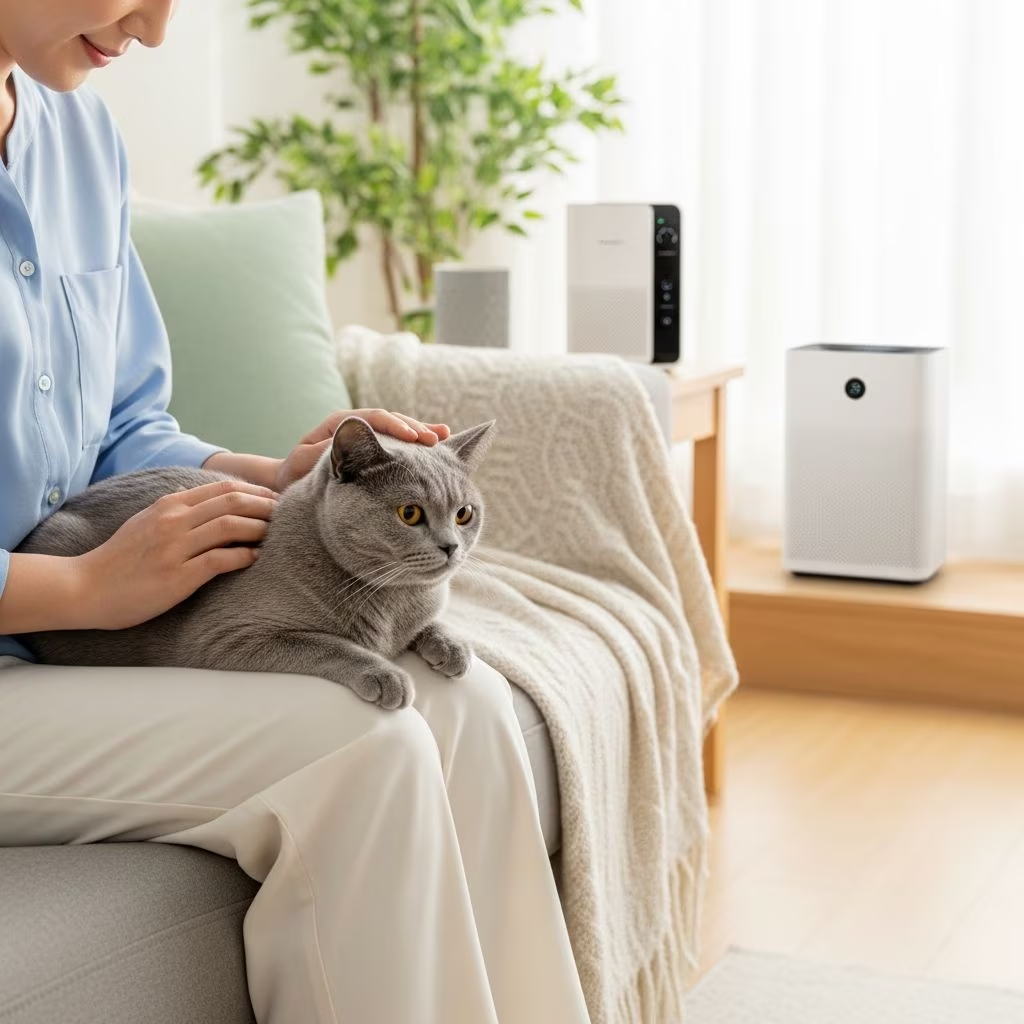
Investing in high-efficiency particulate air (HEPA) filters is one of the most important steps you can take. A central air cleaner with HEPA filters on your vents can help prevent cat dander from circulating throughout the house. You should also consider running HEPA cleaners continuously in your bedroom and living room to reduce allergen levels over time. A portable HEPA air purifier placed in your bedroom is particularly valuable, as this creates a personal allergen-free zone where you can rest and recover from allergy symptoms.
Flooring and Furnishings
Cat allergens cling to soft surfaces and accumulate in carpeting. If possible, replace wall-to-wall carpeting with hard flooring such as tile, wood, linoleum, or vinyl, which won’t collect pet allergens as easily. Additionally, consider replacing other allergen-attracting furnishings such as upholstered furniture, curtains, and horizontal blinds. These items trap and harbor cat dander, making them significant allergen sources in your home.
Bedroom Management
Your bedroom should be a sanctuary from cat allergens. Keep your cat completely out of your bedroom to reduce your exposure to dander while you sleep. This simple measure can have a dramatic impact on the quality of your sleep and the severity of your morning allergy symptoms. Additionally, wash your bedding and other laundry regularly with hot water and use detergents specifically formulated to remove allergens. Aim to wash these items at least weekly to maintain low allergen levels.
Regular Cleaning Routines
Frequent and thorough cleaning is essential for managing cat allergens. Vacuum your house at least once a week using a regular vacuum cleaner or, ideally, a high-efficiency vacuum with a HEPA filter or a central vacuum system, which can reduce allergen levels significantly. If you’re allergic to cats, consider having someone without allergies do the vacuuming. If that’s not possible, wear a disposable dust mask during cleaning to minimize your exposure. Additionally, maintain more frequent cleaning schedules throughout your home to reduce dust and dirt accumulation. Dust surfaces with damp cloths rather than dry dusting, as this prevents allergens from becoming airborne.
Cat-Specific Environmental Measures
Several cat-specific measures can reduce allergen production and distribution:
- Have your cat spayed or neutered, as this decreases allergen production
- Avoid owning a high number of cats, as more cats mean higher allergen concentrations
- Bathe your cat weekly if possible, as this can decrease the amount of loose dander (though experts acknowledge that some cats may find this stressful)
- Have someone without allergies brush your cat outdoors frequently to remove loose hair and dander before they enter the home
- Use dust-free litter in your cat’s litter box
- Regularly clean and wash your cat’s bedding
- Restrict your cat to only a few rooms rather than allowing it access to your entire home (note that keeping a cat in only one room won’t limit allergens to that room, as they spread throughout the house)
Personal Hygiene Practices
Your personal behavior around your cat significantly impacts your allergy symptoms. After any contact with your cat, wash your hands immediately with soap and water to remove allergens before touching your face or eyes. Avoid petting, hugging, or kissing your cat, as these activities increase your direct exposure to allergens. If you do interact with your cat, follow up with hand washing right away.
Consider changing your clothes and washing them after spending extended time with your cat. This prevents you from tracking allergens into your bedroom or other personal spaces. These simple habits can dramatically reduce the allergen load you’re exposed to throughout the day.
Medical Treatment Options
While environmental controls are important, medical treatments are often necessary to manage symptoms effectively, especially for those with moderate to severe allergies.
Over-the-Counter Antihistamines
Over-the-counter (OTC) antihistamines like Benadryl (diphenhydramine), Claritin (loratadine), and Zyrtec (cetirizine) can help prevent or relieve allergy symptoms. These medications work by blocking the body’s histamine response, which is responsible for itching, sneezing, and watery eyes. Some people find these medications highly effective, while others experience only partial relief. It’s often necessary to try different antihistamines to find the one that works best for your individual physiology.
Nasal and Topical Treatments
Nasal steroid sprays are particularly effective for managing congestion, sneezing, and nasal itching. Your doctor might recommend prescription nasal sprays that can provide significant relief. For eye symptoms, antihistamine eyedrops can help reduce itching and watery eyes. Decongestants can also provide temporary relief from nasal congestion, though they should not be used long-term without medical supervision.
Prescription Medications
If OTC medications don’t provide adequate relief, your allergist can prescribe stronger options. Prescription antihistamines tend to be longer-acting and more potent than their over-the-counter counterparts. Your doctor will help determine which medication is most appropriate for your specific symptoms and medical history.
Immunotherapy (Allergy Shots)
For individuals with severe cat allergies that don’t respond to other treatments, immunotherapy may be recommended. This treatment involves gradually introducing small amounts of the allergen to your body over an extended period, helping your immune system build tolerance. Allergy shots are administered through regular injections and can provide significant long-term relief, though treatment typically takes several months to years to complete. An alternative to allergy shots is sublingual immunotherapy, where medication is taken orally via drops or tablets, offering advantages such as home administration and lower risk of side effects.
Planning Ahead
If you know you’ll be staying in a house with cats, start taking allergy medication several weeks before your visit. This preventive approach can prevent allergic reactions from starting in the first place, as controlling symptoms once they begin is much more difficult than preventing them. Additionally, ask your hosts to keep the cat out of the room where you’ll be sleeping for several weeks before you arrive, if possible.
Tracking Allergen Exposure
Many people find it helpful to track environmental factors that might worsen their symptoms. Pollen counts, for example, can compound cat allergy symptoms, making them more severe during certain seasons. Apps like Allergy Plus by Pollen.com can help you monitor pollen levels and anticipate when your symptoms might be worse. Being aware of these patterns allows you to be proactive about increasing your medication or intensifying your cleaning routines during high-allergen periods.
Comparison of Symptom Management Approaches
| Management Strategy | Effectiveness | Cost | Time Investment |
|---|---|---|---|
| HEPA Air Filters | High for airborne allergens | $100-$500 | Low (runs automatically) |
| Regular Vacuuming | Moderate | $100-$300 (equipment) | Moderate (weekly) |
| OTC Antihistamines | Moderate to High | $10-$30/month | Minimal (daily pills) |
| Nasal Steroid Sprays | High for nasal symptoms | $20-$100/month | Minimal (daily use) |
| Immunotherapy | Very High (long-term) | $1,000-$4,000 | High (regular appointments) |
| Flooring Replacement | Very High | $2,000-$10,000+ | One-time project |
Frequently Asked Questions
Q: Can cat allergies go away on their own?
A: Unfortunately, there’s no way to completely prevent an allergy once you have it. However, some studies suggest that exposure to pets as a young child seems to lower your chances of forming pet allergies later in life. The good news is that with proper management strategies and medical treatment, you can significantly reduce or control your symptoms.
Q: Will bathing my cat really reduce allergens?
A: Weekly bathing can help reduce the amount of loose dander and allergen, though experts aren’t entirely certain of the extent of reduction. Additionally, bathing can be stressful for some cats. If your cat tolerates it well and you notice symptom improvement, it’s worth continuing. If your cat becomes overly stressed, the benefit may not justify the effort.
Q: How quickly do HEPA filters start working?
A: HEPA filters begin working immediately to capture new allergens from the air. However, it typically takes several days to weeks of continuous operation to significantly reduce the overall allergen levels in your home, as allergens have already settled on surfaces.
Q: Is it possible to build up a tolerance to cat allergies?
A: Yes, immunotherapy (allergy shots) works by gradually building tolerance to cat allergens through controlled exposure over an extended period. This can provide long-term relief for many people, though it requires commitment to regular treatments.
Q: Should I keep my cat in one room only?
A: While it might seem logical, keeping your cat in only one room won’t effectively limit allergens to that room, as dander spreads throughout the home via air circulation and movement. However, keeping your bedroom as a cat-free zone is highly recommended.
Q: What’s the most important step I can take?
A: The most effective approach combines multiple strategies. However, if you could implement just one thing, establishing a pet-free bedroom and using a HEPA air filter in that space provides the most significant impact on symptom relief, as it ensures you have a safe space for sleep and recovery.
Conclusion
Living with a cat when you have allergies requires commitment and a multi-faceted approach, but it’s absolutely achievable. By combining environmental controls like HEPA filters and regular cleaning with medical treatments such as antihistamines and nasal sprays, you can dramatically reduce your symptoms and enjoy a fulfilling life with your feline companion. Start by implementing the environmental changes that are most feasible for your situation, add medical management as needed, and consider more advanced treatments like immunotherapy if symptoms persist. Remember that everyone’s allergies are different, so what works best for one person may need adjustment for another. Work closely with your allergist to develop a personalized management plan that allows you to live comfortably with your cat while maintaining your health and well-being.
References
- Cat Skin Allergies: Types, Symptoms, and How Vets Treat Them — PetMD. Accessed 2025. https://www.petmd.com/cat/conditions/skin/cat-skin-allergies-types-symptoms-and-how-vets-treat-them
- Tips for Relief from Cat-Related Allergies — ENT of Georgia. Accessed 2025. https://www.entofga.com/tips-for-relief-from-cat-allergies/
- Cat Allergies: Causes, Symptoms, and Treatments — WebMD. Accessed 2025. https://www.webmd.com/allergies/cat-allergies
- What Can I Give My Cat for Allergies? — Montecito Pet Hospital. 2022-04-30. https://www.montecitopethospital.com/site/blog/2022/04/30/cat-allergies
- Pets, Dog and Cat Allergies: Symptoms & Treatment — American College of Allergy, Asthma and Immunology (ACAAI). Accessed 2025. https://acaai.org/allergies/allergic-conditions/pet-allergies/
- Allergic to Your Cat? Easy Tips to Prevent and Control Your Allergy — The Ohio State University College of Veterinary Medicine. Accessed 2025. https://vet.osu.edu/sites/default/files/documents/allergic%20to%20your%20cat.pdf
- Pet Allergy: Diagnosis & Treatment — Mayo Clinic. Accessed 2025. https://www.mayoclinic.org/diseases-conditions/pet-allergy/diagnosis-treatment/drc-20352198



