

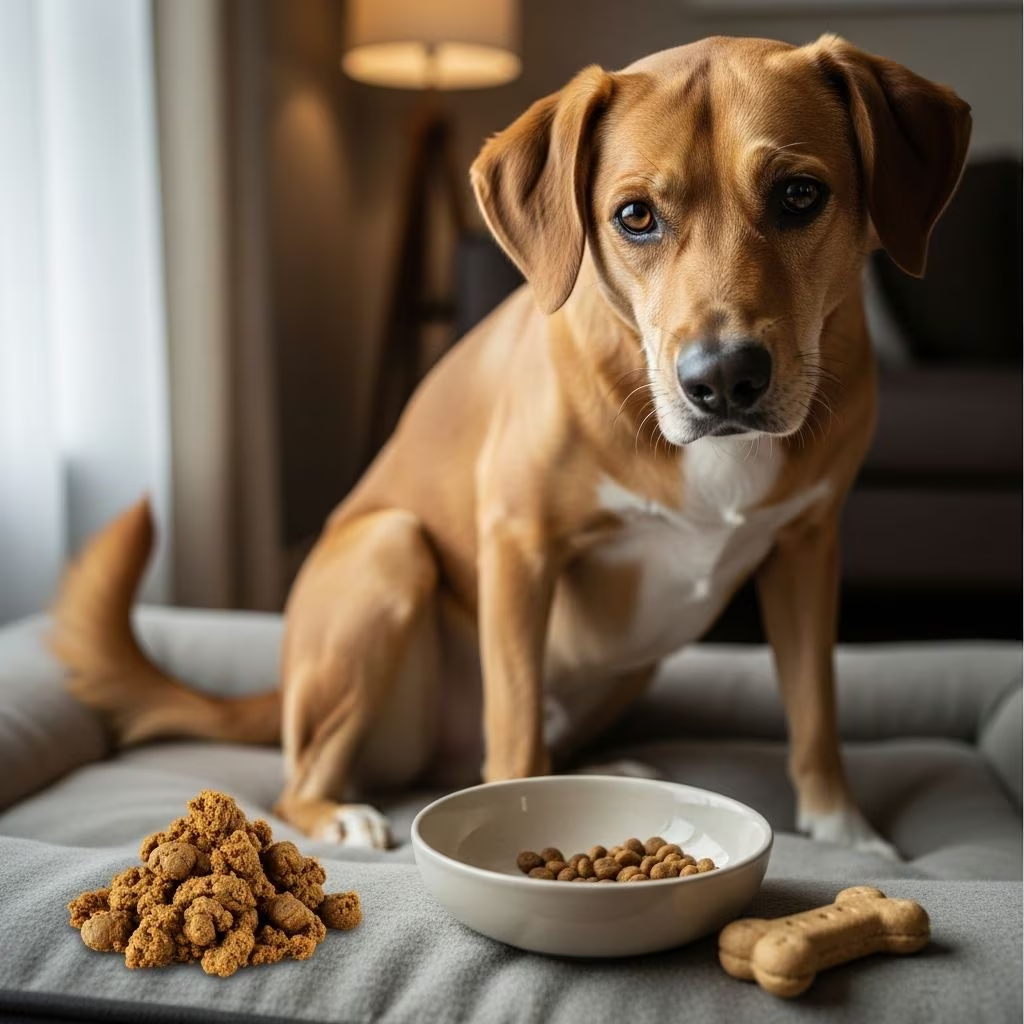
Constipation in Dogs: Causes, Symptoms & Treatment
Constipation is a common digestive issue affecting dogs of all ages, though it occurs more frequently in senior pets. When a dog experiences constipation, the colon’s muscles fail to contract effectively to move stool through the digestive tract, resulting in hard, dry feces that become difficult or impossible to pass. Understanding the underlying causes, recognizing warning signs, and knowing when to seek veterinary care are essential for every dog owner. This comprehensive guide covers everything you need to know about managing constipation in your canine companion.
Understanding Canine Constipation
Constipation occurs when a dog’s bowel movements become infrequent or difficult. If your dog hasn’t had a bowel movement for more than two days, this is typically considered abnormal and warrants investigation. The condition can range from mild discomfort to a serious medical emergency, depending on the underlying cause and duration. Early intervention is crucial to prevent complications and restore normal digestive function.
Signs and Symptoms of Constipation
Recognizing the signs of constipation in your dog allows for prompt treatment and prevents the condition from worsening. Watch for these indicators:
- Straining during bowel movements
- Crying or whimpering when attempting to defecate
- Crouching or assuming a defecation posture repeatedly without producing stool
- Absence of bowel movements for more than two days
- Hard, dry, or small stools when elimination does occur
- Loss of appetite
- Lethargy or decreased activity level
- Abdominal discomfort or bloating
- Behavioral changes such as restlessness
If you notice any of these symptoms, schedule a veterinary appointment to determine the cause and discuss appropriate treatment options.
Common Causes of Dog Constipation
Multiple factors can contribute to constipation in dogs. Understanding these causes helps in both prevention and treatment. The most common causes include:
Dietary Factors
Diet plays a significant role in digestive health. Dogs consuming insufficient fiber often experience constipation. Low-quality diets lacking essential nutrients can also contribute to the problem. Sudden changes in diet, such as switching brands or introducing new foods, may disrupt the digestive system and cause temporary constipation. Additionally, dogs that consume non-food items like bones, gravel, toys, plants, dirt, and fabric pieces can develop intestinal blockages leading to constipation.
Lack of Physical Activity
Exercise stimulates intestinal contractions and promotes regular bowel movements. Dogs with insufficient daily exercise are more prone to constipation. Senior dogs or those with mobility issues may experience reduced activity levels, increasing their constipation risk.
Dehydration
Adequate water intake is essential for healthy stool consistency. Dehydration, whether from illness or inadequate water consumption, can cause stools to become hard and difficult to pass. Certain illnesses that lead to fluid loss can compound this issue.
Grooming and Hair Issues
Excessive self-grooming can result in large amounts of hair accumulating in the digestive tract and mixing with stool, making passage difficult. Matted hair surrounding the anus, often caused by obesity or poor grooming, can physically obstruct bowel movements.
Anal Gland Problems
Blocked or abscessed anal sacs cause pain during defecation, leading dogs to avoid or delay bowel movements. This avoidance can result in progressive constipation as stool hardens in the colon.
Medical Conditions
Various health conditions increase constipation risk:
- Enlarged prostate gland: More common in intact male dogs, an enlarged prostate can mechanically obstruct stool passage.
- Hypothyroidism: This metabolic disorder slows intestinal motility.
- Renal (kidney) disease: Can cause dehydration and electrolyte imbalances affecting bowel function.
- Megacolon: The colon muscles dilate and become ineffective at moving stool through the digestive tract.
- Spinal problems: Conditions like intervertebral disc disease (IVDD) or pelvic trauma can cause pain that inhibits normal defecation.
- Neurological disorders: These affect the nerve signals controlling bowel movements.
- Tumors and masses: Growths on the anus, rectum, or within the pelvic region can obstruct stool passage.
Medications and Treatments
Certain medications have constipation as a side effect, including opiates, diuretics, antihistamines, some antacids, and specific cancer drugs. Additionally, recovery from surgery or anesthesia can temporarily affect bowel function.
Behavioral and Environmental Factors
Stress, anxiety, or changes in the environment can cause some dogs to withhold bowel movements. Dogs may also suppress the urge to defecate in unfamiliar places or when experiencing fear or uncertainty.
Diagnosis of Canine Constipation
Your veterinarian will conduct a thorough evaluation to determine the cause of constipation. The diagnostic process typically includes a complete medical history, physical examination, and potentially diagnostic imaging or laboratory tests. During the physical exam, your vet may palpate the abdomen to assess colon fullness and check for masses or pain. If the underlying cause isn’t immediately apparent, X-rays or ultrasound imaging may be recommended to visualize the digestive tract and identify obstructions, tumors, or other abnormalities. Blood tests may be necessary to rule out metabolic diseases like hypothyroidism or kidney disease.
Treatment Options for Constipation
Most cases of constipation are relatively easy to treat when caught early. Treatment approaches vary depending on the underlying cause and severity of the condition.
Initial Management
The first step involves loosening or removing impacted fecal matter. This can be accomplished through one or a combination of therapies:
- Enemas: These should only be administered by a veterinarian, as improper technique can result in injury or toxicity.
- Manual removal: Your vet may manually remove feces using a gloved finger under appropriate sedation.
- Laxatives: Commonly prescribed medications include dioctyl sodium sulfosuccinate (DSS) and polyethylene glycol (PEG) 3350.
- Fluid therapy: Given under the skin or intravenously to rehydrate the dog and soften stool.
Long-term Management
After initial treatment, your veterinarian will recommend strategies based on the identified cause:
- Dietary modifications: A therapeutic high-fiber diet such as Hill’s Prescription Diet Gastrointestinal Biome helps promote regular bowel movements.
- Increased exercise: More daily physical activity stimulates intestinal contractions and promotes healthy bowel function.
- Increased water consumption: Encouraging hydration keeps stools soft and easier to pass. For many dogs, simply increasing water intake resolves the issue.
- Dietary supplements: Adding fiber sources like wheat bran, canned pumpkin, or products such as Metamucil can improve stool consistency.
- Intestinal stimulants: Medications like cisapride may be prescribed to enhance colon muscle contractions, though obstruction must first be ruled out.
- Medications for underlying conditions: If hypothyroidism or other medical conditions are causing constipation, treating these conditions often resolves the constipation.
- Probiotics: Supplements such as FortiFlora can support digestive health after constipation has been corrected.
Behavioral Modification
Dogs with behavioral or psychogenic causes of constipation may benefit from behavioral modification through training and/or medications. Creating a calm, stress-free environment and maintaining consistent bathroom routines can help these dogs.
Surgical Intervention
If constipation is severe and medical treatment proves unsuccessful, surgery may be recommended. In cases where dogs have ingested foreign objects causing blockage, surgery may be necessary to remove the obstruction and prevent severe damage to the digestive tract. In extreme cases, surgical removal of the affected portion of the colon may be required.
Prevention Strategies
Preventing constipation is preferable to treating it. Implement these strategies to reduce your dog’s constipation risk:
- Provide a high-quality, fiber-rich diet appropriate for your dog’s age and health status
- Ensure consistent daily exercise tailored to your dog’s age and physical abilities
- Maintain fresh water available at all times and encourage regular water consumption
- Limit access to bones and other items that may cause intestinal blockages
- Monitor weight to prevent obesity-related complications
- Maintain regular grooming to prevent matted hair around the anus
- Schedule routine veterinary checkups to identify and address health issues early
- Keep your dog’s environment calm and stress-free
- Address any behavioral issues with professional training if needed
When to Contact Your Veterinarian
Contact your veterinarian immediately if your dog exhibits signs of constipation lasting more than two days, shows severe straining or distress, displays loss of appetite, becomes lethargic, or has a hard, distended abdomen. These signs could indicate a serious obstruction requiring urgent medical attention.
Frequently Asked Questions
Q: How long does it take to treat dog constipation?
A: Most cases of constipation resolve within 48 hours if your dog receives adequate water, daily exercise, and a well-balanced diet. However, treatment duration depends on the underlying cause and severity of the condition.
Q: Can I give my dog an enema at home?
A: No. Enemas should only be administered by a veterinarian, as improper technique can result in injury or toxicity.
Q: What should I feed a constipated dog?
A: Your veterinarian may recommend a therapeutic high-fiber diet or suggest adding fiber sources like canned pumpkin or wheat bran to your dog’s regular food. Avoid sudden diet changes and limit access to bones.
Q: Are senior dogs more prone to constipation?
A: Yes, constipation occurs more frequently in senior pets. However, any dog experiencing the risk factors mentioned can suffer from constipation regardless of age.
Q: Can stress cause constipation in dogs?
A: Yes, stress and anxiety can cause some dogs to withhold bowel movements, leading to constipation. Environmental changes or behavioral issues may contribute to stress-related constipation.
Q: What is megacolon in dogs?
A: Megacolon is a condition where the muscles of the colon dilate and become ineffective at moving stool through the digestive tract, resulting in chronic constipation.
Conclusion
Constipation in dogs is a manageable condition when addressed promptly and appropriately. By understanding the causes, recognizing symptoms, and working closely with your veterinarian, you can help your dog maintain healthy bowel function and overall digestive wellness. Remember that while many cases resolve with simple interventions like increased water consumption and exercise, some dogs may require lifelong management. With proper care, attention, and preventive measures, most dogs can enjoy normal, healthy bowel movements throughout their lives.
References
- Constipation in Dogs: Causes, Symptoms & Treatment — AnimERge Veterinary Emergency Clinic. 2020-12-21. https://www.animergevets.com/site/blog/2020/12/21/constipation-dogs-causes-symptoms-treatment
- Dog Constipation Causes and Treatment — WebMD Pets. Accessed 2025-11-28. https://www.webmd.com/pets/dogs/dog-constipation-causes-treatment
- Constipation in Dogs: Causes, Symptoms & Treatment — St. Louis Animal Emergency Clinic. 2023-06-30. https://www.stlouisanimalemergencyclinic.org/site/blog/2023/06/30/constipation-dogs
- Constipation in Dogs: Causes & Treatment — Cinder Rock Veterinary Clinic. 2021-12-15. https://www.cinderrockvetclinic.com/site/blog/2021/12/15/dog-constipated
- Dog Constipation: Causes, Symptoms & Treatment — PetMD. Accessed 2025-11-28. https://www.petmd.com/dog/symptoms/dog-constipation
- Dog Constipation: Causes, Diagnosis, and Treatment — American Kennel Club. Accessed 2025-11-28. https://www.akc.org/expert-advice/health/dog-constipation
- Constipation in Dogs — VCA Animal Hospitals. Accessed 2025-11-28. https://vcahospitals.com/know-your-pet/constipation-in-dogs



