

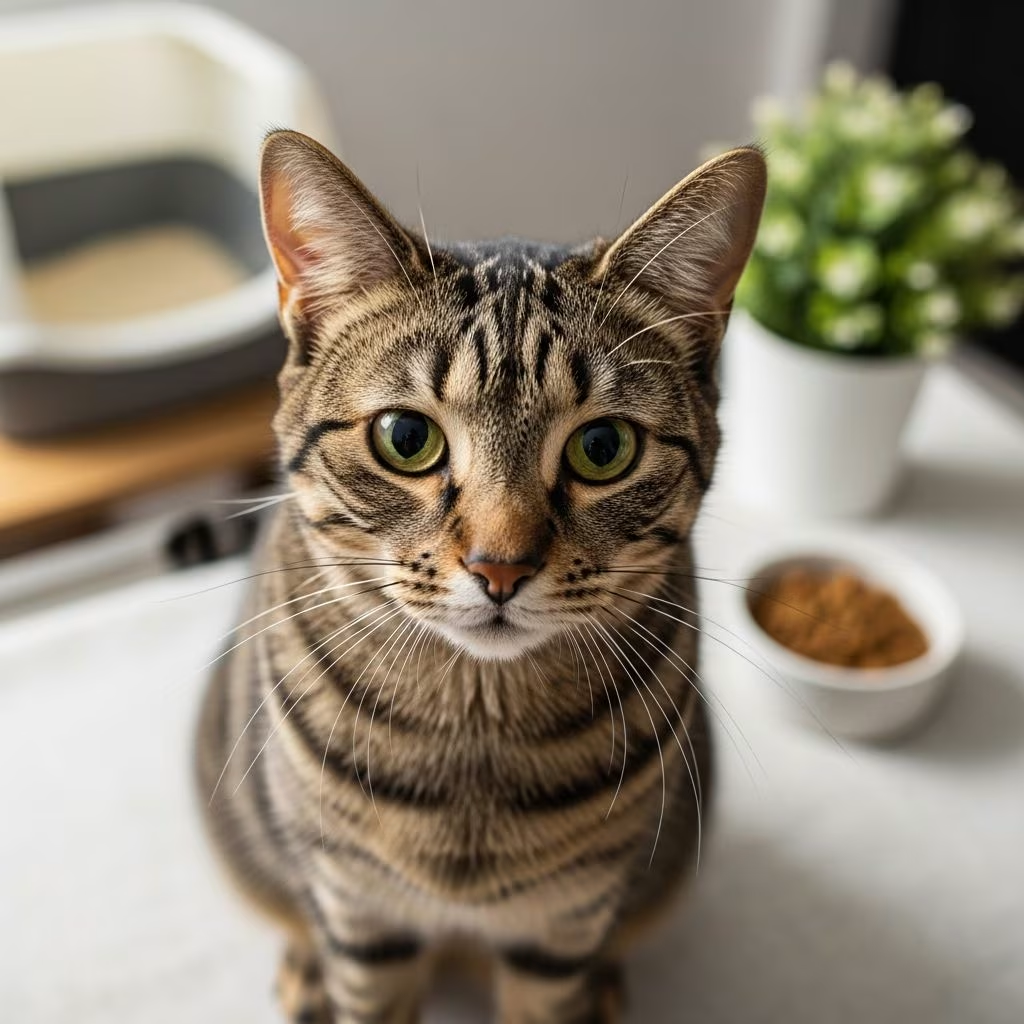
Understanding Constipation in Cats
Constipation in cats is a common digestive issue that occurs when a cat has difficulty passing stool or experiences infrequent bowel movements. While occasional constipation is normal, persistent or severe constipation can indicate underlying health problems and requires veterinary attention. Unlike humans, cats cannot easily communicate digestive discomfort, making it essential for pet owners to recognize the signs and understand the various factors that contribute to this condition.
Cats of any age, breed, or background can experience constipation, though the condition is particularly prevalent in middle-aged and elderly cats. The severity can range from mild cases that respond well to dietary adjustments to severe situations requiring professional medical intervention. Understanding the causes and recognizing early symptoms can help prevent complications and ensure your cat maintains optimal digestive health.
Common Causes of Constipation in Cats
Constipation in cats can stem from numerous factors, both behavioral and medical. Understanding these causes is crucial for effective prevention and treatment.
Dietary Factors
Diet plays a significant role in feline digestive health. Cats consuming dry food diets are particularly prone to constipation and dehydration, as they may not drink sufficient water to compensate for the moisture lost in kibble. A diet lacking adequate fiber can also contribute to infrequent or difficult bowel movements. Many commercial cat foods contain insufficient fiber content to support healthy intestinal function. Additionally, sudden dietary changes or food allergies can trigger digestive issues, including constipation.
Dehydration and Fluid Intake
Proper hydration is essential for maintaining healthy bowel movements. Cats naturally have a low thirst drive and may not drink enough water, especially if they consume primarily dry food. This reduced fluid intake leads to harder, drier stools that are more difficult to pass. Chronic conditions such as kidney disease can exacerbate dehydration by drawing water from the body and causing the intestines to reabsorb moisture from stool, resulting in very hard, dry feces.
Lack of Physical Activity
A sedentary lifestyle contributes to constipation in cats. Indoor cats, particularly those that are overweight or obese, may not move enough to stimulate normal intestinal function. Exercise promotes natural muscle contractions in the colon that facilitate bowel movements, so reduced activity can directly impact digestive efficiency.
Hair Ingestion
Excessive grooming, particularly in long-haired breeds, leads to hairballs that accumulate in the digestive tract. These hair clumps can obstruct the colon or contribute to constipation by physically blocking the passage of stool through the intestines.
Pain and Musculoskeletal Issues
Arthritis and spinal pain significantly impact a cat’s ability to assume the proper posture for defecation. Middle-aged to older cats with arthritis may experience pain when trying to use the litter box, causing them to avoid proper elimination and resulting in constipation. Similarly, spinal injuries or nerve problems can interfere with the normal muscular contractions needed for bowel movements.
Litter Box Problems
Environmental factors related to the litter box can contribute to constipation. An unmaintained, dirty, or improperly located litter box may cause cats to avoid using it, leading to litter box avoidance and subsequent constipation. Cats are naturally clean animals and prefer pristine bathroom facilities.
Underlying Medical Conditions
Several chronic diseases are associated with constipation, including hyperthyroidism, diabetes, and kidney disease. Inflammatory bowel disease, allergies, and nerve disorders can all affect intestinal motility. Anal sac issues, whether ruptured or impacted, can cause pain during defecation and lead cats to avoid the litter box. Tumors, hernias, pelvic injuries, or narrowing of the pelvic canal can physically obstruct the passage of stool.
Feline Megacolon
One of the most serious conditions affecting feline bowel function is feline megacolon, where the colon becomes enlarged enough that its muscles no longer function properly, leading to a dangerous accumulation of hard, dry stool. This condition requires immediate veterinary attention and may necessitate surgical intervention.
Behavioral and Environmental Factors
Anxiety and stress can significantly impact feline digestive health. Changes in the household, introduction of new pets, or other stressful situations can trigger or exacerbate constipation. Psychological factors are often overlooked but play an important role in maintaining healthy bowel function.
Recognizing Symptoms of Constipation
Early recognition of constipation symptoms allows for prompt intervention before the condition becomes severe. Pet owners should monitor their cats for the following signs:
Physical Symptoms
- Infrequent or absent bowel movements
- Difficulty or straining during defecation
- Small, hard, or dry stools
- Painful defecation or vocalization during attempts to pass stool
- Loss of appetite
- Abdominal pain or tenderness
- Lethargy or decreased activity levels
- Vomiting
Behavioral Changes
Constipated cats may spend excessive time in the litter box or avoid it entirely. Some cats may exhibit signs of distress or discomfort when attempting to defecate. Changes in normal bathroom habits warrant veterinary evaluation.
Veterinary Diagnosis and Evaluation
When constipation is suspected, veterinary examination is essential to determine the underlying cause and appropriate treatment approach. Your veterinarian will conduct a physical examination to assess the severity of constipation and may recommend diagnostic tests, including imaging studies such as radiographs to evaluate the colon and rule out obstructions or megacolon. Blood work may be performed to identify underlying metabolic diseases such as kidney disease, hyperthyroidism, or diabetes.
Treatment Options for Feline Constipation
Veterinary Medical Management
Professional treatment of constipation involves multiple approaches tailored to the severity and underlying cause. Ensuring adequate hydration is fundamental, and veterinarians may prescribe subcutaneous fluids for severely dehydrated cats. Laxatives and stool softeners such as lactulose or Miralax can facilitate bowel movements, though these should only be used under veterinary guidance as they may worsen symptoms in cats with certain underlying conditions.
In more severe cases, enemas may be necessary to remove impacted stool. Medications that increase intestinal motility can help stimulate normal bowel function. For cats with underlying diseases, treating the primary condition—such as managing kidney disease or arthritis—is often the most important aspect of preventing constipation recurrence.
Dietary Modifications
Dietary adjustments are frequently recommended for cats with constipation. Switching to high-fiber diets specifically formulated for digestive health can improve bowel function. Some cats benefit from limited-ingredient diets, hypoallergenic formulations, or specific protein sources such as lamb or chicken to reduce inflammation and promote normal intestinal movement.
Increasing moisture intake through wet food consumption is particularly beneficial, as it provides additional hydration beyond what dry kibble offers. Adding natural fiber supplements like plain, unsweetened canned pumpkin—approximately one teaspoon once or twice daily—can significantly improve stool consistency and bowel regularity.
Probiotics and Digestive Support
Probiotics help maintain healthy gut flora and improve overall digestive function, potentially reducing constipation incidents. These beneficial bacteria support intestinal health and can be particularly valuable for cats with inflammatory bowel disease or those taking antibiotics.
Surgical Intervention
In severe, unresponsive cases where the colon becomes distended and unable to function properly (megacolon), surgical removal of affected portions of the colon may be necessary. This is typically considered when medical management has failed and the cat’s quality of life is significantly compromised.
Home Remedies and Preventative Care
Several evidence-based strategies can help prevent constipation and support digestive health at home:
Hydration Support
Ensure your cat has constant access to fresh, clean water. Consider providing multiple water stations throughout your home or investing in a cat water fountain, as many cats prefer running water. Wet food or low-sodium broth can supplement daily fluid intake.
Fiber-Rich Nutrition
In addition to dietary changes, natural remedies can support digestive health. Plain, unsweetened canned pumpkin is a time-tested remedy that adds fiber and moisture to the diet. Ginger may also have beneficial properties for promoting normal intestinal movement.
Weight Management
Maintaining a healthy weight is crucial, as obesity restricts a cat’s ability to assume proper posture for defecation and may cause difficulty during the elimination process. Work with your veterinarian to establish an appropriate weight loss plan if needed.
Exercise and Environmental Enrichment
Increased physical activity promotes intestinal motility and helps with weight management. Encourage play sessions with toys, climbing structures, and interactive games. Exercise also reduces anxiety and stress, which can contribute to constipation.
Stress Reduction
Minimize stress and anxiety in your cat’s environment by providing a calm, stable household and maintaining consistent routines. Create safe spaces where your cat can retreat and feel secure.
Litter Box Maintenance
Maintain pristine litter boxes by scooping daily and changing litter regularly. Provide multiple litter boxes, particularly in multi-cat households, ensuring easy access for all cats. Some cats prefer different litter types, so experimentation may be necessary.
Frequently Asked Questions
Q: How often should a healthy cat have bowel movements?
A: Healthy cats typically have bowel movements once or twice daily. Variations exist depending on diet and individual metabolism, but significant changes in frequency warrant veterinary evaluation.
Q: Can I give my cat over-the-counter laxatives without veterinary approval?
A: No, over-the-counter laxatives should only be used with veterinary guidance, as they may worsen symptoms in cats with underlying or chronic diseases. Always consult your veterinarian before administering any medications or supplements.
Q: When is constipation considered an emergency?
A: Severe constipation accompanied by persistent vomiting, complete inability to defecate, abdominal distension, or signs of obstruction requires immediate veterinary emergency care. These symptoms may indicate megacolon or foreign body obstruction.
Q: Is constipation more common in older cats?
A: Yes, elderly cats experience constipation more frequently than kittens due to reduced activity levels, arthritis, dehydration related to kidney disease, and decreased muscle tone in the colon.
Q: Can dietary allergies cause constipation in cats?
A: Yes, food allergies and inflammatory responses can affect intestinal function. Trying a new diet with limited ingredients or hypoallergenic formulations may help identify and eliminate problematic foods.
Q: How long does it take for dietary changes to improve constipation?
A: Dietary modifications may take several days to two weeks to show noticeable improvement in bowel function. Consistency is important, and gradual transitions help prevent additional digestive upset.
When to Contact Your Veterinarian
Contact your veterinarian if your cat experiences constipation lasting more than a few days, recurring episodes of constipation, or if constipation is accompanied by other concerning symptoms such as vomiting, loss of appetite, abdominal pain, or behavioral changes. Professional evaluation is essential to identify underlying causes and prevent serious complications.
Conclusion
Constipation in cats ranges from mild cases responsive to simple dietary and lifestyle modifications to severe conditions requiring intensive veterinary intervention. By understanding the various causes, recognizing early symptoms, and implementing preventative measures such as proper hydration, appropriate diet, regular exercise, and stress reduction, pet owners can significantly reduce the incidence of constipation in their feline companions. Working closely with your veterinarian to identify and address underlying health conditions ensures your cat maintains optimal digestive health and quality of life throughout all life stages.
References
- Constipation — Cornell University College of Veterinary Medicine. Accessed 2025. https://www.vet.cornell.edu/departments-centers-and-institutes/cornell-feline-health-center/health-information/feline-health-topics/constipation
- Constipation in Cats: Causes, Symptoms & Treatment — The Katy Vet Emergency & Specialty Center. 2022-01-30. https://www.tkves.com/site/blog/2022/01/30/constipation-cats-causes-symptoms-treatment
- Constipation in Cats: Causes, Symptoms & Treatment — AnimERge Veterinary Emergency Clinic. 2021-01-15. https://www.animergevets.com/site/blog/2021/01/15/constipation-dogs-causes-symptoms-treatment
- Cat Constipation: Symptoms, Causes & Treatment — Purina. Accessed 2025. https://www.purina.com/articles/cat/health/symptoms/constipation
- Constipation in Cats: Symptoms, Causes & Treatment — New Hope Animal Hospital. 2024-07-15. https://www.newhopeanimalhospital.com/site/blog/2024/07/15/constipation-cats
- Cause & Treatment Cat Constipation — Companion Oak Park Veterinary Hospital. Accessed 2025. https://companionop.com/blog/my-cat-wont-poop-causes-and-treatments-for-cat-constipation/
- Cat Constipation Symptoms and Causes — PetMD. Accessed 2025. https://www.petmd.com/cat/conditions/digestive/cat-constipation-symptoms-causes



