

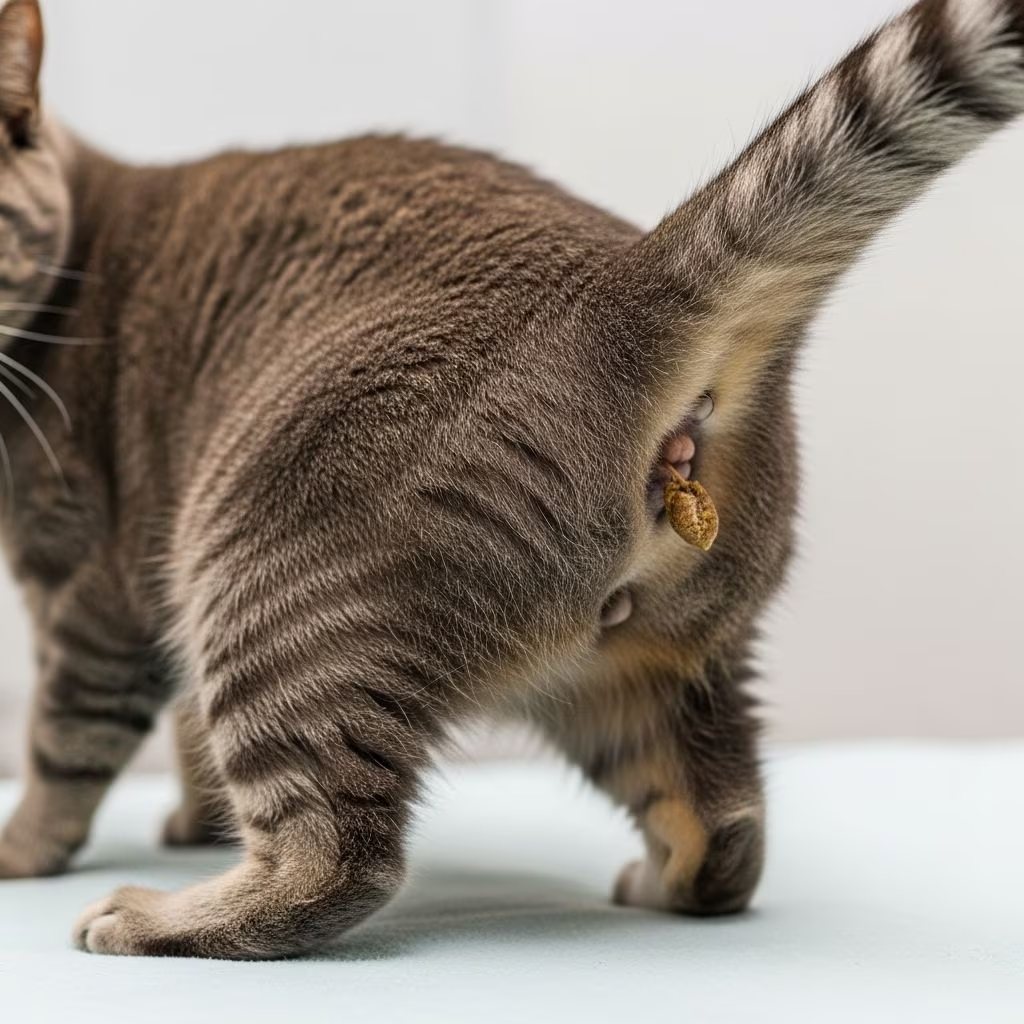
Understanding Constipation in Cats: A Veterinary Guide
Constipation in cats is a condition where your feline companion has difficulty passing stool or experiences infrequent bowel movements. While this condition may seem minor, it can significantly impact your cat’s quality of life and indicate underlying health issues. Constipation differs from obstipation, which is a more severe blockage that requires immediate veterinary attention. Understanding the causes, symptoms, and treatment options is essential for every cat owner concerned about their pet’s digestive health.
What Causes Constipation in Cats?
Constipation in cats can develop from numerous causes, ranging from lifestyle factors to serious medical conditions. Identifying the underlying cause is crucial for effective treatment and prevention of future episodes.
Dietary and Lifestyle Factors
One of the most common causes of feline constipation is inadequate fiber intake. Cats consuming low-fiber diets may struggle with proper bowel function. Additionally, dry food diets can predispose cats to both constipation and dehydration, as these diets contain minimal moisture. Insufficient water consumption is another significant factor; when cats don’t drink enough water, their bodies absorb excess moisture from waste in the intestines, resulting in hard, dry stools that are difficult to pass.
Environmental and behavioral factors also contribute to constipation. Anxiety and stress can disrupt your cat’s normal digestive function. Additionally, excessive grooming leads to extra hair accumulating in the digestive tract, which can obstruct normal bowel movements.
Mechanical and Physical Obstructions
Physical obstructions represent a more serious category of constipation causes. Blockages such as bones, string, or other foreign objects can prevent stool from passing through the colon. Pelvic fractures may cause narrowing of the pelvic canal, making it physically difficult for stool to pass through and potentially leading to chronic constipation.
Medical Conditions Associated with Constipation
Numerous underlying health conditions can cause or contribute to constipation in cats:
- Feline megacolon: The colon becomes enlarged, losing its ability to contract properly, allowing hard, dry stool to accumulate
- Chronic kidney disease (CKD): This leads to dehydration, a key contributor to constipation, as declining kidney function prevents the body from retaining sufficient water
- Arthritis pain: Joint pain can discourage cats from assuming the proper position for defecation
- Spinal issues: Pain or other problems in the spine can interfere with normal bowel function
- Hyperthyroidism, diabetes, and other chronic diseases: These conditions can affect digestive motility and hydration status
- Inflammatory bowel disease: Inflammation in the digestive tract disrupts normal function
- Allergies: Food allergies can cause inflammation and affect bowel movements
- Anal sac problems: Ruptured or impacted anal sacs cause pain during defecation
- Hypercalcemia: Elevated calcium levels interfere with muscle contractions in the gastrointestinal tract, reducing motility
- Nerve problems and neurological conditions: These affect the signals controlling bowel movements
- Cancer and intestinal tumors: These can obstruct the colon or affect its function
Elderly cats are more prone to constipation than kittens, though the condition can develop in cats of any breed or age who consume low-fiber diets or don’t drink enough water.
Recognizing the Symptoms of Feline Constipation
Identifying constipation early allows for prompt intervention. Common symptoms include infrequent bowel movements, straining in the litter box, hard or dry stools, loss of appetite, lethargy, and abdominal discomfort. Some cats may vomit or show signs of general malaise. If your cat experiences these symptoms, consult your veterinarian promptly, as prolonged constipation can develop into more serious conditions.
Comprehensive Treatment Options for Constipated Cats
Treatment of constipation in cats involves a multifaceted approach tailored to the underlying cause. Veterinary supervision is essential, as many constipated cats are dehydrated and may require IV fluids to soften stool.
Medical Treatments
Laxatives and stool softeners are commonly prescribed medications that work by encouraging retained water into the intestine and helping with stool-softening and passage of fecal material. Common options include lactulose and Miralax. Some cats may need daily medication to manage chronic constipation issues. However, regular veterinary follow-ups are necessary when using laxatives, especially for cats with underlying diseases like chronic kidney disease, as these medications pull water into the intestine and may worsen other conditions.
In severe cases where the colon becomes distended and unable to function properly (megacolon), surgical removal of affected portions of the colon may be necessary. Your veterinarian will discuss this option only when conservative treatments fail.
Dietary Modifications
Diet plays a crucial role in managing constipation. Increasing fiber intake helps promote normal bowel movements. Canned pumpkin (plain, unsweetened) is a popular natural remedy, with a recommended dose of one teaspoon once or twice daily. Wet cat food increases fluid intake, which is essential for softening stool.
Consider transitioning to high-fiber cat food or special limited-ingredient diets designed to reduce inflammation and allow intestines to move normally. Some cats benefit from trying lamb, chicken, or hypoallergenic diets to identify potential dietary triggers.
Hydration Management
Ensuring your cat has access to fresh water is fundamental. If your cat is reluctant to drink, investigate whether issues with the water dish (such as stagnant or dirty water, or bowl type) are causing the problem. Medical issues should always be ruled out first, particularly mobility problems, mouth pain, or digestive discomfort that might prevent drinking.
At-Home Remedies and Lifestyle Changes
Several accessible strategies can help manage and prevent constipation:
- Increase exercise: More activity helps with weight loss, reduces anxiety, and promotes normal intestinal movement
- Maintain healthy weight: Obesity can exacerbate constipation issues
- Minimize stress and anxiety: Create a calm environment and use stress-reduction techniques
- Provide probiotics: These maintain healthy gut flora and improve digestion
- Add ginger: This natural remedy may help with digestive function
- Offer additional litter boxes: Multiple boxes reduce stress and provide easier access
- Monitor for underlying diseases: Treating conditions like kidney disease or arthritis is often the most important treatment for preventing recurrence
When to Seek Veterinary Care
While some mild constipation cases respond well to dietary and lifestyle modifications, certain situations require immediate professional attention. Consult your veterinarian if constipation persists beyond a few days, if your cat shows signs of pain or distress, if you suspect a foreign object obstruction, or if constipation is accompanied by vomiting or loss of appetite.
Your veterinarian can perform diagnostic tests, identify underlying conditions, and recommend appropriate medical interventions. Do not attempt to treat constipation without your vet’s guidance, as this could mask serious underlying health issues.
Prevention Strategies for Long-Term Digestive Health
Preventing constipation is more effective than treating it. Ensure your cat maintains a fiber-rich diet with adequate moisture content, drinks sufficient water, engages in regular exercise, and experiences minimal stress. Regular veterinary check-ups allow early detection of underlying conditions that might predispose your cat to constipation, such as kidney disease or arthritis.
Frequently Asked Questions About Cat Constipation
Q: Can stress cause constipation in cats?
A: Yes, anxiety and stress are recognized causes of constipation in cats. Environmental changes, new pets, or schedule disruptions can trigger digestive issues. Minimizing stress through environmental enrichment and maintaining routines helps prevent stress-related constipation.
Q: What is the difference between constipation and obstipation?
A: Constipation involves difficulty passing stool or infrequent bowel movements. Obstipation is a more severe blockage that becomes painful and requires immediate medical intervention. If constipation goes untreated, it can progress to obstipation.
Q: How much pumpkin should I give my constipated cat?
A: The recommended dose is one teaspoon of plain, unsweetened canned pumpkin once or twice daily. Always use pure pumpkin, not pumpkin pie filling, which contains added sugars and spices.
Q: Are over-the-counter laxatives safe for all cats?
A: Not necessarily. While OTC laxatives like Miralax can be effective, they may worsen symptoms in cats with underlying or chronic diseases. Always consult your veterinarian before administering laxatives, and maintain regular follow-ups to monitor your cat’s response.
Q: Can diet alone resolve my cat’s constipation?
A: Diet is an important component of constipation management, but the effectiveness depends on the underlying cause. If constipation results from low fiber intake or dehydration, dietary changes may suffice. However, if an underlying medical condition causes constipation, addressing that condition is essential.
Q: Is constipation more common in elderly cats?
A: Yes, elderly cats experience constipation more frequently than younger cats. However, constipation can develop in cats of any age that consume low-fiber diets or don’t drink enough water.
Q: What should I do if my cat hasn’t had a bowel movement for several days?
A: Contact your veterinarian immediately. Prolonged constipation can indicate serious underlying conditions and may develop into obstipation. Your vet can perform necessary diagnostics and recommend appropriate treatment.
Conclusion: Supporting Your Cat’s Digestive Health
Constipation in cats is a manageable condition when properly understood and addressed. By recognizing the causes, identifying symptoms early, and implementing appropriate dietary and lifestyle modifications, you can help your feline companion maintain optimal digestive health. Remember that veterinary guidance is essential, particularly for persistent constipation or cases involving underlying medical conditions. With a combination of preventive measures and professional care, most cats can enjoy regular, healthy bowel function and improved overall quality of life.
References
- Constipation in Cats: Symptoms, Causes & Treatment — New Hope Animal Hospital. 2024-07-15. https://www.newhopeanimalhospital.com/site/blog/2024/07/15/constipation-cats
- Constipation in Cats: Causes, Symptoms & Treatment — AnimERge Veterinary Emergency & Specialty Center. 2021-01-15. https://www.animergevets.com/site/blog/2021/01/15/constipation-dogs-causes-symptoms-treatment
- Constipation — Cornell University College of Veterinary Medicine, Cornell Feline Health Center. https://www.vet.cornell.edu/departments-centers-and-institutes/cornell-feline-health-center/health-information/feline-health-topics/constipation
- The Causes Of Constipation in Cats — Mooresville Animal Hospital. 2022-03-30. https://www.mooresvilleanimalhospital.com/site/blog/2022/03/30/constipation-cats
- Cat Constipation: Causes, Symptoms & Treatment — VEG ER for Pets. https://www.veg.com/post/6-ways-to-help-your-constipated-cat
- Cat Constipation Symptoms and Causes — PetMD. https://www.petmd.com/cat/conditions/digestive/cat-constipation-symptoms-causes
- How To Help Your Constipated Cat — Pet Doctors of America, Jacksonville Veterinary Office. 2022-01-30. https://www.petdoctorsofamerica.com/site/blog/2022/01/30/how-constipated-cat
- Cat Constipation: Signs, Causes and Treatment — Hill’s Pet US. https://www.hillspet.com/cat-care/healthcare/cat-constipation
- Cat Constipation Issues — South Seattle Veterinary Hospital. https://www.southseattlevet.com/constipated-cat-visit-an-emergency-vet-care-clinic



