

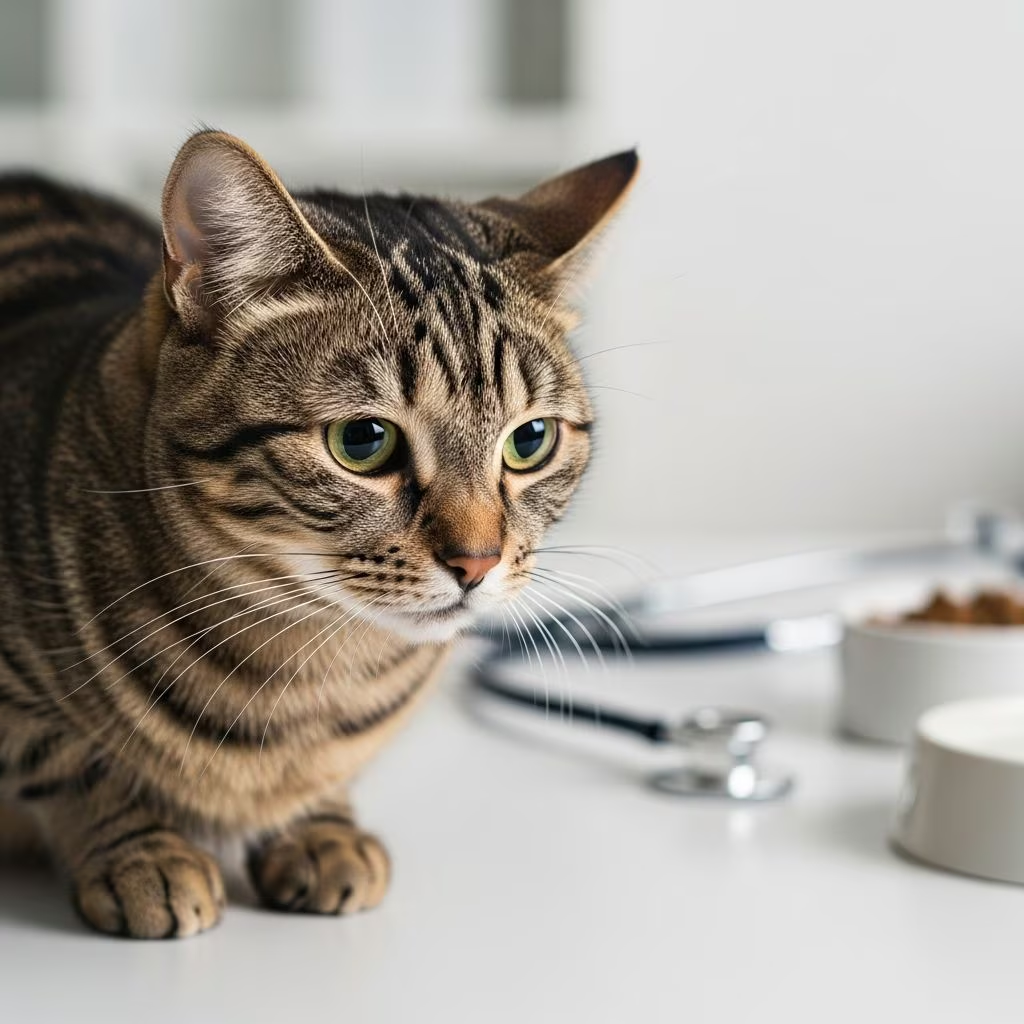
Constipation in Cats: A Comprehensive Guide to Causes, Symptoms, and Treatment
Constipation is a common digestive issue that affects cats of all ages, though it tends to be more prevalent in senior felines. This condition occurs when a cat experiences difficulty passing stool or has infrequent bowel movements, which can cause discomfort and affect their overall quality of life. Understanding the causes, recognizing the symptoms, and knowing when to seek veterinary care are essential for any cat owner. This guide provides detailed information to help you identify and address constipation in your beloved pet.
What Is Constipation in Cats?
Constipation in cats refers to the inability to defecate regularly or the passage of hard, dry stools. When a cat is constipated, bowel movements become infrequent, difficult, or both. The condition may develop gradually or appear suddenly, depending on the underlying cause. While occasional constipation is not uncommon, chronic constipation can indicate a more serious health issue and warrants veterinary attention. Understanding what constitutes normal bowel movement frequency is the first step in recognizing when your cat may have a problem.
Common Causes of Constipation in Cats
Constipation in cats can result from various factors, ranging from dietary issues to underlying medical conditions. Understanding these causes is crucial for determining the appropriate treatment approach and preventing future episodes.
Dietary Factors
Diet plays a significant role in bowel health and is one of the most common culprits behind feline constipation. Cats consuming dry kibble without adequate water intake are particularly susceptible to constipation and dehydration. Insufficient fiber in the diet can also contribute to harder, less frequent stools. Additionally, low-quality commercial cat foods lacking essential nutrients may impair normal digestive function.
Dehydration and Kidney Disease
Dehydration is a major contributor to constipation in cats, particularly in senior cats. Kidney disease is especially problematic because it causes the body to conserve water by reabsorbing it from the intestines, resulting in extremely hard and dry stools that are difficult to pass. Cats with kidney disease are particularly prone to chronic constipation due to this physiological mechanism.
Behavioral and Environmental Factors
Stress and anxiety can significantly impact your cat’s digestive health. Changes in the environment, new pets, or modifications to daily routines may trigger stress-related constipation. Additionally, an unclean or relocated litter box may cause cats to avoid using it, leading to infrequent bowel movements. Obesity and a sedentary lifestyle can also predispose cats to constipation, as they may have difficulty assuming the proper posture for defecation.
Physical Obstructions
Foreign objects such as bones, string, hair (particularly in long-haired breeds), or other materials can obstruct the colon and prevent normal stool passage. Excessive grooming, especially in cats with longer coats, leads to hairball formation within the digestive tract, which can contribute to constipation or create more severe blockages.
Medical Conditions
Several health conditions are associated with constipation in cats. Arthritis pain, particularly in middle-aged to older cats, can make defecation uncomfortable, causing cats to avoid using the litter box. Spine issues, nerve disorders, and inflammatory bowel disease all affect normal bowel function. Feline megacolon, a condition where the colon becomes abnormally enlarged, severely impairs the colon’s ability to push stool through the body. Other serious conditions include cancer, tumors, hyperthyroidism, diabetes, and various forms of perianal disease.
Recognizing the Symptoms of Constipation
Early detection of constipation allows for prompt treatment and prevents complications. Cat owners should watch for the following signs:
- Infrequent or absent bowel movements
- Straining in the litter box without producing stool
- Hard, dry stools when bowel movements do occur
- Loss of appetite or reduced interest in food
- Lethargy or unusual inactivity
- Abdominal pain or sensitivity to touch
- Behavioral changes, such as increased irritability
- Vomiting, which may occur when fecal material accumulates
- Weight loss over time
If your cat shows any of these signs, especially if they persist for more than a day or two, contact your veterinarian. In cases where constipation is accompanied by severe pain, repeated vomiting, or signs of obstruction, immediate emergency veterinary care is necessary.
Risk Factors for Feline Constipation
Certain factors increase the likelihood of constipation developing in cats. Senior cats are particularly vulnerable due to age-related changes in digestive function and muscle tone. Long-haired cat breeds face higher risk due to increased hair ingestion during grooming. Cats with pre-existing medical conditions, particularly kidney disease, diabetes, hyperthyroidism, or arthritis, are more prone to constipation. Indoor cats that get limited exercise are also at higher risk, as physical activity promotes healthy bowel function. Additionally, cats on certain medications or those recovering from surgery may experience constipation as a side effect.
Veterinary Diagnosis and Examination
When you bring your constipated cat to the veterinarian, they will conduct a thorough examination to assess the severity of the condition and identify underlying causes. This typically includes a physical examination of the abdomen, checking for pain, abdominal distension, or palpable fecal material. Your vet may recommend diagnostic imaging, such as radiographs (X-rays), to visualize the colon and assess the amount and consistency of fecal material present. Blood work may be performed to screen for underlying conditions like kidney disease, diabetes, or other metabolic abnormalities. This diagnostic approach helps determine the most appropriate treatment strategy for your specific cat.
Treatment Options for Cat Constipation
Treatment varies depending on the severity of constipation and any underlying conditions identified during veterinary examination. A multifaceted approach often yields the best results.
Hydration Management
Ensuring adequate water intake is fundamental to treating and preventing constipation. Your veterinarian may recommend increasing your cat’s access to fresh water throughout the day. Switching from dry kibble to wet or canned food increases moisture content and overall fluid intake. Some cats prefer running water, so a cat fountain may encourage drinking. In severe cases, your veterinarian may administer subcutaneous fluids to rapidly rehydrate your cat.
Dietary Modifications
Dietary changes are among the most effective treatments for constipation. High-fiber cat foods formulated specifically to promote digestive health can normalize bowel movements. Some cats respond well to limited-ingredient or hypoallergenic diets that reduce inflammation in the digestive tract. Switching protein sources, such as from beef to lamb or chicken, may also help if food allergies contribute to the problem.
Natural Remedies and Supplements
Plain, unsweetened canned pumpkin is a popular and effective natural remedy. A teaspoon given once or twice daily provides natural fiber and moisture that can ease constipation. Ginger is another natural option with digestive benefits. Probiotics help maintain healthy gut flora and improve overall digestive function, making them valuable for cats prone to constipation. These natural approaches work best for mild constipation and are often used alongside other treatments.
Medications and Medical Interventions
Your veterinarian may prescribe medications to address constipation. Laxatives such as lactulose or Miralax help soften stool and promote bowel movements. Stool softeners reduce the hardness of feces, making passage easier. Medications that enhance intestinal motility help the colon function more efficiently. Over-the-counter laxatives should only be used under veterinary guidance, as they may worsen symptoms in cats with underlying chronic diseases. In more severe cases, enemas may be necessary to manually remove impacted stool from the colon.
Addressing Underlying Conditions
Treatment often requires addressing the root cause of constipation. If kidney disease is identified, managing that condition through appropriate diet and medications is essential. Arthritis pain should be controlled with pain management strategies, allowing your cat to move more comfortably and use the litter box normally. Treating inflammatory bowel disease, managing anxiety, or addressing other medical conditions discovered during examination helps prevent constipation recurrence.
Surgical Intervention
In severe or unresponsive cases where megacolon develops and the colon becomes distended and unable to function properly, surgical removal of affected portions of the colon may be necessary. This procedure is considered a last resort when conservative treatments fail to resolve the problem.
At-Home Management and Prevention Strategies
Proactive management at home can significantly reduce the frequency and severity of constipation episodes in your cat.
Weight Management
Maintaining a healthy weight is crucial for digestive health. Obese cats have difficulty assuming the proper posture for defecation and experience increased pressure on abdominal organs. Work with your veterinarian to develop an appropriate diet and exercise plan if your cat is overweight.
Increase Physical Activity
Regular exercise promotes normal intestinal movement and helps maintain healthy body weight. Engage your cat with interactive toys, playtime, and environmental enrichment. Even short play sessions multiple times daily can improve overall health and digestive function.
Litter Box Maintenance
Keep the litter box clean and accessible. Change litter frequently and maintain multiple boxes in multi-cat households. A clean, inviting litter box encourages regular use and helps you monitor your cat’s bowel movements.
Stress Reduction
Minimize stress and anxiety through environmental modifications. Provide safe spaces, maintain consistent routines, and introduce changes gradually. Consider using feline pheromone diffusers to promote relaxation. Stress reduction directly supports healthy digestive function.
Nutritional Support
Ensure your cat receives a balanced diet with appropriate fiber content. Discuss dietary options with your veterinarian, particularly if your cat has sensitivities or allergies. Supplementing with probiotics supports beneficial gut bacteria and improves digestive health.
When to Seek Emergency Veterinary Care
While most cases of constipation can be managed with conservative treatment, certain situations require immediate emergency attention. Seek emergency veterinary care if your cat shows signs of complete obstruction, including repeated vomiting, severe abdominal pain, inability to defecate despite straining, or loss of appetite lasting more than a few hours. These symptoms may indicate a life-threatening blockage requiring immediate intervention.
Long-Term Management of Chronic Constipation
Cats with chronic or recurrent constipation require ongoing management to maintain quality of life. Work closely with your veterinarian to develop a comprehensive long-term plan. This may include permanent dietary modifications, regular supplements, medication management, and lifestyle adjustments. Regular veterinary check-ups help monitor your cat’s condition and adjust treatments as needed. Some cats may require ongoing medication to prevent constipation from recurring.
Frequently Asked Questions About Cat Constipation
Q: How often should a healthy cat have bowel movements?
A: Most healthy cats have bowel movements once daily, though some may go every other day. If your cat hasn’t defecated in more than two to three days or shows signs of straining, consult your veterinarian.
Q: Is constipation dangerous in cats?
A: While mild constipation is often manageable, chronic constipation can lead to serious complications including megacolon, impaction, and secondary health issues. Early treatment prevents progression to more severe conditions.
Q: Can I give my cat over-the-counter laxatives?
A: Never administer any medication, including laxatives, without consulting your veterinarian first. Some over-the-counter products may worsen symptoms in cats with underlying conditions.
Q: How long does it take for constipation treatment to work?
A: Response time varies depending on the cause and treatment method. Dietary changes and natural remedies typically show improvement within several days to a week. More severe cases may require longer or more intensive treatment.
Q: Can diet alone resolve my cat’s constipation?
A: For mild constipation caused primarily by dietary factors, diet modifications alone may be sufficient. However, if underlying medical conditions exist, dietary changes must be combined with appropriate medical treatment.
Q: Are senior cats more prone to constipation?
A: Yes, senior cats are significantly more prone to constipation due to age-related changes in digestive function, reduced water intake, and increased prevalence of conditions like kidney disease and arthritis.
References
- Constipation — Cornell University College of Veterinary Medicine. 2024. https://www.vet.cornell.edu/departments-centers-and-institutes/cornell-feline-health-center/health-information/feline-health-topics/constipation
- Cat Constipation: Symptoms, Causes & Treatment — Purina. 2024. https://www.purina.com/articles/cat/health/symptoms/constipation
- Cat Constipation Symptoms and Causes — PetMD. 2024. https://www.petmd.com/cat/conditions/digestive/cat-constipation-symptoms-causes
- Constipation in Cats: Symptoms, Causes & Treatment — New Hope Animal Hospital. 2024-07-15. https://www.newhopeanimalhospital.com/site/blog/2024/07/15/constipation-cats
- Cause & Treatment Cat Constipation — Companion Oak Park. 2024. https://companionop.com/blog/my-cat-wont-poop-causes-and-treatments-for-cat-constipation/



