

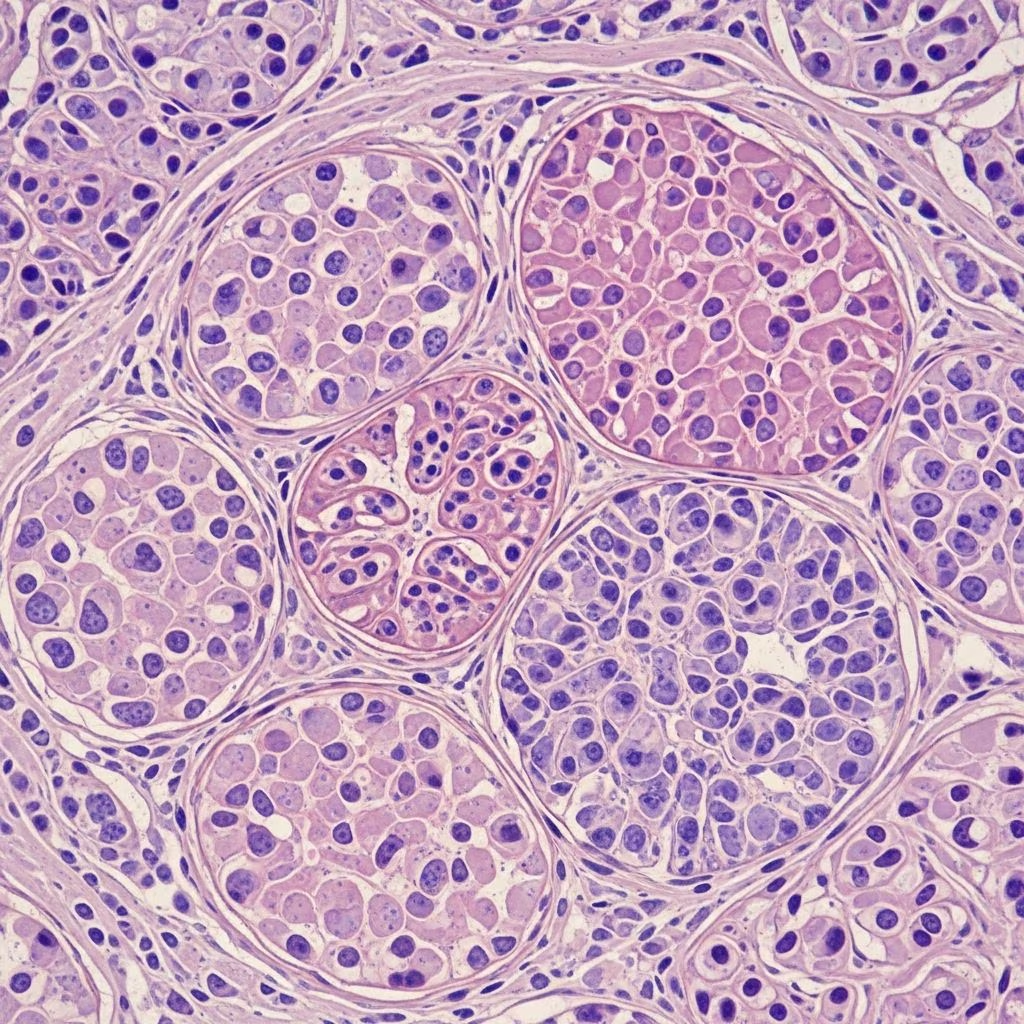
Connective tissue tumors represent a significant category of neoplastic disease affecting companion animals, with these lesions arising from the diverse cellular populations that comprise the integumentary system and subcutaneous structures. The skin functions as a complex organ containing multiple tissue layers, each with the potential to undergo malignant transformation. Understanding the biological behavior, diagnostic criteria, and therapeutic approaches for connective tissue tumors is essential for veterinary practitioners managing animals with cutaneous and subcutaneous neoplasms.
The Biological Architecture of Skin and Soft Tissues
The integumentary system consists of multiple distinct tissue compartments, each capable of developing characteristic neoplastic diseases. The epidermis and its appendages represent one component, while the dermis contains fibrous connective tissues, vascular structures, and adipose tissue. Deeper layers include the subcutis, composed primarily of loose connective tissue and fat, along with neural and neuroectodermal elements such as peripheral nerves and melanocytes. This anatomical complexity explains the diverse spectrum of tumors that can develop within and adjacent to the skin.
Chemical carcinogens, ionizing radiation, and viral agents have been identified as contributing factors in cutaneous neoplastic transformation. However, the development of these tumors is multifactorial, with genetic predisposition and hormonal influences also playing significant roles. The continuous exposure of the skin to environmental pathogens and irritants creates a particularly vulnerable microenvironment for cellular transformation.
Classification and Characteristics of Connective Tissue Neoplasms
Connective tissue tumors encompass a broad range of neoplastic entities arising from fibroblasts, myofibroblasts, vascular endothelium, perivascular cells, and other mesenchymal components. These tumors can be further subdivided based on their biological behavior, cellular differentiation, and anatomical origin. The classification system for these lesions remains somewhat controversial within veterinary pathology, as establishing clear diagnostic criteria and defining the distinction between benign and malignant variants presents ongoing challenges.
Benign Connective Tissue Proliferations
Benign soft tissue tumors constitute a substantial proportion of cutaneous neoplasms in domestic animals. These lesions typically present as well-circumscribed, non-infiltrative masses with minimal tendency toward local recurrence or metastatic spread. Common benign connective tissue tumors include lipomas, fibromas, fibropapillomas, and various other proliferative lesions. Lipomas, in particular, represent extremely common benign tumors characterized by normal mature adipose tissue growth, frequently affecting middle-aged and older animals.
Malignant Connective Tissue Neoplasms
Malignant connective tissue tumors, collectively termed sarcomas, demonstrate greater biological aggressiveness with increased propensity for local invasion and metastatic dissemination. Soft tissue sarcomas encompass multiple histological subtypes, including fibrosarcoma, peripheral nerve sheath tumors, liposarcoma, myxosarcoma, synovial sarcoma, and perivascular wall tumors. The grade and stage of these lesions significantly influence their clinical behavior and therapeutic responsiveness.
Epidemiological Patterns and Risk Factors
Cutaneous and subcutaneous neoplasms represent among the most frequently diagnosed tumor types in domestic animals, primarily due to their visibility and accessibility to both owners and veterinarians. In dogs, these tumors frequently rank as the most common neoplastic presentation, while in cats they represent the second most common malignancy. Epidemiological studies reveal important patterns regarding breed predisposition, age of presentation, and anatomical distribution of disease.
Age and Gender Considerations
Connective tissue tumors predominantly affect middle-aged to senior animals, with increased incidence correlating strongly with advancing age. Female dogs demonstrate a slightly elevated odds ratio for developing cutaneous neoplasms compared to male counterparts. This age-related prevalence likely reflects cumulative genetic and environmental insults occurring over an animal’s lifetime, along with age-related declining immune surveillance mechanisms.
Breed-Specific Predispositions
Certain dog breeds demonstrate elevated susceptibility to specific connective tissue tumors. Labrador Retrievers, Boxers, and mixed-breed dogs represent commonly affected populations for mast cell tumors and soft tissue sarcomas. Conversely, purebred dogs collectively show decreased odds of developing cutaneous tumors compared to mixed-breed populations, suggesting complex inheritance patterns and potential heterozygote advantages in some purebred lines.
Anatomical Distribution Patterns
Connective tissue tumors develop with variable frequency across different body regions. The hindlimbs, forelimbs, and trunk represent common sites of presentation, with specific tumor types showing anatomical preferences. Approximately 14.6% of cutaneous tumors present with multicentric distribution, indicating simultaneous development at multiple anatomical sites. This multicentric presentation influences staging protocols and therapeutic planning.
Clinical Presentation and Recognition
Connective tissue tumors present with variable clinical appearances, complicating differentiation from non-neoplastic dermatological conditions. While many tumors appear as nodular or papular masses, others may present as erythematous patches, alopecic plaques, pigmented lesions, or non-healing ulcers. The variability in gross appearance reflects the diversity of cellular origin and tumor microenvironment composition.
Early neoplastic lesions often present as discrete, encapsulated masses that may mimic benign proliferations on physical examination alone. This clinical similarity between benign and malignant lesions underscores the necessity for definitive diagnostic testing. Progressive enlargement, infiltration into surrounding tissues, ulceration, and behavioral changes such as pruritus or pain may develop as tumors advance.
Diagnostic Approaches and Pathological Assessment
Establishing a definitive diagnosis requires histological examination, which remains the gold standard for tumor classification and grading. Cytological assessment through fine-needle aspiration provides preliminary information but lacks the architectural detail necessary for complete diagnostic accuracy. Histopathology allows pathologists to evaluate cellular morphology, mitotic activity, degree of cellular differentiation, and infiltration patterns into surrounding tissues.
Immunohistochemical and Molecular Techniques
Immunohistochemical staining permits detection of specific cellular markers, facilitating precise phenotypic characterization. This approach proves particularly valuable for distinguishing between similar-appearing tumors or identifying tumors with ambiguous morphological features. Molecular genetic analysis, including evaluation of oncogene mutations and tumor suppressor gene alterations, increasingly informs prognostic assessments and may guide therapeutic decision-making.
Margin Assessment
Histological evaluation of surgical margins provides critical prognostic information, predicting the likelihood of local recurrence following surgical intervention. Margins are typically classified as clean, close, or infiltrated based on the relationship between neoplastic cells and the surgical boundary. Tumors with infiltrated or close margins require more aggressive management strategies to minimize recurrence risk.
Therapeutic Modalities and Treatment Planning
Management of connective tissue tumors requires a comprehensive approach integrating diagnostic staging, prognostic assessment, and multimodal therapy. Surgical excision remains the primary therapeutic intervention for most cutaneous and subcutaneous neoplasms, with the goal of achieving complete tumor removal with adequate margin clearance.
Surgical Intervention
Surgical planning must account for tumor location, size, infiltration depth, and anticipated cosmetic and functional consequences. Complete surgical excision with wide margins substantially reduces recurrence risk compared to incomplete removal. For tumors with anticipated difficulty achieving adequate margins through standard surgical techniques, alternative approaches may be required.
Adjunctive Radiation Therapy
Radiation therapy serves as an important adjunctive treatment modality, particularly for tumors demonstrating incomplete margin status following surgical intervention. Round cell tumors including lymphosarcomas and mast cell tumors respond favorably to radiation protocols. Additionally, radiation therapy addresses microscopic disease within surgical margins and surrounding tissues, potentially improving local control rates.
Chemotherapy and Systemic Treatment
Systemic chemotherapy may be employed for tumors with high metastatic potential or those that have already disseminated to regional lymph nodes or distant sites. Specific chemotherapeutic agents demonstrate varying efficacy against different tumor types, with some connective tissue sarcomas showing limited chemotherapeutic responsiveness. Metronomic chemotherapy, utilizing lower drug doses administered at frequent intervals, has emerged as an alternative approach with potential benefits for select patient populations.
Novel and Emerging Therapies
Additional therapeutic approaches continue to expand treatment options for animals with advanced or recurrent disease. Hyperthermia therapy, laser therapy, and photodynamic therapy represent emerging techniques with potential applications in specific clinical scenarios. Antiangiogenic therapy targets the vascular supply supporting tumor growth, while immunotherapy aims to mobilize the patient’s immune system against neoplastic cells. Gene therapy and multimodal approaches combining sequential or simultaneous application of different therapeutic modalities continue to be investigated.
Prognosis and Long-Term Monitoring
Prognostic factors for connective tissue tumors include tumor grade, stage, surgical margin status, tumor size, and histological subtype. Animals with completely excised, well-differentiated tumors demonstrate substantially better outcomes compared to those with high-grade, incompletely excised lesions. However, individual tumor biologic behavior varies considerably, necessitating tailored prognostic counseling for each patient.
Postsurgical monitoring should extend for a minimum of two years following treatment, as late recurrences can occur even after extended disease-free intervals. Regular physical examinations, imaging assessment of primary sites and regional lymph nodes, and monitoring for systemic signs of metastatic disease comprise standard surveillance protocols. Animals with infiltrated or close surgical margins warrant particularly intensive follow-up monitoring and may benefit from additional therapeutic interventions.
Differential Diagnosis and Clinical Considerations
Distinguishing neoplastic from non-neoplastic cutaneous lesions presents diagnostic challenges, as inflammatory dermatological conditions can mimic neoplastic presentations. Chronic ulcers, persistent nodules, and progressive infiltrative lesions should prompt investigation for underlying neoplastic disease. Similarly, distinguishing benign from malignant lesions on clinical grounds alone frequently proves impossible, emphasizing the importance of histological confirmation.
Key Management Points
- Connective tissue tumors arise from mesenchymal components of skin and subcutaneous tissues
- Clinical presentation varies widely, complicating differentiation from benign conditions
- Histopathological examination remains essential for definitive diagnosis and grading
- Surgical excision with adequate margins represents the primary therapeutic approach
- Margin status significantly influences recurrence risk and long-term outcomes
- Adjunctive radiation therapy improves local control for incompletely excised tumors
- Age-related and breed-specific predispositions influence disease epidemiology
- Multimodal therapy approaches optimize outcomes for high-grade or advanced tumors
- Long-term monitoring extending beyond two years identifies late recurrences
- Individualized prognostic assessment guides treatment planning and owner expectations
FAQ Section
What distinguishes benign from malignant connective tissue tumors?
Malignant connective tissue tumors (sarcomas) demonstrate increased cellular atypia, higher mitotic rates, infiltrative growth patterns, and greater propensity for local recurrence and metastatic spread compared to benign lesions. Histopathological grading provides the most reliable distinction, though clinical behavior cannot always be predicted from histology alone.
Can connective tissue tumors be cured?
Completely excised, low-grade connective tissue tumors generally demonstrate excellent prognosis with minimal recurrence risk. High-grade tumors or those with incomplete surgical margins demonstrate higher recurrence rates despite additional therapy. Multimodal approaches combining surgery with radiation or chemotherapy may improve outcomes for advanced tumors.
Which breeds are predisposed to soft tissue sarcomas?
While soft tissue sarcomas can develop in any dog breed, mixed-breed dogs and larger breed dogs appear overrepresented in epidemiological studies. Some breeds demonstrate higher risk for specific tumor subtypes, though breed-specific genetic mutations responsible for this increased susceptibility remain poorly characterized.
How aggressively should connective tissue tumors be treated?
Treatment aggressiveness should reflect tumor characteristics, patient age and overall health status, and owner goals. Low-grade, completely excised tumors may require only surgical management, while high-grade or incompletely excised tumors warrant adjunctive therapy. Animals with metastatic disease may benefit from palliative approaches focused on quality of life.
What is the role of radiation therapy for connective tissue tumors?
Radiation therapy primarily serves as adjunctive treatment for tumors with incomplete surgical margins or high-grade characteristics. While rarely curative as monotherapy, radiation effectively reduces local recurrence risk and may occasionally result in extended disease-free intervals. Treatment planning must balance therapeutic benefit against potential adverse effects on surrounding tissues.
References
- Retrospective study of canine cutaneous tumors submitted to histopathology — National Center for Biotechnology Information (NCBI), 2022. https://pmc.ncbi.nlm.nih.gov/articles/PMC8875941/
- Overview of Tumors of the Skin and Soft Tissues in Animals — Merck Veterinary Manual, authored by Alice E. Villalobos, DVM. https://www.merckvetmanual.com/integumentary-system/tumors-of-the-skin-and-soft-tissues/overview-of-tumors-of-the-skin-and-soft-tissues-in-animals
- Cutaneous lumps and bumps: The good, the bad and the ugly — DVM 360, veterinary continuing education. https://www.dvm360.com/view/cutaneous-lumps-and-bumps-good-bad-and-ugly-proceedings
- Skin Nodules and Tumors – Common Clinical Presentations in Dogs and Cats — Wiley Online Library, veterinary medicine peer-reviewed publication. https://onlinelibrary.wiley.com/doi/10.1002/9781119414612.ch14



