

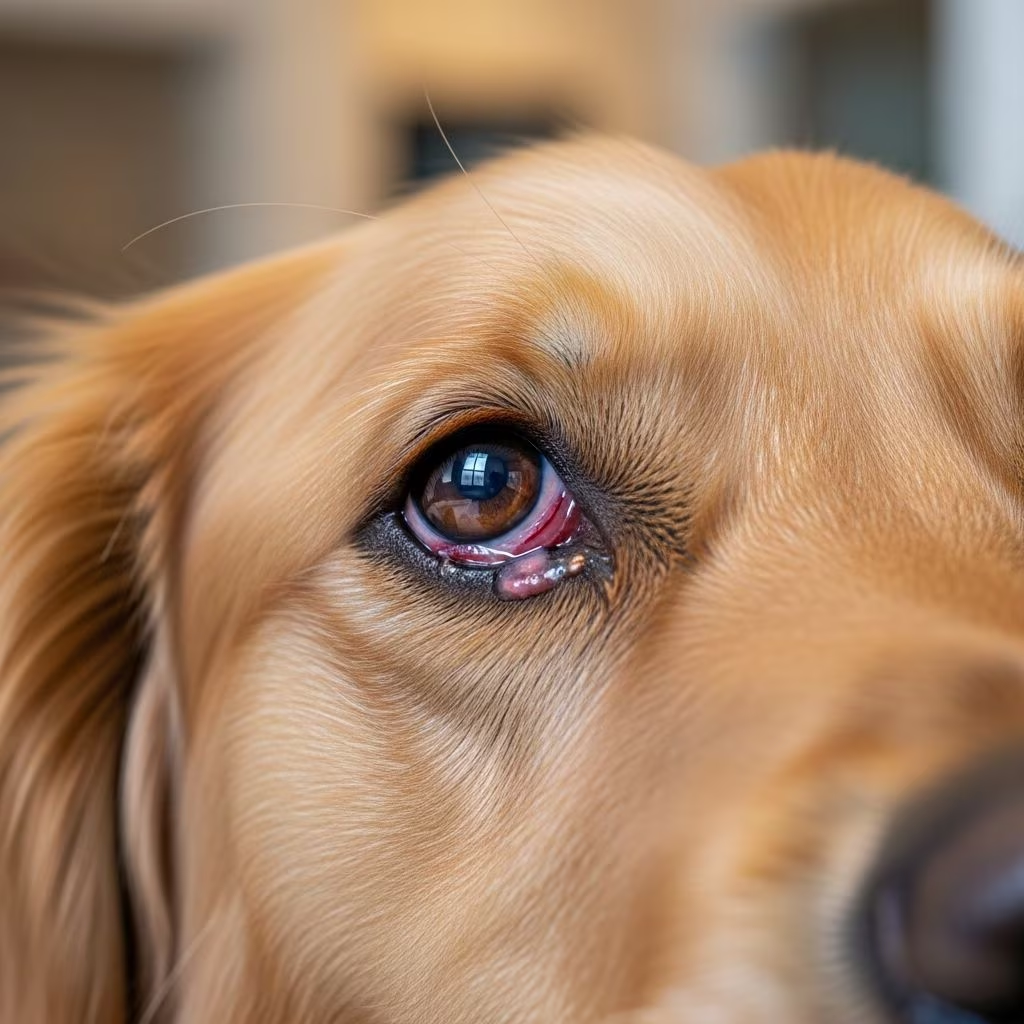
Conjunctivitis in Dogs: Understanding This Common Eye Condition
Conjunctivitis, commonly referred to as pink eye, is one of the most frequent eye conditions affecting dogs. This inflammation of the conjunctiva—the clear membrane that lines the inner surface of the eyelid and covers the white part of the eye—can develop for various reasons and requires prompt veterinary attention. Understanding the causes, recognizing the symptoms, and knowing the available treatment options can help you protect your dog’s vision and overall eye health. Whether your dog is experiencing mild irritation or severe eye discomfort, this comprehensive guide will provide you with the information needed to seek appropriate care.
What Causes Conjunctivitis in Dogs?
Conjunctivitis in dogs can develop from multiple underlying causes. Understanding what triggers this condition is essential for determining the most effective treatment approach. The causes of canine conjunctivitis can be broadly categorized into several types:
Infectious Causes
Bacterial and viral infections are among the most common triggers of conjunctivitis in dogs. Bacterial infections often respond well to antibiotic treatment, while viral infections may require antiviral therapy. These infectious agents can spread through direct contact with contaminated surfaces or other infected animals, making hygiene and isolation important during treatment.
Allergic Reactions
Dogs, like humans, can develop allergies that manifest as eye irritation. Environmental allergens such as pollen, dust, mold, and pet dander can trigger allergic conjunctivitis. Food allergies may also contribute to eye inflammation in some dogs. Identifying and eliminating the allergic trigger, when possible, is crucial for managing this type of conjunctivitis.
Foreign Objects and Trauma
Foreign materials lodged in the eye, such as dust, grass seeds, or debris, can cause significant irritation and inflammation. Additionally, trauma from scratches, blunt force, or self-inflicted injury from excessive pawing can result in conjunctivitis. Dogs may injure their own eyes when responding to pain from other ocular conditions.
Underlying Health Conditions
Several systemic and ocular conditions can lead to secondary conjunctivitis. Dry eye syndrome (keratoconjunctivitis sicca), eyelid abnormalities, corneal ulcers, glaucoma, and uveitis are examples of conditions that may produce conjunctivitis as a secondary symptom. Addressing the primary condition is often necessary to resolve the conjunctivitis.
Environmental Irritants
Exposure to smoke, harsh chemicals, chlorine, or other environmental irritants can inflame the conjunctiva. Some dogs may be particularly sensitive to these substances, developing conjunctivitis more readily than others.
Recognizing the Symptoms of Conjunctivitis
Early recognition of conjunctivitis symptoms can lead to faster diagnosis and treatment. Dog owners should be familiar with the following common signs of this condition:
Primary Symptoms
The most noticeable symptoms of canine conjunctivitis include redness of the eyes, which gives the condition its common name “pink eye.” Affected dogs often experience watery or mucoid discharge from the eyes, ranging from clear and watery to thick and purulent depending on the underlying cause. Many dogs with conjunctivitis will squint due to discomfort and light sensitivity. You may observe your dog frequently pawing at their eyes or rubbing their face against furniture and carpeting in attempts to relieve the irritation.
Additional Signs
Swelling of the conjunctiva, known as chemosis, is common. This swelling may give the eye a puffy or bulging appearance. Some dogs may develop visible swelling of the eyelids themselves. Light sensitivity often accompanies conjunctivitis, causing affected dogs to avoid bright areas or keep their eyes closed more frequently than normal.
Behavioral Changes
Dogs with conjunctivitis may exhibit behavioral changes related to eye discomfort. They might become less playful, avoid bright areas, or show increased irritability due to pain. In severe cases, vision problems may develop if the condition is left untreated, potentially affecting your dog’s ability to navigate their environment safely.
When to Contact Your Veterinarian
Contact your veterinarian immediately if your dog is experiencing significant discomfort and pain, having difficulty seeing, or if eye symptoms are persistent or worsen over time. Prompt veterinary intervention can prevent complications and potential vision loss. If left untreated, conjunctivitis can severely worsen and negatively impact your dog’s vision.
Diagnostic Procedures for Conjunctivitis
Your veterinarian will perform a thorough eye examination to diagnose conjunctivitis and determine its underlying cause. Several diagnostic tools and techniques may be employed:
Complete Eye Examination
During the initial examination, your veterinarian will conduct a full eye assessment, looking for signs of infection, inflammation, foreign objects, and any structural abnormalities. This examination provides the foundation for determining the appropriate treatment approach.
Fluorescein Stain Test
A fluorescein stain test involves placing a drop of dye into the dog’s eye, followed by examination under a blue light. This procedure helps identify scratches, ulcers, or other corneal abnormalities that may be contributing to eye inflammation. The stain adheres to damaged areas of the cornea, making them visible to the veterinarian and helping to guide treatment decisions.
Tonometry
Tonometry measures the pressure within the eye to detect glaucoma or other pressure-related conditions. During this test, the dog’s eye is numbed, and a tool called a tonometer is gently applied to the cornea. Abnormal eye pressure can be linked to conjunctivitis and other serious eye problems.
Additional Testing
When infection is suspected, your veterinarian may perform bacterial cultures or cytology samples to identify the specific infectious agent. These tests help determine whether antibiotics, antivirals, or other targeted treatments are necessary. In complex cases, your veterinarian may recommend referral to a veterinary ophthalmologist for specialized testing and treatment.
Treatment Options for Conjunctivitis in Dogs
Treatment for conjunctivitis in dogs depends entirely on the underlying cause. Your veterinarian will determine the most appropriate treatment plan based on your pet’s specific condition. Several treatment modalities are available:
Topical Medications
Antibiotic eye ointments and drops are commonly prescribed for bacterial conjunctivitis. Products such as Neo-Poly-Dex Ophthalmic Ointment contain antibiotics and anti-inflammatory agents that address both infection and inflammation. For dogs that cannot tolerate topical steroids—such as those with corneal ulcers—alternatives like Terramycin ointment may be recommended. Topical steroids can alleviate symptoms rapidly but should not be used long-term. As safer alternatives for extended use, topical cyclosporine or tacrolimus may be prescribed to reduce inflammation without the risks associated with prolonged corticosteroid use.
Systemic Medications
Oral antibiotics such as Clavamox may be prescribed in severe cases or for dogs that do not tolerate topical medications. For dogs with generalized allergies contributing to conjunctivitis, systemic therapy often controls ocular signs effectively. Oral steroids like prednisone may be administered to reduce inflammation or treat underlying immune-mediated diseases. Non-steroidal anti-inflammatory medications, including oral meloxicam or topical flurbiprofen, help reduce pain associated with eye conditions.
Supportive Care
Artificial tears can soothe and lubricate the eyes, improving symptoms particularly in dogs with viral infections or dry eye conditions. For allergic conjunctivitis, antihistamines such as hydroxyzine can reduce eye symptoms. Regular saline eye washes performed at your veterinarian’s office can remove allergens or foreign objects causing irritation.
Specialized Treatments
For dogs with dry eye syndrome, tear replacement therapies or medications that stimulate tear production are essential. Dogs with corneal ulcers, glaucoma, or uveitis often require multiple different eye medications in combination with oral medications. For severe cases refractory to topical treatment alone, subconjunctival corticosteroid injections may be administered directly into the lesion for rapid improvement.
Surgical Interventions
Surgery may be required to correct eyelid abnormalities, remove tumors contributing to conjunctivitis, or address blocked tear ducts. Dogs requiring sedation to remove foreign objects from the eye will benefit from professional removal under veterinary supervision.
Recovery and Long-Term Management
Most cases of conjunctivitis in dogs respond well to appropriate treatment. Typically, conjunctivitis episodes clear within seven to ten days with proper veterinary care, though some cases may require several weeks to fully resolve. During recovery, many dogs benefit from wearing an Elizabethan collar (cone) to prevent itching and pawing at their eyes, which could cause further irritation or damage.
Dogs with chronic underlying health conditions may experience recurrent flare-ups of conjunctivitis throughout their lives, requiring ongoing management and treatment. Following your veterinarian’s instructions closely when treating your dog at home is essential for optimal outcomes. Some conditions, such as atopy or dry eye, may necessitate lifelong treatment to maintain comfort and prevent recurrence.
Prevention and Home Care
While not all conjunctivitis can be prevented, certain measures can reduce your dog’s risk. Maintaining good hygiene, keeping your dog away from known irritants and allergens, and ensuring they have regular veterinary eye examinations support long-term eye health. Avoid exposure to smoke, harsh chemicals, and other environmental irritants when possible. If your dog has known allergies, work with your veterinarian to develop an allergen management plan.
Frequently Asked Questions About Conjunctivitis in Dogs
Q: How long does it take for conjunctivitis to clear in dogs?
A: Most cases of conjunctivitis clear within seven to ten days with appropriate treatment. However, some cases may require several weeks to fully resolve, particularly if an underlying chronic condition is involved.
Q: Is dog conjunctivitis contagious to humans?
A: Most cases of canine conjunctivitis are not contagious to humans. However, good hygiene practices when handling an affected dog are always recommended to prevent the spread of any potential infection.
Q: Can I treat my dog’s conjunctivitis at home?
A: While some supportive care can be provided at home, such as gentle eye cleaning with saline solution, professional veterinary diagnosis and treatment are necessary to properly address the underlying cause of conjunctivitis.
Q: What happens if conjunctivitis is left untreated?
A: If left untreated, conjunctivitis can severely worsen and potentially affect your dog’s vision. Prompt veterinary care helps prevent complications and protects your pet’s long-term eye health.
Q: Will my dog need to wear a cone during recovery?
A: Many dogs benefit from wearing an Elizabethan collar during recovery to prevent rubbing and pawing at their eyes, which could cause additional irritation or complications.
References
- Conjunctivitis in Dogs: Symptoms and Treatment — PetMD. 2025. https://www.petmd.com/dog/condition/eyes/conjunctivitis-in-dogs
- Diagnosing, Treating, and Managing Causes of Conjunctivitis in Dogs and Cats — Today’s Veterinary Practice. 2024. https://todaysveterinarypractice.com/ophthalmology/conjunctivitis-in-dogs-and-cats/
- Disorders of the Conjunctiva in Dogs — Merck Veterinary Manual. 2024. https://www.merckvetmanual.com/dog-owners/eye-disorders-of-dogs/disorders-of-the-conjunctiva-in-dogs
- Eyes on Fire: Managing Conjunctivitis in Dogs — University of Illinois College of Veterinary Medicine. 2020-05-15. https://vetmed.illinois.edu/2020/05/15/eyes-on-fire-managing-conjunctivitis-in-dogs/
- How to Spot and Treat Conjunctivitis in Dogs — Blue Cross. 2024. https://www.bluecross.org.uk/advice/dog/health-and-injuries/conjunctivitis-in-dogs



