

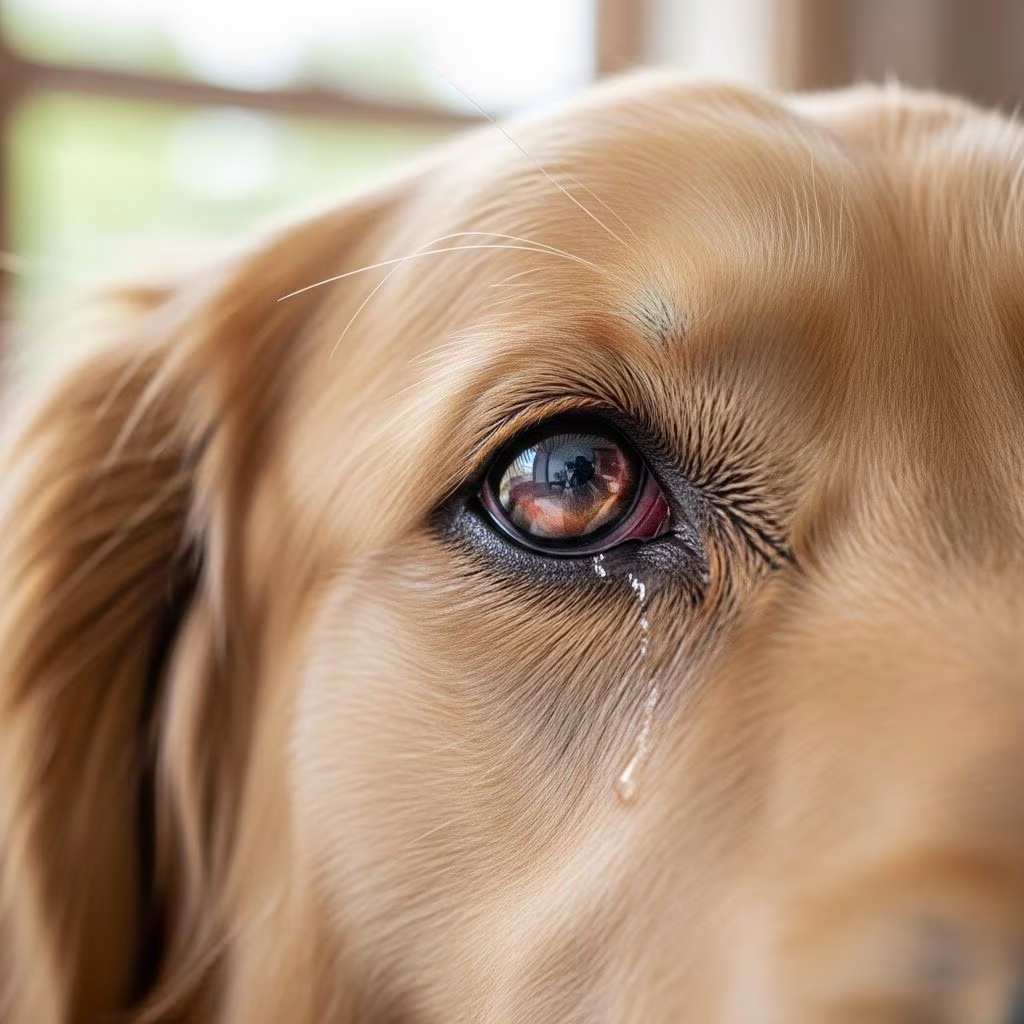
Understanding Conjunctivitis in Dogs
Conjunctivitis, commonly known as pink eye, is one of the most frequent eye conditions affecting dogs. This inflammation of the conjunctiva—the thin membrane covering the white part of the eye and the inner eyelids—can develop suddenly and cause significant discomfort to your pet. Dogs of all ages and breeds can develop conjunctivitis, and the condition can range from mild to severe depending on the underlying cause.
The conjunctiva plays a crucial role in protecting the eye and producing tears. When this delicate tissue becomes inflamed, it triggers a cascade of symptoms that pet owners should recognize and address promptly. Understanding the causes, symptoms, and available treatments will help you provide better care for your furry companion.
What Causes Conjunctivitis in Dogs?
Conjunctivitis in dogs has multiple potential causes, and identifying the specific trigger is essential for effective treatment. The causes can be broadly categorized into infectious, inflammatory, and structural categories.
Bacterial Infections
Bacterial conjunctivitis is one of the most common forms of the condition. Bacteria such as Staphylococcus and Streptococcus are particularly contagious among canines and readily cause infection of the conjunctiva. These bacteria may enter the eye through direct contact, environmental exposure, or secondary to other eye injuries. Dogs with compromised immune systems or those living in overcrowded conditions are at higher risk for bacterial conjunctivitis.
Viral Infections
Various viruses can trigger conjunctivitis in dogs, including canine herpesvirus and canine distemper virus. Viral conjunctivitis may present differently than bacterial forms and often requires alternative treatment approaches. Young puppies and unvaccinated dogs face increased susceptibility to viral causes.
Allergic Reactions
Environmental allergens such as pollen, dust, mold, and pet dander can cause allergic conjunctivitis. Additionally, chemical irritants like cigarette smoke, harsh cleaning products, and chlorine may trigger inflammatory responses. Dogs with underlying allergic conditions are particularly prone to developing conjunctivitis as part of their allergic response.
Underlying Health Conditions
Conjunctivitis often develops secondary to other eye problems. Conditions such as keratoconjunctivitis sicca (dry eye), corneal ulcers, eyelid abnormalities, glaucoma, and uveitis can all lead to conjunctival inflammation. Additionally, systemic diseases affecting the immune system may predispose dogs to conjunctivitis.
Physical Trauma and Foreign Objects
Injuries to the eye, scratches on the cornea, or foreign objects lodged in the eye can cause conjunctival inflammation. Some dogs may injure their own eyes through excessive rubbing when experiencing other ocular discomforts.
Recognizing Symptoms of Conjunctivitis
Early recognition of conjunctivitis symptoms allows for prompt veterinary intervention and faster recovery. Pet owners should watch for the following signs:
- Redness or inflammation of the white part of the eye and inner eyelids
- Watery, mucoid, or purulent eye discharge that may be clear, cloudy, yellow, or green
- Excessive squinting or keeping the affected eye partially closed
- Pawing or rubbing at the affected eye
- Swelling around the eye and eyelids
- Light sensitivity (photophobia), causing your dog to avoid bright areas
- Excessive blinking or tearing
- Crusting around the eye, particularly after sleep
Some dogs may experience mild discomfort, while others display significant pain and irritation. If your dog exhibits any combination of these symptoms, especially if they persist for more than a few days or worsen despite home care, professional veterinary evaluation is warranted.
Diagnostic Procedures for Conjunctivitis
Veterinarians employ several diagnostic tools to determine the underlying cause of conjunctivitis and develop an appropriate treatment plan.
Clinical Examination
In most dogs, a thorough physical examination of the eye reveals sufficient information to diagnose conjunctivitis. Your veterinarian will examine both eyes closely, assess the nature of the discharge, and evaluate the degree of inflammation and discomfort.
Fluorescein Stain Test
This diagnostic procedure involves applying a fluorescent dye to the eye’s surface, followed by examination under a blue light. This test identifies scratches, ulcers, or erosions on the cornea that might be contributing to or resulting from the conjunctivitis. Any abnormalities that appear bright green under the blue light indicate potential corneal damage requiring specific treatment.
Tonometry
A tonometer is a specialized instrument used to measure intraocular pressure within the eye. After numbing the eye surface, the veterinarian gently applies the tonometer to the cornea. Abnormal eye pressure may be linked to underlying conditions such as glaucoma or uveitis that are contributing to the conjunctivitis.
Additional Diagnostic Tests
Depending on the clinical presentation, your veterinarian may recommend additional tests such as conjunctival cytology (examining cells from the conjunctiva under a microscope), bacterial culture and sensitivity testing, or blood work to identify systemic causes of conjunctivitis. In chronic or refractory cases, conjunctival biopsy may be performed for confirmation and to rule out other conditions.
Treatment Options for Conjunctivitis
Treatment for conjunctivitis is directed at addressing the specific underlying cause and may involve both topical and oral medications. The appropriate treatment plan depends on the diagnosis and severity of the condition.
Topical Medications
Topical antibiotic ointments and eye drops are among the most commonly prescribed treatments for bacterial conjunctivitis. Products containing antibiotics and anti-inflammatory agents, such as Neo-Poly-Dex Ophthalmic Ointment, effectively reduce bacterial populations and inflammation. Terramycin ointment provides an alternative for dogs that cannot tolerate topical steroids, such as those with corneal ulcers.
Anti-inflammatory Therapies
Topical steroids reduce inflammation and provide symptomatic relief for dogs with various forms of conjunctivitis. However, long-term use should be avoided without veterinary supervision. For immune-mediated conjunctivitis or cases with chronic underlying health conditions, topical cyclosporine or tacrolimus may be prescribed. These medications help regulate immune responses and can often be used long-term when combined with periodic topical corticosteroid therapy.
Artificial Tears and Lubricants
Dogs with viral infections or dry eye conditions benefit from artificial tear solutions and lubricating gels. These products soothe the ocular surface, provide moisture, and create a protective barrier against environmental irritants. Topical ophthalmic lubricating gel can be applied as needed, particularly before outdoor activities.
Antihistamines
Dogs suffering from allergic conjunctivitis respond well to antihistamines such as hydroxyzine. These medications reduce the allergic inflammatory response and provide symptomatic relief. Antihistamines work by blocking histamine release from mast cells, thereby reducing itching and inflammation.
Oral Medications
In severe cases or for dogs that do not tolerate topical medications, oral antibiotics such as Clavamox may be prescribed. Oral steroids like prednisone help control systemic inflammation or treat underlying immune-mediated diseases. Non-steroidal anti-inflammatory drugs (NSAIDs), such as oral meloxicam or topical flurbiprofen, effectively reduce pain associated with underlying eye conditions.
Specialized Treatments
For specific conditions contributing to conjunctivitis, specialized medications may be necessary. Dogs with glaucoma or uveitis may receive medications such as dorzolamide or atropine sulfate. Those with chronic immune-mediated conditions might benefit from a combination approach using both topical corticosteroids and cyclosporine or tacrolimus therapy.
Surgical Interventions
In cases where conjunctivitis results from physical abnormalities or structural problems, surgical correction may be necessary. Dogs with eyelid or eyelash abnormalities require surgical correction to prevent ongoing irritation. Blocked tear ducts may need surgical intervention, and foreign objects lodged in the eye require careful removal, typically under sedation or anesthesia.
Managing Recovery and Home Care
Proper home care significantly impacts recovery speed and outcome. Following your veterinarian’s treatment instructions closely is essential for successful management of conjunctivitis.
Medication Administration
Administering eye medications can be challenging for pet owners. When applying eye drops or ointments, gently pull down the lower eyelid to create a small pocket, then dispense the medication into this space. Allow your dog’s eye to close naturally so the medication can distribute across the eye surface. Never touch the applicator tip directly to the eye, as this can introduce contamination.
Eye Cleaning
Regular saline rinses help keep the eye clean and free of discharge. Use a sterile saline solution and clean gauze or cotton balls to gently wipe away any crusting or discharge. Perform this cleaning as recommended by your veterinarian, typically once to twice daily for follicular conjunctivitis or as needed for other types.
Protective Measures
Dogs may need to wear an Elizabethan collar (cone) during recovery to prevent scratching and pawing at their eyes, which can worsen the condition and delay healing. The cone protects the eye from further self-inflicted trauma while the conjunctiva heals. Most dogs adjust to the collar within a few hours, and it should remain on until your veterinarian confirms the eye has sufficiently recovered.
Environmental Modifications
For allergic conjunctivitis, identify and eliminate known allergens when possible. Reduce exposure to cigarette smoke, dust, harsh chemicals, and other environmental irritants. Consider using air filters in your home and maintaining appropriate humidity levels to minimize airborne irritants.
Recovery Timeline and Long-term Management
Most episodes of conjunctivitis resolve within seven to ten days with appropriate veterinary treatment. However, some cases may require a few weeks for complete resolution, particularly those involving corneal involvement or underlying conditions.
Dogs with chronic underlying health conditions may experience recurring flare-ups of conjunctivitis throughout their lives. These animals require ongoing management and close monitoring. Regular veterinary check-ups help detect early signs of recurrence, allowing for prompt treatment before symptoms become severe.
For dogs requiring long-term management with conditions like immune-mediated conjunctivitis, a combination therapy approach often works best initially. Once inflammation is controlled, many dogs can be maintained on cyclosporine or tacrolimus alone, with short courses of corticosteroids used to manage occasional flare-ups.
When to Seek Emergency Veterinary Care
While most cases of conjunctivitis respond well to outpatient treatment, certain situations warrant immediate veterinary attention. Contact your veterinarian urgently if your dog experiences severe eye pain, sudden vision loss, eye discharge accompanied by fever or systemic illness, or if symptoms worsen despite treatment. Additionally, if the eye appears severely swollen, the cornea appears cloudy or ulcerated, or if discharge is profuse and purulent, emergency evaluation is necessary.
Prevention Strategies
While not all cases of conjunctivitis can be prevented, several measures reduce the risk. Maintain your dog’s vaccinations to protect against viral causes, keep the area around your dog’s eyes clean and dry, minimize exposure to environmental irritants, ensure proper tear production through health maintenance, and promptly treat any underlying eye conditions or allergies. Additionally, avoid exposing your dog to other animals with obvious eye infections.
Frequently Asked Questions
Q: Is conjunctivitis in dogs contagious to humans?
A: Most cases of bacterial or viral conjunctivitis in dogs are not directly transmissible to humans. However, good hygiene practices are recommended when handling an affected dog. Always wash your hands thoroughly after touching an infected eye or applying medications.
Q: Can conjunctivitis in dogs be prevented?
A: While not all cases can be prevented, maintaining current vaccinations, minimizing exposure to irritants, treating underlying allergies, and promptly addressing eye injuries significantly reduce the risk of developing conjunctivitis.
Q: How long does treatment for conjunctivitis take?
A: Most cases resolve within seven to ten days with appropriate treatment. However, some cases may require several weeks, and chronic conditions may require ongoing management throughout the dog’s life.
Q: What should I do if my dog won’t let me apply eye drops?
A: If your dog resists topical medication, inform your veterinarian. Alternative forms such as oral antibiotics or ointments may be prescribed. Your veterinarian can also provide techniques to make application easier or recommend sedation if necessary.
Q: Will conjunctivitis cause permanent damage to my dog’s vision?
A: With prompt and appropriate veterinary treatment, most cases of conjunctivitis do not cause permanent vision damage. However, untreated or severely neglected cases, particularly those involving corneal ulceration, can potentially lead to vision impairment or loss.
References
- Conjunctivitis in Dogs: Symptoms and Treatment — PetMD. 2024. https://www.petmd.com/dog/condition/eyes/conjunctivitis-in-dogs
- How to Spot and Treat Conjunctivitis in Dogs — Blue Cross. 2024. https://www.bluecross.org.uk/advice/dog/health-and-injuries/conjunctivitis-in-dogs
- Eyes on Fire: Managing Conjunctivitis in Dogs — University of Illinois College of Veterinary Medicine. 2020. https://vetmed.illinois.edu/2020/05/15/eyes-on-fire-managing-conjunctivitis-in-dogs/
- Diagnosing, Treating, and Managing Causes of Conjunctivitis in Dogs and Cats — Today’s Veterinary Practice. 2024. https://todaysveterinarypractice.com/ophthalmology/conjunctivitis-in-dogs-and-cats/
- Conjunctivitis in Dogs — VCA Animal Hospitals. 2024. https://vcahospitals.com/know-your-pet/conjunctivitis-in-dogs
- Conjunctivitis in Dogs: A Comprehensive Guide for Pet Owners — MedVet. 2024. https://www.medvet.com/conjunctivitis-in-dogs/
- Conjunctivitis in Dogs — PDSA. 2024. https://www.pdsa.org.uk/pet-help-and-advice/pet-health-hub/symptoms/conjunctivitis-in-dogs



