

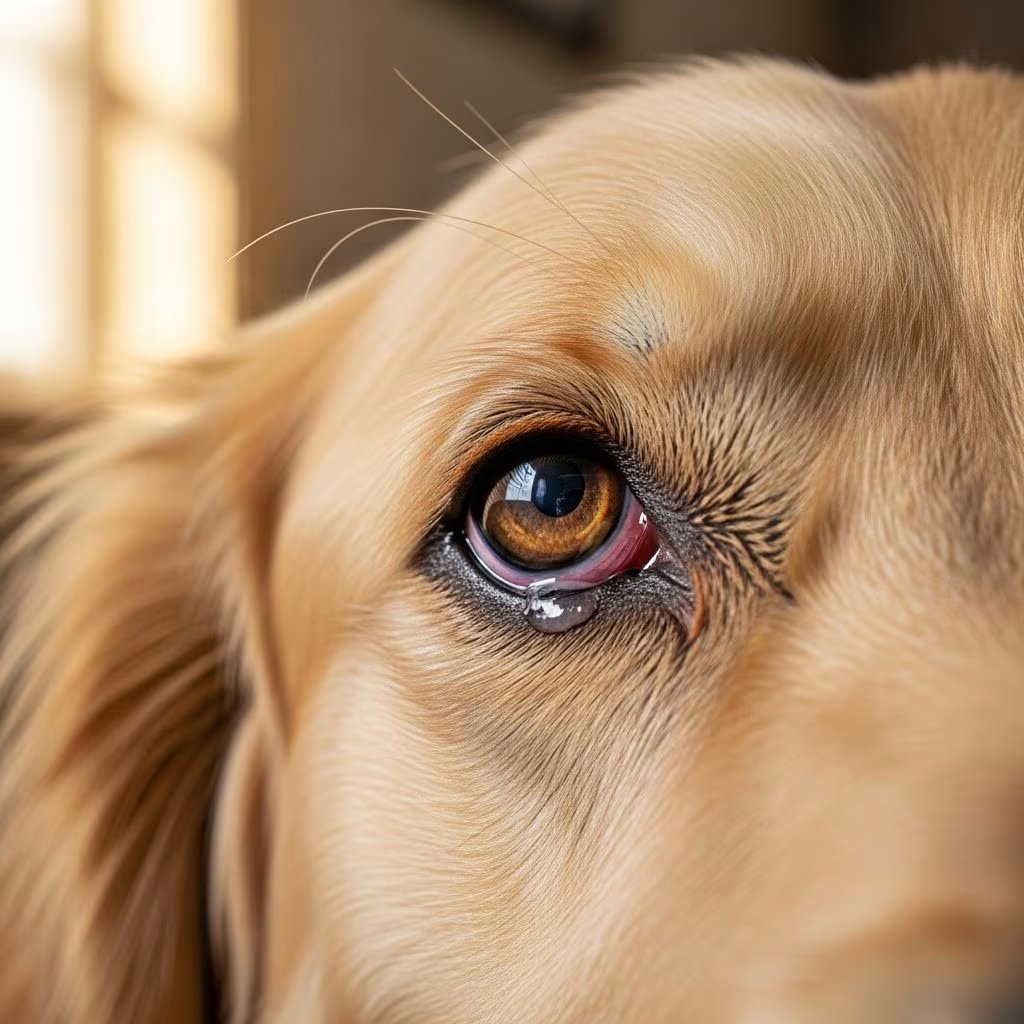
What is Conjunctivitis in Dogs?
Conjunctivitis, commonly known as pink eye, is an inflammation of the conjunctiva—the thin, transparent membrane that lines the inside of your dog’s eyelids and covers the white part of the eye. When this tissue becomes inflamed, it results in visible redness, discharge, and significant discomfort for your pet. This condition is one of the most common eye problems affecting dogs of all ages and breeds, and while it can develop suddenly, it is generally very treatable when diagnosed and managed promptly by a veterinary professional.
The conjunctiva plays a crucial role in protecting your dog’s eyes and maintaining proper tear production. When inflammation occurs, it disrupts the normal protective mechanisms, leading to the characteristic symptoms pet owners observe. Understanding the nature of this condition is the first step toward recognizing signs in your own dog and seeking appropriate veterinary care.
Common Causes of Conjunctivitis in Dogs
Conjunctivitis in dogs can develop from numerous different causes, and identifying the underlying reason is essential for effective treatment. Unlike in humans and cats, conjunctivitis in dogs is often due to allergies or irritation rather than surface infections.
Allergic Conjunctivitis
Allergies represent one of the most common causes of conjunctivitis in dogs. These may be seasonal, related to inhalant allergens such as pollen, dust, or mold, or they may occur year-round in response to specific environmental triggers. Dogs with allergic conjunctivitis typically have red, itchy, watery eyes and may experience mild discharge. Allergies are not contagious between dogs and can often be managed with appropriate antihistamines and anti-inflammatory medications.
Infectious Causes
Infectious agents can also trigger conjunctivitis in dogs through several different pathways:
Viral Infections: Canine herpesvirus-1 (CHV-1) is the most commonly observed virus causing primary conjunctivitis in dogs. This virus can present as unilateral (one eye) or bilateral (both eyes) disease and is particularly common in young dogs or those with compromised immune systems. Canine distemper virus and canine adenovirus-2 are other viral agents that may cause conjunctivitis, though these typically present with concurrent systemic illness. Viral conjunctivitis can spread easily between dogs and may take up to three weeks to resolve.
Bacterial Infections: While less common as a primary cause than in other species, bacterial infections such as Staphylococcus can cause conjunctivitis in dogs, often appearing as a secondary problem associated with an underlying condition. Bacterial conjunctivitis typically produces green or yellow discharge and may spread to other dogs.
Parasitic Infections: Certain parasites can infect the conjunctiva, though this is relatively uncommon in dogs in developed countries.
Structural and Anatomical Issues
Several eye-related conditions can lead to secondary conjunctivitis through structural abnormalities:
– Entropion (inward-rolling eyelids)- Ectropion (outward-rolling eyelids)- Distichiasis (extra eyelashes)- Ectopic cilia (abnormally positioned eyelashes)- Trichiasis (ingrown hairs rubbing the eye surface)- Eyelid masses or tumors- Tear duct obstruction
Environmental and Mechanical Causes
External factors frequently trigger conjunctivitis in dogs through direct irritation:
– Foreign bodies such as grass seeds, sand, or debris lodged under the eyelids- Chemical irritation from shampoos or environmental pollutants- Smoke, dust, or mold exposure- Eye injuries or trauma- Scratches from fighting or playing
Tear Production Deficiency
Keratoconjunctivitis sicca (KCS), commonly known as dry eye, impairs a dog’s natural ability to produce sufficient tears for proper eye lubrication. Without adequate tears, the conjunctiva becomes inflamed and secondary bacterial infections often develop. This condition requires specialized treatment to stimulate tear production.
Other Underlying Eye Diseases
Conjunctivitis may develop secondary to other serious eye conditions including glaucoma, corneal ulcers, and anterior uveitis. Additionally, certain breed-specific conditions such as nodular episcleritis in Collies and plasma cell conjunctivitis (especially common in German Shepherds) can predispose dogs to conjunctivitis.
Symptoms and Clinical Signs
Recognizing the symptoms of conjunctivitis allows pet owners to seek timely veterinary treatment. Common signs include:
– Red or pink discoloration of the whites of the eyes- Swelling of the conjunctiva and eyelids- Watery discharge or excessive tearing- Thick, mucoid, or purulent (pus-containing) discharge- Excessive blinking or squinting- Eyes held partially or completely closed- Pawing or rubbing at the eyes- Sensitivity to light- Crusting around the eyelids
The severity and specific presentation of symptoms often correlate with the underlying cause. Allergic conjunctivitis typically presents with watery discharge and intense itching, while bacterial infections usually produce thicker, colored discharge. Viral conjunctivitis may develop more acutely and spread rapidly.
Diagnosis and Evaluation
Proper diagnosis is critical for determining the most appropriate treatment plan. Your veterinarian will perform a comprehensive eye examination that may include:
– Visual inspection of the eye and surrounding tissues- Assessment of tear production using a Schirmer tear test- Evaluation of the cornea using fluorescein dye to detect ulcers- Intraocular pressure measurement if glaucoma is suspected- Conjunctival or episcleral biopsy to confirm immune-mediated conditions- Bacterial or viral cultures if infectious disease is suspected- Careful examination of the eyelids to identify structural abnormalities
In most cases, diagnosis can be made based on clinical appearance alone. However, when the cause is not immediately obvious or when more serious underlying conditions are suspected, additional diagnostic testing may be recommended to guide treatment decisions.
Treatment Options
Treatment for conjunctivitis is directed at addressing the specific underlying cause and may include both topical and oral medications. The approach varies considerably depending on the diagnosis.
Allergic Conjunctivitis Treatment
For conjunctivitis caused by allergies, treatment typically includes:
– Antihistamines administered orally or as eye drops- Topical corticosteroid eye drops applied 2-3 times daily for short durations (1-2 weeks)- Steroid medications to reduce inflammation- Artificial tear solutions to provide lubrication and comfort- Cold compresses to soothe irritation and reduce swelling- Anti-inflammatory medications as needed
In most cases, allergy-related symptoms improve within a few days of starting appropriate treatment. For chronic allergic conjunctivitis, identifying and minimizing exposure to the offending allergen is important for long-term management.
Bacterial Infection Treatment
When bacterial infection is confirmed or suspected, treatment typically includes:
– Topical antibiotic eye drops or ointments applied multiple times daily- Systemic antibiotics in some cases- Lubricating eye drops to support healing- Prevention of secondary complications
However, it is important to identify and address the underlying cause of the bacterial infection, such as dry eye, eyelid abnormalities, or foreign bodies, as treating only the infection without resolving the primary problem often results in recurrence.
Viral Conjunctivitis Management
For viral conjunctivitis, particularly CHV-1 infection, treatment goals focus on shortening the duration of clinical disease and preventing more severe complications:
– Topical or systemic antiviral therapy- Antibiotics to prevent secondary bacterial infection- Lubricating solutions to maintain eye moisture- Anti-inflammatory medications for symptom relief
Treatment must always include prevention of secondary bacterial infection, as this is a common complication of viral conjunctivitis.
Treatment for Structural Abnormalities
When conjunctivitis results from eyelid or eyelash abnormalities, definitive treatment involves removal or correction of the irritant:
– Surgical correction of entropion or ectropion- Cryoepilation (freezing removal) of abnormal cilia or ingrown hairs- Removal of foreign bodies under sedation or local anesthesia- Tear duct surgery for obstructed tear ducts, followed by eye drops and antibiotics
Dry Eye Treatment
Dogs diagnosed with keratoconjunctivitis sicca (KCS) require specialized treatment to stimulate tear production:
– Cyclosporine or tacrolimus eye drops applied topically to stimulate tear production- Ocular surface lubricants and artificial tears- Additional topical corticosteroids during inflammatory flare-ups- Combinations of cyclosporine or tacrolimus with corticosteroids for severe cases- Oral medications such as niacinamide and tetracycline for dogs unable to tolerate topical therapy
Lifelong therapy is generally required for dry eye management, though many dogs can eventually be maintained on cyclosporine or tacrolimus alone once the condition is controlled.
Immune-Mediated Conjunctivitis
For plasma cell conjunctivitis and other immune-mediated conditions, treatment includes:
– Topical corticosteroids such as prednisolone acetate 1% or dexamethasone 0.1%- Cyclosporine and tacrolimus for long-term management- Combination therapy for rapid improvement and gradual tapering of corticosteroids- Subconjunctival corticosteroid injections for severe or refractory cases
Traumatic Conjunctivitis
Blunt or penetrating ocular trauma requires careful management including:
– Lubricating solutions and artificial tears- Antibiotics to prevent infection- Anti-inflammatory medications- Prevention of self-trauma through use of an Elizabethan collar (buster collar)- Assessment for more serious underlying eye damage
Home Care and Management
While professional veterinary treatment is essential, appropriate home care supports recovery and prevents complications:
– Administer all prescribed medications exactly as directed- Use an Elizabethan collar if recommended to prevent scratching and further irritation- Gently clean discharge from around the eyes with warm, damp cloths- Avoid exposing your dog to known irritants or allergens- Provide a clean, dust-free environment during recovery- Monitor for worsening symptoms and contact your veterinarian immediately if improvement is not observed
Frequently Asked Questions
Q: Is conjunctivitis in dogs contagious to other dogs?
A: Contagiousness depends on the cause. Viral and bacterial conjunctivitis can spread between dogs, while allergic conjunctivitis is not contagious. Your veterinarian will advise on appropriate isolation measures based on the diagnosis.
Q: Can I use human eye drops on my dog?
A: No, you should never use human eye drops or medications on your dog without explicit veterinary approval. Dog eyes have different sensitivities, and human medications may contain ingredients harmful to canine eyes. Always use medications prescribed by your veterinarian.
Q: How long does it take for conjunctivitis to resolve?
A: Recovery time depends on the underlying cause. Allergic conjunctivitis may improve within a few days, while viral infections can take up to three weeks. Bacterial infections typically resolve within 1-2 weeks with appropriate treatment. Some conditions, like dry eye, require long-term management.
Q: Will my dog’s vision be affected by conjunctivitis?
A: Uncomplicated conjunctivitis typically does not permanently damage vision. However, if the condition progresses to involve the cornea or if serious underlying eye diseases are present, vision may be affected. Prompt treatment prevents such complications.
Q: Should I use a cone on my dog if they have conjunctivitis?
A: Yes, an Elizabethan collar (cone) is often recommended to prevent your dog from scratching or rubbing at their eyes, which can cause additional damage and slow healing. Your veterinarian will advise whether one is necessary for your dog’s specific situation.
Q: Can conjunctivitis recur in dogs?
A: Yes, conjunctivitis can recur, particularly if the underlying cause is not addressed or if your dog has a chronic condition like allergies or dry eye. Identifying and managing the root cause helps prevent recurrence.
References
- Conjunctivitis in Dogs — VCA Animal Hospitals. Accessed 2025. https://vcahospitals.com/know-your-pet/conjunctivitis-in-dogs
- Diagnosing, Treating, and Managing Causes of Conjunctivitis in Dogs and Cats — Today’s Veterinary Practice. 2025. https://todaysveterinarypractice.com/ophthalmology/conjunctivitis-in-dogs-and-cats/
- Eyes on Fire: Managing Conjunctivitis in Dogs — University of Illinois College of Veterinary Medicine. 2020-05-15. https://vetmed.illinois.edu/2020/05/15/eyes-on-fire-managing-conjunctivitis-in-dogs/
- Causes & Treatments for Conjunctivitis in Dogs — Carolina Veterinary Specialists. 2020-07-24. https://www.greensboro.carolinavet.com/site/greensboro-specialty-veterinary-blog/2020/07/24/causes–treatments-for-conjunctivitis-in-dogs
- Conjunctivitis (Pink Eye) in Dogs — Small Door Veterinary. Accessed 2025. https://www.smalldoorvet.com/learning-center/medical/pink-eye-in-dogs
- How to spot and treat conjunctivitis in dogs — Blue Cross UK. Accessed 2025. https://www.bluecross.org.uk/advice/dog/health-and-injuries/conjunctivitis-in-dogs
- Conjunctivitis in dogs – PDSA — People’s Dispensary for Sick Animals. Accessed 2025. https://www.pdsa.org.uk/pet-help-and-advice/pet-health-hub/symptoms/conjunctivitis-in-dogs



