

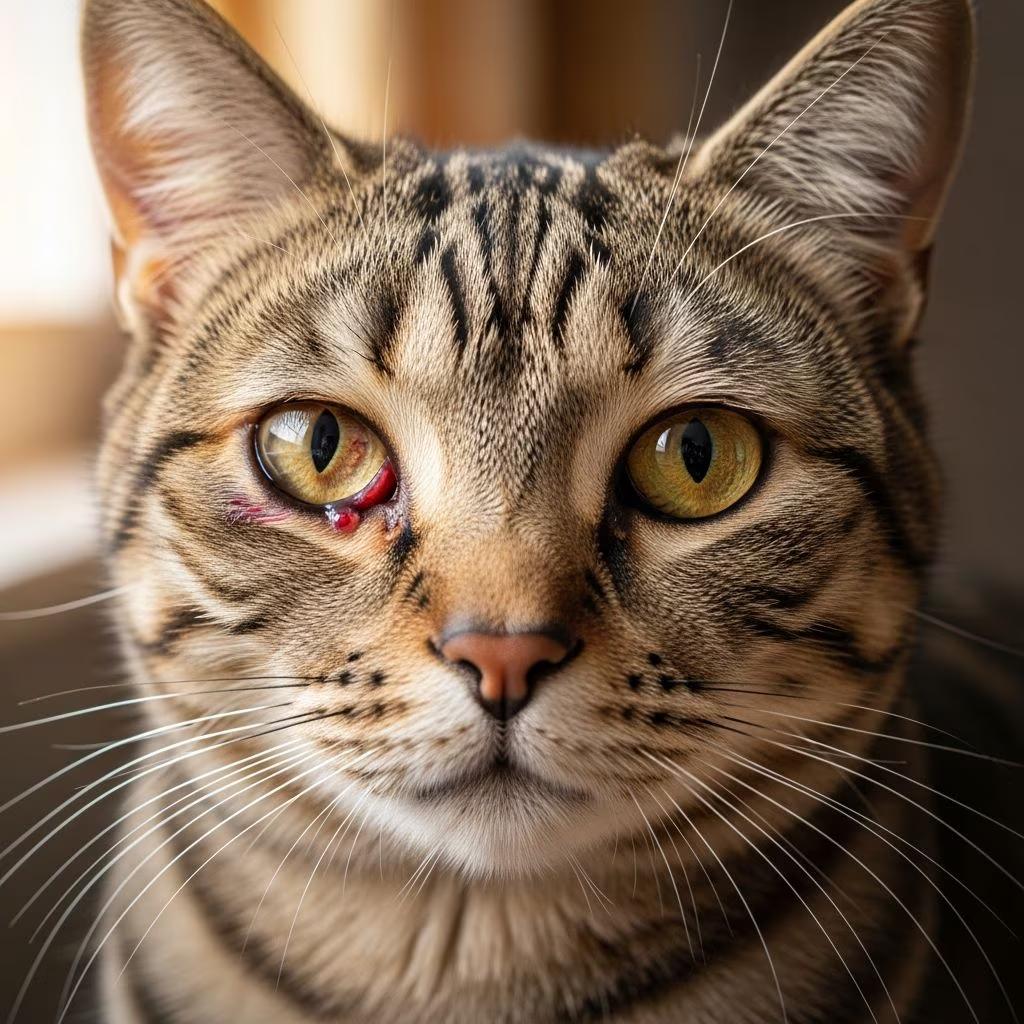
Understanding Conjunctivitis in Cats
Conjunctivitis, commonly known as pink eye, is one of the most frequently encountered eye conditions in cats. This inflammation of the conjunctiva—the thin membrane that covers the white part of the eye and lines the inside of the eyelids—can affect one or both eyes and may be caused by various infectious agents, environmental irritants, or underlying health conditions. Understanding this condition is essential for cat owners, as early recognition and prompt veterinary treatment can prevent complications and ensure a faster recovery.
The conjunctiva plays a crucial role in protecting the eye and maintaining its health. When this delicate tissue becomes inflamed, it triggers a cascade of symptoms that can be uncomfortable or even painful for your feline companion. While many cases of conjunctivitis resolve relatively quickly with appropriate treatment, some cats may develop chronic or recurrent episodes that require ongoing management.
What Causes Conjunctivitis in Cats?
Conjunctivitis in cats can develop due to numerous causes, and identifying the underlying trigger is essential for determining the most effective treatment approach. The causes fall into several broad categories:
Infectious Causes
Viral infections are among the most common causes of conjunctivitis in cats. Feline herpesvirus (FHV-1) is the leading viral culprit, often accompanied by upper respiratory symptoms such as sneezing, nasal discharge, and fever. This virus is particularly prevalent in multi-cat households and shelters. Bacterial infections may occur as primary infections or as secondary complications following viral conjunctivitis. Chlamydia felis is a bacterium that commonly causes conjunctivitis in cats, particularly in younger animals or those in crowded environments. Feline calicivirus and other pathogens can also contribute to conjunctival inflammation.
Non-Infectious Causes
Environmental irritants such as smoke, dust, pollen, and chemical fumes can trigger allergic or irritant conjunctivitis. Foreign bodies lodged beneath the eyelid or on the eye’s surface frequently cause conjunctival inflammation. Traumatic injuries from scratches, fights, or self-inflicted trauma from excessive rubbing can damage the conjunctiva. Corneal ulcers and other ocular diseases may manifest with conjunctivitis as a secondary symptom. Additionally, some cats develop immune-mediated conjunctivitis where the immune system inappropriately targets the conjunctival tissue.
Recognizing the Symptoms
Identifying conjunctivitis early allows for prompt intervention and prevents potential complications. Cat owners should watch for the following signs:
Common Clinical Signs
Eye redness and swelling: The conjunctiva and surrounding tissues may appear noticeably red or inflamed. Abnormal discharge: Discharge may range from clear and watery to thick, cloudy, yellow, or green, depending on the underlying cause. Squinting and excessive blinking: Cats with conjunctivitis frequently squint or blink excessively due to discomfort or light sensitivity. Swelling of the eyelid or conjunctiva: The eyelids may appear puffy or swollen, and the conjunctiva itself may swell dramatically in some cases. Excessive tearing: You may notice increased tear production or wet fur around the affected eye.
Additional Symptoms with Infectious Conjunctivitis
When conjunctivitis results from infectious causes, particularly viral infections, cats may exhibit systemic symptoms including sneezing, nasal discharge, fever, lethargy, decreased appetite, and other signs of upper respiratory infection. These accompanying symptoms help veterinarians differentiate between infectious and non-infectious forms of conjunctivitis.
Behavioral Changes
Affected cats often rub or paw at their eyes in an attempt to relieve discomfort. This self-trauma can exacerbate the condition and potentially lead to serious complications such as corneal ulceration. Some cats may hide or show reluctance to interact due to eye pain and light sensitivity.
Diagnosis and Veterinary Evaluation
A thorough veterinary examination is essential for accurately diagnosing conjunctivitis and identifying its underlying cause. Your veterinarian will perform a comprehensive eye examination using specialized equipment such as an ophthalmoscope or slit lamp to visualize the structures of the eye and conjunctiva. They may conduct various diagnostic tests to determine the cause:
Fluorescein staining: This dye helps identify corneal ulcers or abrasions that may accompany conjunctivitis. Culture and sensitivity testing: If bacterial infection is suspected, samples may be cultured to identify the specific organism and determine which antibiotics will be most effective. PCR testing: Polymerase chain reaction tests can identify viral pathogens such as feline herpesvirus or calicivirus. Cytology: Microscopic examination of conjunctival cells can reveal the presence of inflammatory cells, bacteria, or viral inclusions.
Treatment Options for Feline Conjunctivitis
Treatment for conjunctivitis is tailored to the underlying cause and severity of the condition. Most cases respond well to prompt veterinary care, with symptoms typically resolving within one to two weeks. However, some cats may develop complications or experience chronic conjunctivitis requiring longer-term management.
Topical Medications
Eye drops and ointments form the cornerstone of conjunctivitis treatment. Antibiotic eye drops or ointments are frequently prescribed, typically applied two to four times daily for two to three weeks. Even when viral infection is suspected, antibiotics may be used to prevent secondary bacterial infections, which commonly occur following viral conjunctivitis. Antiviral eye medications may be prescribed for cases caused by feline herpesvirus. These medications help reduce viral replication and accelerate recovery. Anti-inflammatory medications such as topical corticosteroids help reduce conjunctival inflammation and pain, though their use requires careful veterinary oversight to avoid complications.
Oral Medications
Depending on the diagnosis and your cat’s overall condition, oral medications may be prescribed. Systemic antibiotics such as doxycycline or azithromycin may be necessary, particularly for Chlamydia felis infections or when topical therapy alone proves insufficient. Antiviral medications can help manage viral conjunctivitis, especially in cases of recurring feline herpesvirus flare-ups. Pain relief medications help alleviate discomfort during the healing process. Supplements such as L-lysine may be recommended for cats with feline herpesvirus conjunctivitis, as this amino acid helps slow viral replication.
Supportive Care
Elizabethan collars: These protective collars prevent cats from scratching or rubbing their eyes, which could cause additional trauma and potentially lead to corneal ulceration. Eye hygiene: Gently cleaning away accumulated discharge with a warm, damp cloth can provide comfort and prevent crust formation. Environmental management: Reducing stress through environmental modifications, the use of feline pheromone products like Feliway, or anxiety medications can help prevent recurrent viral conjunctivitis flare-ups.
Administering Eye Medications to Your Cat
Many cat owners find administering eye medications challenging. Following these tips can make the process smoother for both you and your feline companion:
Pique their curiosity: Make a noise or engage your cat’s attention if they resist opening their eyes. Approach from the side or behind: Administering medication from behind or to the side of the cat’s head is less startling than approaching directly from the front. Positive reinforcement: Offer treats, playtime, or praise immediately after medication administration to create a positive association. Complete the full course: Continue administering medications for the entire prescribed duration, even if symptoms improve. Stopping prematurely can result in infection recurrence or worsening.
Prevention Strategies in Multi-Cat Households
If you have multiple cats, special precautions are necessary to prevent conjunctivitis transmission:
Isolation: Temporarily separate an affected cat from other household cats to minimize transmission of infectious agents. Hygiene practices: Wash your hands thoroughly after handling an infected cat before interacting with other felines. Environmental cleaning: Wash bedding, toys, food bowls, and other items that may have contacted the infected cat’s secretions. Stress reduction: Use feline pheromone products and maintain a calm environment to support immune function in all household cats. Individual resources: Provide separate litter boxes, food bowls, and water dishes for each cat to minimize contact.
Recovery and Prognosis
The outlook for cats with conjunctivitis is generally favorable when treatment is initiated promptly. Most simple cases resolve within seven to fourteen days of appropriate veterinary treatment. However, recovery timelines vary depending on the underlying cause, severity, and your cat’s overall health status.
Viral conjunctivitis caused by feline herpesvirus is self-limiting and typically resolves within two weeks, though treatment remains important to manage symptoms and prevent complications. Bacterial conjunctivitis generally responds well to antibiotic therapy, with most cases clearing within one to three weeks. Chronic or recurrent conjunctivitis may require weeks to months of ongoing management, particularly in cats with immune-mediated disease or persistent viral infections.
Potential Complications
While most cases of conjunctivitis resolve without incident, complications can occur if treatment is delayed or inadequate. Self-inflicted trauma from excessive rubbing can cause corneal ulceration, a potentially serious condition that may result in permanent vision loss if not treated promptly. Severe inflammation can lead to conjunctival scarring and increased tear production abnormalities. In rare cases, untreated conjunctivitis can progress to more serious intraocular infections.
When to Contact Your Veterinarian
Seek immediate veterinary attention if your cat exhibits signs of conjunctivitis. Contact your veterinarian urgently if your cat shows signs of pain or discomfort, sudden vision changes, severe or persistent eye discharge, or if symptoms worsen despite treatment. These could indicate serious complications requiring immediate intervention.
Frequently Asked Questions
Q: Is conjunctivitis painful for cats?
A: Yes, conjunctivitis is quite painful for cats. The inflammation causes discomfort and light sensitivity, which is why affected cats often squint and avoid bright areas. This is another reason why prompt treatment is important—it alleviates your cat’s pain and prevents further complications.
Q: Can I treat my cat’s conjunctivitis at home?
A: You should not attempt to treat conjunctivitis with anything other than medications prescribed by your veterinarian. While you can provide supportive care such as gently cleaning the eye area with a warm, damp cloth, professional diagnosis and treatment are essential to identify the underlying cause and prevent complications.
Q: How long does conjunctivitis take to clear in cats?
A: Many simple cases resolve within seven to fourteen days with appropriate veterinary treatment. However, chronic cases may require weeks to months of management. Importantly, conjunctivitis will not clear on its own without proper treatment.
Q: Is cat conjunctivitis contagious to other cats?
A: Infectious conjunctivitis caused by viral or bacterial pathogens can spread to other cats. This is why isolation and strict hygiene practices are important in multi-cat households. Non-infectious conjunctivitis from trauma or allergies is not contagious.
Q: Can conjunctivitis cause permanent vision loss?
A: While most cases resolve without lasting effects, complications such as corneal ulceration from self-trauma can potentially cause permanent vision loss if not treated promptly. This underscores the importance of seeking veterinary care early and preventing your cat from scratching their eyes.
References
- Conjunctivitis in Cats — VCA Animal Hospitals. 2025. https://vcahospitals.com/know-your-pet/conjunctivitis-in-cats
- Conjunctivitis in Cats: Signs, Causes and Treatment — Hill’s Pet Nutrition. 2025. https://www.hillspet.com/cat-care/healthcare/conjunctivitis-in-cats
- How to Recognize and Treat Cat Conjunctivitis — Zoetis Petcare. 2025. https://www.zoetispetcare.com/blog/article/how-to-treat-cat-conjunctivitis
- Conjunctivitis in Cats (Cat Pink Eye) — PetMD. 2025. https://www.petmd.com/cat/conditions/eyes/c_ct_conjunctivitis
- Conjunctivitis — Cornell University College of Veterinary Medicine. 2025. https://www.vet.cornell.edu/departments-centers-and-institutes/cornell-feline-health-center/health-information/feline-health-topics/conjunctivitis
- Conjunctivitis In Cats: Symptoms, Treatment, and More — Bond Vet. 2025. https://bondvet.com/blog/conjunctivitis-in-cats
- Diagnosing, Treating, and Managing Causes of Conjunctivitis in Dogs and Cats — Today’s Veterinary Practice. 2023. https://todaysveterinarypractice.com/ophthalmology/conjunctivitis-in-dogs-and-cats/



