
Conjunctivitis in Cats: Causes, Symptoms & Treatment
Complete guide to feline conjunctivitis: symptoms, causes, and effective treatment options.
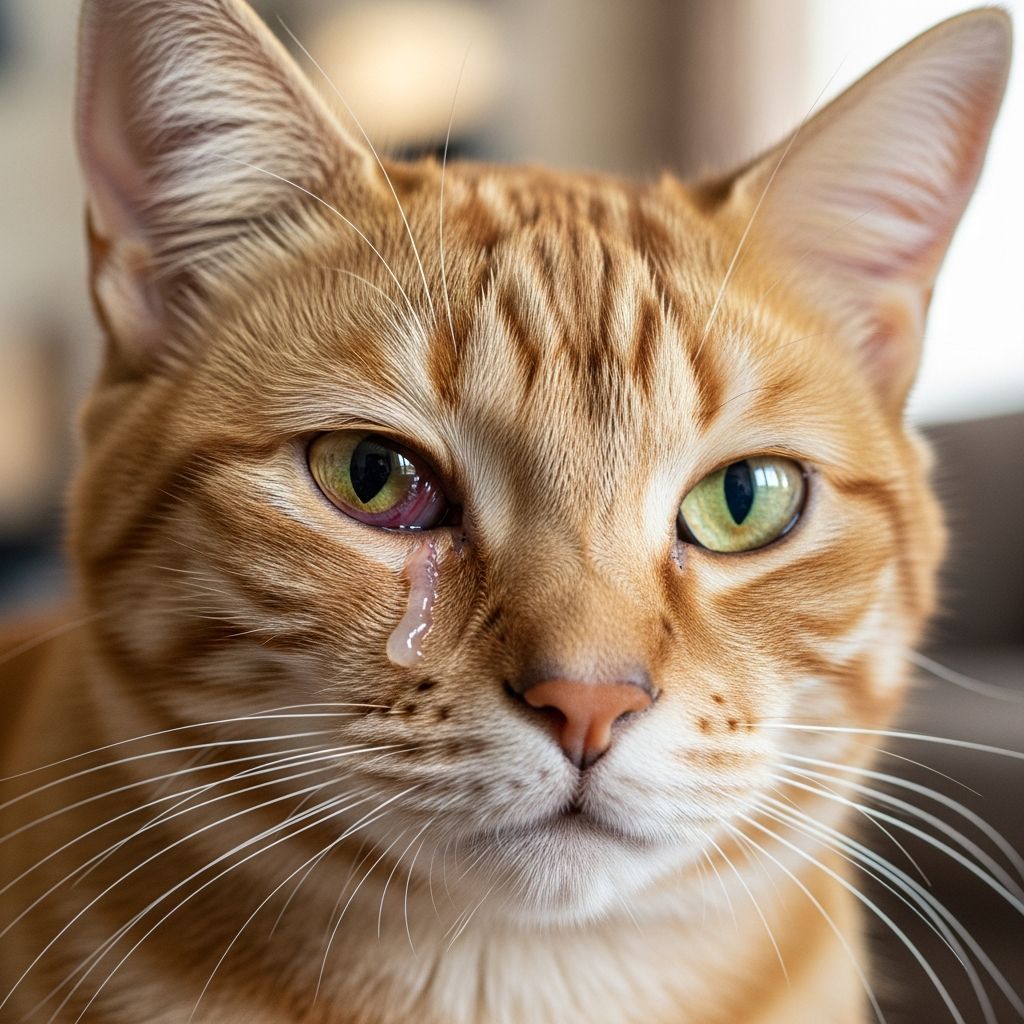
Conjunctivitis in Cats: Understanding a Common Eye Condition
Conjunctivitis, commonly referred to as “pink eye” in cats, is an inflammation of the conjunctiva, which is the thin transparent membrane covering the white part of the eye and lining the eyelid. This condition is one of the most frequently encountered eye problems in feline patients and can affect one or both eyes. Understanding the causes, recognizing the symptoms early, and seeking prompt veterinary treatment are essential for managing this uncomfortable condition and preventing potential complications.
What is Conjunctivitis?
The conjunctiva serves as a protective barrier for the eye and produces tears that keep the eye lubricated and healthy. When this delicate tissue becomes inflamed, the eye becomes red, swollen, and uncomfortable. Conjunctivitis in cats can range from mild irritation to severe inflammation that affects the cat’s ability to see and causes significant discomfort. The condition can develop suddenly or gradually, and cats may attempt to rub or scratch the affected eye, which can worsen the inflammation.
Common Causes of Conjunctivitis in Cats
Conjunctivitis in cats can result from various causes, which fall into several categories:
Infectious Causes
Viral infections, particularly feline herpesvirus (FHV-1), are among the most common causes of conjunctivitis in cats. Feline calicivirus and Chlamydia felis are also frequent culprits. These infections are often contagious and can spread between cats in multi-cat households. Cats with infectious conjunctivitis frequently display symptoms of upper respiratory infections, such as sneezing, nasal discharge, and fever.
Environmental and Mechanical Irritants
Foreign objects in the eye, dust, smoke, or chemical irritants can trigger conjunctivitis. Additionally, allergic reactions to environmental allergens or food can cause inflammation of the conjunctiva in sensitive cats.
Immune-Mediated Conditions
Some cats develop conjunctivitis due to immune system abnormalities or autoimmune disorders that cause the body to attack the conjunctival tissue. These cases may require different treatment approaches than infectious forms.
Recognizing the Symptoms of Conjunctivitis
Being able to identify the early signs of conjunctivitis allows for prompt treatment and better outcomes. Symptoms may vary in severity and may present in one or both eyes:
Primary Symptoms
The most common signs of conjunctivitis in cats include:
- Redness of the eye(s) or surrounding skin
- Eye discharge that may be watery, cloudy, yellow, or green in color
- Squinting or excessive blinking
- Swelling of the eyelid(s) or conjunctiva
- Excessive tearing or wetness around the eyes
- Crusting or buildup of dried discharge around the eyes
Associated Symptoms
Cats with infectious conjunctivitis may also display systemic signs indicating an upper respiratory infection. These include sneezing, runny nose, fever, lethargy, and decreased appetite. Some cats may also show signs of discomfort by pawing at their eyes or keeping their eyes partially closed.
Diagnostic Procedures for Conjunctivitis
When you bring your cat to the veterinarian with suspected conjunctivitis, the veterinarian will perform a thorough examination. This examination typically includes visual inspection of the eye, assessment of tear production, and potentially additional testing to identify the underlying cause. In some cases, a sample may be collected from the eye discharge for culture or special testing to determine whether a bacterial or viral infection is present. Identifying the specific cause is crucial for determining the most appropriate treatment plan.
Treatment Options for Cat Conjunctivitis
The goal of treatment is to eliminate pain, resolve the infection, and address the underlying cause. Treatment plans are customized based on the diagnosis and severity of the condition. Most cases of simple conjunctivitis respond well to prompt treatment, with symptoms resolving within one to two weeks.
Topical Eye Drops and Ointments
The primary treatment for conjunctivitis typically involves topical medications in the form of eye drops or ointments. These medications often contain antibiotic or antiviral agents. Even when a viral infection is suspected, antibiotics may be prescribed to prevent secondary bacterial infections, which are common complications. Topical drops are usually administered three to four times daily for two to three weeks, though the frequency may vary depending on the severity and specific medication prescribed. Ointments may require less frequent administration but can be more challenging to apply. Pain relief and anti-inflammatory medications may also be prescribed topically to reduce discomfort and inflammation.
Oral Medications
Depending on your cat’s specific diagnosis and clinical presentation, oral medications may be prescribed alongside topical treatments. These may include systemic antibiotics, antiviral medications, or pain-relieving drugs. In cases of viral conjunctivitis where topical therapy alone is insufficient, veterinarians may prescribe oral antibiotics or antivirals to help manage recurrence. For Chlamydia felis infections specifically, studies suggest that oral doxycycline supplementation or replacement of topical treatment can provide more effective results than topical therapy alone.
Protective Measures
An Elizabethan collar (e-collar) is often recommended to prevent cats from scratching or rubbing their affected eye, which could cause trauma to the cornea and lead to ulceration or further complications. The collar should remain in place until the eye has healed sufficiently and the acute discomfort has resolved.
Supportive Care
Keeping the eye area clean is an important part of home care. For cats with crusty or accumulated discharge, holding a warm, wet cloth over the closed eye helps soften and break down the dried discharge, making it easier to gently wipe away without causing discomfort. Supplements such as L-lysine may be recommended, as this amino acid helps slow down feline herpesvirus replication and may reduce the frequency and severity of flare-ups.
Managing Your Cat During Treatment
Administering eye medications to cats can be challenging, but certain strategies can make the process easier for both you and your pet:
- Time medication administration when your cat is naturally sleepy or calm
- Enlist another person to help hold your cat or provide assistance
- Gently wrap your cat in a soft towel if needed to prevent scratching
- Remain calm yourself, as cats can sense stress and anxiety
- Gently pull on the upper or lower eyelid to open the eye, using minimal restraint
- If your cat resists, make a gentle noise to pique their curiosity and redirect their attention
- Apply medication from behind or to the side rather than directly at the face, which is less threatening
- Reward your cat with treats, playtime, or praise after each treatment session to create a positive association
Regular and frequent treatment is absolutely essential for successfully managing conjunctivitis. It is critical to complete the entire course of prescribed medication, even if symptoms improve significantly. Stopping treatment early can allow the infection to return or worsen.
Recovery Timeline and Prognosis
The prognosis for conjunctivitis in cats varies depending on the underlying cause, severity of the condition, and the cat’s overall health status. Most cases of simple conjunctivitis resolve relatively smoothly with seven to ten days of appropriate topical therapy. However, some cases may require longer treatment periods spanning weeks to months, particularly in chronic or recurrent situations.
In cases of viral conjunctivitis, particularly feline herpesvirus, the condition is often self-limiting and will resolve within two weeks with treatment, though continued care is still necessary. Longer treatment is warranted for certain infectious agents and for immune-mediated cases. When complications arise, such as corneal ulceration, additional intervention or outpatient surgery may be necessary.
Prevention and Long-Term Management
While conjunctivitis cannot always be prevented, certain measures can reduce the risk and frequency of occurrence. Good environmental hygiene, maintaining a low number of cats in the home, and reducing stress are all helpful preventive strategies. For multi-cat households, Feliway, a feline pheromone product, can be an effective tool for decreasing stress and therefore reducing the chances of viral conjunctivitis recurrence. Additionally, a Thundershirt can help anxious cats through calming, gentle pressure similar to swaddling. For cats suffering from more severe anxiety, prescription medications such as Prozac may be recommended.
If your cat has infectious conjunctivitis, it is important to separate them from other household cats and thoroughly wash your hands after interaction to prevent transmission. Contaminated items such as toys, bedding, and clothing should also be washed to minimize the spread of infection.
When to Seek Veterinary Care
Any changes to your cat’s eyes or eyelids should be taken very seriously and warrant veterinary attention. Signs such as eye redness, discharge, squinting, or swelling may indicate conjunctivitis or more serious eye conditions. Conjunctivitis is painful, which is why you may notice your cat squinting or showing signs of discomfort. Prompt veterinary intervention not only provides relief for your cat’s pain but also helps prevent potentially permanent damage to the eye.
It is important to note that conjunctivitis will not clear up on its own and should not be treated with home remedies or over-the-counter products unless specifically recommended by your veterinarian. Self-treatment without proper diagnosis could delay appropriate care and allow the condition to worsen.
Frequently Asked Questions
Q: Is conjunctivitis in cats painful?
A: Yes, conjunctivitis is quite painful for cats, which is why affected cats often squint and may paw at their eyes. This discomfort underscores the importance of prompt veterinary treatment and appropriate pain management.
Q: Can I treat my cat’s conjunctivitis at home?
A: No, you should not attempt to treat conjunctivitis with anything other than what your veterinarian has specifically prescribed. Home remedies can delay proper treatment and potentially cause harm to your cat’s eyes.
Q: How long does it take for conjunctivitis to clear up in cats?
A: Many simple cases of conjunctivitis resolve in seven to fourteen days with veterinary-prescribed treatment. However, chronic cases may require prolonged treatment lasting weeks to months. The timeline depends on the underlying cause and your cat’s response to therapy.
Q: Can my cat spread conjunctivitis to other cats?
A: If your cat has infectious conjunctivitis caused by a virus or bacteria such as Chlamydia felis, it can be transmitted to other cats. Separation, proper hand hygiene, and disinfection of contaminated items are important preventive measures in multi-cat households.
Q: Why is my cat’s conjunctivitis recurring?
A: Viral conjunctivitis, particularly from feline herpesvirus, can never be fully eradicated from the body. Cats may experience flare-ups during times of stress or when other illnesses affect their immune system. Additional antiviral treatments and stress reduction measures may help manage recurrent cases.
Q: What should I do if my cat won’t let me apply eye drops?
A: Try administering medication when your cat is sleepy, enlist another person to help, and apply drops from the side rather than directly at the face. Reward your cat afterward with treats or praise to make it a positive experience. If you continue to have difficulty, your veterinarian may recommend an alternative medication form or additional strategies.
References
- Conjunctivitis In Cats: Symptoms, Treatment, and More — Bond Vet. Accessed November 2025. https://bondvet.com/blog/conjunctivitis-in-cats
- Conjunctivitis in Cats: Signs, Causes and Treatment — Hill’s Pet Nutrition. Accessed November 2025. https://www.hillspet.com/cat-care/healthcare/conjunctivitis-in-cats
- Conjunctivitis in Cats: Causes and Treatment — Veteris UK. Accessed November 2025. https://veteris.co.uk/petcare-advice/conjunctivitis-in-cats-causes-and-treatment
- Conjunctivitis in Cats (Cat Pink Eye) — PetMD. Accessed November 2025. https://www.petmd.com/cat/conditions/eyes/c_ct_conjunctivitis
- How to Recognize and Treat Cat Conjunctivitis — Zoetis Petcare. Accessed November 2025. https://www.zoetispetcare.com/blog/article/how-to-treat-cat-conjunctivitis
- Conjunctivitis — Cornell University College of Veterinary Medicine. Accessed November 2025. https://www.vet.cornell.edu/departments-centers-and-institutes/cornell-feline-health-center/health-information/feline-health-topics/conjunctivitis
- Conjunctivitis in Cats — VCA Animal Hospitals. Accessed November 2025. https://vcahospitals.com/know-your-pet/conjunctivitis-in-cats
Similar Articles








Read full bio of Sneha Tete




