

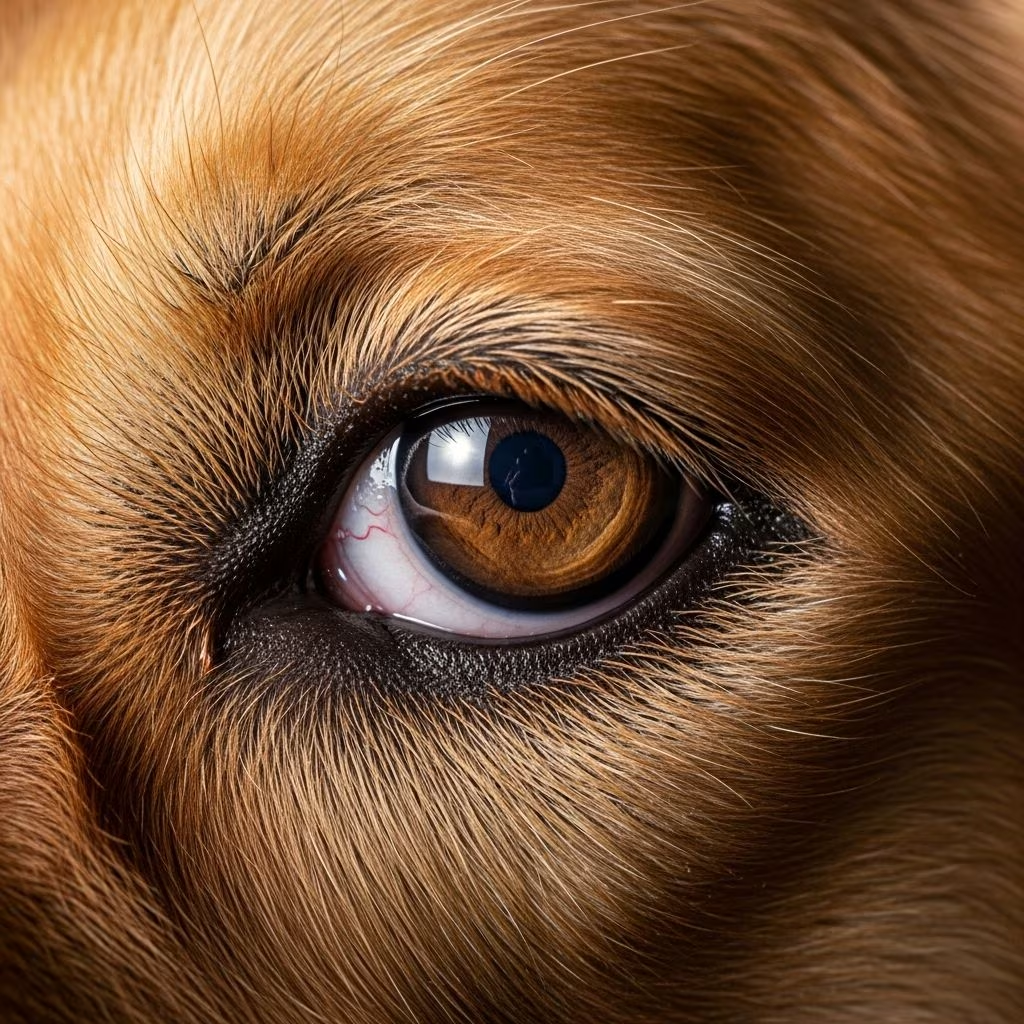
The conjunctiva, a thin mucous membrane lining the inner surface of your dog’s eyelids and covering the visible portion of the eyeball, plays a crucial role in maintaining ocular health and comfort. When this delicate tissue becomes inflamed or diseased, it can cause significant discomfort and potentially affect your dog’s vision and quality of life. Conjunctival disorders represent among the most frequently encountered eye conditions in veterinary practice, affecting dogs of all ages and breeds. Understanding these conditions, recognizing their signs, and knowing when to seek professional care can help preserve your dog’s vision and prevent serious complications.
Recognizing the Signs Your Dog’s Eyes Need Attention
Dogs experiencing conjunctival problems often display several observable behaviors and physical symptoms that warrant veterinary evaluation. Being familiar with these indicators allows you to respond promptly when your dog develops eye issues.
Common clinical manifestations include:
- Persistent redness in and around the eye
- Discharge ranging from clear and watery to thick and mucoid
- Squinting or excessive blinking patterns
- Visible swelling around the eye or eyelid region
- Sensitivity to light exposure
- Repeated pawing or rubbing at the affected eye
- Increased tearing or epiphora
- Mild to moderate discomfort or eye pain
The severity and combination of symptoms can vary depending on the underlying cause and how long the condition has been present. Some dogs may show only mild redness, while others develop significant swelling and discharge that impairs comfort and vision.
Understanding the Primary Causes of Conjunctival Inflammation
Conjunctival disorders arise from diverse etiological factors, each requiring specific diagnostic approaches and treatment strategies. Identifying the underlying cause is essential for selecting appropriate therapy and preventing recurrence.
Infectious Agents and Microbial Involvement
Bacterial infections represent one of the most common causes of conjunctival disease in dogs. These infections may develop as primary conditions or secondary to other ocular problems. Canine herpesvirus type 1 (CHV-1) also causes conjunctivitis, particularly in immunocompromised or younger dogs. While healthy young dogs typically recover without intervention, antiviral treatment can accelerate resolution and reduce the risk of severe systemic or ocular complications in vulnerable populations.
Chlamydial organisms and other intracellular pathogens can produce chronic or recurrent conjunctival inflammation. These infections often require prolonged antibiotic therapy and careful monitoring to ensure complete resolution.
Allergic Reactions and Immune Responses
Allergic conjunctivitis develops when your dog’s immune system overreacts to environmental allergens, food proteins, or contact irritants. Dogs with allergies typically show seasonal or year-round eye inflammation accompanied by itching and discharge. Immune-mediated conjunctival conditions, where the body’s defense system attacks its own conjunctival tissue, can produce chronic inflammation requiring long-term immunosuppressive management.
Mechanical Trauma and Foreign Bodies
Blunt or penetrating injuries to the eye can trigger acute conjunctival inflammation. Foreign objects such as plant material, debris, or chemical irritants may lodge in the conjunctival sac, causing persistent irritation. Dogs with painful or itchy ocular conditions sometimes inflict additional trauma through excessive rubbing and pawing, compounding the initial injury.
Structural Abnormalities and Anatomical Problems
Abnormalities of the eyelids, eyelashes, and tear drainage system can lead to conjunctival disease. Entropion (inward-rolling eyelids) and ectropion (outward-rolling eyelids) alter tear distribution and create abnormal eyelid-eye surface contact. Blocked or malformed tear ducts prevent adequate tear drainage, allowing bacteria to proliferate and irritants to accumulate. Distichiasis (extra eyelashes) and other eyelash abnormalities can irritate the conjunctival surface during blinking.
Underlying Systemic and Ocular Diseases
Keratoconjunctivitis sicca (dry eye or KCS) causes conjunctival inflammation due to inadequate tear production. Without sufficient tears to lubricate and protect the eye surface, the conjunctiva becomes dry, irritated, and susceptible to infection. Conditions like glaucoma and uveitis can produce secondary conjunctival inflammation as part of their disease process.
The Diagnostic Process: How Veterinarians Identify Conjunctival Disorders
A thorough veterinary examination is fundamental to accurate diagnosis and effective treatment planning. Your veterinarian will perform several diagnostic maneuvers to identify the underlying cause of conjunctival disease.
The diagnostic evaluation typically includes:
- Complete ophthalmic examination using specialized instruments and magnification
- Assessment of tear production using Schirmer tear tests
- Fluorescein staining to visualize corneal abnormalities and foreign objects
- Evaluation of intraocular pressure when glaucoma is suspected
- Conjunctival and episcleral biopsy in cases of suspected immune-mediated or neoplastic disease
- Cytology and bacterial culture when infectious causes are likely
- Assessment of eyelid structure and function
Many conjunctival conditions can be diagnosed based on clinical appearance and examination findings alone. However, when the cause remains unclear or the condition proves refractory to initial treatment, additional diagnostic testing helps identify the underlying problem.
Treatment Approaches Tailored to Underlying Causes
Effective management of conjunctival disorders requires treatments specifically targeting the identified cause rather than relying on empirical broad-spectrum approaches.
Addressing Bacterial and Infectious Conjunctivitis
Bacterial infections respond well to topical antibiotic eye drops or ointments applied directly to the affected eye. Common antibiotic choices include oxytetracycline, erythromycin, and fluoroquinolone preparations. When bacteria produce severe infections or when topical application proves difficult, oral antibiotics such as doxycycline or azithromycin provide systemic coverage. Severe cases may warrant cephalosporin-based medications like Clavamox administered orally.
Viral conjunctivitis, particularly herpesvirus-induced disease, responds to antiviral agents including idoxuridine, trifluridine, and ganciclovir ophthalmic preparations. These medications prove especially valuable in immunocompromised dogs where herpesvirus can cause severe ocular complications.
Managing Allergic and Immune-Mediated Conjunctivitis
Allergic conjunctivitis often improves dramatically with topical or oral antihistamines, which reduce the inflammatory cascade triggered by allergic reactions. Hydroxyzine and other antihistamine formulations provide relief from itching and inflammation within days. Topical corticosteroid eye drops reduce swelling and discomfort in allergic cases.
Immune-mediated conjunctival diseases typically require longer-term management strategies. Topical cyclosporine and tacrolimus represent immunosuppressive medications that reduce the inflammatory response without the side effects associated with prolonged corticosteroid use. These medications work by modulating the immune system’s attack on conjunctival tissue. Long-term therapy with these agents often allows gradual reduction and eventual discontinuation of corticosteroid medications.
For severe immune-mediated cases refractory to topical therapy, subconjunctival corticosteroid injections deliver high medication concentrations directly to affected tissues. Alternatively, oral combinations of niacinamide and tetracycline provide systemic immunosuppressive effects in dogs that cannot tolerate topical medications.
Treating Dry Eye and Tear Production Deficiencies
Keratoconjunctivitis sicca requires tear-stimulating medications, most commonly cyclosporine and tacrolimus, which enhance tear production by suppressing immune-mediated destruction of tear glands. Alongside tear-stimulating therapy, artificial tear preparations provide immediate lubrication and comfort. This condition typically requires lifelong management to maintain adequate tear production and prevent conjunctival and corneal complications.
Managing Foreign Objects and Traumatic Injuries
Foreign body removal requires veterinary intervention, often involving sedation or local anesthesia to allow safe extraction while preventing further injury. Following removal, topical antibiotics and lubricants prevent secondary infection and promote healing. In cases where trauma damages the cornea, specialized anti-inflammatory and pain-relief medications protect the cornea while it heals.
Surgical Interventions for Structural Problems
Conjunctival disorders arising from anatomical abnormalities often require surgical correction. Eyelid abnormalities like entropion and ectropion demand surgical realignment to restore normal eyelid-eye surface contact. Blocked tear ducts may require surgical reconstruction or flushing procedures. Dogs with extra eyelashes or abnormal eyelash growth benefit from surgical removal of the problematic hairs.
Supportive Care and At-Home Management Strategies
Beyond specific medications targeting the underlying cause, supportive measures enhance comfort and promote healing during recovery.
Recommended supportive care includes:
- Cold compresses applied to the eye for 10-15 minutes to reduce inflammation and soothe discomfort
- Artificial tear preparations to maintain ocular lubrication throughout the day
- Elizabethan collar or protective cone to prevent self-trauma from pawing and rubbing
- Strict adherence to medication schedules and dosing instructions
- Gentle cleaning of eye discharge with warm saline solution and soft cloth
- Avoidance of known irritants, allergens, or environmental triggers
- Regular follow-up examinations to monitor treatment response
Recovery Timeline and Long-Term Prognosis
Most acute conjunctival conditions improve substantially within 7 to 10 days of appropriate veterinary treatment. However, complete resolution may require 2 to 3 weeks, particularly in cases with significant swelling or discharge production.
Dogs with chronic underlying conditions often experience recurrent flare-ups throughout their lives. These animals require ongoing medication management and regular veterinary monitoring to prevent complications and maintain ocular comfort. With appropriate treatment and consistent home care, most dogs with conjunctival disorders can maintain excellent vision and quality of life.
The prognosis improves considerably when conditions are identified early and appropriate treatment begins promptly. Delayed diagnosis or inadequate treatment increases the risk of corneal involvement and vision-threatening complications.
When Professional Veterinary Care Becomes Urgent
While many conjunctival conditions improve with outpatient management, certain situations require immediate veterinary attention to prevent permanent vision loss or serious complications.
Seek emergency veterinary care when your dog experiences:
- Sudden onset of severe eye pain or obvious distress
- Cloudiness, haziness, or apparent vision loss
- Large amounts of purulent or bloody discharge
- Severe swelling that closes the eye or obstructs vision
- Signs of ocular trauma with wound contamination
- Persistent or worsening symptoms despite 48 hours of appropriate treatment
- Chemical or thermal burns to the ocular surface
Prevention Strategies to Protect Your Dog’s Conjunctival Health
While not all conjunctival disorders can be prevented, certain measures reduce the likelihood of developing these conditions. Maintaining a clean environment minimizes exposure to infectious agents and irritants. Protecting your dog from trauma-inducing situations prevents accidental eye injuries. Managing underlying allergies through allergen avoidance or medication reduces allergic conjunctival inflammation. Regular veterinary examinations allow early detection of anatomical abnormalities before they produce significant conjunctival disease. Prompt treatment of any eye-related symptoms prevents progression to more serious conditions.
For dogs with hereditary or chronic predispositions to conjunctival disease, working closely with your veterinarian to establish a maintenance medication plan can minimize flare-ups and maintain consistent ocular health.
References
- Conjunctivitis in Dogs: Symptoms and Treatment — PetMD. https://www.petmd.com/dog/condition/eyes/conjunctivitis-in-dogs
- Diagnosing, Treating, and Managing Causes of Conjunctivitis in Dogs and Cats — Today’s Veterinary Practice. https://todaysveterinarypractice.com/ophthalmology/conjunctivitis-in-dogs-and-cats/
- How to Spot and Treat Conjunctivitis in Dogs — Blue Cross. https://www.bluecross.org.uk/advice/dog/health-and-injuries/conjunctivitis-in-dogs
- Conjunctivitis in Dogs — VCA Animal Hospitals. https://vcahospitals.com/know-your-pet/conjunctivitis-in-dogs
- Conjunctivitis (Pink Eye) in Dogs — Small Door Veterinary. https://www.smalldoorvet.com/learning-center/medical/pink-eye-in-dogs
- Common Dog Eye Issues and How to Treat Them — York Veterinary Hospital. https://yorkveterinaryhospital.ca/blog/common-dog-eye-issues-and-how-to-treat-them/
- Disorders of the Conjunctiva in Dogs — Merck Veterinary Manual. https://www.merckvetmanual.com/dog-owners/eye-disorders-of-dogs/disorders-of-the-conjunctiva-in-dogs



