

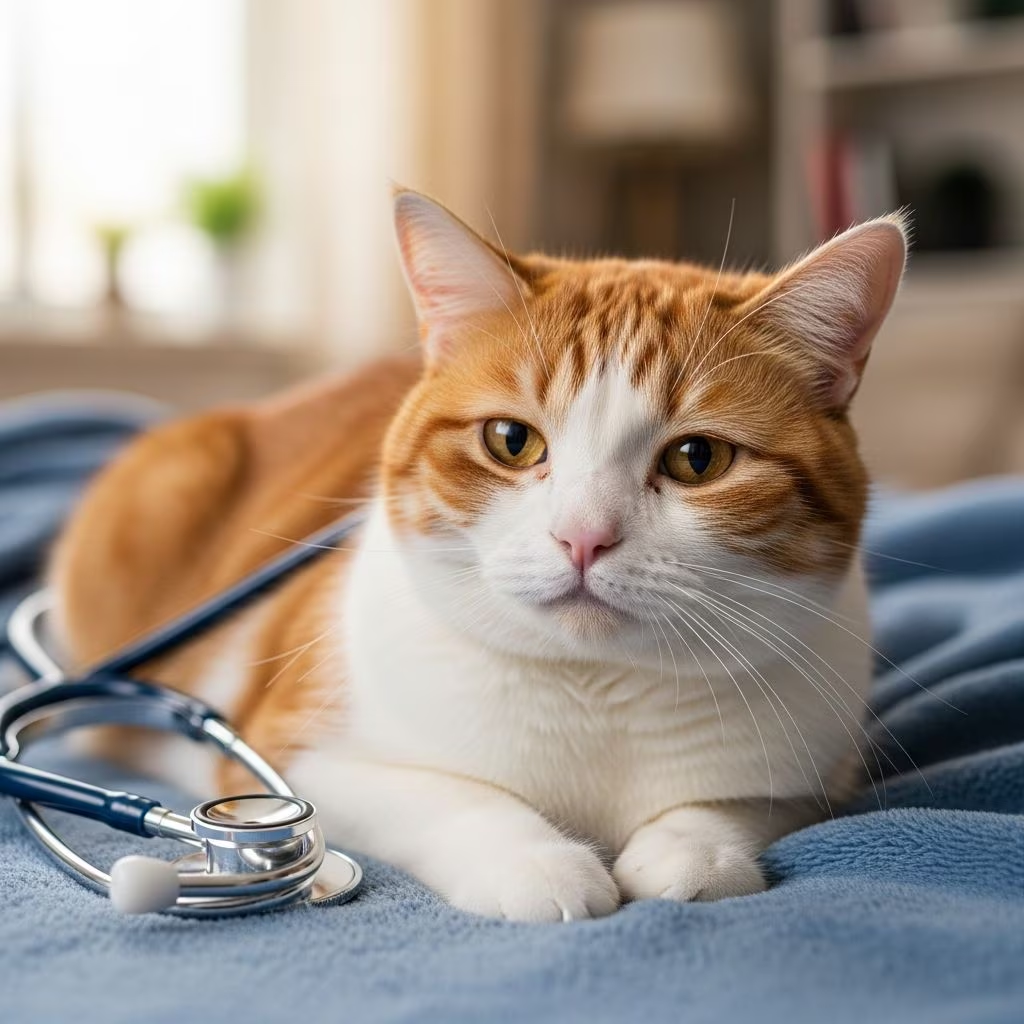
Understanding Congestive Heart Failure in Cats
Congestive heart failure (CHF) is a serious cardiac condition that affects cats of various ages and breeds. This condition occurs when the heart’s ability to pump blood effectively becomes compromised, leading to fluid accumulation in the lungs and other parts of the body. Understanding the signs, symptoms, and treatment options is crucial for cat owners who want to provide the best possible care for their feline companions. Early detection and prompt veterinary intervention can significantly improve a cat’s quality of life and survival rates.
Clinical Signs of Congestive Heart Failure in Cats
The most common and recognizable sign of heart failure in cats is difficulty breathing. This sign may develop rapidly, and affected cats will often breathe faster and work harder to breathe. In cases of severe stress or distress, cats may even breathe with their mouth open, which is unusual behavior for felines. Beyond breathing difficulties, there are several other clinical indicators that cat owners should be aware of.
Primary Symptoms to Monitor
Cats experiencing congestive heart failure may display a variety of symptoms that progressively worsen over time. The following are key signs to watch for:
- Rapid or labored breathing
- Persistent cough or wheezing
- Lethargy and reduced activity levels
- Loss of appetite and reduced food intake
- Weight loss
- Vomiting or nausea
- Abdominal bloating caused by fluid accumulation
- Reluctance to exercise or play
- Restlessness or unusual behavior changes
- Rapid or irregular heartbeat
If you notice any of these symptoms in your cat, it is essential to schedule a veterinary appointment without delay. Early intervention can make a substantial difference in managing the condition and maintaining your cat’s quality of life.
Diagnosing Congestive Heart Failure
Accurate diagnosis is the foundation of effective treatment. When you bring your cat to the veterinarian with suspected heart problems, the diagnostic process involves several steps to confirm CHF and understand the underlying causes.
Veterinary Evaluation Process
Your veterinarian will begin by taking a comprehensive history of your cat’s health. Be prepared to discuss your cat’s diet, any medications or supplements they may be taking, current heartworm prevention measures, and a detailed timeline of any symptoms you’ve observed. This information helps the vet understand the full clinical picture.
During the physical examination, your veterinarian will listen carefully to your cat’s chest using a stethoscope to detect any abnormal heart sounds or lung congestion. Based on the findings, your vet will likely recommend several diagnostic tests to confirm CHF and assess its severity.
Diagnostic Tests and Procedures
Several diagnostic tools are available to help veterinarians accurately diagnose congestive heart failure:
- Chest X-rays: Reveal fluid accumulation in the lungs and changes in heart size
- Echocardiogram (Ultrasound): Provides detailed images of heart structure and function
- Electrocardiogram (EKG): Records electrical activity of the heart to detect rhythm abnormalities
- Blood and Urine Tests: Assess kidney function and other relevant parameters
- Heartworm Antigen Test: Rules out heartworm disease as a contributing factor
- Holter Monitor: Records heart rhythm over an extended period to detect intermittent arrhythmias
- Blood Pressure Measurement: Helps identify secondary conditions like hypertension
These diagnostic tools work together to provide a complete assessment of your cat’s cardiac status and guide treatment decisions.
Treatment Approaches for Congestive Heart Failure
Treatment for congestive heart failure in cats involves both immediate emergency interventions and long-term maintenance therapy. The specific approach depends on the severity of the condition and individual cat characteristics.
Emergency Treatment Protocols
Cats experiencing acute congestive heart failure require immediate professional care. Severely affected cats will need hospitalization and oxygen therapy to help them breathe adequately. Sedation may be warranted if your cat is distressed, as psychological stress actually exacerbates breathing difficulties and worsens the condition.
In emergency situations involving fluid accumulation around the lungs (pleural effusion) or in the abdominal cavity (ascites), your veterinarian may perform therapeutic procedures to drain excess fluid. For cats with left-sided heart disease, emergency diuretics such as furosemide are administered intravenously to rapidly remove fluid from the lungs. In cases of right-sided heart disease, thoracocentesis (needle drainage) may be performed to remove fluid around the lungs, providing immediate relief from breathing difficulties.
Maintenance Medication Therapy
Once your cat is stabilized, your veterinarian will develop a long-term medication regimen tailored specifically to your cat’s needs. Several classes of medications are commonly used in CHF management:
| Medication Class | Examples | Primary Function |
|---|---|---|
| Diuretics | Furosemide, Spironolactone | Remove excess fluid from lungs and body |
| ACE Inhibitors | Benazepril, Enalapril | Improve symptoms and increase survival; reduce blood pressure |
| Positive Inotropes | Pimobendan (Vetmedin®) | Improve heart contractility and blood flow |
| Vasodilators | Hydralazine | Relax blood vessels and reduce heart workload |
| Anti-Arrhythmic Drugs | Beta-blockers, Calcium channel blockers | Normalize heart rhythm and control heart rate |
| Anticoagulants | Clopidogrel (Plavix®) | Prevent blood clots in cats with evidence of cardiac thrombosis |
Medication choices and dosages are carefully tailored to each individual cat and may be adjusted over time as the condition progresses or improves. Your veterinarian will determine the optimal combination based on your cat’s specific type of heart disease and response to initial therapy.
Ongoing Monitoring and Follow-up Care
Regular monitoring is essential for managing congestive heart failure effectively. Your veterinarian will perform periodic bloodwork to assess kidney function and ensure medications are not causing adverse effects. Chest X-rays, EKGs, blood pressure measurements, and echocardiograms may be repeated as needed to monitor your cat’s response to treatment and make necessary adjustments to the medication regimen.
Home care plays a vital role in long-term management. Consistent medication administration, monitoring for changes in breathing or appetite, and maintaining a calm home environment all contribute to better outcomes. Many cats can live for months to years with appropriate treatment and lifestyle management.
Medication Delivery Options
Understanding the various ways medications can be administered is important for long-term management success. Medications for feline CHF may come in several formats:
- Tablets or Pills: Traditional oral medication form
- Liquid Formulations: Easier for cats that cannot swallow pills
- Transdermal Gels: Applied to the inner ear, absorbed through the skin; useful for cats difficult to medicate orally
Working with your veterinarian to identify the most practical medication delivery method for your cat’s temperament and your ability to administer treatments increases compliance and treatment success.
Managing Underlying Conditions
Treatment of feline congestive heart failure may partly depend on whether your cat suffers from an underlying condition that triggered the disease. Common conditions that can contribute to CHF development include hyperthyroidism, hypertension (high blood pressure), and heartworm disease. Addressing these underlying issues through appropriate treatment can help manage congestive heart failure more effectively and may slow disease progression.
Prognosis and Long-Term Outlook
Although veterinarians currently cannot cure or completely reverse congestive heart failure in cats, modern medication advances have vastly improved the overall prognosis for this condition. Medication choices and management strategies can significantly extend survival time and improve quality of life. The sooner the condition is identified and treatment begins, the better your cat’s chances of living longer with a good quality of life.
Home care and lifestyle management are critical factors in determining long-term outcomes. With proper treatment and monitoring, many cats survive for months to years after diagnosis. Some cats may eventually progress to end-stage heart failure, but even in these cases, palliative care can maintain comfort and dignity.
End-Stage Congestive Heart Failure Considerations
As congestive heart failure progresses, some cats may reach an end stage where symptoms become increasingly difficult to manage. Signs of end-stage CHF can include chronic cough or wheezing, severe lack of appetite and nausea, significantly increased heart rate, confusion or altered mental status, severe dyspnea (shortness of breath), extensive swelling from fluid accumulation, and marked inactivity.
When a cat reaches this stage, quality of life becomes the primary consideration. Having open discussions with your veterinarian about all available options, including palliative care and euthanasia, is important. Your veterinarian can help you assess your cat’s comfort level and guide you toward decisions that align with your values and your cat’s welfare.
Frequently Asked Questions About Feline Congestive Heart Failure
Q: How quickly does congestive heart failure develop in cats?
A: CHF can develop gradually or quite rapidly. Some cats show no obvious symptoms in early stages, while signs like difficulty breathing can develop suddenly once fluid begins accumulating in the lungs. Early detection through regular veterinary check-ups is important.
Q: Can congestive heart failure in cats be cured?
A: Currently, there is no cure for congestive heart failure in cats. However, medications and management strategies can significantly improve symptoms, slow progression, and extend survival time, often from months to years.
Q: What is the average lifespan of a cat with CHF?
A: Survival time varies greatly depending on the severity at diagnosis, underlying causes, response to medication, and owner commitment to treatment. With proper management, many cats live for several months to multiple years after diagnosis.
Q: Are certain cat breeds more prone to heart disease?
A: Yes, certain breeds like Maine Coons, Ragdolls, and British Shorthairs have higher predisposition to hypertrophic cardiomyopathy, a common cause of CHF. However, any cat can develop heart disease.
Q: How often should my cat with CHF visit the veterinarian?
A: Initially, frequent monitoring is essential—often weekly or biweekly. Once stabilized, many cats can be monitored every 4-12 weeks, depending on their response to treatment and overall condition. Your veterinarian will recommend an appropriate schedule.
Q: Can diet help manage congestive heart failure in cats?
A: While diet alone cannot treat CHF, a balanced, appropriate diet supports overall health. Some veterinarians may recommend restricted sodium intake in certain cases. Always discuss dietary changes with your veterinarian before implementation.
References
- Congestive Heart Failure in Cats — VCA Animal Hospitals. Accessed November 2025. https://vcahospitals.com/know-your-pet/congestive-heart-failure-in-cats
- Heart Failure in Cats — PetMD. Accessed November 2025. https://www.petmd.com/cat/conditions/cardiovascular/heart-failure-cats
- Congestive Heart Failure in Cats: Signs, Symptoms, & Prognosis — Barton Heights Veterinary Clinic. October 2023. https://www.bartonheights.com/site/blog/2023/10/30/congestive-heart-failure-cats
- Congestive Heart Failure In Cats — Paws at Peace. Accessed November 2025. https://pawsatpeace.com/congestive-heart-failure-cats/
- Heart Disease in Cats — Westmoreland & Slappey Animal Hospital. March 2024. https://www.westmorelandah.com/site/blog/2024/03/31/heart-disease-cats



