
Congenital Oral Defects In Pets: Diagnosis, Treatment, Prevention
Exploring birth-related dental issues in dogs and cats: causes, identification, and management strategies for healthier smiles.
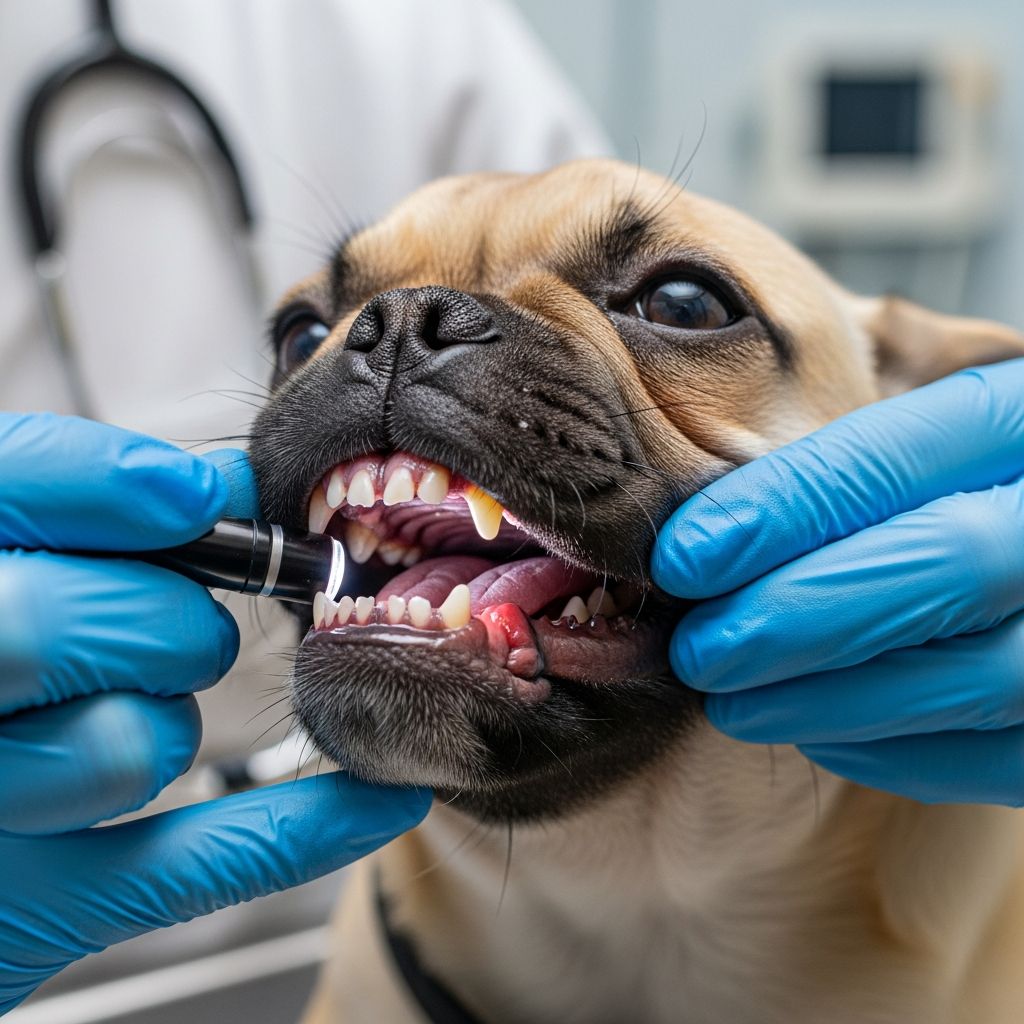
Birth-related dental irregularities in small animals, particularly dogs and cats, arise during the critical phases of tooth formation, often stemming from genetic factors, environmental insults, or trauma to developing tooth structures. These conditions can compromise oral function, aesthetics, and long-term health if not addressed early.
Understanding Tooth Development Basics
Tooth formation in puppies and kittens begins in utero and continues postnatally, with enamel production peaking between 2 weeks and 3 months of age in dogs. Ameloblasts, the cells responsible for enamel, are highly vulnerable to disruptions, leaving permanent defects since enamel lacks repair capabilities unlike dentin or bone. Permanent lesions result from insults like fever, infections, or physical injury during this window, affecting one or multiple teeth depending on timing and severity.
In dogs, deciduous teeth form first, followed by permanent successors. Any interference, such as bite wounds in the first 8-10 weeks, can lead to focal enamel hypoplasia (FEH), where only specific areas show thin or absent enamel. Systemic events like high fevers may cause diffuse enamel hypoplasia (DEH), impacting entire crowns across many teeth.
Enamel Formation Disruptions
**Focal Enamel Hypoplasia (FEH):** This localized defect often appears as pits, bands, or discoloration on one or a few teeth, typically from trauma to the tooth germ. Common in young puppies from play fights or falls, it manifests as Turner’s tooth with altered crown shape in severe cases. Radiographs may reveal less dense enamel zones, though canine teeth’s thin enamel often obscures this.
**Diffuse Enamel Hypoplasia (DEH):** More widespread, affecting multiple teeth with circumferential crown involvement. Linked to brief systemic disruptions during rapid enamel formation, resulting in larger defects due to dogs’ enamel development pace. Brown-tan discoloration and increased fracture risk follow, alongside root anomalies like thin apices or blunt roots.
Amelogenesis imperfecta, a rare genetic enamel maturation flaw, shows breed predispositions like standard poodles, presenting with soft, discolored enamel.
Variations in Tooth Numbers
Tooth count anomalies are frequent in dogs, influenced by dental lamina disruptions.
Hypodontia
(missing teeth) affects primary or permanent dentition, with permanent successors often absent if deciduous ones are missing. Ectodermal dysplasia in hairless breeds heightens risk.**Hyperdontia** (supernumerary teeth) stems from extra dental lamina proliferation, forming additional tooth germs. These can crowd the arch, leading to malocclusion or impaction.
Impacted teeth fail to erupt timely, remaining embedded in bone, often detected via radiographs. Common sites include incisors and premolars.
Abnormal Tooth Sizes and Shapes
**Macrodontia and Microdontia:** True macrodontia involves oversized teeth, while relative cases arise from small jaws causing crowding. Focal macrodontia targets single teeth, seen in breeds like Boxers. Microdontia yields undersized, conical teeth, such as peg laterals palatal to maxillary third incisors, with autosomal dominant inheritance. Pituitary dwarfism exemplifies generalized microdontia.
Shape anomalies include:
- Gemination: Single tooth with two crowns from partial division of one germ.
- Fusion/Concrescence: Joined teeth via dentin or cementum.
- Dilaceration: Sharp bends in crown or root from trauma, displacing unerupted teeth.
- Taurodontism: Enlarged pulp chambers with short roots.
- Enamel Pearls: Ectopic enamel nodules on roots, prone to periodontal issues, frequent on upper premolars and lower molars.
Root and Structural Irregularities
Root defects often accompany enamel issues, featuring supernumerary or hyponumerary roots. Upper second and third premolars commonly show extras (9% incidence). Short roots signal arrested development, risking periodontal loss and pulp necrosis. Dilacerated roots bend abruptly, complicating extractions.
In radiographic surveys of 627 dogs, 45.93% had unexpected anomalies, highest in premolars and molars.
Diagnostic Approaches
Comprehensive exams combine visual inspection, periodontal probing, and full-mouth radiographs. Clinical signs include discoloration, pits, wear, or mobility. Radiographs reveal root lengths, impactions, and enamel density. Pediatric checks catch issues early, preventing complications like malocclusion-induced trauma.
Treatment and Management Strategies
Intervention depends on function impact:
| Condition | Management | Prognosis |
|---|---|---|
| Enamel Hypoplasia | Sealants, composite restorations, crowns; extractions for severe cases | Good with protection; monitor fractures |
| Hypo/Hyperdontia | Extractions for crowding; retain functional teeth | Variable; orthodontics if painful |
| Shape Anomalies | Reshaping, extractions; periodontal care for pearls | Excellent if addressed early |
| Root Defects | Monitor short roots; extract compromised teeth | Guarded if attachment lost |
Preventive care includes trauma avoidance in puppies and genetic screening in breeds. Regular dental cleanings mitigate secondary periodontitis.
Preventive Measures for Pet Owners
- Supervise play to prevent bite injuries during 8-12 week period.
- Schedule puppy dental exams at 6-8 weeks.
- Avoid fever-inducing illnesses via vaccinations.
- Select breeders aware of hereditary risks.
FAQs
What causes enamel defects in puppies?
Trauma, fevers, or infections during enamel formation (2 weeks-3 months) disrupt ameloblasts, causing permanent hypoplasia.
Are extra teeth harmful in dogs?
Yes, they cause crowding, malocclusion, and periodontal disease; removal is often recommended.
Can microdontia be fixed?
Cosmetic build-ups or monitoring suffice unless functional issues arise.
How do I spot dental anomalies early?
Look for discoloration, gaps, or irregular bites; seek radiographic evaluation.
Is amelogenesis imperfecta common?
Rare, but genetic in some breeds like poodles.
References
- Developmental Structural Tooth Defects in Dogs — PMC – NIH. 2016-01-28. https://pmc.ncbi.nlm.nih.gov/articles/PMC4744861/
- Dental enamel defects in dogs — DVM360. N/A. https://www.dvm360.com/view/dental-enamel-defects-dogs
- TEETH ABNORMALITIES IN THE DOG Developmental disorders — Acta Veterinaria Brno. 2001-07-01. https://actavet.vfu.cz/media/pdf/avb_2001070010065.pdf
- Developmental Dental Abnormalities — Veterian Key. N/A. https://veteriankey.com/developmental-dental-abnormalities/
- Disorders of Dental Hard Tissues in Dogs — Today’s Veterinary Practice. N/A. https://todaysveterinarypractice.com/dentistry/disorders-of-dental-hard-tissues-in-dogs/
- Dental Checkup: Pediatric Dental Abnormalities — VetFolio. N/A. https://www.vetfolio.com/learn/article/dental-checkup-pediatric-dental-abnormalities
Similar Articles








Read full bio of Sneha Tete


