
Conduction Issues In Pet Hearts: Diagnosis And Treatment Guide
Explore electrical disruptions in dogs and cats hearts, from detection to advanced treatments for better pet health.
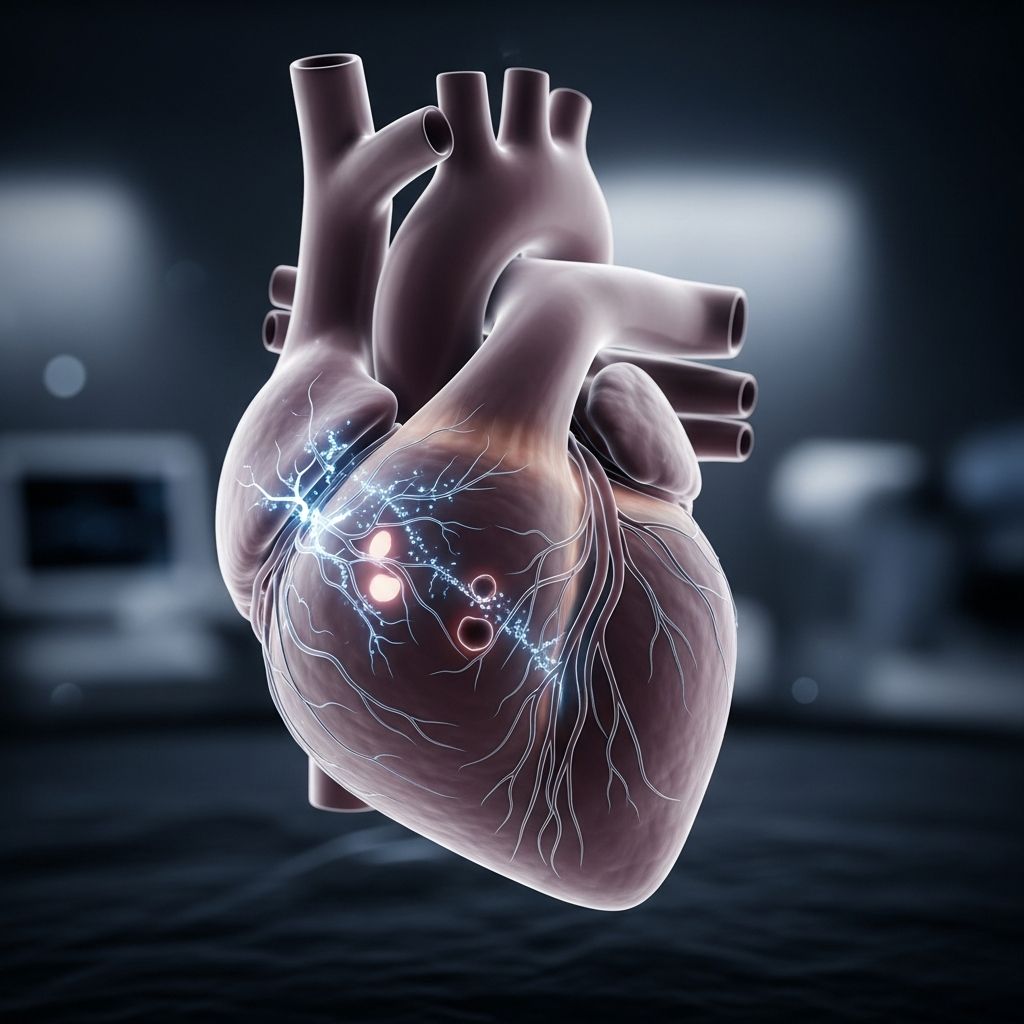
The heart’s electrical system ensures coordinated contractions for effective blood circulation in dogs and cats. Disruptions, known as conduction abnormalities, alter this rhythm, potentially leading to weakness, fainting, or heart failure if untreated. These issues range from mild delays to complete blocks, detectable via electrocardiography (ECG).
Fundamentals of Cardiac Electrical Activity
In healthy pets, the sinoatrial (SA) node initiates electrical impulses, spreading through atria to the atrioventricular (AV) node, then via bundle branches to ventricles. This creates distinct ECG waves: P for atrial contraction, QRS for ventricular depolarization, and T for repolarization. Abnormalities manifest as altered wave shapes, intervals, or missing components, signaling chamber enlargement or conduction faults.
For instance, elevated P waves in lead II indicate right atrial expansion, while broad or notched P waves suggest left atrial issues. Tall R waves in left-sided leads point to left ventricular hypertrophy, and wide QRS complexes may reflect ventricular enlargement or bundle branch blocks.
Recognizing ECG Irregularities
ECG analysis starts with rate, rhythm, and wave morphology. Normal sinus rhythm shows consistent P-QRS-T patterns. Deviations include:
- Bradycardias: Rates below 60-100 bpm in dogs or 100-120 bpm in cats, often from high vagal tone, drugs, or sinus node dysfunction.
- Tachyarrhythmias: Rapid rates over 160-180 bpm, risking heart failure if sustained.
- Conduction Delays: Prolonged PR intervals or absent QRS after P waves.
Hyperkalemia flattens P waves, widens QRS, and may cause atrial standstill, where atria fail to depolarize, leading to junctional escape rhythms at 40-65 bpm.
Slow Heart Rhythms and Blocks
Bradyarrhythmias stem from SA node failure or AV conduction blocks. Sinus bradycardia, rare outside anesthesia or hypothermia, responds to reversing causes like correcting electrolytes.
| Type | ECG Features | Common Causes | Symptoms |
|---|---|---|---|
| First-Degree AV Block | Prolonged PR interval (>0.12 sec dogs, >0.06 sec cats) | Aging, drugs, high vagal tone | Usually asymptomatic |
| Second-Degree AV Block | Some P waves without QRS; types I (progressive PR lengthening) or II (sudden drops) | Idiopathic, myocarditis | Exercise intolerance |
| Third-Degree AV Block | Complete P-QRS dissociation; slow ventricular escape (30-50 bpm) | Degenerative fibrosis, congenital | Syncope, weakness |
Third-degree blocks, prevalent in older small breeds like Miniature Schnauzers, often require pacemakers as escape rhythms are unreliable.
Rapid Irregularities in Atria
Supraventricular tachyarrhythmias arise above ventricles. Atrial fibrillation (AF) lacks P waves, shows undulating baseline, irregular QRS at >160 bpm, causing pulse deficits and variable heart sounds. Common in dilated cardiomyopathy, it demands rate control to prevent congestion.
Accessory pathways, congenital bypass tracts, enable re-entrant tachycardias like supraventricular tachycardia (SVT). These cause sudden rapid rates, treatable by ablation or drugs like sotalol.
Ventricular Rhythm Disturbances
Ventricular premature complexes (VPCs) are early, wide QRS beats without preceding P waves, often from systemic issues like splenic tumors, GDV, or toxins rather than primary heart disease. Frequent VPCs may signal tachycardia.
Accelerated idioventricular rhythm (AIVR), a slow VT (<200 bpm), appears in stressed ICU patients with abdominal issues, usually self-limiting but monitored for progression.
Ventricular tachycardia (VT) features 3+ consecutive VPCs at >200 bpm, risking collapse or fibrillation if perfusion drops.
Diagnostic Approaches
ECG is cornerstone, with leads II, aVF best for pets. Holter monitors capture intermittent events over 24-48 hours. Echocardiography rules out structural disease, while bloodwork checks electrolytes, thyroid, troponin.
Syncope warrants arrhythmia screening, as blocks or VT underlie many collapses.
Treatment Strategies
Management targets underlying causes and rhythm control:
- Drugs: Atropine for vagal blocks; beta-blockers or calcium channel blockers (diltiazem) for SVT/AF; antiarrhythmics (procainamide, lidocaine) for VPCs/VT.
- Pacemakers: Essential for persistent high-grade blocks, implanted via thoracotomy or transvenously, improving survival.
- Ablation: Radiofrequency for accessory pathways in select cases.
Rate control in AF prevents tachycardia-induced failure; pacing studies show >180 bpm induces CHF rapidly.
Breed and Age Predispositions
Geriatric dogs, especially Cocker Spaniels and Schnauzers, face degenerative AV blocks. Boxers and German Shepherds prone to VT from cardiomyopathy. Cats with hypertrophic cardiomyopathy risk AF or VPCs.
Prognosis and Monitoring
Mild issues like first-degree blocks carry good outlook; severe blocks or VT vary by response to therapy. Regular ECGs, Holters guide adjustments. Early intervention averts complications like heart failure.
FAQs
What causes sudden fainting in my dog?
Often arrhythmias like third-degree AV block or VT reduce brain blood flow, confirmed by ECG.
Can conduction issues affect young pets?
Yes, congenital accessory pathways or blocks occur, though rarer than age-related degeneration.
Is medication always enough for heart blocks?
No, permanent pacemakers are standard for third-degree blocks unresponsive to drugs.
How do I prepare for an ECG at the vet?
Withhold food if sedation needed; avoid stress to minimize transient changes.
What’s the link between electrolytes and arrhythmias?
Hyperkalemia widens QRS, flattens P waves, mimicking blocks; correction often resolves.
References
- Heart Disease: Conduction Abnormalities in Dogs and Cats — Merck Veterinary Manual. 2023. https://www.merckvetmanual.com/circulatory-system/heart-disease-conduction-abnormalities-in-dogs-and-cats/heart-disease-conduction-abnormalities-in-dogs-and-cats
- Bradyarrhythmias and Conduction Abnormalities — Veterian Key. 2016. https://veteriankey.com/bradyarrhythmias-and-conduction-abnormalities/
- Reading ECGs in Veterinary Patients: An Introduction — dvm360. 2023. https://www.dvm360.com/view/reading-ecgs-in-veterinary-patients-an-introduction
- Arrhythmia in Dogs and Cats: How a Veterinary ECG Can Help — AWCB Vet. 2023. https://awcbvet.com/cutting-edge-veterinary-ecg-in-bonita-springs-fl/arrhythmia-in-dogs-and-cats-how-a-veterinary-ecg-can-help/
- Arrhythmias (Abnormal Rhythms) in Dogs — Cornell University College of Veterinary Medicine. 2023. https://www.vet.cornell.edu/hospitals/services/cardiology/arrhythmias-abnormal-rhythms-dogs
Similar Articles








Read full bio of medha deb


