

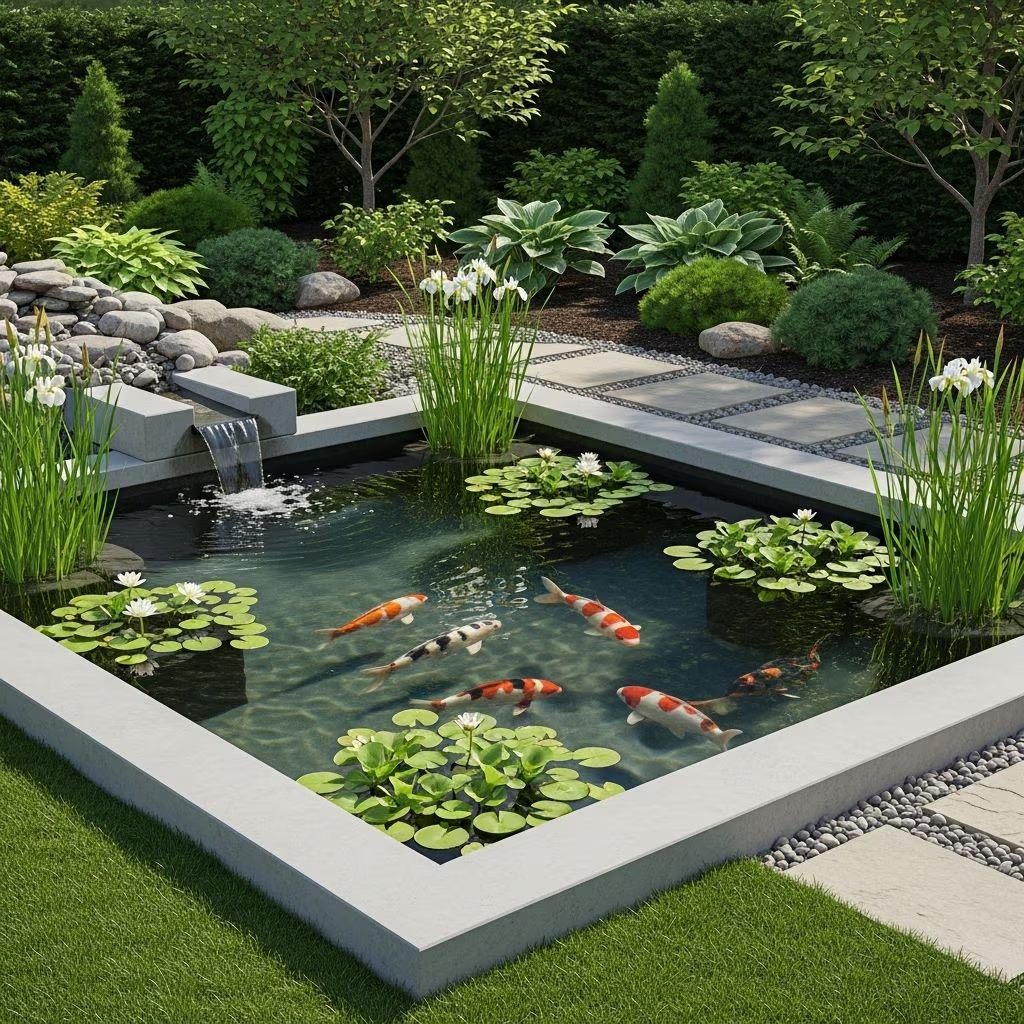
Building a Concrete Fish Pond: Complete Guide
A concrete fish pond offers a permanent, durable solution for creating an aquatic habitat in your backyard. Unlike flexible liners that may deteriorate over time, concrete ponds can last for decades with proper construction and maintenance. Whether you’re a seasoned gardener or a beginner looking to add a water feature to your landscape, this comprehensive guide will walk you through every step of building a concrete fish pond.
Why Choose a Concrete Pond?
Concrete ponds provide several advantages over other pond-building materials. The solid structure offers superior durability, withstanding extreme weather conditions and the weight of water over extended periods. Once properly sealed and treated, concrete ponds maintain structural integrity for many years, making them a cost-effective long-term investment. Additionally, concrete allows for creative design flexibility, enabling you to construct ponds in virtually any shape or size you envision.
Planning Your Concrete Pond
Selecting the Right Location
The first step in building a concrete fish pond is choosing an appropriate location. Look for an area that receives partial sunlight—ideally four to six hours daily. Avoid placing your pond directly under large trees, as falling leaves and debris will complicate water maintenance. Ensure the location is relatively level or slightly sloped to facilitate drainage. Consider proximity to outdoor living spaces and electrical outlets if you plan to install a pump and filter system.
Determining Pond Dimensions
The ideal concrete pond dimensions typically range from 5 meters by 4 meters with a depth of 1.2 meters for commercial or larger residential applications. For smaller residential ponds, dimensions of 1.5 meters by 1 meter with a minimum depth of 600mm are suitable. The depth is particularly important—deeper ponds maintain more stable water temperatures and provide better fish habitat. Plan your perimeter edge at least 10cm above your desired water level to prevent overflow during heavy rains.
Designing Your Pond Shape
Rather than creating symmetrical geometric shapes, consider designing your pond with a more natural aesthetic. Kidney shapes and irregular outlines mimic natural water features and blend seamlessly into landscapes. When marking your outline, use rope to visualize the shape before committing to any excavation work. Leave adequate space around the pond perimeter for landscaping with rocks, plants, and sitting areas.
Materials and Tools Required
Essential Materials
Building a concrete pond requires several key materials. You’ll need quality concrete mix (typically requiring 4-6 inches of thickness regardless of pond size), reinforcement bars (rebars) to prevent wall collapse, and PVC pipes for structural support and drainage. Heavy-duty concrete blocks (preferably 6-inch non-hollow or 9-inch hollow cement blocks) form the foundation structure. A waterproof membrane, such as heavy-duty Forticon plastic, prevents water seepage, while concrete sealer provides additional protection against water permeation.
Tools You’ll Need
Essential tools include a shovel for excavation, a concrete mixer or access to ready-mix concrete delivery, forms and molds constructed from wood planks, a level for ensuring proper slopes, bonding wire for securing rebars, a spray paint for marking outlines, and basic hand tools including trowels, hammers, and measuring equipment.
Step-by-Step Construction Process
Step 1: Site Preparation and Excavation
Begin by marking your pond outline using rope and spray paint. Once satisfied with the shape, excavate the marked area. For a pond with 600mm desired water depth and 200mm concrete thickness, dig approximately 800mm deep in the middle. Remove all rocks and debris from the excavation area. Install a drain pipe at the lowest point, inclining it at approximately 5 degrees toward the bottom of the ditch to ensure complete water drainage.
Step 2: Installing Drainage and Overflow Systems
An overflow drain system prevents garden flooding during heavy rainfall. The water level should remain approximately 25mm below your overflow drain level. Connect the drain pipe to your storm water system or designated drainage area. This step is crucial for maintaining proper water levels and preventing damage to surrounding landscape.
Step 3: Building the Foundation Base
Pour the first concrete layer at the pond’s base, incorporating reinforcement bars and PVC pipes for structural support. When concrete is still fresh, insert metal bars within PVC pipes using bonding wire to create secure reinforcement beams. Some builders strategically place rocks on the base before pouring additional concrete to conserve material while maintaining strength. Allow this base layer to cure for several days under plastic covering before proceeding.
Step 4: Constructing Side Walls
After the base cures, build wooden molds for your side walls. Position wooden planks at each corner and secure them with nails to maintain stability during concrete pouring. Remove additional soil as needed to accommodate the mold structure. Pour concrete around reinforcement bars at approximately half the mold height initially, then add reinforcing metal bars before filling to the desired level. Depending on your design, you may need multiple wall layers. Allow concrete to cure fully before removing molds.
Step 5: Applying Waterproof Membrane
Once walls have cured and molds are removed, apply heavy-duty Forticon plastic as a waterproof membrane covering the entire pond interior. If using multiple plastic sheets, overlap them by several inches. Carefully shape the plastic to conform to your pond’s design and any plant shelves. Don’t trim excess plastic until after filling the pond to ensure complete coverage.
Step 6: Adding Reinforcement Mesh and Surface Treatment
Lay heavy-duty mesh over the plastic membrane to provide additional concrete strength and structural support. For improved longevity and to prevent high pH levels in water suitable for fish, treat the concrete surface with muriatic acid. After acid treatment, apply multiple coats of concrete pond sealer, allowing each coat to dry thoroughly between applications. This process significantly extends your pond’s lifespan beyond what flexible liners offer.
Step 7: Installing River Pebbles and Rocks
River pebbles serve dual purposes—providing surface area for beneficial bacteria colonization while adding natural beauty to your pond. Begin placing pebbles on vertical walls while concrete is still slightly wet, stamping them firmly into the surface. Work your way to the bottom, then fill horizontal areas with pebbles to approximately 500mm depth. Add larger focal point rocks as desired for aesthetic appeal.
Step 8: Installing Pump and Filter Systems
Position your pump at the pond’s deepest point. Connect it to a filter using 40mm flexible hosing, with water returning to the pond via a waterfall or creek bed feature. The circulation system maintains water quality, prevents stagnation, and provides oxygen for fish. Ensure all connections are secure and the system operates efficiently before filling with water.
Step 9: Finishing and Water Testing
Fill your concrete pond with water from a garden hose. Expect significant cloudiness from dirt and sediment, which typically clears within a few days. Allow water to sit for several days before adding fish or aquatic plants. Monitor water levels and check for leaks during this testing period. Patch any cracks or holes with mortar or concrete as needed. Trim excess Forticon plastic, leaving approximately 100mm edge, and bury it with small stones for a finished appearance.
Landscaping and Design Elements
After construction completion, enhance your pond with landscaping elements. Add large decorative rocks around the perimeter, install garden ornaments from supply shops, or create viewing platforms. A slate or concrete pad near the pond provides an excellent vantage point for fish observation and garden enjoyment. Consider adding aquatic plants around the edges and in shallow shelves to create a more natural ecosystem.
Maintenance Requirements
Regular Cleaning
Maintain your concrete pond by removing debris such as fallen leaves regularly. Clean the filter system according to manufacturer specifications, typically weekly during heavy use seasons. Monitor water clarity and address any discoloration promptly.
Water Quality Management
Test water chemistry regularly, monitoring pH levels, ammonia, and nitrite concentrations. The acid treatment applied during construction helps prevent pH issues, but periodic testing ensures optimal conditions for fish health. Perform partial water changes as needed to maintain water quality.
Seasonal Considerations
In freezing climates, install an aerator or heater to prevent complete ice formation, which can harm fish and damage concrete through ice expansion. In warmer climates, algae control becomes more important; use algaecides or UV filters to maintain clear water.
Fish and Plant Compatibility
Suitable Fish Species
Concrete ponds accommodate various fish species including koi, goldfish, and other ornamental varieties. The concrete structure provides an excellent permanent habitat for these fish. Ensure adequate water volume—ponds should be at least 300 square meters to produce sufficient food and habitat for substantial fish populations. Smaller residential ponds can support limited fish populations with proper filtration.
Aquatic Plants
Incorporate aquatic plants to enhance pond aesthetics and ecosystem health. Water lilies, lotus, and marginal plants thrive in concrete ponds. Plant shelves at varying depths accommodate different plant species, creating a diverse ecosystem.
Cost Considerations
Building a concrete pond requires significant material investment compared to flexible liner alternatives. However, the longevity and durability of concrete justify the initial expense. Most residential concrete ponds cost between $2,000 to $10,000 depending on size, complexity, and additional features like waterfalls or extensive landscaping.
Common Challenges and Solutions
Concrete ponds may develop cracks over time due to soil settling or freeze-thaw cycles. Address cracks promptly with concrete patching compound to prevent water leakage. High pH levels in new concrete can be mitigated through acid treatment and regular water testing. Ensure proper drainage design to prevent flooding and water quality issues.
Frequently Asked Questions
Q: How long does concrete need to cure before filling the pond?
A: Concrete typically requires 7-14 days of curing under plastic covering before filling with water. This ensures adequate strength development and prevents structural failure.
Q: Can I add fish immediately after filling the pond?
A: No. Allow water to sit for several days before adding fish to allow beneficial bacteria to establish and water chemistry to stabilize.
Q: What thickness of concrete is recommended?
A: Pour concrete at 4-6 inches thickness regardless of pond size to ensure adequate structural integrity and prevent cracking.
Q: How often should I clean the pond?
A: Remove visible debris weekly, clean filters regularly based on usage, and perform partial water changes monthly to maintain optimal water quality.
Q: Is muriatic acid treatment necessary?
A: While not absolutely necessary, muriatic acid treatment helps prevent high pH levels in new concrete, making it particularly beneficial for fish ponds.
Q: What size pond is best for beginners?
A: Start with a pond measuring at least 1.5 meters by 1 meter with 600mm minimum depth for easier maintenance and better environmental stability.
Conclusion
Building a concrete fish pond represents a rewarding long-term investment in your property and landscape. While the construction process requires planning, effort, and materials, the resulting permanent water feature provides years of enjoyment and natural beauty. By following these comprehensive guidelines and maintaining your pond properly, you’ll create a thriving aquatic ecosystem that enhances your outdoor living space. Whether you’re a fish enthusiast or simply seeking to add a stunning water feature to your garden, a well-constructed concrete pond delivers durability, functionality, and aesthetic appeal that alternative pond-building methods struggle to match.
References
- How To Build A Concrete Fish Pond — Visual Landscape Gardening. 2024. https://www.visuallandscapingadelaide.com.au/how-to-build-a-concrete-fish-pond
- Commercial Fish Pond: Design and Construction — Oklahoma Ponds. 2024. https://www.oklahomaponds.com/commercial-pond-construction/
- Concrete Pond — Ponds Guide. 2024. https://pondsguide.com/concrete-pond/
- Concrete Pond: 9 Steps — Instructables. 2024. https://www.instructables.com/Concrete-pond/
- HANDBOOK3. Constructing Fish Ponds — Food and Agriculture Organization of the United Nations (FAO). 2024. https://www.fao.org/fishery/static/FAO_Training/FAO_Training/General/t0581e/t0581e03.htm
- Ponds — Planning, Design, Construction — New York State Department of Environmental Conservation. 2024. https://extapps.dec.ny.gov/docs/fish_marine_pdf/pdconstruction.pdf



