

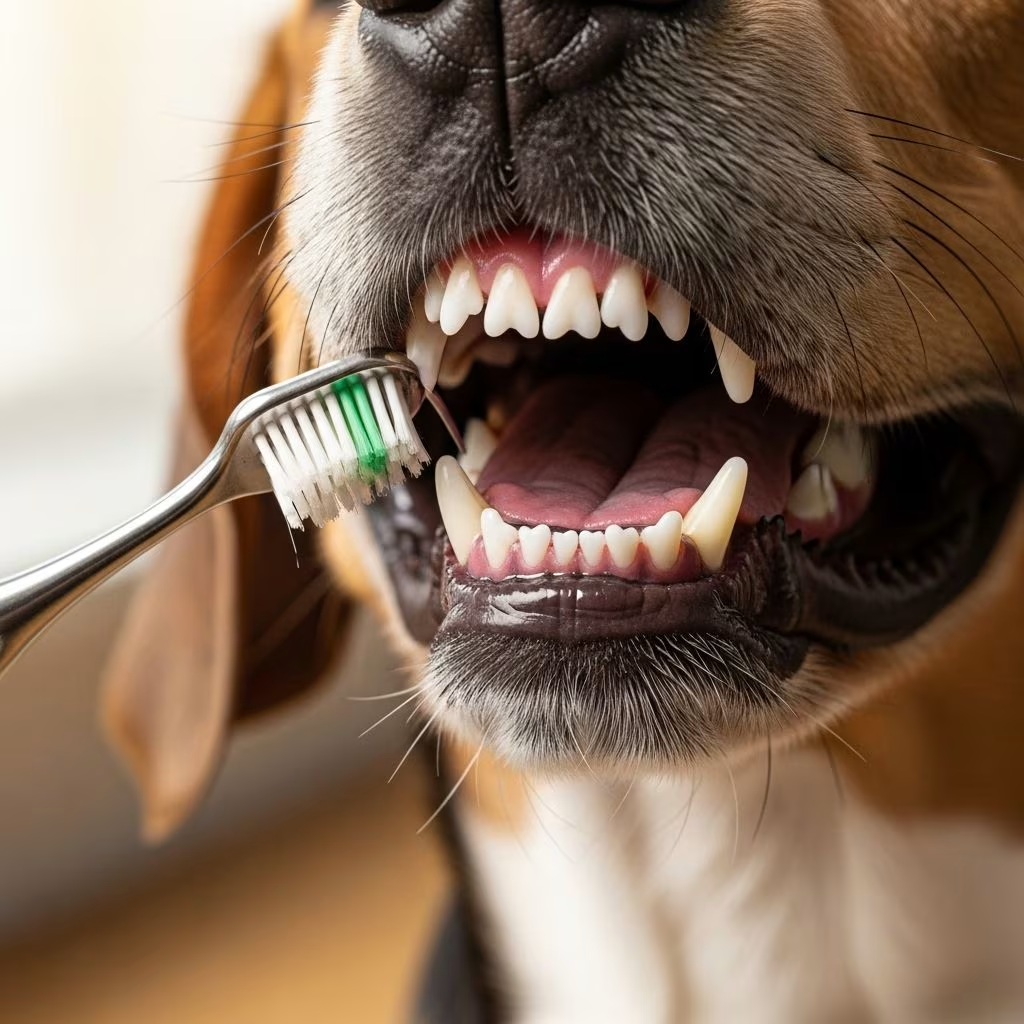
Dental health represents one of the most overlooked aspects of pet care despite its profound impact on a dog’s overall well-being and quality of life. Many dog owners focus on nutrition, exercise, and vaccinations while neglecting the critical foundation of oral hygiene. Understanding the anatomy of your dog’s mouth, recognizing early warning signs of dental problems, and implementing a structured daily care regimen can significantly extend your dog’s healthy years and prevent painful conditions that develop silently over time.
Understanding Your Dog’s Dental Anatomy
Dogs possess a specialized dental structure designed for their natural behaviors and dietary needs. Unlike humans, canines have four distinct types of teeth, each serving specific functions in eating, playing, and exploration. Incisors are the small front teeth that your dog uses for grooming their fur, picking up small objects, and holding items. CaninesPremolars function as carnassial teeth, designed for shearing meat and food. Finally, molars enable grinding and crushing of food into manageable pieces. Understanding this anatomical diversity helps dog owners appreciate why different areas of the mouth may require different cleaning approaches and why certain dental issues manifest in specific tooth types.
A dog’s gums provide crucial support and protection for tooth roots and surrounding bone. Healthy gums should appear firm and pink, though some dogs naturally exhibit black spotting on their gum tissue. The texture should feel smooth without swelling, bleeding, or recession. A dog’s breath should be relatively neutral; any strong or foul odor typically indicates bacterial overgrowth or underlying oral disease. The visible tooth surface in healthy dogs presents an ivory color, though discoloration often reveals accumulating tartar and plaque that compromises both appearance and function.
The Prevalence and Impact of Dental Disease in Dogs
Dental disease represents the most common health condition affecting companion dogs, yet many owners remain unaware of its pervasiveness. Research indicates that more than 80 percent of dogs show signs of oral disease by age three. This statistic underscores the importance of beginning preventive care early in a dog’s life rather than waiting until problems become evident. The consequences of untreated dental disease extend far beyond cosmetic concerns or bad breath; chronic oral infections create systemic inflammation that affects the heart, kidneys, and liver.
Dogs experience the same types of oral problems that plague humans, including cavities, tooth fractures, enamel erosion, and gum recession. The difference lies in dogs’ inability to communicate dental pain effectively until conditions become severe. What begins as minor plaque accumulation progresses to tartar buildup, then gingivitis, and ultimately periodontal disease if left unaddressed. Progressive dental disease causes pain during eating, leading to behavioral changes, nutritional deficiencies, and reduced quality of life.
Building a Daily Dental Care Foundation
The most effective approach to maintaining canine oral health begins with consistent daily habits. Brushing represents the gold standard in pet dental care, similar to human recommendations. Yet many dog owners struggle to establish this routine, either lacking knowledge about proper technique or encountering resistance from their pets. Successful implementation requires patience, positive reinforcement, and appropriate equipment.
Beginning a brushing routine with a reluctant dog demands gradual introduction to the process. Rather than forcing a toothbrush into your dog’s mouth immediately, allow your pet to become comfortable with the dental equipment first. Apply a small amount of dog-formulated toothpaste on your finger, allowing your dog to lick and taste the product. This familiarization phase may span several days or weeks depending on your individual dog’s temperament.
Once your dog accepts the toothpaste, introduce the toothbrush by letting them sniff and lick the brush without paste. Progress to touching the brush gently to their front teeth and gums for brief periods. Gradually extend these interactions until your dog tolerates 30 to 60 seconds of gentle contact. Only after your dog demonstrates comfort with these preliminary steps should you attempt actual brushing.
When beginning the brushing process, apply a small amount of dog-specific toothpaste to a soft-bristled brush. Start with the front teeth, using gentle circular motions along the gum line where plaque accumulates most heavily. Move progressively toward the back teeth, which tend to accumulate more tartar and require careful attention. Never use human toothpaste, which contains toxic ingredients like fluoride and xylitol that can harm your dog. Pet toothpastes are specifically formulated to be safe if swallowed and typically contain enzymatic ingredients that actively break down plaque-forming bacteria.
Establishing a consistent daily routine dramatically improves compliance and effectiveness. Many dog owners find success by brushing their dog’s teeth at the same time each day, integrating it into existing routines such as morning preparation or evening wind-down activities. This consistency signals to your dog that brushing is a normal, expected part of daily life rather than an occasional unwelcome intervention.
Strategic Use of Dental Products and Supplements
While daily brushing remains the foundation of dental care, supplementary products provide additional protective benefits. Dental water additives help reduce plaque buildup and neutralize oral bacteria, offering continuous benefits during your dog’s regular drinking throughout the day. These additives simplify daily routines by requiring minimal effort beyond adding liquid to water bowls. Research demonstrates that water additives contribute to enhanced oral hygiene by working passively during normal hydration patterns.
Dental treats and chews serve as valuable complements to brushing routines. Specially formulated dental chews help scrape plaque from tooth surfaces and freshen breath. Look for products bearing the Veterinary Oral Health Council (VOHC) Seal, which certifies that products meet rigorous efficacy standards. Approved options for dogs include Greenies®, Hill’s Prescription Diet t/d, and Purina DentalLife. These products work by providing mechanical abrasion as your dog chews, removing surface plaque buildup that hardens into tartar over time.
Dental gels and enzymatic products offer another layer of protection, particularly for dogs whose owners struggle with traditional brushing. These products contain enzymes that actively break down plaque-forming biofilms, reducing bacterial populations in the mouth. While not as effective as mechanical cleaning through brushing, they provide meaningful supplementary benefits when used consistently.
Professional Veterinary Assessment and Treatment
At-home care strategies, no matter how diligent, cannot replace professional veterinary evaluation and cleaning. Your veterinarian possesses diagnostic tools and expertise necessary for identifying early-stage disease that remains invisible to pet owners. During routine dental examinations, veterinarians inspect for tartar buildup, gingivitis indicators, tooth fractures, mouth masses, and unusual odors suggesting infection. These professional evaluations enable early intervention before minor issues escalate into serious conditions requiring extraction or systemic antibiotic therapy.
Veterinarians also monitor the progression of your dog’s dentition, particularly in young dogs where retained baby teeth or improper permanent tooth emergence can affect long-term oral function. Some dogs retain baby teeth alongside emerging permanent teeth, creating crowded spaces where plaque accumulates rapidly. Professional monitoring allows timely intervention to prevent structural complications.
Professional dental cleanings performed under appropriate anesthesia provide thorough removal of tartar and plaque from both visible surfaces and below the gum line. For safe and thorough dental cleaning, anesthesia is essential, allowing veterinarians to access areas unreachable during at-home care and to perform necessary extractions or repairs without causing patient distress. Regular professional cleanings, combined with daily home care, significantly reduce the frequency of advanced dental interventions throughout your dog’s lifetime.
Recognizing Signs of Oral Disease
Understanding warning signs of dental problems enables early intervention before conditions become critical. Visible indicators include discolored teeth with brown or yellow accumulation, swollen or bleeding gums, and recession of gum tissue exposing tooth roots. Behavioral changes often accompany oral pain; your dog may exhibit reluctance to eat, dropping food from their mouth, or favoring one side while chewing. Some dogs develop excessive drooling or show difficulty with once-enjoyable activities like playing with toys.
Bad breath represents one of the most frequently noticed signs of oral disease, yet many owners dismiss it as normal. While dogs’ breath naturally differs from human breath, persistently foul odors indicate bacterial overgrowth and infection. Sudden changes in breath quality warrant veterinary investigation even if no other symptoms appear obvious.
Behavioral changes unrelated to eating can also signal dental pain. Dogs experiencing oral discomfort may become withdrawn, aggressive, or show decreased interest in play and social interaction. Some dogs develop facial swelling or drainage from facial sinuses. Any combination of these signs warrants prompt veterinary evaluation.
Implementing a Maintenance Schedule
Successful long-term dental health requires integrating regular professional care into your dog’s overall wellness plan. Regular veterinary check-ups enable early detection of dental changes and immediate attention to subtle problems before they escalate. Most veterinarians recommend annual dental examinations for adult dogs with healthy baseline oral status. Dogs with existing dental disease or increased risk factors may require more frequent assessments and cleanings.
The frequency of professional cleanings depends on your individual dog’s predisposition to dental disease, the effectiveness of your home care routine, and any underlying health conditions. Some dogs require annual professional cleaning throughout their lives, while others with excellent home care may need professional intervention only every two to three years. Your veterinarian can recommend an appropriate schedule based on your dog’s specific needs and response to preventive care.
Special Considerations for Different Life Stages
Puppies require monitoring for proper development and timing of baby tooth loss. Retained baby teeth create crowding and interfere with proper permanent tooth eruption, necessitating extraction. Establishing dental care habits early in your puppy’s life makes maintenance significantly easier in adulthood.
Senior dogs often develop more extensive dental disease due to years of plaque accumulation and potential underlying health conditions. However, age alone should not prevent dental care; properly managed senior dogs can benefit significantly from professional cleaning and enhanced home care routines. Veterinarians can adjust treatment protocols based on individual health status to ensure safety while providing necessary oral care.
Evidence-Based Outcomes of Consistent Dental Care
Studies from veterinary practices consistently demonstrate that scheduled dental check-ups and daily oral hygiene routines significantly improve canine dental care outcomes. Dogs whose owners instituted regular tooth brushing with pet-friendly products experience fewer oral complications and maintain better overall oral health compared to dogs receiving no preventive care. Beyond the dental benefits, regular dental cleanings support systemic health, reduce chronic inflammation, and prevent painful conditions affecting quality of life.
The financial implications of preventive care versus treatment are equally compelling. Regular brushing and professional cleanings reduce the need for extensive procedures like tooth extraction, root canal therapy, or treatment of systemic infections stemming from oral disease. Prevention proves significantly more cost-effective than managing advanced dental disease.
Frequently Asked Questions About Canine Dental Health
How often should I brush my dog’s teeth?
Daily brushing represents the ideal frequency for maintaining optimal oral health. Daily brushing is best, but several times a week can be effective. If daily brushing proves impossible, aim for at least three to four sessions weekly to provide meaningful plaque removal. Any brushing frequency is better than none, though consistency matters more than perfection.
At what age should I start dental care?
Begin dental care routines as early as possible, ideally when your dog is a puppy. Establishing positive associations with brushing from a young age makes adult compliance significantly easier. Even if you have an adult dog with no prior dental care, beginning routines now prevents future disease progression.
Can diet affect my dog’s dental health?
Diet influences oral health significantly. Hard, crunchy foods provide mechanical cleaning benefits through chewing action. Wet or soft diets offer no cleaning action and may contribute to faster plaque accumulation. Discuss dietary options with your veterinarian to ensure your dog’s overall nutrition supports both general and oral health.
What should I do if my dog resists tooth brushing?
Resistance to brushing is common and manageable through patient, gradual introduction. Use high-value rewards, keep sessions brief initially, and progress slowly. Some dogs never fully accept brushing; in these cases, emphasize dental treats, water additives, and professional cleanings to maximize available preventive options.
Is anesthesia safe for dental procedures?
Modern anesthesia protocols used by veterinarians undergo careful safety protocols and monitoring. Pre-anesthetic bloodwork screens for underlying conditions affecting anesthesia safety. The risks associated with leaving advanced dental disease untreated typically far exceed the minimal risks of appropriately managed anesthesia.
Creating Your Personalized Dental Care Plan
Every dog’s dental needs are unique, influenced by genetics, diet, individual oral hygiene response, and underlying health conditions. Work with your veterinarian to develop a customized dental care plan addressing your specific dog’s needs and your family’s capabilities. This plan should include recommended brushing frequency, appropriate dental products, professional cleaning schedule, and monitoring protocols for early disease detection.
Implementing comprehensive dental care requires commitment but yields profound benefits extending throughout your dog’s life. By combining daily preventive care with regular professional assessment, you provide your dog with the foundation for healthy teeth, healthy gums, and optimal quality of life into their senior years.
References
- Caring for Your Dog’s Teeth: A Complete Guide — Lange Animal Hospital. 2024. https://langeanimalhospital.com/caring-for-your-dogs-teeth-a-complete-guide/
- The Ultimate Guide to Pet Dental Health — Small Door Veterinary. 2024. https://www.smalldoorvet.com/learning-center/medical/the-ultimate-guide-to-pet-dental-health
- The Ultimate Dog Dental Guide: Nurturing Your Canine’s Canines — City by the Sea Veterinary. 2024. https://www.citybytheseavet.com/services/blog/ultimate-dog-dental-guide-nurturing-your-canines-canines
- How Can I Prevent Dental Disease in My Pet? — Veterinary Oral Health Council. 2024. https://vohc.org
- Pet Dental Care — American Veterinary Medical Association. 2024. https://www.avma.org/resources-tools/pet-owners/petcare/pet-dental-care
- Dog Dental Care: What to Know — American Kennel Club. 2024. https://www.akc.org/expert-advice/health/dental-care-dog/
- The Complete Guide to Taking Care of Your Pet’s Mouth — Dr. Kelly’s Veterinary. 2024. https://www.drkellysvet.com/pet-dental-care-guide/
- The Ultimate Dog Dental Guide: Nurturing Your Canine’s Canines — Shorehaven Veterinary Hospital. 2024. https://shorehavenveterinaryhospital.com/blogs/the-ultimate-dog-dental-guide-nurturing-your-canine-s-canines



