

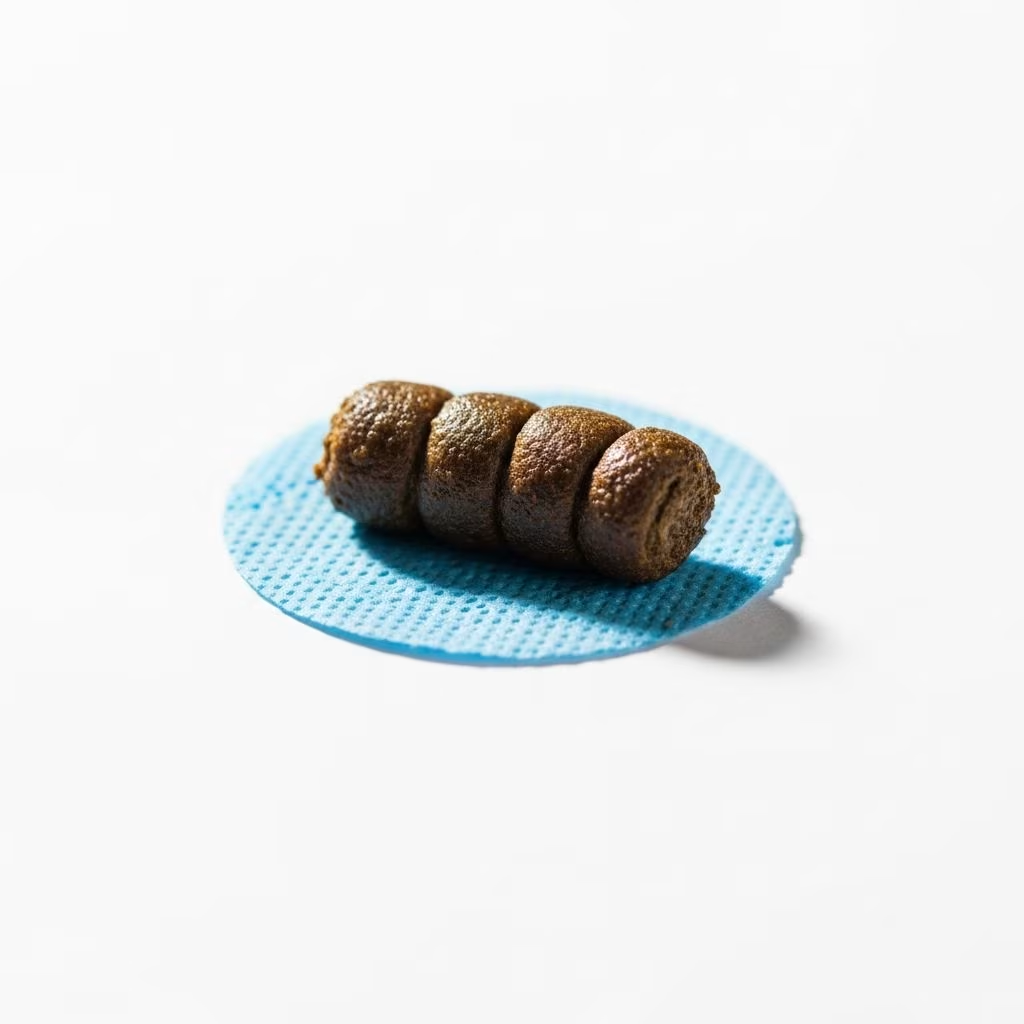
Understanding Ferret Digestive Health Through Their Poop
As a ferret owner, you might not expect to spend much time thinking about your pet’s bowel movements, but ferret poop can reveal a great deal about your furry friend’s overall health and well-being. The appearance, color, consistency, and frequency of your ferret’s feces serve as important indicators of digestive function and can alert you to potential health concerns before they become serious problems. Understanding what constitutes normal ferret poop and recognizing signs of abnormality is an essential part of responsible pet ownership.
Ferrets have relatively fast metabolisms and quick digestive systems, which means they typically defecate multiple times throughout the day. Their poop can tell you whether their diet is appropriate, whether they’re experiencing stress, and whether they might be suffering from an underlying medical condition. By becoming familiar with your ferret’s normal bathroom habits and appearance of their feces, you’ll be better equipped to notice changes and seek veterinary care when necessary.
What Does Normal Healthy Ferret Poop Look Like?
Healthy ferret poop has several distinctive characteristics that make it relatively easy to identify. Understanding what normal looks like is the first step toward recognizing when something might be wrong.
Color and Appearance
Normal ferret feces should be tan-brown to dark brown in color. Many ferret owners compare the appearance to toothpaste, describing it as having a smooth, tubular shape with a consistent texture from top to bottom. When fresh, healthy ferret poop has a firm but not hard consistency—not too loose, yet not overly rigid. The stool should come out without struggle, and the entire defecation process typically takes just a few seconds.
It’s important to note that once ferret poop is exposed to air, it will undergo changes. The feces will desiccate, or dry out, which causes it to shrink, harden, and darken in color. This natural process doesn’t indicate a health problem; it’s simply what happens when poop is no longer inside the ferret’s body.
Frequency
Ferrets typically defecate several times per day due to their rapid metabolism. The exact frequency can vary based on individual ferrets, their diet, activity level, and age, but most healthy ferrets will produce multiple stools throughout the day. This frequent bathroom schedule is completely normal and shouldn’t be a cause for concern as long as the poop maintains its normal appearance and your ferret shows no signs of distress or illness.
Abnormal Ferret Poop: Warning Signs and What They Mean
Any deviation from normal ferret poop appearance should be monitored closely. Changes in color, consistency, or the presence of unusual materials in the stool can indicate various health issues ranging from minor dietary adjustments to serious medical conditions.
Green Ferret Poop
Green ferret poop is a serious warning sign that should never be ignored. In approximately 99% of cases, green poop indicates epizootic catarrhal enteritis, commonly known as ECE or “green slime disease.” This illness affects the intestinal tract and causes bright green, mucous-covered diarrhea as its most prominent symptom. Beyond the distinctive green color, ferrets with ECE typically experience lethargy, vomiting, and loss of appetite. Some cases of dark green poop may also simply indicate stress rather than disease, but any green-colored stool warrants close attention.
ECE is highly contagious among ferrets, so if you have multiple ferrets and one develops green poop, you should isolate the affected ferret from the others immediately. The most critical aspect of managing ECE is maintaining proper hydration, as affected ferrets can lose fluids rapidly and become dangerously dehydrated. Veterinary care is essential for diagnosing ECE and providing supportive treatment.
Black or Tarry Ferret Poop
Black ferret poop may or may not indicate a problem, depending on your ferret’s diet. If your ferret is fed raw meat and consumes organ meats like liver and hearts, black or dark brown poop is a normal response to that diet, as these foods are naturally dark in color. However, if your ferret eats kibble and produces black, tarry stools, this is a sign of a serious medical condition. Black, tarry poop typically indicates the presence of digested blood in the feces, a condition known as melena. The dark color occurs because blood is oxidized as it passes through the small intestine and colon. When ferrets have black, tarry stools combined with a kibble-based diet, they often exhibit additional symptoms such as lethargy, vomiting, refusal to eat, and pain upon abdominal palpation. This type of poop usually indicates gastric ulceration or bleeding, possibly from conditions such as Helicobacter gastritis. Black tarry poop warrants immediate veterinary consultation.
Red or Bloody Ferret Poop
Red or bright red ferret poop indicates fresh blood in the feces, which hasn’t been digested like in the case of black tarry stools. Bloody stool typically appears alongside pain during defecation and other signs of discomfort. The only relatively benign cause of red poop is the presence of food dye in low-quality kibble, though this is increasingly uncommon in premium ferret foods. If your ferret produces red stools, inspect the kibble ingredients and monitor for signs of pain. However, don’t continue feeding kibble with food dyes, as high-quality formulations don’t require these additives. Any persistent red or bloody stools should be evaluated by a veterinarian.
Seedy or Grainy Ferret Poop
Seedy or grainy ferret poop typically occurs when a ferret’s diet is changed. This might happen during a transition from kibble to raw meat or when switching to a different brand of kibble. Seedy poop indicates that food wasn’t digested properly and passed through the digestive system too quickly, usually representing undigested fats. When this occurs due to dietary changes, it’s usually not a cause for serious concern, as the poop should return to normal as your ferret’s digestive system adjusts to the new food. However, if seedy poop persists beyond the transition period or is accompanied by other symptoms, contact your veterinarian.
Mucus in Ferret Poop
Healthy ferret poop should not contain visible mucus, so its presence indicates that something isn’t quite right with your ferret’s digestive system. Mucus in the stool is a sign of bowel trouble. Sometimes mucus poop is a one-time occurrence related to a recent dietary change or a stressful event, but if it occurs repeatedly, it warrants attention. The most common disease that produces mucus in ferret poop is ECE, which typically presents with both green color and mucous coating. The duration and frequency of mucus poop is particularly important: if it persists for an extended period, it indicates a serious issue and you should contact your veterinarian.
Pale, Hard, or Chalky Ferret Poop
Pale, hard, dry, or chalky poop that crumbles when picked up may indicate that your ferret is receiving too much bone or calcium, particularly if fed a raw meat diet. This type of constipated-appearing stool suggests an imbalance in your ferret’s nutritional intake and should prompt a review of their feeding regimen.
Diseases and Conditions Affecting Ferret Poop
Various medical conditions can manifest through changes in ferret fecal appearance and consistency. Understanding these conditions helps you recognize when veterinary care is necessary.
Epizootic Catarrhal Enteritis (ECE)
ECE is one of the most common conditions affecting ferret poop. This highly contagious viral disease produces characteristic bright green, mucous-covered diarrhea and is sometimes called “green slime disease” by ferret owners. Affected ferrets experience lethargy, vomiting, and reduced appetite alongside the distinctive green stools.
Clostridial Diarrhea
Overgrowth of Clostridial bacteria is relatively common in ferrets, particularly in older ferrets with other metabolic or gastrointestinal issues. This condition produces diarrhea with a very foul odor. Most ferrets aren’t clinically ill from Clostridial overgrowth, but treatment is usually necessary, and recurrence is common.
Helicobacter Mustelae Infection
A high percentage of ferrets are colonized with Helicobacter mustelae, a bacterium that causes gastritis and can lead to gastric ulceration and bleeding. This condition may cause blood in the vomitus or stool, and affected ferrets typically experience pain during abdominal palpation, along with bruxism (teeth grinding), ptyalism (excessive salivation), and aversion to food.
Coccidia and Giardia
These parasites are occasionally seen in young ferrets as causes of diarrhea. Coccidia species are specific to ferrets, and both parasitic infections can be effectively treated with oral medications. Giardia is a microscopic parasite that affects the small intestine and can be transmitted to humans through contact with ferret feces.
Inflammatory Bowel Disease (IBD)
IBD causes the body to attack its own intestinal villi, preventing proper food absorption. This results in severe, greenish, fluid diarrhea and gives the stool a distinctive birdseed-like appearance due to undigested fats and proteins passing into the large intestine.
Health Risks Associated with Ferret Poop
Beyond what ferret poop can tell you about your pet’s health, it’s important to understand the potential health risks it poses to humans.
Bacterial Contamination
Ferrets can carry several bacteria in their intestinal tracts, including Salmonella and Campylobacter. Contact with ferret feces can transmit these bacteria to humans, causing campylobacteriosis or salmonellosis in infected individuals. Symptoms of these infections include diarrhea, nausea, and prolonged fever.
Parasitic Infections
The microscopic parasite Giardia can affect the small intestine and be transmitted to humans through contact with ferret feces. Giardia infection causes diarrhea, nausea, and in pregnant women, can even result in miscarriage.
Vulnerable Populations
While these diseases are relatively harmless for people with strong immune systems, they can cause serious illness in babies under five years old and adults over 65 years of age. Special precautions should be taken when these vulnerable populations are around ferrets.
Prevention Strategies
The simple way to prevent transmission of diseases from ferret feces is to wash your hands thoroughly after any contact with ferret poop or the areas where ferrets defecate. Additionally, schedule regular veterinary appointments for your ferret to catch and treat infections early, reducing the risk of transmission to household members.
Maintaining Your Ferret’s Digestive Health
Diet Quality
Feeding your ferret a high-quality diet appropriate for their species is fundamental to maintaining healthy poop. Ferrets are obligate carnivores, so their diet should consist primarily of meat. Whether you choose high-quality ferret kibble or a raw meat diet, consistency in feeding is important. When changing diets, do so gradually to allow your ferret’s digestive system to adjust, which helps minimize seedy or abnormal poop.
Regular Veterinary Care
Schedule regular checkups with a veterinarian experienced in ferret care. These appointments allow for early detection of gastrointestinal issues and appropriate treatment before conditions become severe.
Monitoring and Record-Keeping
Pay attention to your ferret’s bathroom habits and poop appearance. Note any changes in frequency, color, consistency, or odor. Keeping mental notes of these observations will help you communicate effectively with your veterinarian if problems arise.
Environmental Cleanliness
Maintain clean living conditions for your ferret. Regular cleaning of litter boxes and sleeping areas reduces the risk of parasitic infections and bacterial overgrowth.
When to Contact Your Veterinarian
Contact your veterinarian immediately if you observe the following warning signs:
- Any change in poop color (green, black, red, or white)
- Persistent diarrhea lasting more than 24 hours
- Visible blood or excessive mucus in stool
- Absence of poop combined with vomiting, excessive sleeping, or lack of movement
- Foul-smelling diarrhea or mucus-covered stools
- Changes in defecation frequency or difficulty defecating
Frequently Asked Questions About Ferret Poop
Q: How often should ferrets poop?
A: Healthy ferrets typically defecate multiple times throughout the day due to their fast metabolism. The exact frequency varies by individual but is usually between 3-8 times daily depending on diet and age.
Q: Is it normal for ferret poop to vary in color slightly?
A: Minor color variations within the brown to dark brown range are normal, especially if diet changes occur. However, significant color changes (to green, black, red, or white) indicate potential health issues.
Q: Can ferret poop make me sick?
A: Yes, ferret feces can carry bacteria like Salmonella and Campylobacter, as well as parasites like Giardia. Always wash your hands thoroughly after handling ferrets or their litter boxes.
Q: What should I do if my ferret has green poop?
A: Green poop typically indicates ECE (green slime disease). Contact your veterinarian immediately. If you have multiple ferrets, isolate the affected ferret and ensure it stays hydrated.
Q: Does black poop always mean my ferret is sick?
A: Not necessarily. If your ferret eats raw meat with organ meats like liver, black poop is normal. However, if your ferret eats kibble and has black, tarry stools, this indicates bleeding and requires immediate veterinary attention.
Q: Can stress affect ferret poop?
A: Yes, stress can cause changes in ferret feces, including dark green poop or mucus in the stool. Identify and minimize stressors for your ferret when possible.
References
- Ferret Poop: Everything You’ve Ever Wanted to Know — A-Z Animals. Accessed November 2025. https://a-z-animals.com/blog/ferret-poop-everything-youve-ever-wanted-to-know/
- Gastrointestinal Problems in Ferrets — Avian and Animal Hospital. Accessed November 2025. https://www.avianandanimal.com/gastrointestinal-problems-in-ferrets.html
- How Often Do Ferrets Poop? Vet-Approved Digestive Facts & FAQ — Hepper. Accessed November 2025. https://articles.hepper.com/how-often-do-ferrets-poop/
- Complete Ferret Poop Guide: What Is Normal And What Isn’t? — Friendly Ferret. Accessed November 2025. https://friendlyferret.com/ferret-poop/
- Ferrets with Black, Tarry Feces due to Presence of Blood — PetMD. Accessed November 2025. https://www.petmd.com/ferret/conditions/digestive/c_ft_melena
- Poop Chart — Ferret Association of Connecticut. Accessed November 2025. https://ferretassn.org/about-ferrets/health/illness-disease/poop-chart/
- Raw Fed Ferret Poop Chart — Holistic Ferret. Accessed November 2025. https://holisticferret.com/health/raw-fed-ferret-poop-chart/



