

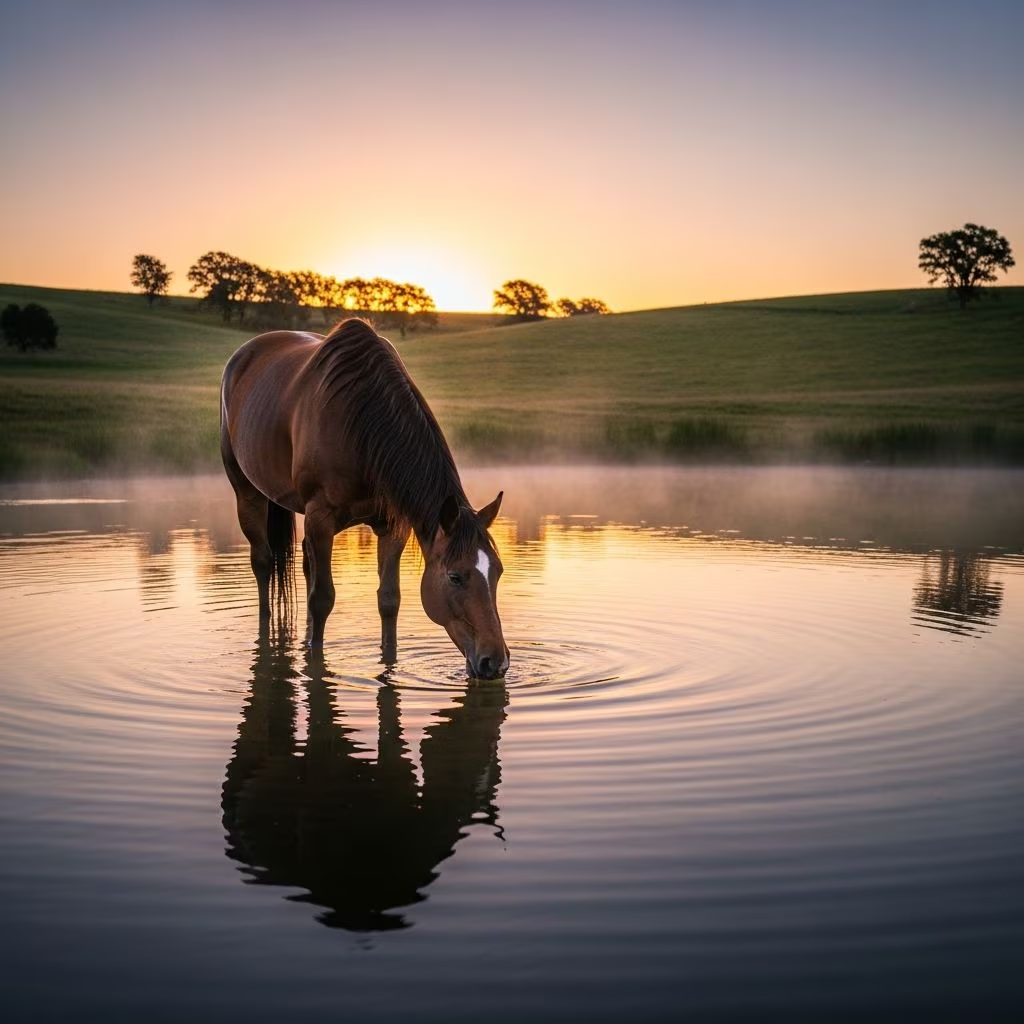
Complete Guide to Watering Horses: Essential Hydration Information for Horse Owners
Water is one of the most critical nutrients in your horse’s diet, yet many horse owners underestimate its importance. Proper hydration affects everything from digestion and nutrient absorption to body temperature regulation and overall performance. Understanding your horse’s water needs and implementing effective hydration strategies is fundamental to responsible horse ownership. This comprehensive guide will help you recognize dehydration signs, adjust hydration practices for different seasons and activity levels, and ensure your equine partner stays healthy and hydrated year-round.
How Much Water Does Your Horse Need Daily?
The amount of water a horse requires varies based on several factors including body weight, activity level, diet composition, environmental conditions, and individual metabolic needs. Understanding baseline requirements helps you monitor your horse’s hydration status effectively.
Daily Water Requirements by Activity Level
For a typical 1,000-pound horse at rest in a temperate climate, the minimum daily water intake is between 5 to 10 gallons. A useful formula for calculating baseline requirements is approximately 0.5 to 1 gallon of water per 100 pounds of body weight. This means a 500-kilogram (1,100-pound) horse should consume at least 25 liters (6.6 US gallons) of water daily under normal conditions.
Your horse’s water needs increase significantly with changes in activity level and environmental stress. Horses engaged in regular exercise, work, or competition may require 40 to 55 liters (10–15 gallons) per day or more. During intense training, hot weather, or lactation, water requirements can escalate to 75 liters (20+ gallons) daily.
Factors Affecting Water Consumption
Diet composition plays a major role in determining water needs. Horses grazing on lush pasture consume significant moisture through forage—pasture contains 60 to 80 percent moisture content—so these horses require less drinking water. Conversely, horses eating dry hay (which contains 15 percent or less moisture) must drink considerably more water to compensate. Research indicates horses typically drink approximately two quarts of water for every pound of hay consumed.
Environmental conditions dramatically influence hydration requirements. Hot and humid weather increases water needs due to additional cooling through sweating. In cold weather, horses may drink less water overall, but maintaining adequate hydration remains critical to prevent impaction colic and other health issues.
Signs and Symptoms of Dehydration in Horses
Early recognition of dehydration is crucial for preventing serious health complications. Horses who do not drink enough water can show signs of dehydration and impaction colic within 48 hours. Understanding these warning signs allows you to intervene promptly.
Key indicators of dehydration include:
- Sunken or dull-appearing eyes
- Dry gums with delayed capillary refill time
- Reduced skin elasticity or tenting when gently pinched
- Drawn-up flanks or gaunt appearance
- Noticeably decreased water intake compared to normal behavior
- Lethargy or reduced performance
- Dark or concentrated urine
If you observe these signs, contact your veterinarian immediately. Dehydration can quickly progress to serious conditions like impaction colic, which requires immediate professional attention.
Best Practices for Encouraging Water Intake
1. Provide Constant Access to Clean Water
The foundation of proper horse hydration is ensuring your horse has access to clean, fresh water at all times, regardless of season. Water should be provided as “free-choice” allowing horses to drink throughout the day according to their individual needs.
Regularly clean water troughs and buckets to prevent contamination. Food, dust, hair, and other debris quickly cause water to spoil and promote algae growth, which can cause illness in horses. Daily cleaning minimizes these risks and encourages consistent water consumption.
2. Monitor Water Intake Patterns
Pay close attention to the amount of water your horse typically consumes. Changes in water intake can be an early warning sign of health issues or dehydration. If you notice your horse drinking significantly less than usual, investigate potential causes including water quality problems, temperature extremes, or unfamiliar smells that might deter drinking.
3. Optimize Water Temperature for Seasonal Conditions
Water temperature significantly affects consumption, particularly in cold weather. Research demonstrates that horses drink more warm water (approximately 20°C or 68°F) compared to icy, cold water (0°C or 32°F). During winter months, providing room-temperature water encourages greater fluid intake. Exercising horses also show increased water consumption when offered warm water or electrolyte solutions compared to cold options.
In warmer seasons, water temperature matters less—horses drink similar amounts whether water is warm or cold. However, always ensure water sources don’t freeze solid during winter and provide adequate shade and cooling methods during hot weather.
4. Select Appropriate Watering Systems
While automated watering systems offer convenience, research shows horses prefer drinking from buckets versus automatic watering bowls. Studies indicate horses adapted to both systems drank significantly more water from buckets (approximately 24 liters per day) compared to automatic systems (approximately 17 liters per day). Additionally, use light-colored water buckets as horses appear to prefer these for drinking.
5. Incorporate Salt and Electrolyte Supplements
Salt intake directly correlates with water consumption. Providing access to a salt block or adding salt to feed stimulates thirst and encourages increased water intake. Research demonstrates that doubling salt content in feed from 50 mg/kg body weight to 100 mg/kg body weight increased water consumption by 53%.
For horses undergoing intense and frequent exercise, supplementing with electrolytes is recommended to replenish minerals lost through sweating. Electrolyte supplements containing sodium, potassium, and other essential minerals help maintain proper fluid balance and encourage continued drinking during recovery periods.
6. Adjust Diet to Increase Water Content
Dietary modifications can significantly support hydration. Diets with higher moisture content, such as wet feeds or feeds soaked in water, help keep horses hydrated, while drier feed has the opposite effect. For horses with difficulty chewing or dental issues, incorporate soaked feeds like soaked hay or hay cubes to increase water intake alongside improved nutrition.
Soaking or steaming hay can boost moisture content substantially. Soaking hay increases moisture levels by a factor of 5, while steaming increases levels by a factor of 2. This approach has additional benefits—soaking lowers sugar content, which is particularly beneficial for horses needing weight management or those with metabolic issues.
Seasonal Hydration Strategies
Summer Hydration Management
Hot and humid weather can increase water requirements dramatically. Ensure horses have ample shade and consistent access to water during warm months. Provide cooling methods such as misting fans or shaded areas to reduce heat stress and encourage water intake. During this season, monitor water consumption more frequently and adjust electrolyte supplementation based on sweat loss and exercise intensity.
Winter Hydration Challenges
Winter presents unique hydration challenges. Horses may naturally drink less water in cold weather, but adequate hydration remains essential to prevent impaction colic. Ensure your horse’s water source is always fresh and never frozen. Providing warm water (room temperature or slightly warm) significantly increases winter water intake compared to icy alternatives.
Pasture Versus Hay Feeding
Horses on pasture require significantly less drinking water than those on hay, grains, or complete feeds due to the high moisture content of fresh forage. When seasonally available, you can increase water intake by giving horses frequent grazing opportunities. However, limit pasture access for over-conditioned horses, those with Equine Metabolic Syndrome or Cushing’s disease with insulin resistance, or those at risk of laminitis.
Exercise and Performance Considerations
Adequate exercise is essential for maintaining overall health; however, ensure your horse has access to water during and immediately after exercise to replenish fluids lost through sweating. Horses performing intense work may require 40 to 90 liters (10–24 gallons) of water daily depending on intensity and environmental conditions.
After workouts, offer water in small amounts initially, gradually increasing the amount as the horse cools. Providing electrolyte supplements during extended exercise periods helps replace minerals and encourages continued water intake during recovery.
Transporting Horses: Maintaining Hydration on the Road
Long-distance transportation presents specific hydration challenges. If you cannot provide water in the trailer during transport, stop every 2–4 hours and offer your horse water. A practical rule of thumb is offering water every time you stop for gas or at the nearest rest area. Gas stations and truck stops typically have water spigots available for customer use, though you may need to ask for access.
According to equine transport regulations, horses must receive adequate water before, during, and after transportation. While regulations state horses must be watered every eight hours, they may require water much sooner to reduce dehydration risks and colic, making frequent stops every 4.5 hours advisable during long journeys.
Health Monitoring and Veterinary Care
Sometimes determining whether a horse is adequately hydrated can be challenging. Schedule regular veterinary check-ups to monitor your horse’s health and hydration status. Veterinarians can provide personalized guidance on hydration strategies and detect underlying health issues affecting water intake or absorption.
Certain conditions require adjusted hydration protocols. Lactating mares, horses with diarrhea, and horses with specific medical conditions require significantly more water daily. Your veterinarian can help develop customized hydration plans addressing your individual horse’s needs.
Frequently Asked Questions About Horse Hydration
Q: What is the minimum daily water requirement for a 1,000-pound horse?
A: A typical 1,000-pound horse at rest in a temperate climate requires a minimum of 5 to 10 gallons daily, calculated as approximately 0.5 to 1 gallon per 100 pounds of body weight. This increases significantly with exercise, heat, or lactation.
Q: Can horses develop serious health problems from insufficient water?
A: Yes. Horses experiencing inadequate water intake can show signs of dehydration and impaction colic within 48 hours. Severe dehydration can lead to serious complications requiring immediate veterinary intervention.
Q: How often should I clean water buckets and troughs?
A: Water buckets and troughs should be cleaned daily to prevent contamination from food, dust, hair, and debris. Daily cleaning also prevents algae growth, which can cause illness in horses.
Q: Does water temperature affect how much horses drink?
A: Yes, significantly. In cold weather, horses prefer warm water (approximately 68°F) over icy cold water and will drink more of it. In warm weather, temperature differences have minimal impact on consumption.
Q: Should I provide electrolytes to all horses?
A: Electrolyte supplements are recommended for horses undergoing intense and frequent exercise or during periods of excessive sweating. Horses at maintenance or doing light recreational exercise typically maintain adequate hydration with salt and water alone.
Q: How can I help a horse that refuses to drink during travel?
A: Stop every 2–4 hours offering fresh water. Some horses respond well to electrolyte supplements or familiar water from home. Providing shade and keeping water at appropriate temperatures can also encourage drinking during transport.
Q: What dietary changes support better hydration?
A: Soaking hay, providing wet feeds, or offering fresh pasture when available increases water intake. Soaked hay increases moisture content by up to 5 times, making it an excellent choice for encouraging hydration and dental health.
Conclusion: Prioritizing Your Horse’s Hydration
Proper hydration is not optional—it is fundamental to your horse’s health, performance, and longevity. By understanding your horse’s individual water needs, recognizing dehydration signs early, and implementing the strategies outlined in this guide, you can ensure your equine companion remains properly hydrated in all seasons and conditions. Remember that each horse is unique; monitor your individual horse’s consumption patterns, adjust approaches as needed, and consult your veterinarian with concerns about hydration or health. With consistent attention to these hydration fundamentals, you will support your horse’s wellbeing and enjoy many healthy, productive years together.
References
- Horse Hydration 101: How Much Water Should Your Horse Drink in a Day — Farmhouse Tack. 2024. https://www.farmhousetack.com/blogs/barn-blog/horse-hydration-101-how-much-water-should-your-horse-drink-in-a-day
- Weathering the Storm: How to Keep Your Horses Hydrated Healthy Year-Round — Ritchie Watering Systems. 2024. https://ritchiefount.com/weathering-the-storm-how-to-keep-your-horses-hydrated-healthy-year-round/
- How Much Water Should Your Horse Drink? Encouraging Hydration — Mad Barn. 2024. https://madbarn.com/how-much-water-should-horses-drink/
- Practical Guidelines on the Watering of Equine Animals Transported — European Commission Food Safety. 2024. https://food.ec.europa.eu/document/download/5e8efc34-3ef3-45f0-b3f9-440ce93e497c_en
- Horses’ Water Needs — American Quarter Horse Association (AQHA). 2024. https://www.aqha.com/-/horses-water-needs



