Complete Guide to Canine Dental Hygiene
Master at-home and professional strategies to keep your dog's smile bright and healthy for years of joyful companionship.
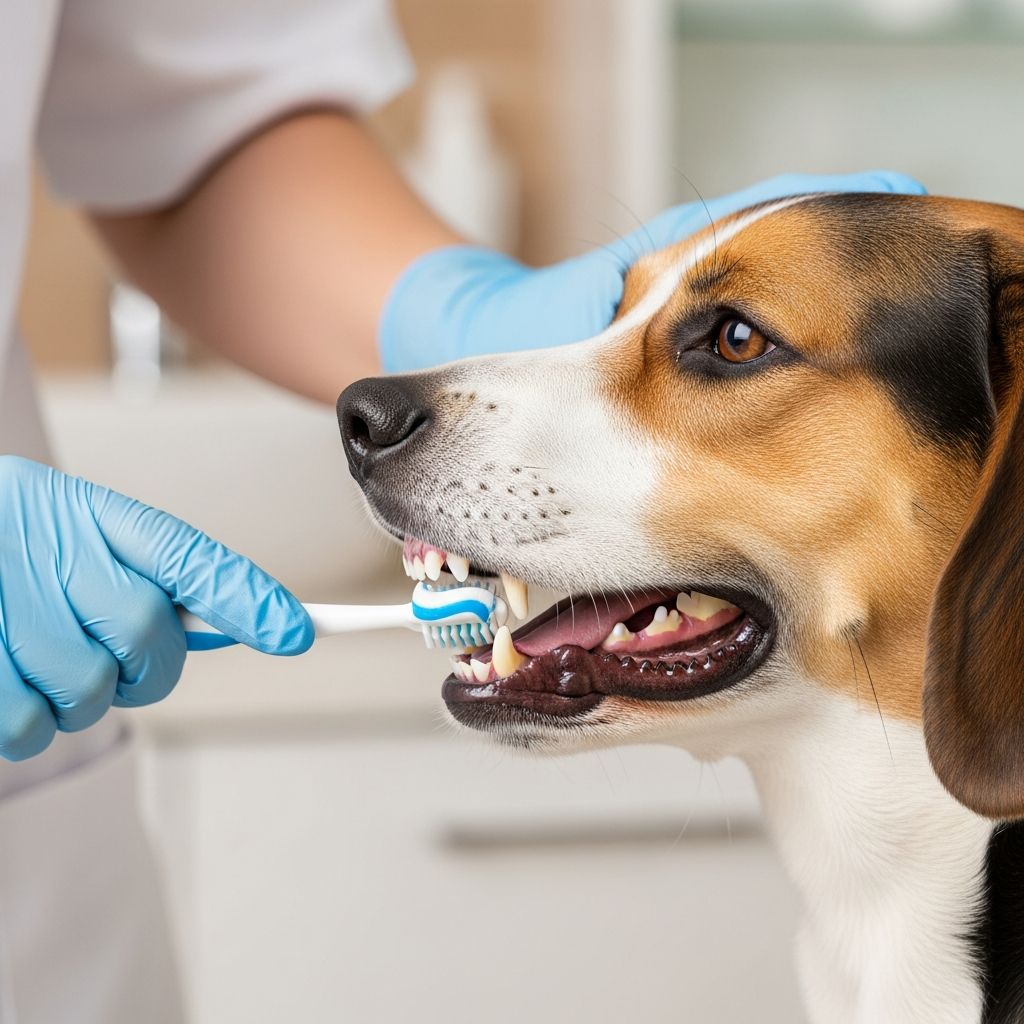
Your dog’s oral health directly influences their overall well-being, affecting everything from breath freshness to heart function. Neglected teeth can lead to painful infections, tooth loss, and systemic diseases. This guide explores practical at-home methods and professional interventions to maintain sparkling canine smiles.
Why Prioritize Your Dog’s Oral Health?
Dogs suffer from dental problems more frequently than many owners realize. Plaque, a sticky bacterial film, hardens into tartar within days, irritating gums and fostering bacteria that enter the bloodstream. This contributes to conditions like periodontal disease, which affects over 80% of dogs by age three.
Maintaining clean teeth reduces risks of abscesses, fractured teeth, and even kidney or liver complications from chronic inflammation. Regular care promotes pain-free eating, better nutrition absorption, and enhanced quality of life. Early intervention prevents costly treatments and keeps veterinary visits routine rather than emergency.
Signs Your Dog Needs Dental Attention
Spotting issues early allows timely action. Watch for these common indicators:
- Bad breath persisting beyond a single meal
- Discolored, yellow-brown tartar on teeth
- Red, swollen, or bleeding gums
- Loose or missing teeth
- Difficulty chewing or dropping food
- Excessive drooling or pawing at the mouth
- Facial swelling or nasal discharge
If you notice these, schedule a vet exam promptly. A conscious oral check can reveal surface problems, but full assessment often requires anesthesia for accuracy.
Daily At-Home Dental Care Routines
Consistent home practices form the foundation of prevention. Aim for daily sessions to minimize professional needs.
Brushing: The Most Effective Method
Brushing mimics human dental hygiene but uses pet-safe products. Human toothpaste contains xylitol and fluoride, toxic to dogs, causing vomiting, seizures, or death.
Essential Tools:
- Dual-ended dog toothbrush or finger brush for small breeds
- Enzymatic toothpaste in flavors like poultry or peanut butter
- Soft-bristled brush for larger dogs
Step-by-Step Brushing Guide:
- Choose a quiet time when your dog is relaxed, post-meal or walk.
- Let them taste the toothpaste to build positive association.
- Gently lift lips, angle brush at 45 degrees to gumline.
- Use circular motions on outer surfaces; inner surfaces via tongue pressure.
- Focus on molars and canines, plaque hotspots; 30 seconds per side initially.
- Reward with praise or tiny treats to reinforce habit.
Progress to full two-minute sessions over weeks. Consistency trumps perfection—three times weekly yields benefits.
Supplementary Cleaning Options
Not all dogs tolerate brushing. Diversify with these alternatives:
| Method | Benefits | Frequency | Tips |
|---|---|---|---|
| Dental Chews | Mechanically scrapes plaque; satisfies chewing instinct | Daily, per size/weight guidelines | Choose VOHC-approved for proven efficacy |
| Dental Wipes | Wipes away surface debris; no brushing needed | 2-3 times weekly | Finger-sized for easy access |
| Water Additives/Rinses | Kills bacteria systemically; freshens breath | Daily in water bowl | Enzymatic formulas target plaque |
| Rubber Toys | Textures massage gums, dislodge food | As needed | Freeze for added soothing |
Combine methods for comprehensive coverage. Veterinary Dental College emphasizes multi-modal approaches for best results.
Understanding Professional Dental Cleanings
At-home efforts cannot access subgingival areas or between teeth. Annual or bi-annual professional cleanings under anesthesia provide deep cleaning.
Pre-Procedure Preparation
Vets conduct pre-anesthetic bloodwork and physical exams to ensure safety. This identifies underlying issues like organ dysfunction that could complicate anesthesia.
Step-by-Step Professional Process
Following AAHA guidelines, cleanings follow a standardized protocol:
- Full-Mouth Radiographs: Detect hidden abscesses, fractures, or bone loss invisible externally.
- Supragingival Scaling: Ultrasonic tools vibrate away visible tartar safely.
- Subgingival Scaling: Hand curettes or fine ultrasonic tips clean below gums without damaging roots.
- Periodontal Probing: Measures pocket depths; pockets over 3mm signal disease.
- Polishing: Low-speed prophy with fine paste smooths enamel, hindering plaque re-adhesion.
- Extractions if Needed: Painful or non-viable teeth removed humanely.
- Sealants: Applied to repel future buildup; reapplied periodically.
Monitoring vital signs throughout ensures safety. Recovery is swift with modern protocols.
Preventive Strategies for Long-Term Success
Beyond cleaning, lifestyle adjustments bolster dental health:
- Diet Selection: Kibble over soft food; dental-specific formulas with crunch.
- Regular Vet Checkups: Annual oral exams catch issues early.
- Breed Considerations: Brachycephalics like Bulldogs prone to crowding; small breeds to misalignment.
- Age-Appropriate Care: Puppies need teething toys; seniors focus on mobility-friendly chews.
Track progress with photos of teeth monthly. Consult vets for tailored plans, especially for seniors or those with pre-existing conditions.
Common Myths Debunked
Myth 1: Greenies or similar chews suffice alone. Reality: They help but don’t replace brushing or pro cleanings.
Myth 2: Bad breath is normal for dogs. Reality: It’s a disease red flag.
Myth 3: Anesthesia is too risky. Reality: Modern monitoring makes it safer than untreated disease.
FAQs on Canine Dental Maintenance
How often should I schedule professional cleanings?
Depends on home care and health; typically yearly, more for advanced cases.
Is anesthesia-free cleaning effective?
Limited to surfaces; misses roots and pockets, per veterinary standards.
What if my dog resists brushing?
Start with finger polishing, use irresistible flavors, keep sessions fun and short.
Can diet alone prevent dental issues?
No—mechanical action essential alongside nutrition.
How do I know if extraction is necessary?
Vets use probing and x-rays; prioritizes pain relief.
Building a Dental Care Routine That Lasts
Integrate habits gradually: Week 1 introduces toothpaste tasting, Week 2 adds brushing, ongoing incorporates chews. Track improvements in breath and gum color. Partner with your vet for personalized advice, ensuring your furry friend enjoys pain-free years ahead. Invest time now for lifelong benefits.
References
- Essentials Steps of Dental Cleaning & Therapy – AAHA — American Animal Hospital Association. 2019. https://www.aaha.org/resources/2019-aaha-dental-care-guidelines-for-dogs-and-cats/essential-steps/
- Professional Dental Cleaning: What Procedures Are Done — GoPetVet. N/A. https://www.gopetvet.com/blog/1386795-professional-dental-cleaning-what-procedures-are-done
- How a Professional Dental Cleaning Helps Your Dog’s Oral Care — Houston Pet Dentals. N/A. https://houstonpetdentals.com/blog/dog-dental-cleaning/
- How to Brush and Clean a Dog’s Teeth Without Anesthesia — Cain Hoy Vet. N/A. https://www.cainhoyvet.com/how-to-dog-teeth-cleaning-without-anesthesia/
- Professional Dental Cleanings for Cats and Dogs — Banfield Pet Hospital. N/A. https://www.banfield.com/Wellness-at-banfield/Dental-care/professional-dental-cleanings-for-cats-and-dogs
- What is a Professional Veterinary Dental Cleaning? — American Veterinary Dental College. N/A. https://afd.avdc.org/what-is-a-professional-veterinary-dental-cleaning/
Similar Articles








Read full bio of Sneha Tete