

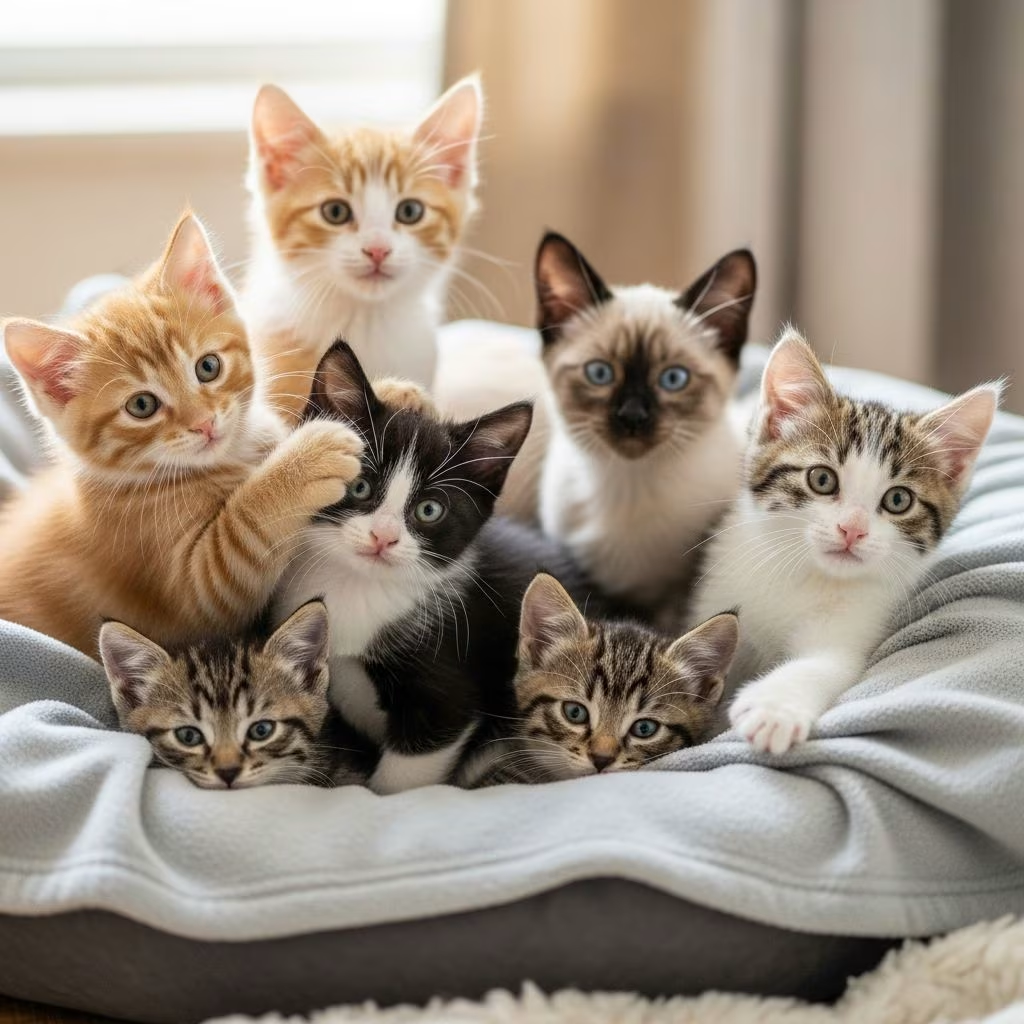
Bringing a kitten into your home marks the beginning of an exciting journey filled with cuddles, playful antics, and meaningful companionship. However, the first year of a kitten’s life is critical for establishing the foundation of their lifelong health and behavior. Proper care during these formative months can prevent numerous health issues and behavioral problems that might otherwise develop in adulthood. This comprehensive guide provides evidence-based strategies for nurturing your young feline through their essential developmental stages.
Preparing Your Home for Kitten Arrival
Before your kitten arrives, creating a safe and enriching environment is paramount. Kittens are naturally curious and energetic, making thorough preparation essential to prevent accidents and ensure their comfort during the transition to a new home.
Essential Environmental Setup
Your home should accommodate your kitten’s need for exploration while minimizing hazards. Designate specific areas where your kitten can play, rest, and hide, as these spaces provide security during adjustment periods. Remove potential dangers such as toxic plants, electrical cords, small objects they might swallow, and unsecured furniture that could topple over.
Stock your home with fundamental supplies before arrival, including:
- A litter box placed in a quiet, accessible location away from feeding areas
- High-quality kitten food (initially matching what they were fed previously)
- Fresh water bowls and food dishes
- A comfortable bed or designated sleeping area
- Age-appropriate toys for mental and physical stimulation
- Scratching posts or climbing structures to satisfy natural instincts
- A cat carrier for safe transport to veterinary appointments
- Grooming supplies including brushes and nail clippers
Bringing a familiar item from your kitten’s previous environment—such as a blanket carrying their mother’s scent or a toy from their littermates—significantly reduces anxiety during the transition and provides comfort during those first vulnerable days.
Establishing Proper Nutrition Practices
Nutritional foundation during kittenhood directly impacts growth, immune function, and long-term health outcomes. Kittens have significantly different nutritional requirements than adult cats, necessitating specialized feeding approaches.
Feeding Schedules and Portion Control
Young kittens require frequent meals to support their rapid growth and high metabolism. During the 5-to-11-week stage, kittens should eat approximately three to four meals daily, gradually transitioning from mother’s milk or bottle feeding to solid kitten food. This transition should occur gradually, mixing formula or softened food with regular kitten food to allow their digestive system to adjust without causing gastrointestinal upset.
Establishing a consistent feeding schedule prevents overeating and helps regulate litter box habits, making house training more predictable and successful. Always provide access to fresh, clean water throughout the day, as proper hydration supports kidney function and overall health.
Feeding your kitten the same brand and type of food they consumed before arriving home helps maintain digestive stability. Abrupt diet changes can trigger vomiting and diarrhea, creating stress for both kitten and caregiver. If a dietary change becomes necessary, introduce new food gradually over a 7-to-10-day period by mixing increasing proportions of the new food with the familiar diet.
Veterinary Care Fundamentals
Professional veterinary guidance forms the cornerstone of comprehensive kitten care. Schedule an appointment within the first week of bringing your kitten home to establish baseline health status and create a care timeline.
Initial Health Assessment and Vaccination Schedule
Your veterinarian will conduct a thorough physical examination, checking for congenital issues including heart murmurs, hernias, or cleft palate. They will also screen for parasites such as fleas and intestinal worms, and test for serious viral infections like feline leukemia and feline immunodeficiency virus. These initial screenings determine how safely your kitten can interact with other cats in your household.
Vaccination protocols typically begin at 6-to-8 weeks of age, with boosters administered every 3-to-4 weeks until 16 weeks of age. Your veterinarian will establish a personalized vaccination schedule based on your kitten’s health status and lifestyle risk factors. Annual vaccinations continue throughout adulthood to maintain immunity against common feline diseases.
Spaying and Neutering Considerations
Schedule spaying or neutering surgery for 4-to-6 months of age, aligning with your veterinarian’s recommendation. Early sterilization prevents unwanted litters and eliminates hormone-driven behaviors including spraying, aggression, and excessive vocalization. Additionally, spaying females significantly reduces the risk of mammary cancer and eliminates the possibility of uterine infection, while neutering males prevents testicular cancer and reduces aggression.
Parasite Prevention and Dental Health
Once your kitten reaches appropriate age and weight, your veterinarian will recommend heartworm and flea/tick preventatives. These medications are available in multiple formulations including topical treatments, oral medications, and collar options. Consistency with prevention protocols protects your kitten from parasitic infections that compromise health and can transmit to household members.
Dental health often receives less attention than other care aspects, yet it significantly impacts overall wellbeing. Begin checking teeth early and establish a routine of brushing several times weekly using feline-specific toothpaste. This practice prevents plaque and tartar buildup, reducing future dental disease and potential tooth loss in adulthood.
Socialization and Environmental Exposure
The critical socialization window occurs between 3 and 12 weeks of age. During this period, kittens develop their social preferences and learn to interact with their environment. Appropriate exposure creates confident, well-adjusted adult cats capable of handling novel situations with calm confidence.
Introductions to People and Other Animals
Gradually introduce your kitten to various household members, guests, and other pets in a controlled manner. Supervised interactions with healthy, fully vaccinated cats and dogs teach appropriate social communication and reduce fear-based reactions to novel animals. Positive experiences during this window establish a foundation for lifelong comfort with social interactions.
Expose your kitten to different sounds, environments, and experiences within your home and safely beyond. Car rides, different room types, and varied textures beneath their paws expand their comfort zone and build resilience to environmental changes.
Handling and Touch Desensitization
Regular, gentle handling from an early age creates kittens who tolerate grooming, veterinary examination, and human affection without stress or resistance. Multiple times daily, gently pick up and hold your kitten, progressively touching their ears, paws, mouth, tail, and belly. This desensitization makes future nail trimming, tooth brushing, and medical care significantly less stressful for both animal and caregiver.
Handle your kitten when they are naturally calm and relaxed, such as after meals or upon waking from rest. Forcing interactions during high-energy periods creates negative associations. Patience and consistency gradually transform even initially resistant kittens into affectionate companions comfortable with necessary handling.
Establishing Litter Box Habits
Most kittens instinctively understand litter box use, yet some require gentle guidance. Proper litter box training prevents accidents and establishes lifelong bathroom habits that keep your home clean.
Training Techniques and Troubleshooting
After meals and naps, when kittens are most likely to need elimination, place them directly into the litter box. If you observe your kitten beginning to crouch, immediately guide them to the litter box. When successful elimination occurs, offer immediate praise and small treats to create positive associations.
Maintain consistent litter box hygiene by scooping daily and performing complete litter changes twice monthly. Accidents will occur during the learning process; respond with patience rather than punishment. Clean soiled areas thoroughly with enzymatic cleaners that eliminate odors completely, as lingering scents attract kittens back to inappropriate elimination locations.
Place litter boxes in easily accessible locations away from food and water dishes. Kittens naturally prefer eliminating away from feeding areas, so respect this instinctive behavior. Multiple litter boxes spaced throughout your home provide convenient access and reduce accidents, particularly in larger residences.
Play, Exercise, and Behavioral Development
Play serves critical developmental functions beyond simple entertainment. Through play, kittens develop hunting skills, learn social boundaries through interaction with littermates, build physical strength, and burn excess energy that might otherwise manifest as destructive behavior.
Daily Play Requirements and Game Variety
Engage your kitten in at least two dedicated play sessions of 15 minutes each daily, adjusting duration based on individual energy levels. High-energy kittens may require additional sessions throughout the day. Rotate toy types to maintain interest and prevent boredom, incorporating interactive toys requiring your participation alongside independently entertaining toys.
Vary play to include different activity types: toys mimicking prey movements, climbing and jumping challenges, and hunting games incorporating hidden toys or treats. This diversity provides comprehensive physical and mental stimulation, developing coordination and problem-solving abilities while strengthening your bond through interactive play.
Redirecting Undesirable Behaviors
Kittens naturally investigate their environment through mouthing and pouncing, but these behaviors sometimes target inappropriate objects. Rather than punishing unwanted actions, redirect energy toward acceptable outlets. If your kitten scratches furniture, immediately redirect them to a scratching post or climbing structure. When they engage appropriately, offer praise and rewards to reinforce the desired behavior.
Similarly, gentle biting during play becomes problematic when directed toward human hands. Redirect biting to toys and toys only, removing your hands from the play interaction when teeth make contact. Establishing these boundaries early prevents painful bites as your kitten grows stronger.
Grooming and Hygiene Maintenance
Regular grooming maintains your kitten’s coat health, prevents matting, and provides opportunities for bonding while normalizing necessary care routines.
Brushing, Nail Care, and Dental Maintenance
Begin brushing in short sessions to acclimate your kitten to the grooming process. Always brush in the natural direction of hair first, then against the grain to remove dead hair and prevent small knots. Pay special attention to areas behind the ears and the neck, where mats frequently develop and your kitten cannot self-groom effectively.
Approach nail trimming when your kitten is naturally sleepy—after eating or upon waking—to minimize resistance. Hold your kitten securely on your lap with their body positioned between your thighs. After each nail clip, stroke and relax them with gentle petting. This positive reinforcement gradually makes the process tolerable and eventually routine.
Begin dental care early by regularly checking teeth and establishing tooth-brushing habits. Daily brushing represents the ideal standard, but even brushing two to three times weekly significantly impacts dental health by preventing plaque and tartar accumulation. Use toothpaste formulated specifically for cats, as human products may contain harmful ingredients.
Bathing and Ear Care
Many kittens require minimal bathing if handled regularly, yet occasional bathing may become necessary for certain situations. When baths are needed, make the experience pleasant rather than traumatic. Fill your tub or sink with 2-3 inches of warm water (96-98°F), place your kitten gently inside, and maintain calm, reassuring communication throughout.
Moisten your kitten with a warm washcloth rather than pouring water directly, avoiding water contact with eyes and ears. Use only cat-specific shampoo formulated for your kitten’s skin, then rinse thoroughly with clean water. Towel dry immediately with warm, dry towels, potentially using a hairdryer on the lowest heat setting to complete drying and prevent chilling.
Gently clean ears as needed using a damp cloth, being extremely careful never to insert anything into the ear canal. Ears behind the head accumulate debris and require regular inspection, particularly for signs of infection including redness, odor, or excessive discharge.
Creating Structure and Behavioral Expectations
Establishing consistent routines and clear household boundaries creates security for your kitten while preventing behavioral problems from developing.
Routine and Rules Establishment
Maintain consistent feeding times, play schedules, and rest periods. Predictable routines reduce anxiety and help regulate bodily functions including litter box habits and sleep-wake cycles. Establish rules regarding which rooms are accessible, acceptable climbing locations, and appropriate play boundaries.
Reward good behavior immediately and consistently with treats, praise, and affection. Ignore unwanted behaviors rather than punishing them, as punishment creates fear and confusion without teaching desired alternatives. This positive reinforcement approach creates a kitten who willingly follows household rules because they associate compliance with rewards.
Training and Mental Stimulation
Simple training such as coming when called, sitting for treats, or learning their name develops mental capabilities while strengthening your relationship. Keep training sessions brief—5-to-10 minutes—as young kittens have limited attention spans. Allow rest periods between sessions, as growing and learning are mentally and physically exhausting for developing kittens.
Provide mental enrichment through food-hiding games, puzzle feeders, and interactive toys. These activities engage problem-solving abilities and prevent boredom-related destructive behaviors. Varying environmental enrichment maintains novelty and sustained interest across the months of development.
Health Monitoring and Ongoing Care
Throughout your kitten’s first year, maintain vigilant health observation. Weight gain should be steady and proportional. Coat quality should remain glossy with no excessive shedding, scratching, or bald patches. Energy levels should remain high during play periods with good appetite and normal bathroom habits.
Schedule veterinary checkups as recommended, maintaining vaccination schedules and preventative care protocols. Establish a relationship with a trusted veterinarian who becomes familiar with your kitten’s individual health history and baseline characteristics. This familiarity allows early detection of subtle changes indicating emerging health concerns.
By the end of the first year, your kitten transitions into adulthood with a strong foundation of health, confident behavior, and established routines. The investments you make during these critical months create years of companionship with a healthy, well-adjusted feline family member.
References
- New Kitten Checklist: A Comprehensive Guide for First-Time Cat Parents — Tuft and Paw. Accessed 2026-02-17. https://www.tuftandpaw.com/blogs/cat-guides/new-kitten-checklist-a-comprehensive-guide-for-first-time-cat-parents
- How To Care For Your Kitten — RSPCA (Royal Society for the Prevention of Cruelty to Animals). Accessed 2026-02-17. https://www.rspca.org.uk/adviceandwelfare/pets/cats/kittens/kittencare
- Kitten Care 101: Vet Approved Guide for the First Year — MedVet. Accessed 2026-02-17. https://www.medvet.com/kitten-care-101-vet-approved-guide/
- Kitten Care Guide — Royal Canin. Accessed 2026-02-17. https://my.royalcanin.com/UserFiles/Digital%20Assets/Start-of-Life/SOL%2023/SOL%20-%20Kitten%20Care%20Guide.pdf
- New Kitten Checklist — American Animal Hospital Association (AAHA). Accessed 2026-02-17. https://www.aaha.org/resources/new-kitten-checklist/
- Caring for Kittens from Birth to Eight Weeks — Shelter Medicine Program, University of Wisconsin-Madison. Accessed 2026-02-17. https://sheltermedicine.wisc.edu/library/guidebooks/guide-to-raising-unweaned-underage-kittens/caring-for-kittens-from-birth-to-eight-weeks



