

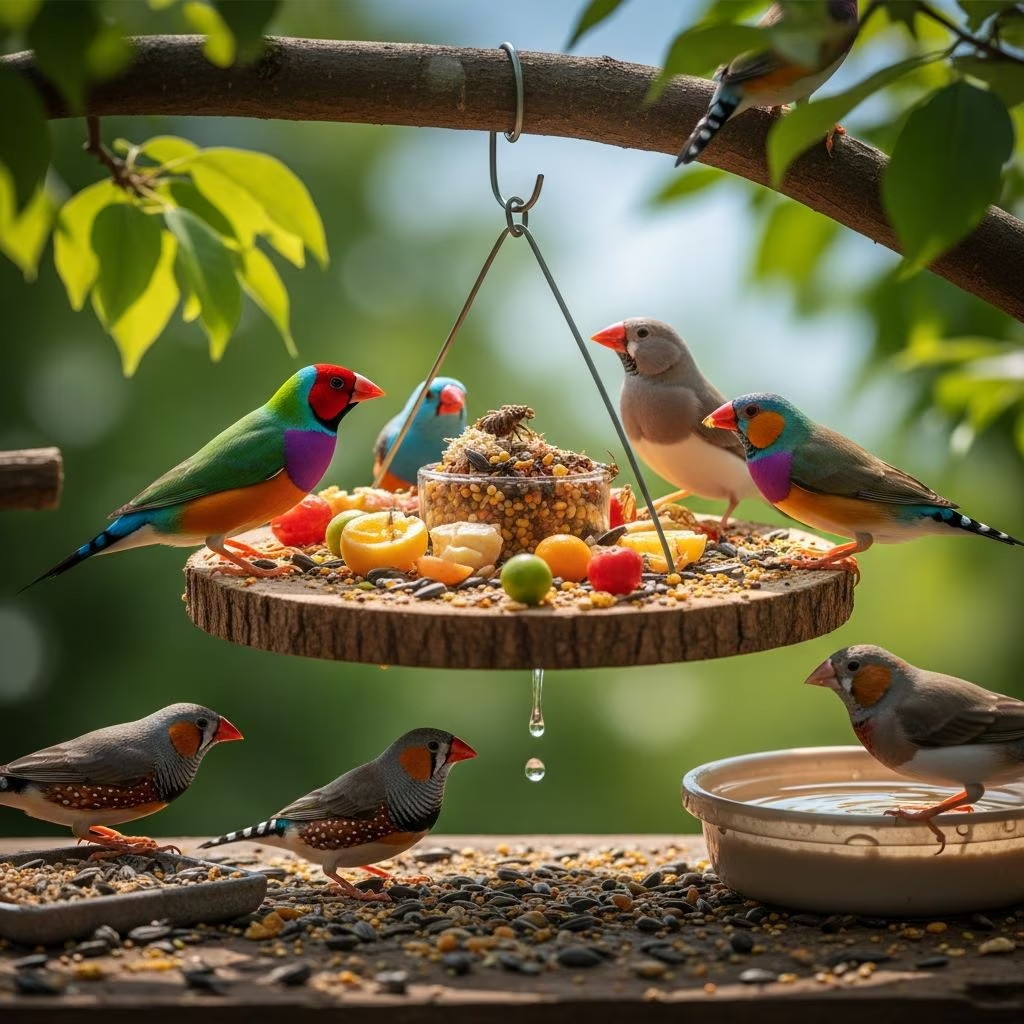
What Should I Feed My Finch?
Like other birds, finches need to eat a balanced diet to stay healthy and maintain vibrant plumage, strong songs, and optimal body condition. Understanding proper finch nutrition is essential for pet owners who want their feathered companions to thrive. Unlike wild finches that eat a variety of seed types as different plants come into season, pet finches often have limited access to diverse natural food sources. Therefore, providing a well-rounded diet that combines multiple food types is crucial for their long-term health and wellness.
Commercial seed mixes available in pet stores may contain two to five different kinds of seeds, but they tend to be high in fat and nutrient-deficient. These mixes are not the same kinds of seeds that wild finches eat in their natural habitats. If these seed mixes are the only source of food, they could lead to malnutrition, which in turn will lead to poor health and a potentially shortened lifespan. The key to finch health is providing a balanced diet that includes multiple food components in appropriate proportions.
Understanding Seed-Based Diets and Their Limitations
When offered a mixture of seeds, finches tend to selectively eat only one or two of their favorite types of seed, and they often prefer millet seed above all others. This selective eating behavior can result in nutritional imbalances if seeds are the primary diet component. Owners commonly offer millet in the form of a millet spray or branch. While tasty to finches, millet offers little nutrition and is devoid of several essential vitamins and minerals that finches need for optimal health.
Similarly, owners also offer seed in the form of a honey stick, which contains seeds stuck together with honey on a stick of wood. Honey sticks are delicious treats that finches enjoy, but they are high in fat and, like millet seed, deficient in essential nutrients. Other seed-based foods often fed to finches include molting foods, song foods, and conditioning foods. These products offer different combinations of more seeds that finches like to eat, but they have little nutritional value and should not form the foundation of a finch’s diet.
Seeds should only be a small part of a finch’s diet, not the entire diet. The bulk of the diet should be commercially available pelleted food along with a smaller amount of fresh produce and a small percentage of seed. Feeding this balanced diet is the best way to achieve a healthy molt, vibrant song, and strong body condition.
Seed Portions and Feeding Guidelines
As a guideline, most finches can be maintained on no more than one level teaspoon of varied types of seeds, per bird per day, offered in a shallow dish. This modest portion ensures that seeds complement rather than dominate the diet. If there is more than one finch in the cage, it is essential to use separate dishes for each bird to ensure that all birds have equal access to food. In a flock, the feeding dish should be large enough to allow several birds to eat at one time, preventing competition and stress during feeding.
Pelleted Diets: The Foundation of Finch Nutrition
Pellets are the ideal diet for most birds and should ideally represent a minimum of 70 percent of the bird’s diet. There are several types of commercially formulated, pelleted diets that come in various colors, shapes, and sizes, and have been developed to meet all birds’ nutritional needs. These pellets are nutritionally complete and balanced, containing the essential vitamins, minerals, proteins, and fats that finches require for optimal health.
Seed-eating birds should be slowly weaned off seed-based diets and placed on pelleted diets. Mature finches raised on seeds may be particularly difficult to convert to a pelleted diet, as they have developed strong preferences for seeds and may not initially recognize pellets as food. Hand-raised babies are generally the easiest to start on a pelleted diet, as they have not yet developed entrenched feeding preferences. Pet owners who acquire mature seed-eating finches should be prepared for a gradual transition period.
Converting Your Finch to a Pelleted Diet
Converting seed-eating birds to a formulated diet is not always easy. Initially, birds may not recognize pellets as food and may reject them entirely. There are two effective ways to convert your finch to a pelleted diet.
Method One: Separate Bowl Strategy
One way is to offer your bird’s pellets in a bowl separate from any other food, ideally first thing in the morning, when they are hungriest. Birds are most likely to try new foods when they have not yet eaten and are motivated by hunger. This method works well for birds that are somewhat adventurous eaters and willing to explore new food sources.
Method Two: Gradual Mixing Strategy
A second way to convert your bird to a pelleted diet is to mix both pellets and seed in the same bowl, but only fill the bowl one-quarter full. Over a nine-day period, gradually adjust the ratio of seeds to pellets as follows:
- Day 1: 90% seed and 10% pellets
- Day 2: 80% seed and 20% pellets
- Day 3: 70% seed and 30% pellets
- Day 4: 60% seed and 40% pellets
- Day 5: 50% seed and 50% pellets
- Day 6: 40% seed and 60% pellets
- Day 7: 30% seed and 70% pellets
- Day 8: 20% seed and 80% pellets
- Day 9: 10% seed and 90% pellets
This gradual transition allows finches to become accustomed to the taste and texture of pellets while still enjoying familiar seeds. By day nine, pellets should make up the vast majority of the diet, with seeds becoming an occasional supplementary food.
Fresh Fruits and Vegetables
Fruits and vegetables are important components of a balanced finch diet, providing essential vitamins, minerals, and fiber. However, they should be offered in limited quantities as supplements to the pelleted diet. Fresh fruits and vegetables must be washed thoroughly to remove chemicals before feeding to your finch. They should be cut into very small pieces appropriate to the size of the bird, as finches have tiny beaks and cannot consume large chunks. It is not necessary to remove the skin from fruits and vegetables unless specified for particular items.
Recommended Fresh Produce Options
Safe and nutritious foods for finches include dark leafy greens such as kale and parsley, colorful vegetables like bell peppers, carrots, broccoli florets, and carrot tops, and fruits including apples, pears, melon, and kiwi. Squash, sweet potatoes, pumpkin, and green beans are also excellent choices. When introducing new foods, observe your finch’s response and preferences.
Fruits and vegetables should be offered in a separate dish from seeds and pellets. If your bird appears to develop a preference for one food item, temporarily stop feeding that food item to encourage the bird to eat other foods and maintain dietary variety. It is crucial to remove any uneaten fruits and vegetables after 10 hours, as they may spoil and cause bacterial infection if eaten after they have begun to decompose.
Water and Hydration
Fresh, clean water must always be available to your finch. Depending on the quality of your tap water, you may consider using bottled water to ensure optimal purity. Water dishes should be large enough for a finch to bathe in, as finches enjoy water bathing for maintaining feather health and cooling off. Dishes should be washed and rinsed thoroughly every day with soap and water to prevent bacterial growth and contamination.
Finches have very active metabolisms, and starvation can occur in as little as 24 hours if food and water become unavailable. Therefore, maintaining constant access to fresh water is not just a convenience but a critical health requirement. Some finch owners provide both an open water dish and a side-hanging water bottle to ensure multiple water sources and redundancy in case one source becomes contaminated or inaccessible.
Special Nutritional Considerations During Breeding and Molting
Finches have different nutritional requirements during breeding season and egg-laying periods. During these critical times, finches need more protein in their diet, especially if they are not consuming a nutritionally complete and balanced pelleted food as their base diet. Pet parents may offer their finches a very small amount of commercially available egg food formulated specifically for finches, small amounts of cooked egg, or live or freeze-dried insects including crickets, mealworms, and waxworms two to three times weekly.
Only adult finches should be offered live foods, as chicks may have difficulty handling or digesting live insects. The additional protein supports egg production, strengthens developing chicks, and helps adult finches maintain their physical condition during the demands of breeding season. Millet spray can be fed as an occasional treat during these periods, no more than a few times a week, to provide extra calories and encourage breeding behaviors.
Treats and Supplements
Treats should not make up more than 10 percent of a bird’s diet. Millet spray should be limited to a few times per week at most. Honey sticks should only be offered occasionally, no more than once or twice a month. These treats are high in fat and sugar, which can lead to obesity and nutritional imbalances if offered too frequently.
Cuttlebones are an excellent way to supplement calcium and other trace minerals in a bird’s diet. Calcium is a vital nutrient that helps keep birds’ bones, beaks, nails, and feathers strong and healthy. A cuttlebone holder can help keep a bird’s cuttlebone in place and prevent cuttlebone debris from falling outside the cage, keeping the living space cleaner.
Foods to Avoid
Certain foods are toxic to finches and should never be offered under any circumstances. Do not allow finches to ingest chocolate, caffeine, or alcohol, as they are all toxic and can cause death or serious illness. Chocolate contains compounds that are harmful to birds’ cardiovascular systems. Caffeine can cause heart palpitations and seizures. Alcohol affects bird behavior and organ function.
Avoid treats that are high in fat, sugar, or salt. Additionally, never feed your bird avocado or fried foods, as these can make your bird very sick. Pet parents should never share food from their mouths or plates with their finch. Human mouths have microorganisms that can cause illness in birds, and human food is often high in sodium and other additives that are harmful to avian health.
Daily Feeding Pointers and Best Practices
Maintaining consistent daily feeding practices is essential for finch health and wellness:
- Always monitor the amount of food eaten every day by each bird, especially if birds are housed together. This helps you identify potential health issues early, as changes in eating patterns often signal illness.
- Offer fresh water every single day, and change water at least once daily, preferably twice.
- Offer fresh fruits and vegetables every day to ensure consistent access to essential micronutrients.
- Clean all food and water dishes daily with soap and warm water to prevent bacterial growth and foodborne illness.
- Remove old food and refill with fresh food daily, keeping the bowl about three-quarters full so your finch can eat freely throughout the day.
- If a bird rejects a food one day, it may accept it another day. Keep trying with different vegetables and fruits to expand your finch’s dietary preferences.
- Use a shallow dish for seeds to allow easy access while containing seeds within the feeding area.
Creating a Nutrient-Dense Diet Summary
The foundation of a healthy finch diet consists of three main components: commercial pelleted food making up 70 percent or more of the diet, fresh fruits and vegetables offered daily in small portions, and seeds limited to one teaspoon per bird per day. This balanced approach ensures that your finch receives all necessary nutrients while maintaining healthy weight and optimal body condition. Regular observation of your finch’s eating habits, combined with consistent feeding practices and access to fresh water, will support long-term health, vibrant plumage, strong vocalizations, and an active, content pet companion.
Frequently Asked Questions About Finch Feeding
Q: How much pellet food should I offer my finch daily?
A: Use the manufacturer’s instructions on the pelleted food package to determine the appropriate daily amount. Generally, pellets should make up at least 70 percent of your finch’s diet, with the bowl kept about three-quarters full to allow free access throughout the day.
Q: Can finches eat the same food as other pet birds?
A: While some pelleted diets are formulated for multiple bird species, it is ideal to use pellets specifically formulated for finches, as different bird species have different nutritional requirements.
Q: What should I do if my finch refuses to eat pellets?
A: Be patient and try both conversion methods: offering pellets separately in the morning or gradually mixing pellets with seeds over nine days. Hand-raised babies adjust to pellets most easily, while mature seed-eating finches may take longer to transition.
Q: How often should I change the water?
A: Fresh, clean water should be available at all times. Change water at least once daily, preferably twice, and clean water dishes thoroughly daily with soap and water.
Q: Is millet spray safe for finches?
A: Yes, millet spray is safe but should only be offered as an occasional treat, no more than a few times per week. While finches enjoy it, millet offers little nutrition and is devoid of essential vitamins and minerals.
Q: What vegetables are best for finches?
A: Dark leafy greens like kale and parsley, carrots, broccoli florets, carrot tops, bell peppers, squash, sweet potatoes, pumpkin, and green beans are all excellent choices. Cut vegetables into very small pieces appropriate for your finch’s tiny beak.
Q: Can finches eat honey sticks?
A: Honey sticks can be offered as occasional treats only, no more than once or twice per month. While finches enjoy them, they are high in fat and sugar and lack essential nutrients.
Q: How do I know if my finch is eating enough?
A: Monitor your finch’s daily food intake, maintain a consistent feeding schedule, observe their weight and activity level, and watch for signs of good health including bright eyes, smooth feathers, and active behavior. Finches with active metabolisms require consistent food access.
References
- Feeding Finches — VCA Animal Hospitals. 2024. https://vcahospitals.com/know-your-pet/finches-feeding
- Finch Bird Care Sheet — PetMD. 2024. https://www.petmd.com/bird/finch-care-sheet
- Finch Care Guide — PetSmart Learning Center. 2024. https://www.petsmart.com/learning-center/bird-care/finch-care-guide
- Finch Care Sheet — Oregon Humane Society. 2022. https://www.oregonhumane.org/finch-care-sheet



