

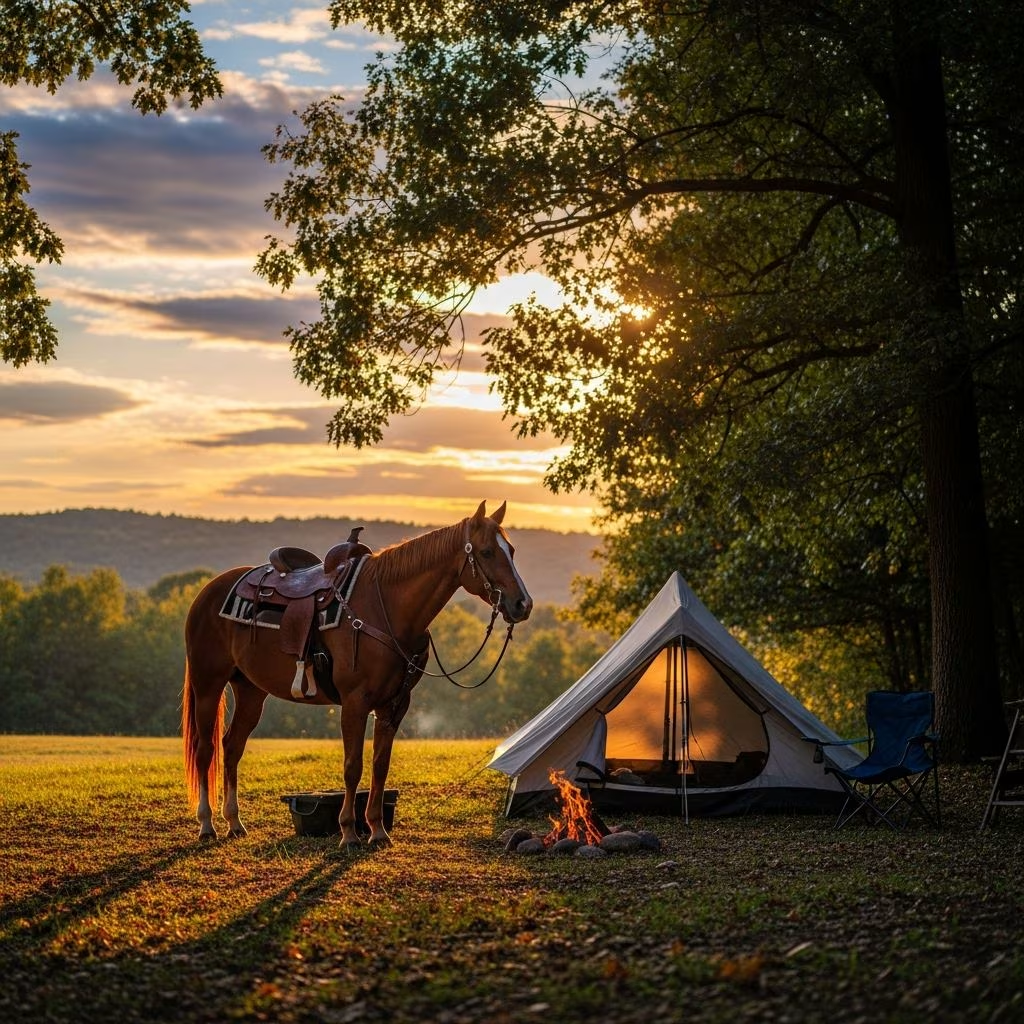
Riding all day through breathtaking landscapes, settling in beside a crackling campfire as evening falls, and waking up refreshed to another day of trail exploration represents one of the most rewarding ways to bond with your horse. Equestrian camping combines the adventure of horseback riding with the tranquility of camping in nature, creating unforgettable memories. However, successful horse camping requires careful preparation, proper planning, and knowledge of essential safety practices. This comprehensive guide will walk you through every aspect of equestrian camping, from understanding what it entails to preparing your horse and yourself for the journey ahead.
What Is Equestrian Camping?
Equestrian camping, often called horse camping or horseback camping, is the practice of trail riding with your horse while carrying supplies needed for eating, sleeping, and relaxing along your route. Unlike traditional backpacking, equestrian camping leverages your horse as both transportation and a constant companion throughout your adventure.
During an equine camping trip, riders engage in various activities beyond trail riding. Many enthusiasts enjoy wildlife spotting, photography, fishing, swimming at scenic water sources, and simply reading in peaceful natural settings. The primary appeal of horseback camping lies in the unique interaction and bond between horse and rider. As Ron Lineberger, owner and outfitter at Butte Creek Outfitters in Cody, Wyoming, explains, “Horseback camping is appealing because you’re basically living right next to your horse.” Having a horse as your personal transportation throughout the wilderness adds both practicality and adventure to the experience.
How To Find an Equine Campground
Selecting the right campground is crucial for a successful equestrian camping experience. Once you’ve identified a trail, state park, or national park for your adventure, you need to determine where you’ll camp along your route. According to Dewy Matthews, owner of Anchor D Guiding & Outfitting Ltd. in Alberta, Canada, your campsite should ideally be positioned between the trail you’ve traveled and where you’ll turn your horses out to graze.
Food and Water Availability
The ideal equestrian campground must prioritize feed and water access for your horse. Look for large, well-established meadows with abundant grass to keep your horse contentedly grazing near camp rather than wandering back toward the trailhead. Equally important is ensuring your horse has constant access to fresh, clean water. As Lineberger notes, “As long as the horse is well-fed and well-watered, he’s generally going to hang around camp.” This combination keeps your horse secure without requiring intensive management.
Shelter and Fuel Considerations
Your campsite should provide adequate shelter and fuel for both you and your horse. Search for locations with available firewood and natural windbreaks that protect horses and your camp from harsh weather. Avoid steep terrain that creates safety hazards for horses and camping. Similarly, steer clear of areas recently affected by forest fires or beetle-killed trees. “In those situations, the wind can cause trees to come crashing down, so you don’t want to camp right in the middle of a bunch of dead trees or a bunch of beetle-killed trees,” Lineberger cautions. Dead or damaged trees pose significant safety risks in windy conditions.
Trail Difficulty Assessment
If you’re riding your own horse rather than using horses supplied by an outfitter, Lineberger recommends choosing less challenging terrain. “Research where you want to go, and make sure it’s not extremely steep and difficult, treacherous country,” he advises. “Try to stick to the river bottoms and flatter areas versus the more arduous trips.” This approach ensures both you and your horse can handle the journey comfortably.
Prepping for Horse Camping
Proper preparation separates a successful camping trip from a stressful one. Begin by researching your route thoroughly using U.S. Forest Service public fire information websites to verify you won’t be traveling through active fire zones. Contact your local Bureau of Land Management (BLM) office to discuss campsite safety options and any location-specific concerns.
Familiarize yourself with any poisonous plants or noxious weeds in your camping area that could harm your horse. This knowledge helps you choose safe grazing areas and prevents accidental exposure to dangerous vegetation.
Consider joining organizations like Back Country Horsemen or local equestrian groups if you’re new to horse camping. Experienced horse campers can provide invaluable guidance, and your first trip is best completed with a companion rather than alone. Choosing a location close to home for your initial trip allows you to cut the adventure short if needed.
Horse Camping Checklist
Successful equestrian camping requires gathering the right equipment and supplies. Here’s a comprehensive breakdown of what you’ll need:
Horse-Specific Equipment
Your horse requires specialized gear beyond normal riding equipment:
- Saddle, bridle, halter, and lead rope
- High-line or portable corral for secure confinement
- Feed bag for grain or supplemental feeding
- Extra horseshoes and an Easyboot or two (boots that slip on if your horse throws a shoe on the trail)
- Certified weed-free hay if required by the location
- Horse-specific first aid kit including bandaging materials, blood stop powder, Bute for pain, and Banamine for colic
- Topical medicines for minor wounds
Lineberger emphasizes the importance of carrying spare boots: “If you’re smart, if you’re going on an extended trip, carry an Easyboot or two. If your horse does throw a shoe on the trail, you can get him back home without his hoof breaking up.”
Personal Camping Gear
Your own equipment should be lightweight but comprehensive:
- Tent with adequate space and weather protection
- Sleeping bag appropriate for nighttime temperatures
- Sleeping pad for insulation and comfort
- Camp stove for cooking meals
- Food supplies including lightweight, high-calorie options
- Water filter or purification tablets
- Headlamp for safe nighttime movement
- Multi-tool for camp tasks
- Emergency communication device
- First aid kit for humans
Food and Water Planning
Careful planning ensures you and your horse have adequate nutrition and hydration throughout your trip. For your horse, bring certified weed-free hay if regulations require it, and begin feeding it before your trip starts. Confirm water sources exist along your route. If none are available, pack at least 10 gallons of water per horse per day, which requires significant planning and carrying capacity.
For yourself, pack lightweight, high-calorie foods that don’t require extensive preparation. Dehydrated meals, wraps, jerky, nuts, and oatmeal provide good nutrition without adding excessive weight.
Horse Confinement Methods
Plan how you’ll secure your horses at camp. Options include hobbling, picket lines, highlines, or portable electric fences. You may only need to hobble some horses while their herd mates remain close for security. A highline provides your horse with freedom to move and eat, preventing restlessness and boredom that leads to ground pawing and erosion. Using a prusik knot on the highline allows your horse to slide up and down while preventing entanglement.
Manure Management
U.S. Forest Service regulations require you to spread manure from piles out within 50 yards of your campsite. This practice protects the environment and maintains the integrity of camping areas for future users.
Safety Tips for Keeping Horses at the Campsite
Maintaining your horse’s safety and security at camp requires attention to several important factors:
Keeping Your Horse Warm
Temperature management becomes critical when camping in mountainous regions like the northern Rocky Mountain area, where nights turn quite cold. Ensure adequate firewood is available for your campfire. If you’re staying at established camps, they typically have designated fire areas and bear boxes for secure food storage.
Fire Safety and Prevention
Check U.S. Forest Service public fire information websites to verify your location isn’t in an active fire zone. Choose campsites away from beetle-killed or dead trees that could fall in wind, creating hazards for you and your horses.
Equipment and Hoof Care
Carrying extra horseshoes or Easyboots prevents emergencies if your horse loses a shoe during trail riding. These backup options allow safe travel back to camp without further hoof damage.
Comfort and Rest
Set up camp before dark to allow your horse time to settle before nightfall. Keep your horse secure using your chosen confinement method, whether a high-line, portable corral, or electric fence. A comfortable, secure horse translates to better rest for both animal and rider.
Choosing Your Camping Locations
Various camping options accommodate horses and riders of different experience levels:
- State parks with horse corrals
- Private farms and ranches that welcome horse campers
- Horse motels designed specifically for overnight equestrian stays
- Designated equestrian camping areas in national forests
- Rodeos that provide overnight camping facilities
Resources like TrailMeister.com and Good Sam Campgrounds help identify horse-friendly locations with well-established trails, water access, and designated equestrian areas. Contact land management offices for specific rules, permits, and horse camping regulations before your trip.
Design Considerations for Equestrian Facilities
When evaluating potential campgrounds, look for sites demonstrating proper equestrian design. Ideal sites feature convenient driving access with roads accommodating horse trailers, preferably within 5 miles of paved roads. Direct trail access from camp prevents the need to transport horses to distant trailheads. Multiple loop trails originating from your camp maximize exploration opportunities without relocating your base camp.
Well-designed equestrian campgrounds separate vehicle traffic from horse campers, reducing disturbances and conflicts between different user groups. This separation creates a more peaceful, focused experience for everyone.
Frequently Asked Questions About Horse Camping
Q: Can I go horse camping alone?
A: Your first horse camping trip should be with a friend or experienced horse camper to ensure safety and make the experience more enjoyable. Joining organizations like Back Country Horsemen provides access to experienced mentors and group trips.
Q: What’s the best season for equestrian camping?
A: Late spring through early fall typically offers the most comfortable conditions. However, consider your location’s specific climate and fire season when planning your trip.
Q: How much water should I bring for my horse?
A: If water sources aren’t available along your route, bring at least 10 gallons per horse per day. Always confirm water availability before departing.
Q: What should I do if my horse throws a shoe while camping?
A: Carrying spare Easyboots allows your horse to return to camp safely without hoof damage. These temporary boots slip on like shoes and protect the hoof until you can have proper shoes reattached.
Q: How do I keep my horse secure at the campsite?
A: Use a combination of methods such as hobbles, highlines, picket lines, or portable corrals. A highline with a prusik knot is popular because it allows movement while preventing escape.
Q: What lightweight foods should I pack?
A: Dehydrated meals, wraps, jerky, nuts, and oatmeal provide excellent nutrition without excessive weight. Eat a substantial meal before bed for better sleep.
References
- Your Complete Guide to Equestrian Camping — Chewy. 2025. https://www.chewy.com/education/horse/general/equestrian-camping
- A Guide to Your First Horse Camping Trip — TrailMeister. 2025. https://www.trailmeister.com/from-hesitant-to-happy-horse-camper/
- Equestrian Design Guidebook for Trails, Trailheads, and Campgrounds — U.S. Forest Service. https://www.fs.usda.gov/t-d/pubs/htmlpubs/htm07232816/page12.htm
- An In Depth Guide to Horse Camping — Haven Tents. https://haventents.com/a/blog/how-to-horse-camp
- The RVers Guide to Horse Camping — Camping World Blog. https://blog.campingworld.com/lifestyle-activities/the-rvers-guide-to-horse-camping/



