

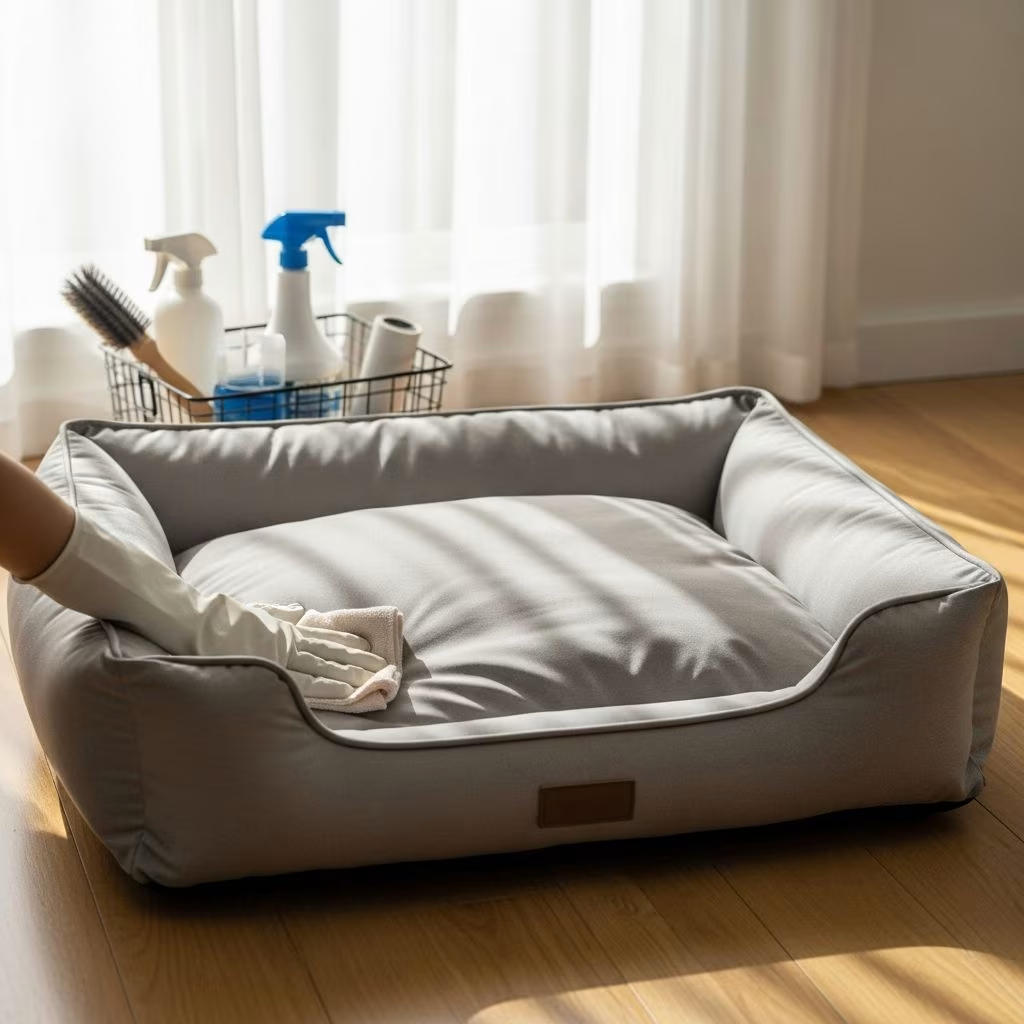
A clean dog bed is essential for your pet’s health, comfort, and overall well-being. Over time, dog beds accumulate dirt, hair, saliva, and various stains that can harbor bacteria and unpleasant odors. Understanding how to properly clean and maintain your dog’s resting space ensures it remains a comfortable sanctuary while preventing health issues like mold, mildew, and bacterial growth. This comprehensive guide walks you through every aspect of dog bed care, from initial preparation to long-term maintenance strategies.
Understanding Your Dog Bed Type and Material Composition
The first step in any effective cleaning routine involves identifying your specific dog bed type, as different materials require distinct care approaches. Dog beds come in various configurations, each with unique cleaning requirements that must be respected to avoid damage and maintain durability.
Identifying Common Dog Bed Categories
- Removable Cover Beds: These feature detachable outer shells that can be separated from the foam or fiber core, making them ideal for machine washing and targeted cleaning of individual components.
- Integrated Foam Construction: Single-piece foam beds or those with permanently attached covers require gentler hand-washing methods to prevent damage to adhesive seams and the foam structure itself.
- Specialized Cooling Beds: Gel-infused or water-based cooling beds need spot-cleaning and air-drying methods rather than submersion, as liquid exposure can compromise their cooling technology.
- Filled Beds with Loose Materials: Beds containing cedar chips, shredded foam, or other removable fill require emptying and shell washing before refilling with fresh materials.
- Plastic or Non-Fabric Bases: Hard-bottomed beds benefit from thorough scrubbing with sponges rather than machine washing, making them suitable for hand-cleaning approaches.
Before beginning any cleaning process, consult the manufacturer’s care instructions and check for warranty information. Ignoring these guidelines can void warranties, damage the bed’s structural integrity, or trap excess moisture within foam layers that promotes mold development.
Preparation Phase: Removing Surface Debris and Pet Hair
Effective bed cleaning begins with thorough preparation, a step many pet owners overlook but that significantly impacts cleaning success. Removing surface debris and excess pet hair prevents clumping during washing, which can clog washing machine drains and reduce cleaning effectiveness.
Step-by-Step Debris Removal Process
- Shake Out Loose Material: Hold the bed firmly and shake it vigorously outdoors to dislodge large clumps of dirt, dried mud, and loose debris from the surface and interior crevices.
- Vacuum the Entire Surface: Use a vacuum cleaner equipped with a HEPA filter and upholstery or brush attachment. Move systematically across the entire bed surface, paying particular attention to seams, stitching lines, and corner areas where debris accumulates.
- Focus on Crevices and Folds: Switch to a crevice attachment to penetrate deep into the bed’s textured areas, where pet hair and dust become trapped. This targeted approach removes allergens and prevents them from spreading during washing.
- Remove Stubborn Pet Hair: For pet hair that resists vacuuming, use a lint roller, adhesive tape, or rubber gloves rubbed across the surface. These tools lift hair that vacuum suction alone cannot capture.
- Address Embedded Dirt: Use an old toothbrush with gentle scrubbing motions to loosen dirt embedded in fabric seams and textured areas before washing.
This preparation stage is critical because water and detergent mix with pet hair creates a sticky residue that reduces cleaning effectiveness. Additionally, removing hair first prevents your washing machine from experiencing clogs or drainage issues.
Cleaning Removable Cover Beds: A Detailed Approach
Dog beds with detachable covers offer the most straightforward cleaning path, as the cover can be machine-washed while the foam core receives specialized treatment simultaneously.
Machine Washing the Cover
- Place the cover inside a protective mesh laundry bag to prevent snagging and protect delicate fabrics during the wash cycle.
- Add unscented, pet-safe laundry detergent to the dispenser. Avoid fabric softeners, which coat fibers and trap dirt rather than enhancing cleanliness.
- Set the water temperature to 160°F (approximately 71°C), which meets CDC sanitization standards while being safe for most fabric types.
- Select a normal or heavy-duty wash cycle and activate the extra rinse function to ensure complete detergent removal, which is essential for pets with sensitive skin.
- Run the washing machine to completion before proceeding to the drying phase.
Simultaneous Core Disinfection
While the washing machine operates, treat the foam core with a natural disinfecting solution. Mix ½ cup white vinegar with ½ gallon of warm water. Wipe the foam surface thoroughly with this solution, allowing it to penetrate for approximately 10 minutes. The vinegar naturally disinfects while eliminating odors without chemical harshness. After the contact time, wipe the foam again with clean water to remove any vinegar residue.
Drying Both Components
Remove the cover from the mesh bag and either tumble dry on low heat or lay flat to air dry. Avoid high heat, which can damage fabric fibers and shrink the cover. For the foam core, prop it against a wall with a fan directed at its surface. Ensure the foam reaches completely dry status (24-48 hours depending on humidity and airflow) before reassembly, as any residual moisture encourages bacterial and mold growth.
Hand Washing One-Piece and Permanently Attached Beds
Beds without removable covers or those with permanently attached fabrics require gentle hand-washing to prevent damage to adhesive seams and the foam structure.
Submersion Washing Method
- Fill a bathtub or large basin with enough lukewarm water to completely submerge the bed. The temperature should be warm but not hot, as excessive heat can compromise foam adhesive bonds.
- Add ¼ cup of pet-friendly detergent plus ½ cup white vinegar to the water and mix until sudsy throughout.
- Carefully place the bed into the soapy water, allowing it to gradually absorb the cleaning solution.
- Gently squeeze the soapy water through the foam like you’re wringing out a sponge, using repeated gentle compressions. Never twist, wring, or apply excessive pressure, as foam tears easily and can be permanently damaged.
- Allow the bed to soak for 20-30 minutes, periodically squeezing fresh soapy water through it to ensure thorough penetration.
Rinsing Protocol for Residue Removal
Drain the tub completely and refill with clean water. Squeeze the bed repeatedly to remove soap residue. This process should be repeated at least twice to ensure all detergent is eliminated. Residual detergent can irritate sensitive skin, cause itching, and create a sticky surface that attracts dirt. A final extra rinse cycle removes the last traces of cleaning solution.
Extraction and Drying
Press the foam with clean towels to extract excess water, but avoid squeezing with force that could tear the material. Position the bed on a drying rack or clean surface with two box fans directed at it from different angles. The critical drying period extends 24-48 hours, during which air circulation prevents moisture from creating an environment where mold and mildew thrive. Perform a smell test before allowing your dog to use the bed; any damp or musty odor indicates incomplete drying requiring extended fan time.
Specialized Bed Type Cleaning Methods
Cooling Gel and Water-Based Beds
These specialty beds cannot tolerate full submersion or vigorous washing. Instead, spot-clean affected areas using a cloth dampened with mild soap and water. Apply the solution to stains, let sit briefly, then rinse with a clean damp cloth. Air dry away from direct sunlight, which can compromise the cooling technology and fade the fabric.
Cedar Chip and Shredded Foam Beds
Beds with removable fill materials require a different approach. Open the bed cover completely and carefully empty all chips or shredded foam into a trash bag, disposing of them properly. Wash the outer shell using either machine or hand-washing methods described above. Once thoroughly dry, refill with fresh cedar chips or new foam material, ensuring even distribution for comfortable support.
Comprehensive Stain Treatment and Odor Control
Different stains and odors require specific treatment approaches for optimal removal without damaging bed materials.
| Stain Type | Treatment Method | Additional Tips |
|---|---|---|
| Urine Accidents | Apply enzyme spray specifically formulated for urine, allow 15-minute contact time, then wash normally. For prevention, use a UV flashlight to identify old spots invisible to the naked eye. | Baking soda acts as an odor neutralizer. Sprinkle liberally and let sit overnight before washing. |
| Mud and Dirt | Mix 1 tablespoon unscented detergent with 2 cups water. Apply to affected areas and scrub seams with an old toothbrush using gentle circular motions. | Allow the solution to penetrate for 10 minutes before scrubbing for stubborn deposits. |
| Blood Stains | Immediately soak the affected section in cold or warm water. For dried blood, create a paste of baking soda, vinegar, and water; soak for 30 minutes. Use 3% hydrogen peroxide, which dissolves proteins causing the stain. | Hydrogen peroxide foams when it contacts blood. Repeat application until fizzing stops, indicating complete stain dissolution. |
| Vomit and Bodily Fluids | Remove solid material with paper towels immediately. Mix ½ cup white vinegar with ½ cup water in a spray bottle. Blot the affected area, then wash on a hot water cycle. | Quick action prevents permanent staining and odor absorption into the foam. |
| General Odors | Add ½ cup baking soda to the rinse cycle during machine washing. For hand-washed beds, sprinkle baking soda before drying and vacuum after the bed is completely dry. | Baking soda safely deodorizes without chemical harshness and is safe for most fabrics. |
Deodorizing and Freshness Maintenance
Beyond stain removal, maintaining overall freshness requires consistent deodorizing practices. Adding ½ cup baking soda during the final rinse cycle neutralizes odors while softening fabric without the fiber-coating effects of commercial fabric softeners. For persistent odors, sprinkle baking soda generously across the entire bed surface, let it sit for several hours or overnight, then vacuum thoroughly. Never use bleach or chlorine-based products, as these can damage fabric and are potentially harmful to pets.
Enzymatic cleaners specifically formulated for pet accidents work by breaking down organic compounds that create odors, offering more effective long-term solutions than masking agents. Products designed for pet use are formulated to be safe if accidentally ingested during normal grooming.
Preventative Strategies for Long-Term Bed Maintenance
Implementing preventative measures reduces the frequency and intensity of deep cleaning required, extending your dog bed’s functional lifespan.
- Weekly Vacuuming: Brief weekly vacuuming sessions remove hair and dander before they accumulate, maintaining freshness between washes.
- Spot Cleaning Immediately: Addressing spills and accidents within minutes prevents staining and odor absorption into foam layers.
- Removable Washable Pad Layers: If your bed includes a top pad layer, washing this weekly while washing the main bed monthly maintains hygiene with less labor-intensive care.
- Protective Barriers: Placing a waterproof mat underneath or using a protective cover reduces direct exposure to household floor contamination and spills.
- Regular Air Circulation: Positioning the bed in areas with good air flow and occasionally airing it in sunlight (away from cooling gel beds) prevents moisture buildup.
- Odor Control Sprays: Dog-safe deodorizing sprays between washes keep the bed smelling fresh without requiring full washing cycles.
Washing Frequency Recommendations
The appropriate washing frequency depends on several factors including your dog’s activity level, any medical conditions affecting skin or coat, household environment, and whether the dog has outdoor or indoor access. Dogs with allergies or skin sensitivities may require more frequent washing to prevent irritant accumulation. In general, washing the entire bed every 2-4 weeks, with weekly spot cleaning and vacuuming, maintains optimal hygiene for most households. Dogs spending significant time outdoors or those prone to rolling in mud may require more frequent attention.
Common Mistakes to Avoid
Understanding what not to do prevents damage and ensures cleaning effectiveness. Avoid using fabric softeners, which create a waxy coating that traps dirt rather than enhancing cleanliness. Never dry foam cores in high-heat dryer settings, as this can melt adhesives and create internal moisture pockets. Refrain from using bleach or harsh chemical cleaners, which can fade colors, damage fibers, and pose health risks to pets. Don’t ignore manufacturer care instructions, as these guidelines exist specifically to preserve bed integrity and function.
Frequently Asked Questions
How can I tell if my dog’s bed has developed mold?
Signs include visible dark spots, a musty odor that persists despite cleaning, and occasionally a visible fuzzy growth. Mold develops when beds aren’t completely dry before use or when humidity traps moisture inside foam. Always ensure complete dryness before allowing your dog to sleep on the bed, and increase air circulation in damp environments.
Can all dog beds go in the washing machine?
Not all beds are machine-safe. Always check manufacturer labels before placing beds in machines. Beds with permanently attached covers, cooling gel inserts, or specialty materials often require hand-washing. Machine washing inappropriate bed types can void warranties and cause permanent damage.
What temperature water is safest for washing?
Warm to hot water (160°F/71°C) provides sanitization benefits while remaining safe for most fabric types. Avoid water that’s too hot, which can damage foam adhesives and shrink covers. Lukewarm water is safest for hand-washing to preserve material integrity.
How do I remove pet hair that won’t come off with vacuuming?
Lint rollers, adhesive tape, rubber gloves, or pet hair removal tools effectively capture hair that resists vacuum suction. Damping these tools slightly increases their hair-capturing efficiency.
Is it safe to use essential oils or perfume sprays on dog beds?
Avoid essential oils and heavily perfumed products, as dogs have sensitive respiratory systems and some essential oils are toxic. Stick with unscented cleaning products and natural deodorizers like baking soda.
References
- How to Clean a Dog Bed (Fast, Safe & Vet-Approved) — FunnyFuzzy. 2024. https://funnyfuzzy.com/blogs/pet-encyclopedia/how-to-clean-a-dog-bed
- How to Wash Dog Beds — Whole Dog Journal. 2023. https://www.whole-dog-journal.com/care/how-to-wash-dog-beds/
- How to Clean Your Dog’s Bed and Why It’s Important — American Kennel Club. 2023. https://www.akc.org/expert-advice/home-living/how-to-clean-a-dog-bed/
- How to Wash a Dog Bed and Tips to Keep It Clean — The Brooklyn. 2024. https://thebrooklyn.net/blogs/news/how-to-wash-a-dog-bed-and-tips-to-keep-it-clean
- How to Wash a Dog Bed — all® Laundry. 2023. https://www.all-laundry.com/laundry-tips/family-laundry-routine/how-to-wash-a-dog-bed.html



