

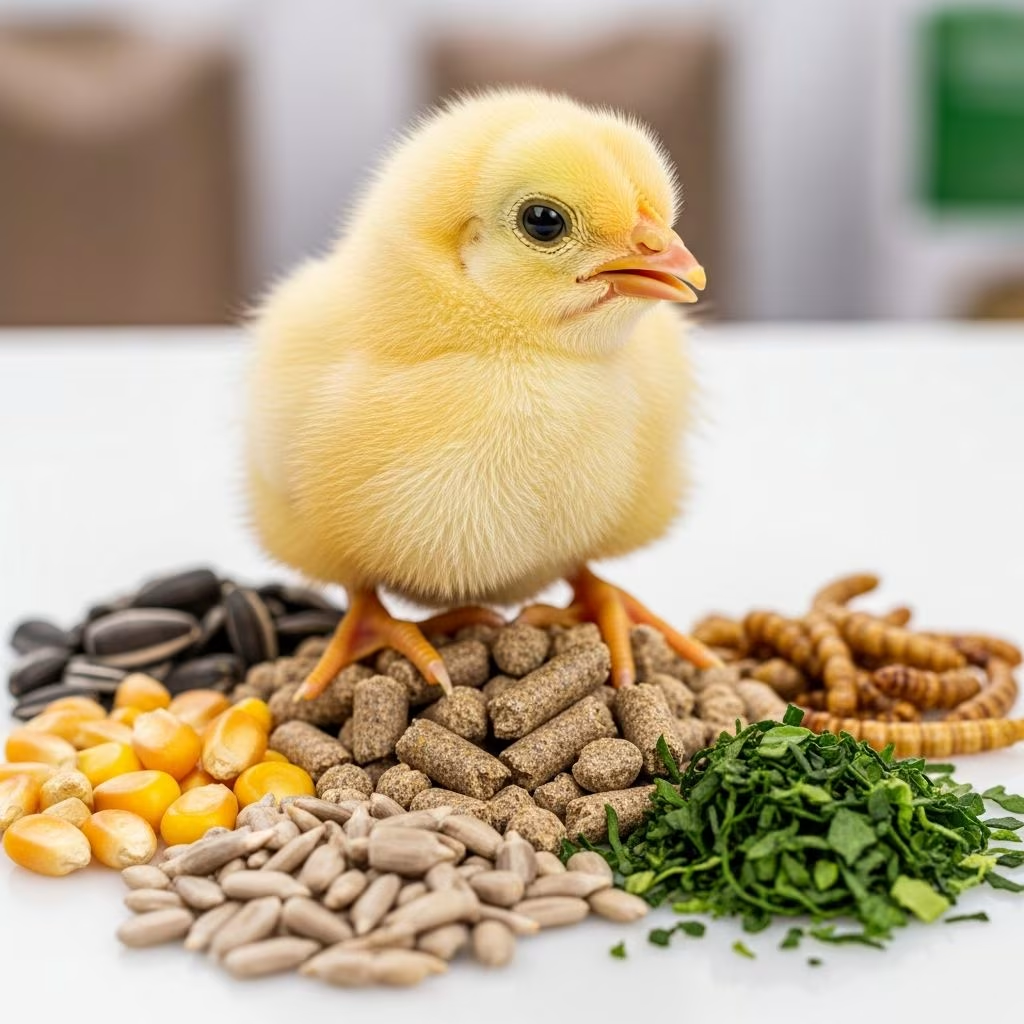
Understanding Chick Nutrition and Feed Types
Raising healthy chicks begins with understanding their unique nutritional needs during their earliest weeks of life. Baby chicks require specialized nutrition that differs significantly from adult layer feeds, as they are growing rapidly and developing their immune systems. The right feed provides the foundation for strong, productive adult birds that will serve your flock for years to come. Proper nutrition during the chick stage is not just about growth—it’s about establishing healthy bones, organs, and systems that will support egg production and overall health throughout the chicken’s lifetime.
The Three Main Stages of Chick Feed
Chick development occurs in distinct stages, and each stage requires different nutritional profiles to support optimal growth and development. Understanding these stages helps you provide exactly what your chicks need when they need it, preventing nutritional deficiencies and health problems that can arise from feeding the wrong feed at the wrong time.
Stage One: Chick Starter Feed (0-8 Weeks)
Chick starter feed is the first and most critical feed your baby chicks will consume from the moment they hatch. This specialized formulation contains elevated protein levels, typically ranging from 20-24%, which supports the rapid growth and development occurring during the earliest weeks of life. The high protein content helps young chicks develop strong muscles, feathers, and organs essential for survival and healthy development. Chick starter feed also contains prebiotics and probiotics that support healthy gut development and immune function, giving your chicks the best possible start in life.
During the first six to eight weeks, chicks can subsist almost exclusively on starter feed and fresh water. This feed is formulated without excessive calcium, as young chicks cannot properly process high levels of this mineral, and excess calcium can lead to kidney or liver damage. The crumbled texture of starter feed is ideal for tiny beaks, making it easy for chicks to consume and digest. Most experts recommend feeding starter feed until chicks reach approximately eight weeks of age, at which point they should transition to grower feed.
Stage Two: Grower Feed (8-20 Weeks)
As your chicks grow beyond eight weeks of age, they enter the grower stage and should transition to grower feed, also called pullet developer feed. Grower feed contains moderate protein levels, typically 14-16%, which supports continued growth without the excessive protein of starter feed. This feed is enriched with essential vitamins and minerals that maintain healthy immunity and support strong bone development as your young birds transition into adolescence.
The grower stage represents a crucial period where your chicks are maturing toward adulthood but are not yet ready for layer feed. Feeding grower formula during this period helps prevent problems associated with premature calcium intake while still providing complete nutrition for healthy development. Chicks typically remain on grower feed from eight weeks until they approach sexual maturity around 16-20 weeks of age.
Stage Three: Layer Feed (20+ Weeks)
Once your chickens reach approximately 20-22 weeks of age and begin producing eggs, they should transition to layer feed. Layer feed contains 16-18% protein and is specifically formulated with extra calcium to support strong eggshell development. This calcium is essential for preventing soft-shelled eggs and ensuring that your hens produce consistent, high-quality eggs with strong shells. Layer feed also includes balanced levels of vitamins, minerals, and amino acids that support overall health and consistent egg production.
Understanding Feed Textures and Formats
Chicken feed is available in three primary textures, each with distinct advantages and considerations for your flock.
Mash Feed
Mash is the softest texture option, resembling soil in consistency and structure. This highly digestible format can be fed to chickens of all ages, from newly hatched chicks through mature hens. Many farmers enjoy mixing mash with hot water to create a porridge-like treat that provides extra warmth and nutrition during cold winter months. However, mash is the most prone to spillage and waste, as it easily scatters when chicks peck at it or wind disrupts the feeding area.
Crumble Feed
Crumble has an oatmeal-like texture that many chicken farmers report is preferred by their flocks. This format provides more texture and crunch than mash while remaining digestible for young chicks. The increased texture seems to satisfy chickens more completely than smoother options. However, like mash, crumble can be wasteful as it breaks apart and scatters during feeding, though not quite as extensively as mash.
Pellet Feed
Pellets are compact, cylinder-shaped pieces of feed that are virtually spill-proof due to their sturdy construction. Even if your chicks knock over their feeder, pellets maintain their shape and remain completely edible. This reduces waste significantly compared to other formats. However, young chicks with tiny beaks may find whole pellets difficult to consume, making crumble a more appropriate choice for the youngest birds.
Critical Nutritional Components in Chick Feed
| Nutritional Component | Starter Feed | Grower Feed | Layer Feed | Purpose |
|---|---|---|---|---|
| Protein | 20-24% | 14-16% | 16-18% | Supports muscle development and tissue growth |
| Calcium | Low | Moderate | High | Essential for bone strength and eggshell production |
| Omega-3 Fatty Acids | Included (DHA) | Included | Included | Supports brain development and immune function |
| Prebiotics & Probiotics | Included | Included | Included | Promotes gut health and disease resistance |
| Vitamins & Minerals | Complete blend | Complete blend | Complete blend | Supports overall health and immunity |
Quality chick feed should contain protein levels between 20-24% during the starter phase, with enhanced levels of omega-3s like DHA for healthy brain development. The inclusion of prebiotics and probiotics in starter feeds provides crucial support for developing immune systems and improved gut health, helping chicks resist disease and stay healthy through their vulnerable early weeks.
Important Guidelines for Feeding Chicks
Age-Appropriate Feeding
One of the most critical aspects of chick nutrition is maintaining strict separation between age groups and feeding the appropriate formula for each life stage. Chicks will eagerly consume any food placed before them, but this natural appetite does not protect them from nutritional harm. High protein or calcium levels in inappropriate feeds can damage young chicks’ livers or kidneys. Similarly, feeding starter feed beyond the recommended eight-week period can cause liver damage due to excessive protein content. Transitioning chicks to the appropriate feed type at the correct time prevents these serious health issues.
Fresh Water Access
Along with quality feed, chicks require constant access to fresh, clean water. Water supports digestion, nutrient absorption, and temperature regulation. During the starter phase when chicks consume only feed and water, hydration is particularly critical. Many farmers use waterers specifically designed for chicks to prevent drowning and contamination.
Feed Quality and Storage
Purchase feed from reputable suppliers and check for signs of spoilage, mold, or pest contamination. Store feed in cool, dry conditions away from direct sunlight and moisture. Properly stored feed maintains its nutritional integrity and prevents the development of harmful molds that could sicken your chicks.
Supplementary Feeds and Treats
Grit and Shell Supplements
While chicks on a complete starter feed do not require grit initially, grit becomes important as they develop and begin consuming other foods. Chickens lack teeth and rely on stored grit in their gizzards to grind food into digestible pieces. Oyster shell grit serves double duty as both a source of additional calcium and a grinding tool, particularly important as chicks consume rougher textured foods like pellets and scratch grains.
Chicken Scratch as an Occasional Treat
Chicken scratch—a mixture of crunchy grains, corn, and seeds—can be offered as an occasional treat to chicks beyond the very early stages. On cold nights, warm scratch provides extra calories to help chicks maintain body heat. However, scratch should never constitute more than 10% of your chicks’ daily diet, as it lacks the balanced nutrition of complete feeds and is best considered as a supplementary snack rather than a primary food source.
Fermented Feed Benefits
Some experienced chicken keepers ferment their regular feed by soaking it in water for several days, creating a probiotic-rich food that enhances digestive health. Fermented feed increases vitamin and enzyme content while becoming easier for chicks to digest. This feeding method may also result in cleaner coops with reduced droppings as nutrient absorption improves.
Transitioning Between Feed Types
Moving chicks from one feed type to another should occur gradually over several days to prevent digestive upset. When transitioning from starter to grower feed at eight weeks, mix increasing proportions of grower feed with the remaining starter feed over 5-7 days, gradually increasing the grower feed percentage until the transition is complete. Similarly, transition to layer feed gradually when chicks reach 20-22 weeks of age. This gradual approach allows your chicks’ digestive systems to adjust to the new formula without stress or health issues.
Common Feeding Mistakes to Avoid
Several common errors can compromise your chicks’ health and development:
Feeding layer feed too early: Excess calcium in layer feed can damage young chicks’ kidneys and organs. Wait until chicks reach point-of-lay age before introducing layer feed.
Continuing starter feed too long: The high protein content of starter feed can damage livers in older chicks. Transition to grower feed by eight weeks.
Over-treating with scratch: Excessive scratch can lead to nutritional imbalances and obesity in growing chicks. Limit treats to less than 10% of daily intake.
Mixing age groups: Feeding different ages together leads to incorrect feed consumption by wrong-aged birds, causing preventable health issues.
Neglecting water access: Chicks can dehydrate quickly. Ensure constant access to fresh, clean water in appropriately sized waterers.
Organic and Specialty Feed Options
Many chicken keepers prefer organic chick starter feed free from hormones and antibiotics. These premium formulations provide the same nutritional support as conventional feeds while excluding synthetic additives. Specialty feeds may include enhanced omega-3 levels from flaxseed or fish oil, additional probiotics for enhanced immunity, or specific formulations for meat birds versus egg-laying breeds. Consider your flock’s intended purpose and your feeding philosophy when selecting between conventional, organic, and specialty options.
Frequently Asked Questions About Chick Feeds
Q: Can I feed my chicks layer feed from the beginning?
A: No. Layer feed contains excessive calcium for young chicks, which can cause serious kidney and liver damage. Young chicks require starter feed specifically formulated for their developmental stage. Wait until chicks reach 20-22 weeks of age and begin laying eggs before introducing layer feed.
Q: What’s the difference between starter and grower feed?
A: Starter feed (20-24% protein) supports rapid growth in newly hatched chicks through eight weeks of age. Grower feed (14-16% protein) is appropriate for eight-week-old chicks through point-of-lay at 20 weeks. The lower protein in grower feed prevents health issues that would result from prolonged starter feed consumption.
Q: How long should I feed starter crumbles?
A: Feed starter crumbles for the first 6-8 weeks of your chicks’ lives. Transition gradually to grower feed beginning around week 8 to prevent digestive upset and ensure proper development through adolescence.
Q: Is medicated or unmedicated chick starter better?
A: This depends on your situation. Medicated starter feed contains coccidiostats to prevent coccidiosis, a common intestinal disease in young chicks. Unmedicated feed is appropriate if chicks are raised in sanitary conditions or if you prefer to avoid medications. Discuss options with your veterinarian or poultry expert based on your specific circumstances.
Q: Can I use the same feeder for different feed types?
A: While you technically can, it’s better to use separate feeders for different feed types to prevent mixing and confusion, especially when transitioning between stages. This also helps prevent cross-contamination between medicated and unmedicated feeds if you’re using either.
Q: Do chicks need grit if I’m feeding commercial feed?
A: Young chicks on commercial starter feed alone do not need grit initially, as the feed is completely digestible. However, once chicks begin consuming treats like scratch grains or fermented feed, provide small grit to aid digestion. Wait until chicks are at least 4-6 weeks old before introducing grit.
References
- Every Type of Chicken Feed Explained — Nature’s Best Organic Feeds. 2024. https://organicfeeds.com/every-type-of-chicken-feed-explained/
- What To Feed Your Chickens From Chicks To Egg-Laying Hens — IFA Cooperatives. 2024. https://grow.ifa.coop/chickens/what-to-feed-your-chickens-from-chicks-to-hens
- All The Different Types Of Chicken Feed Explained — Backyard Chicken Coops. 2024. https://www.backyardchickencoops.com.au/blogs/learning-centre/all-the-different-types-of-chicken-feed-explained
- Chicken Feed: How to Choose for Your Flock — Grubbly Farms. 2024. https://grubblyfarms.com/blogs/the-flyer/chicken-feed-how-to-choose-for-your-flock
- 9 Types of Chicken Feed Explained — K&H Pet Products. 2024. https://khpet.com/blogs/farm/9-types-of-chicken-feed-explained
- In-Depth Guide to Chick Feed for Baby Chickens — Manna Pro. 2024. https://mannapro.com/blogs/news/guide-to-chick-feed
- Choosing the Right Chick Feed — Nutrena Feeds. 2024. https://nutrenaworld.com/choosing-the-right-chick-feed/



