

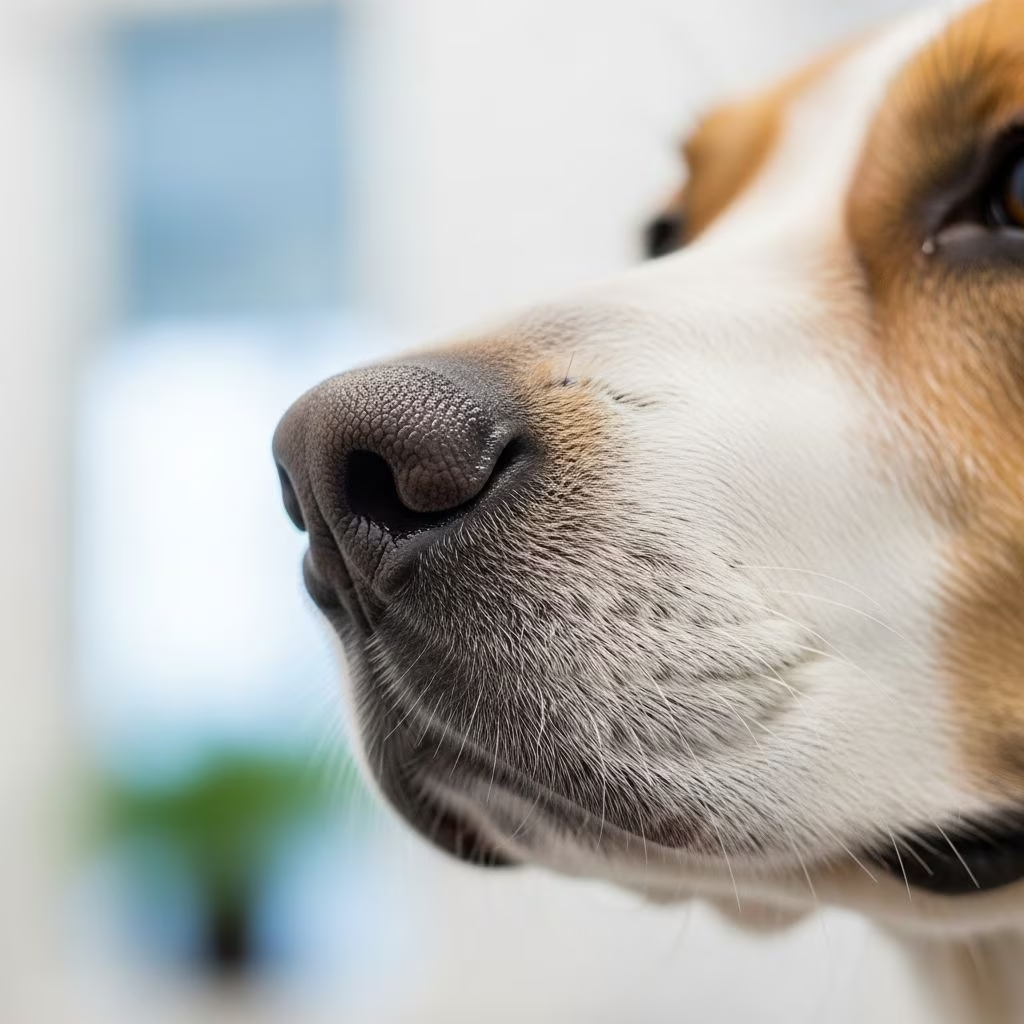
Your dog’s nose is far more than just an adorable feature to boop. It serves as a critical sensory organ, enabling your pet to navigate the world through an incredibly sophisticated olfactory system. Understanding how to properly care for this essential feature can significantly impact your dog’s overall health, comfort, and quality of life. This comprehensive guide explores the multifaceted aspects of nasal care and provides practical strategies for maintaining optimal nose health throughout your pet’s lifetime.
Understanding Your Dog’s Nasal Anatomy and Function
A dog’s nose is a complex biological structure designed for remarkable sensory capabilities. The nasal tissue is highly sensitive and prone to various environmental stressors. Unlike human noses, canine noses contain specialized tissues that allow dogs to detect odors at concentrations thousands of times lower than humans can perceive. This extraordinary ability makes the nose integral to your dog’s interaction with their environment.
The nasal passages contain delicate mucous membranes that require proper hydration and protection to function optimally. When these tissues become compromised, it can affect not only your dog’s ability to smell but also their respiratory function and overall comfort. The skin on the nose itself is also uniquely sensitive, lacking the protective oils found on other areas of the body, making it especially vulnerable to dryness and environmental damage.
The Critical Role of Hydration in Nasal Health
One of the most fundamental yet often overlooked aspects of nose care involves maintaining proper hydration. Water intake directly influences the moisture levels in your dog’s nasal tissues. A dog’s body composition is approximately 60% water, and this fluid balance is essential for maintaining healthy mucous membranes. The general guideline suggests that dogs should consume approximately one ounce of water per pound of body weight daily.
Inadequate water consumption creates a cascade of problems beginning with nasal dryness. When your dog becomes dehydrated, the mucous membranes in the nose become less effective at their protective functions. This can lead to:
- Reduced olfactory sensitivity and impaired smell detection
- Increased susceptibility to nasal irritation and infections
- Development of cracks and fissures in the nasal tissue
- General fatigue and compromised organ function
Ensuring consistent access to fresh, clean water throughout the day becomes particularly important during warmer months, after physical activity, or when your dog is dealing with any health conditions. Consider using multiple water stations around your home and always bringing water during outings or travel to encourage regular drinking habits.
Effective Cleaning Protocols for Nasal Maintenance
Regular cleaning represents a cornerstone of preventive nasal care. This simple yet crucial practice removes accumulated debris, allergens, and potential irritants that can compromise nasal health. Proper cleaning techniques are essential to avoid causing irritation or damage to the sensitive nasal tissues.
To clean your dog’s nose properly, follow these evidence-based steps:
- Gather soft materials such as a damp cloth or cotton pads
- Use lukewarm water rather than hot water, which can irritate sensitive tissue
- Gently wipe the external nasal passages and surrounding areas
- Never insert anything into the nasal passages, as this can cause injury
- Use pet-safe products that do not contain alcohol or fragrances
For dogs with prominent nasal folds or wrinkles in their facial structure, cleaning becomes even more important. These anatomical features can trap dirt, bacteria, and moisture, creating an environment conducive to infection. Dogs with deep facial folds may require cleaning three to four times weekly during normal conditions, or daily if an infection is present.
Avoid using human skincare products or harsh chemicals on your dog’s nose. These substances can irritate the delicate nasal tissue and cause additional problems. Stick to plain water or specifically formulated pet-safe cleaning solutions.
Moisturizing Strategies for Optimal Nasal Comfort
Many dogs experience nasal dryness at various points in their lives, whether due to environmental factors, health conditions, or seasonal changes. Moisturizing becomes an effective intervention to prevent and treat this common issue.
Natural oils and balms specifically formulated for canine use can significantly improve nasal moisture and comfort. Products containing ingredients such as coconut oil, olive oil, shea butter, and beeswax provide gentle moisturization without harmful side effects. These natural ingredients work together to create a protective barrier while delivering hydration to the nasal tissue.
When selecting a moisturizing product for your dog’s nose, consider the following factors:
| Factor | Consideration |
|---|---|
| Safety Profile | Ensure all ingredients are non-toxic and safe for consumption, as dogs frequently lick their noses |
| Natural Formulation | Prefer products with recognizable natural ingredients over synthetic chemicals |
| Consistency | Choose balms with appropriate thickness that will adhere to the nose without excessive runoff |
| Hypoallergenic Properties | Select formulations unlikely to trigger allergic reactions in sensitive dogs |
Application frequency depends on the severity of dryness and environmental conditions. During dry seasons or for chronically dry noses, applying balm one to three times daily can provide significant relief. After application, briefly distract your dog with a toy or treat to allow the balm to set before it is licked away.
Environmental Factors Affecting Nasal Health
The environment surrounding your dog significantly influences nasal health and moisture levels. Both outdoor conditions and indoor climate control systems can impact the delicate nasal tissues.
Indoor humidity plays a particularly important role in maintaining nasal moisture. Maintaining indoor humidity levels between 40-50% creates an optimal environment for preventing excessive dryness. During winter months when heating systems operate continuously, humidity often drops dramatically, intensifying nasal dryness in susceptible dogs.
Outdoor environmental challenges include:
- Extreme temperatures that can cause tissue damage and dryness
- Wind exposure that increases moisture loss from nasal surfaces
- Salt and chemical de-icers used on winter roads
- Excessive sun exposure leading to UV damage
- Seasonal allergens that irritate nasal passages
Protective measures such as limiting outdoor time during extreme weather and using pet-safe sunscreen on the nose during sunny periods can prevent environmental damage. Consider using humidifiers indoors during dry seasons to maintain adequate moisture levels throughout your home.
Recognizing Warning Signs of Nasal Problems
Vigilant observation of your dog’s nose helps identify problems before they become serious. Regular examination during routine petting or grooming allows you to notice changes that might indicate underlying issues.
Key warning signs that warrant veterinary attention include:
- Persistent nasal discharge that is thick, colored, or foul-smelling
- Bleeding from the nasal passages, known as epistaxis, which can indicate trauma, tumors, or clotting disorders
- Continuous or severe nasal crusting that does not improve with moisturizing
- Visible cracks, sores, or lesions on the nasal surface
- Excessive sneezing or reverse sneezing behaviors
- Labored breathing or respiratory distress
- Facial swelling or asymmetry involving the nasal area
- Changes in pigmentation or appearance of nasal tissue
Any concern about your dog’s nasal health should prompt communication with your veterinarian. Early intervention often prevents complications and ensures your pet maintains optimal comfort and function.
Breed-Specific Nasal Care Considerations
Different dog breeds have varying predispositions to nasal health issues based on their unique anatomy and genetics. Understanding your dog’s breed-specific characteristics enables more targeted and effective care strategies.
Brachycephalic breeds, characterized by flattened facial structures such as Bulldogs, Pugs, and Boston Terriers, commonly experience nasal challenges. Their compressed nasal passages and associated anatomical features make them particularly susceptible to dryness and breathing difficulties. These breeds typically require more frequent cleaning and may benefit from regular moisturizing applications.
Dogs with prominent facial wrinkles and folds require special attention to prevent bacterial growth in these anatomical recesses. Regular cleaning and thorough drying of these areas become essential components of their care routine.
Conversely, some breeds with longer nasal structures may experience different challenges related to their specific anatomy. Consulting with your veterinarian about breed-specific recommendations ensures you implement the most appropriate care strategy for your individual pet.
Building a Sustainable Nose Care Routine
Consistency matters more significantly than intensity when it comes to maintaining your dog’s nasal health. A simple daily observation during routine interactions becomes an effective preventive strategy requiring minimal additional effort.
Integrate nose care into existing routines by incorporating it into morning greetings or evening cuddle sessions. A quick visual inspection and gentle touch during these natural interaction points keeps nasal health on your radar without requiring additional time commitment.
Essential supplies to maintain on hand include:
- Pet-safe wipes for gentle cleaning
- Quality nose balm for seasonal dryness
- Soft cloths or cotton pads
- Natural moisturizing oils suitable for canine use
- Pet-safe sunscreen for outdoor activities
Most dogs require minimal intervention beyond basic observation and occasional moisture support. This low-maintenance approach makes comprehensive nasal care accessible for all dog owners regardless of lifestyle or schedule.
Frequently Asked Questions About Canine Nasal Care
What does a healthy dog nose look like?
A healthy dog nose typically has a moist appearance, smooth texture, and consistent coloration. While some variation exists between breeds and individual dogs, excessive dryness, cracking, or discharge indicates potential problems requiring attention.
Can I use human moisturizers on my dog’s nose?
No, human skincare products are not appropriate for dogs. These formulations often contain ingredients that may be irritating or toxic to canine nasal tissue. Always use products specifically designed and formulated for dog use.
How often should I clean my dog’s nose?
For most dogs, basic daily observation suffices with gentle cleaning as needed. Dogs with facial folds or specific conditions may require three to four cleanings weekly or more frequent intervention as recommended by your veterinarian.
Why is my dog’s nose always dry?
Chronic nasal dryness can result from insufficient hydration, environmental factors, allergies, or underlying health conditions. Ensure your dog has constant access to fresh water and consult your veterinarian if dryness persists despite adequate hydration.
Should I be concerned if my dog’s nose is warm?
A warm nose does not necessarily indicate illness or problems. Nasal temperature fluctuates throughout the day and is influenced by activity level and environmental conditions. Focus on other indicators such as moisture, texture, and discharge patterns rather than temperature alone.
Integrating Nasal Care Into Broader Health Management
Nasal health does not exist in isolation but rather represents one component of comprehensive pet wellness. Proper nutrition, regular exercise, and overall health management support optimal nasal function and tissue health.
Dogs experiencing respiratory discomfort alongside nasal issues may benefit from integrated treatment approaches addressing multiple systems simultaneously. Discussing these connections with your veterinarian ensures coordinated care that supports your dog’s total wellness.
Monitor for patterns in nasal health issues, noting seasonal variations, triggers, or associations with other symptoms. This observation helps identify underlying causes and enables more effective intervention strategies customized to your individual dog’s needs.
Conclusion: Maintaining Your Dog’s Nasal Vitality
Your dog’s nose represents a sophisticated sensory organ deserving of proper attention and care. By implementing the strategies outlined in this guide—maintaining adequate hydration, performing regular cleaning, applying appropriate moisturizers, and monitoring for warning signs—you create conditions for optimal nasal health and function throughout your pet’s life.
The investment in preventive nasal care yields significant returns in the form of improved comfort, better overall health, and maintained quality of life. Whether your dog experiences specific nasal challenges or you simply want to provide comprehensive wellness support, these evidence-based approaches offer accessible, practical solutions. Start with simple daily observation and basic maintenance, adjusting your approach based on your individual dog’s needs and your veterinarian’s recommendations.
References
- Essential Dog Nose Care: Anatomy, Symptoms, and Health Tips — Jet Pet Resort. 2024. https://jetpetresort.com/blog/dog-care/essential-dog-nose-care-anatomy-symptoms-and-health-tips/
- The Comprehensive Guide to Dog Nose Balm: Benefits, Application, and Tips — K9 Reproduction. 2024. https://www.k9reproduction.com/single-post/the-comprehensive-guide-to-dog-nose-balm-benefits-application-and-tips
- Dog Nose Care: Signs, Health Tips & Natural Solutions — BestLife4Pets. 2024. https://www.bestlife4pets.com/blogs/pet-blog-tips/dog-nose
- 10 Dog Nose Facts + How to Care for & Clean a Dog’s Nose — Pupford. 2024. https://pupford.com/blogs/all/dog-noses
- Your Dog’s Boopable Nose: How to Take Care of It — Preventive Vet. 2024. https://www.preventivevet.com/dogs/how-to-care-for-your-dogs-nose
- How to Clean Dog Nose: A Comprehensive Guide for Pet Owners — UA Pet. 2024. https://www.uahpet.com/blogs/post/how-to-clean-dog-nose-a-comprehensive-guide-for-pet-owners



