

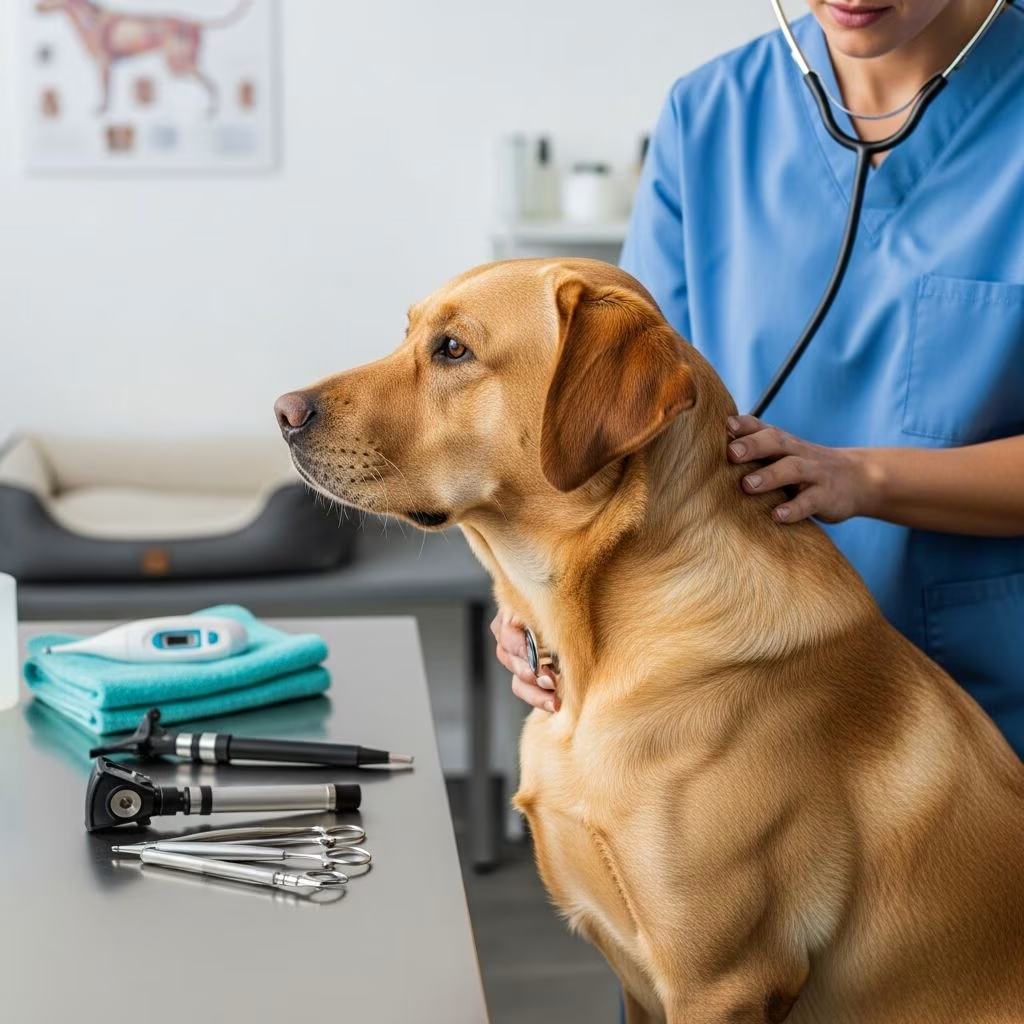
Understanding how to evaluate your dog’s health is one of the most valuable skills a pet owner can develop. While veterinarians are trained professionals capable of diagnosing and treating complex health conditions, recognizing the fundamentals of canine health assessment empowers you to identify potential issues early and maintain better communication with your veterinary care team. This comprehensive guide walks you through the systematic process of examining your dog’s physical condition, understanding what constitutes normal findings, and recognizing warning signs that warrant professional attention.
Why Regular Health Assessments Matter
Consistent health evaluations serve as a cornerstone of preventive care for dogs. Dogs cannot verbally communicate discomfort or illness, making regular physical assessments critical for catching health issues before they become serious. By conducting routine examinations, you establish a baseline understanding of your dog’s normal appearance and behavior, making it easier to spot deviations that might indicate emerging health concerns.
According to veterinary guidelines, dogs age significantly faster than humans, with mature dogs aging approximately five to seven years for each calendar year. This accelerated aging process means that health changes can occur rapidly, underscoring the importance of frequent assessments. Pet owners who perform regular health checks often catch problems at earlier, more treatable stages.
Establishing Your Examination Routine
Before beginning a hands-on examination, take time to observe your dog from a distance. This initial assessment provides valuable information about your dog’s overall demeanor, movement quality, and physical presentation without the stress of close handling.
Initial Observation Techniques
- Posture and movement: Watch your dog’s standing position and natural gait. Note any asymmetry, stiffness, or reluctance to bear weight equally on all limbs. Abnormal weight distribution or limping may indicate pain, joint problems, or neurological concerns.
- General attitude: Assess your dog’s alertness and responsiveness to environmental stimuli. A healthy dog typically displays curiosity and appropriate reactivity to their surroundings.
- Respiratory pattern: Observe breathing rate and effort before touching your dog. Normal, relaxed breathing should appear effortless and rhythmic.
- Body condition: Evaluate overall weight distribution. You should be able to feel ribs with gentle pressure, though they shouldn’t be visibly protruding.
Measuring Vital Signs
Vital signs provide objective data about your dog’s physiological status. Learning to measure these parameters at home creates a useful health reference and helps your veterinarian understand baseline values for your specific dog.
Key Vital Signs to Monitor
| Vital Sign | Normal Range | Measurement Method |
|---|---|---|
| Temperature | 100.5°F – 102.5°F (38°C – 39.2°C) | Digital rectal thermometer, 1-2 minutes |
| Heart Rate | 60-100 beats per minute (larger dogs lower, smaller dogs higher) | Palpate femoral artery or chest wall for 15 seconds, multiply by 4 |
| Respiratory Rate | 10-30 breaths per minute | Count chest rises for one minute while dog is at rest |
These measurements, collectively known as TPR (Temperature, Pulse, Respiration), represent the foundational vital signs assessment recommended in comprehensive veterinary examinations.
Assessing the Head and Facial Structures
Eyes and Vision
The eyes reveal significant information about your dog’s health. Begin by examining the external structures, noting the clarity of the cornea and the appearance of the conjunctiva (the tissue lining the eyelids). Healthy eyes should be bright and clear without excessive discharge or redness.
- Check for symmetry between both eyes
- Observe pupil size and responsiveness to light
- Note any cloudiness, tearing, or crusty discharge
- Look for signs of injury or foreign material
Ear Examination
Ears are frequently overlooked in home health assessments despite being common sites of health problems in dogs. Begin by examining the outer ear flap for hair loss, lesions, or abnormal pigmentation. Then gently fold the ear forward to inspect the ear canal.
- Normal ear canals should be clean with minimal waxy buildup
- Note any unusual odors, which often indicate infection
- Watch for excessive scratching or head shaking
- Observe for discharge, swelling, or visible debris
Nasal Assessment
While there is significant variation in normal nasal conditions, you can still identify concerning abnormalities. Examine the nasal surface for crusting, bleeding, or unusual discharge patterns.
Oral Health Evaluation
Dental disease represents one of the most common yet preventable health problems affecting dogs. Regular oral examination helps identify problems before they progress to serious infections that can affect the heart, kidneys, and other vital organs.
- Gently lift your dog’s lips to examine tooth surfaces for tartar accumulation
- Assess gum color—healthy gums should be pink, not red or pale
- Look for fractured or missing teeth
- Note breath odor; unusually foul breath often indicates infection
- Check for visible masses or abnormal growths in the mouth
Evaluating Skin and Coat Condition
The integumentary system (skin and hair) serves as a window into your dog’s internal health status. Systemic diseases, nutritional imbalances, and parasitic infestations all manifest through skin and coat changes.
Systematic Skin Examination
Part the hair in multiple locations to examine the skin directly, as many conditions hide beneath the coat. Run your hands systematically over your dog’s entire body, feeling for abnormalities beneath the surface.
- Parasites: Look for fleas, ticks, and lice. Part the hair and examine the skin closely, particularly around the neck, ears, and along the spine.
- Lesions: Identify rashes, scaling, crusting, or open wounds
- Masses: Note any lumps, bumps, or abnormal growths
- Hair loss: Observe patterns of hair loss; localized loss differs significantly from generalized thinning
- Skin condition: Assess moisture level and elasticity through gentle skin tenting
Thoracic and Respiratory Assessment
The chest cavity houses critical organs responsible for oxygen delivery and circulation. A stethoscope enhances your ability to detect abnormal respiratory sounds, though basic palpation and observation provide valuable information as well.
Breathing Pattern Evaluation
Listen carefully to your dog’s breathing throughout the examination. Normal breathing should be quiet and rhythmic. Document any of the following concerning patterns:
- Wheezing or whistling sounds
- Crackling or popping sounds (rales)
- Labored or heavy breathing during rest
- Rapid breathing unrelated to exercise or temperature
- Coughing or gagging episodes
Chest Palpation
Gently feel both sides of the chest simultaneously to assess rib cage symmetry and integrity. The rib cage should feel smooth and symmetrical without excessive protrusions or depressions.
Abdominal and Internal Organ Assessment
The abdomen contains the digestive organs, kidneys, spleen, and reproductive structures. Palpating the abdomen requires gentle, deliberate technique to identify abnormalities while minimizing discomfort.
Proper Palpation Technique
Position your dog standing or lying on its side. Use your fingertips to gently press into the abdomen, moving systematically from front to rear and side to side. Pay attention to your dog’s reactions; excessive tensing or pain responses warrant veterinary evaluation.
- Feel for abnormal masses or lumps
- Assess organ size relative to normal expectations
- Note areas of pain or tenderness
- Evaluate abdominal fluid accumulation (distension)
- Check for rigid or overly soft tissue tone
Lymph Node and Limb Examination
Palpating Lymph Nodes
Enlarged lymph nodes often indicate systemic illness or localized infection. Learn to locate and gently palpate the major lymph node groups:
- Submandibular nodes: Under the lower jaw
- Prescapular nodes: In front of the shoulder blade
- Popliteal nodes: Behind the knee
Normal nodes feel small (pea-sized or smaller) and move freely under the skin. Enlarged, firm, or immobile nodes require professional evaluation.
Limb and Joint Assessment
Systematically examine all four limbs, assessing joints and bones for heat, swelling, or pain responses. Gently flex and extend major joints to evaluate range of motion. Document any reluctance to move or pain responses that might indicate arthritis, injury, or other orthopedic problems.
Reproductive and Rectal Assessment
These sensitive areas require gentle handling and patience. Female dogs should have normal-appearing mammary glands without masses or discharge. Male dogs’ reproductive structures should be examined for discharge, swelling, or lesions.
Rectal examinations remain within the veterinarian’s scope, though understanding that this area exists as part of a complete health assessment helps you recognize when professional examination is needed.
Hydration Status Evaluation
Proper hydration affects every physiological process. Assess hydration through skin tenting—gently pull a fold of skin (typically over the shoulders) and observe how quickly it returns to normal position. Skin that returns immediately indicates adequate hydration, while slow return suggests dehydration requiring veterinary attention.
Additionally, check mucous membrane moisture by looking at the gums and inner lips. These tissues should appear moist and pink.
Recognizing When Professional Care Is Needed
Home health assessments complement veterinary care but cannot replace professional evaluation. Schedule veterinary appointments when you observe:
- Significant changes in appetite, water intake, or elimination patterns
- Abnormal lumps, bumps, or skin lesions
- Behavioral changes or altered mental status
- Limping, lameness, or difficulty moving
- Abnormal vital signs (consistently elevated temperature, rapid heart rate)
- Discharge from any body opening
- Persistent coughing or difficulty breathing
- Abdominal distension or signs of pain
Establishing a Preventive Examination Schedule
Comprehensive veterinary wellness examinations should occur regularly throughout your dog’s life. Young adult dogs typically benefit from annual examinations, while senior dogs (over seven years) often require evaluations every six months due to their accelerated aging and higher disease risk.
During professional visits, veterinarians recommend additional screening including fecal examinations for intestinal parasites, heartworm testing for dogs over seven months, and blood work to assess organ function. These diagnostic tools complement physical examination findings and often identify disease processes not apparent during basic assessment.
Documenting Your Findings
Maintain a health journal recording examination dates, findings, vital signs, and any concerns noted. This documentation creates a valuable longitudinal record highlighting patterns and changes over time. Share this information with your veterinarian to provide context for professional evaluations and help prioritize screening procedures.
Frequently Asked Questions
How often should I examine my dog at home?
Monthly thorough examinations supplemented with weekly brief skin and mobility checks help maintain awareness of your dog’s health status. Senior dogs benefit from more frequent assessments.
What equipment do I need for home examinations?
Basic supplies include a digital thermometer, pen and paper for recording findings, good lighting, and a flexible measuring tape. A stethoscope is optional but enhances respiratory and cardiac assessment capabilities.
Is it normal for my dog’s nose to be dry?
Yes, completely normal variations in nasal moisture exist among healthy dogs. Focus on identifying abnormal conditions like crusting, bleeding, or discharge rather than moisture alone.
What should I do if my dog resists examination?
Start with brief, positive interactions around sensitive areas like ears and feet, rewarding cooperation with treats. Establish examination routines gradually, making the process enjoyable rather than threatening.
How do I know if my dog is overweight?
A healthy dog’s ribs should be palpable (feelable) with gentle pressure but not visibly prominent. Weight assessment should include consideration of breed standards, age, and overall body composition rather than scale weight alone.
References
- Comprehensive Dog Physical Examination Checklist — Weave. 2024. https://www.getweave.com/creating-a-dog-physical-exam-checklist/
- Canine Life Stage Health Checklist — American Animal Hospital Association (AAHA). 2019. https://www.aaha.org/guidelines/aaha-canine-life-stage-guidelines
- SOP: Canine Physical Examination — Virginia Tech College of Veterinary Medicine. 2021. https://www.research.vt.edu/
- An Introduction to Clinical and Physical Examination of Dogs and Cats — Washington State University College of Veterinary Medicine. 2022. https://www.vetmed.wsu.edu/
- Pet Wellness Exams: Costs and What To Expect — PetMD. 2024. https://www.petmd.com/general-health/pet-wellness-exams-how-prepare
- Recommended Preventive Health Care Guidelines for Dogs — Peninsula Animal Hospital. 2021. https://www.peninsulaanimalhospital.com/



