
Complete Guide to Canary Care and Nutrition
Essential tips for feeding, housing, and caring for your pet canary to ensure health and happiness.
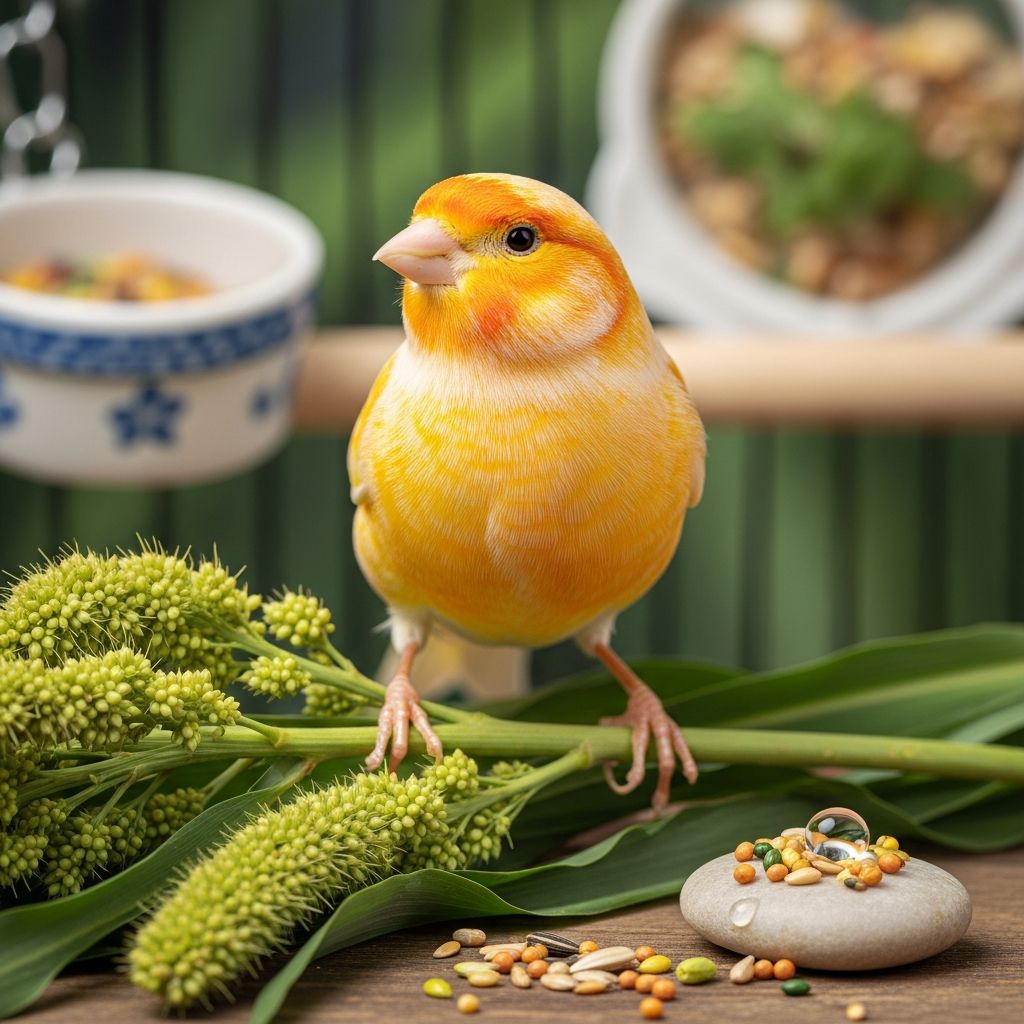
Understanding Your Pet Canary
Canaries are delightful pet birds known for their vibrant plumage and beautiful songs. These small birds have become popular companions for bird enthusiasts around the world. With proper care and attention, canaries can live more than 14 years, providing years of enjoyment and companionship. However, keeping a canary healthy and happy requires knowledge of their specific dietary and environmental needs. This comprehensive guide covers everything you need to know about canary care, from nutrition to housing and behavioral considerations.
Canary Nutrition and Diet
Providing a nutritionally balanced diet is one of the most critical aspects of canary care. Many pet owners mistakenly believe that birdseed alone is sufficient for canary nutrition, but this approach can lead to nutritional deficiencies and health problems. A well-rounded diet ensures your canary maintains optimal health, vibrant feather coloration, and a strong immune system.
The Foundation: High-Quality Pellets
A nutritious canary diet should consist primarily of pellets formulated specifically for canaries. High-quality pelleted food should make up at least 60-70% of a canary’s daily diet. Pellets are engineered to provide complete and balanced nutrition, including essential vitamins, minerals, and amino acids necessary for strong bones and brilliant feathers. When selecting pellets, look for products formulated for canaries or finches, as these are specifically designed to meet the nutritional requirements of these small bird species. Always follow the manufacturer’s instructions to determine appropriate daily portions, and discard any uneaten pellets before each feeding to prevent bacterial growth.
Seeds as Supplementary Foods
While seeds should not form the primary basis of a canary’s diet, they can be included as part of a balanced nutrition plan. The traditional seed mixture for canaries consists of 60% canary seed mixed with 40% sweet rape seed. Other seeds may be mixed into this basic combination in small quantities, but should never become the dominant food source. Millet spray can be offered as an occasional treat, no more than a few times a week. All treats and seeds combined should not exceed 10% of your canary’s total daily food intake.
Fresh Fruits and Vegetables
Fresh produce plays an important role in a well-balanced canary diet. Fruits and vegetables should be chopped into bite-sized pieces and offered in limited quantities. Canary-safe vegetable options include bell peppers, leafy greens, carrots, squash, sweet potatoes, pumpkin, and green beans. Most fruits are suitable for canaries, but avoid avocados and any fruit seeds or pits, as these are toxic to birds. Dark green and orange-colored fruits and vegetables are particularly nutritious choices. It’s important to discard any uneaten fruits and vegetables after 10 hours, as they can spoil and cause bacterial infections if consumed.
Special Dietary Considerations
Red-factor canaries require specialized attention to maintain their distinctive coloring. These birds need food or supplements rich in beta-carotene, a naturally occurring red-orange pigment. Feeding orange and red natural foods such as carrots, paprika, cherries, beets, and yams can help preserve a red-factor canary’s signature color. However, color-intensifying diets will not change colors already present on a bird’s body.
During breeding and egg-laying periods, some canary breeders provide additional protein sources. Options include commercial “egg food” formulated for canaries, small amounts of cooked egg, or live and freeze-dried insects such as crickets, mealworms, and waxworms, offered two to three times weekly.
Foods to Avoid
Certain foods are dangerous and potentially fatal for canaries. Never allow your canary to ingest chocolate, caffeine, or alcohol, as these substances are toxic and can cause death or serious illness. Additionally, avoid treats that are high in fat, sugar, or salt. Pet parents should never share food from their mouths or plates with their canary, as human mouths contain microorganisms that can cause illness in birds.
Water and Hydration
Fresh, clean water is essential for your canary’s health and survival. Water should be lukewarm and changed daily. Water dishes should be large enough for the canary to bathe in, as bathing is an important aspect of feather maintenance and overall hygiene. Like food and water dishes, water containers must be washed and rinsed thoroughly each day to prevent bacterial growth and contamination.
Feeding Guidelines and Best Practices
Establishing a consistent feeding routine helps ensure your canary receives proper nutrition. The base diet—whether pellets, Nutri-Berries, Avi-Cakes, or other formulated foods—should be offered in the morning when your bird is hungriest. If the bowl is empty later in the evening, you can add more food. Don’t allow your bird’s bowl to remain empty for extended periods, as small birds have very fast metabolisms and prefer to eat throughout the day.
Food Dish Management
Dry food, fresh food, and water should all be offered in separate dishes. If you keep multiple canaries in the same habitat, each bird should have its own feeding station to discourage competition and reduce stress. This separation also helps you monitor each bird’s individual food and water consumption, which is important for detecting health problems early.
Housing and Environmental Care
Proper housing is essential for keeping your canary healthy and happy. Each canary should have its own cage, as canaries are territorial and do not like to be housed together. Attempting to house multiple canaries in one cage can result in deadly conflicts. Canaries require adequate space to move, exercise, and display natural behaviors.
Housing significantly impacts a canary’s overall well-being, including its ability to sing and maintain its characteristic vibrant personality. A well-designed cage should provide room for flight, perches at varying heights, and enrichment items such as toys and natural branches. Proper lighting, temperature control, and air circulation are also important considerations for maintaining a healthy environment.
Common Health and Wellness Concerns
Nutrition directly impacts canary health and longevity. Birds fed exclusively on seeds often develop nutritional deficiencies that can lead to health problems. A diet consisting primarily of quality pellets, supplemented with fresh produce, ensures your canary receives complete and balanced nutrition.
Pet parents should be aware of environmental hazards that can harm canaries. Non-stick cookware and appliances with non-stick coatings, such as Teflon, release colorless, odorless fumes when heated that can be fatal to pet birds if inhaled. Replace non-stick cookware with stainless steel, cast iron, or ceramic alternatives to protect your canary from this serious health risk.
Dietary Supplementation
If your canary is molting, laying eggs, recuperating from illness or injury, or experiencing stress from environmental changes, consider dietary supplementation to maintain optimal health. Commercial vitamin and mineral supplements designed for canaries can support your bird during these challenging periods. However, if your canary is already consuming a nutritionally complete pelleted diet, supplementation may be less necessary.
Frequently Asked Questions
Q: What should be the main component of my canary’s diet?
A: High-quality pelleted food formulated specifically for canaries should make up at least 60-70% of your canary’s daily diet. This ensures your bird receives complete and balanced nutrition essential for long-term health.
Q: Can canaries eat seeds exclusively?
A: No. While seeds are enjoyable for canaries, they should not form the primary diet. Seeds lack the balanced nutrition found in formulated pellets and can lead to nutritional deficiencies and health problems.
Q: How often should I change my canary’s water?
A: Fresh, clean water should be provided daily. Water dishes must be washed and rinsed thoroughly each day to prevent bacterial growth.
Q: Can I house multiple canaries together?
A: No. Canaries are territorial and should each have their own cage. Housing multiple canaries together can result in serious conflicts or fatal injuries.
Q: How long do canaries live with proper care?
A: Canaries can live more than 14 years with proper care, including appropriate nutrition, housing, and environmental management.
Q: Are red-factor canaries’ colors permanent?
A: While color-intensifying diets cannot change existing colors, feeding foods rich in beta-carotene helps maintain the vibrant red-orange coloration in red-factor canaries.
Q: What treats are safe for canaries?
A: Safe treats include millet spray (offered no more than a few times weekly) and fresh fruits and vegetables. All treats combined should not exceed 10% of your canary’s daily food intake.
Q: Can canaries eat chocolate or caffeine?
A: No. Chocolate, caffeine, and alcohol are all toxic to canaries and can cause serious illness or death.
References
- Feeding Canaries Mixed Diets — Lafeber Company. Accessed November 28, 2025. https://lafeber.com/pet-birds/questions/feeding-canaries-mixed-diets/
- Canary Personality, Food & Care — Lafeber Company. Accessed November 28, 2025. https://lafeber.com/pet-birds/species/canary/
- Canary Care Sheet — PetMD. Accessed November 28, 2025. https://www.petmd.com/bird/canary-care-sheet
- Bird Food Guide: An Insider’s Guide to The Ideal Avian Diet — Lafeber Company. Accessed November 28, 2025. https://lafeber.com/pet-birds/bird-food-guide/
- Premium Daily Diet Canary Granules — Lafeber Company. Accessed November 28, 2025. https://www.exoticwings.ca/products/lafebers-premium-daily-diet-canary-granules
Similar Articles








Read full bio of medha deb


