

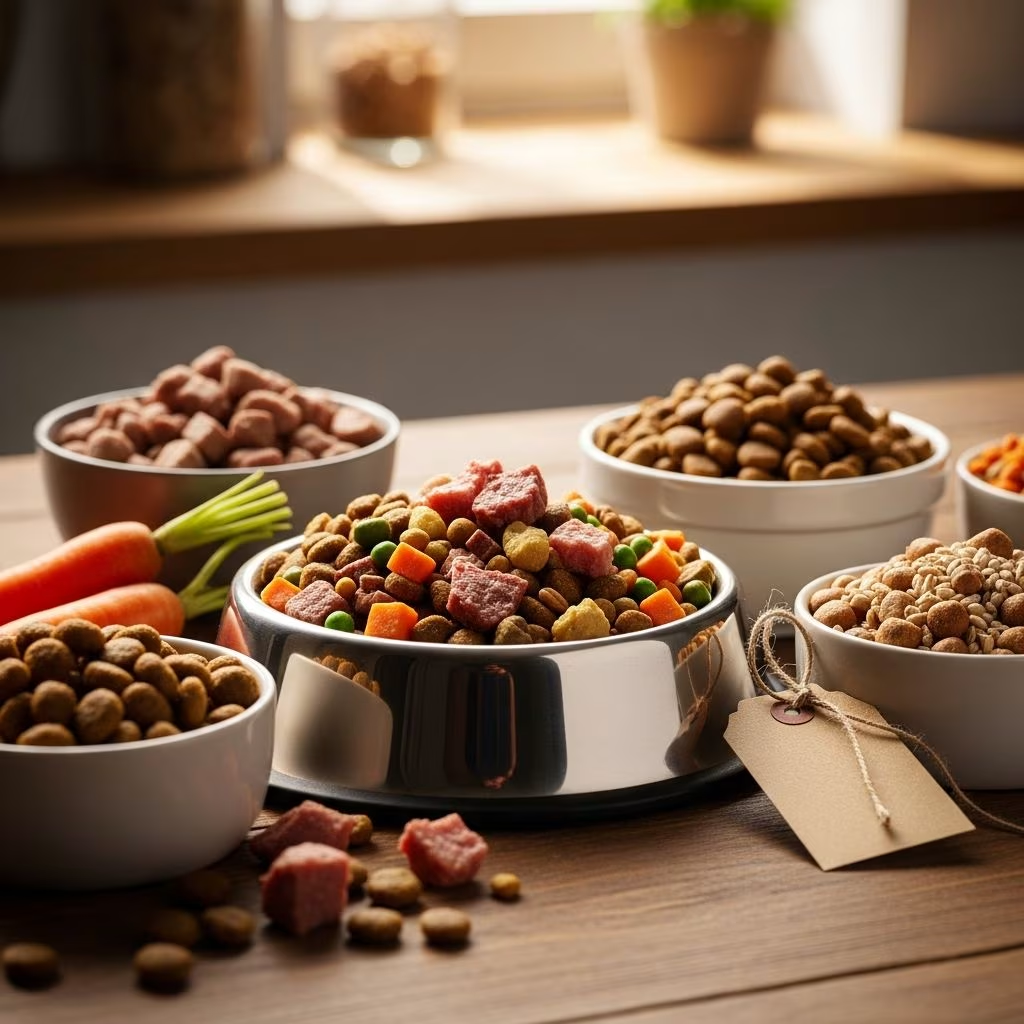
Your Complete Guide to the Best High-Quality Dog Food
Choosing the right dog food is one of the most important decisions you can make as a pet owner. Your dog’s diet directly impacts their health, energy levels, coat quality, and overall well-being. With countless options available on the market, understanding what constitutes high-quality dog food and how to evaluate different products can feel overwhelming. This comprehensive guide will help you navigate the world of premium dog nutrition and make informed decisions that benefit your furry companion.
Understanding High-Quality Dog Food
High-quality dog food is formulated to meet your dog’s nutritional needs with carefully selected ingredients and balanced nutrient profiles. Premium dog foods are typically made with named meat sources as primary ingredients, minimal fillers, and no artificial colors, flavors, or preservatives. These formulations are often developed with input from veterinarians and animal nutritionists to ensure they support your dog’s health at every life stage.
The best dog foods contain a balanced combination of proteins, fats, carbohydrates, fiber, vitamins, and minerals. Each of these components plays a vital role in maintaining your dog’s health, from supporting muscle development to promoting healthy skin and coat.
Key Ingredients to Look For
When evaluating dog food labels, focus on the ingredient list and nutritional guarantees. The first few ingredients are the most important, as they comprise the largest portion of the food.
Protein Sources
High-quality dog foods should list named meat sources as the primary ingredients. Look for beef, chicken, lamb, fish, or other identifiable proteins rather than vague terms like “meat meal” or “animal by-products.” Named meats such as grass-fed beef, pasture-raised lamb, or wild-caught fish provide essential amino acids your dog needs for muscle maintenance, immune function, and overall health. Organ meats like beef liver are also excellent protein sources, offering concentrated nutrients beyond what muscle meat provides.
Carbohydrates and Fiber
Wholesome carbohydrates include brown rice, oatmeal, barley, and ancient grains, which provide fiber and energy while supporting digestive health. Some premium brands use legumes like lentils and peas as carbohydrate sources. These ingredients contribute valuable B vitamins, minerals, and prebiotic fibers that support healthy digestion.
Fruits and Vegetables
Certified organic fruits and vegetables add essential vitamins, minerals, and antioxidants to your dog’s diet. Common beneficial additions include brussels sprouts, cranberries, broccoli, pumpkin, apples, and kale. These ingredients not only enhance nutritional value but also provide beneficial phytonutrients that support immune function and overall health.
Healthy Fats
Omega-3 and omega-6 fatty acids are crucial for maintaining healthy skin and coat. Look for foods containing fish oil, flaxseed, or chicken fat. These essential fats also support brain function, reduce inflammation, and promote cardiovascular health.
Types of High-Quality Dog Food
Dry Kibble
Dry dog food remains a popular choice for many pet owners. High-quality kibble offers convenience, shelf stability, and helps maintain dental health through the chewing action required to break down the hard pieces. Premium dry foods are minimally processed and formulated with nutrient-dense ingredients. The added benefit of kibble is that it’s easy to store and measure, making portion control straightforward.
Fresh and Frozen Food
Fresh dog foods are gently cooked and frozen to retain maximum nutrients. These minimally processed options often contain human-grade ingredients prepared in human food facilities. Fresh dog food can be used as a complete meal or as a topper to enhance your dog’s regular kibble. Brands like Chewy Get Real offer limited ingredient recipes created by certified pet nutritionists, tailored to suit your individual dog’s size and lifestyle.
Raw Dog Food
Freeze-dried raw dog food provides the benefits of a raw diet without the hassle of preparing fresh raw meat at home. These products are made with high-quality ingredients like grass-fed beef, organs, and bones, offering approximately 95% meat content. Raw diets are marketed to improve vitality, promote healthier skin and coat, and enhance digestion. However, raw food options tend to be more expensive and may have higher fat content, which isn’t suitable for all dogs.
Dehydrated Dog Food
Dehydrated dog foods combine the convenience of kibble with the nutrient density of fresh food. These products are gently dehydrated to preserve nutrients, aroma, and taste while eliminating moisture. Often made with 100% human-grade ingredients, dehydrated foods include whole meats, organs, and beneficial additions like live probiotics and nutrient-rich whole foods.
Top High-Quality Dog Food Brands
Stella & Chewy’s
Stella & Chewy’s offers premium options including freeze-dried raw patties and kibble formulas. Their Stella’s Super Beef Dinner Patties feature 95% grass-fed beef with organs and bone, providing rich protein sources and certified organic fruits and vegetables. Made in the USA with responsibly sourced ingredients, these products are suitable for all life stages and breeds, though the high-fat content and premium pricing should be considered.
Chewy Get Real
Chewy’s proprietary fresh food line features three recipes with high ratings. Each is minimally processed using high-quality ingredients that are gently cooked and frozen to retain nutrients. These limited ingredient recipes are created by certified pet nutritionists and can be used as a main meal or topper. The Beef & Sweet Potato Recipe boasts a 4.5-star rating with a dry matter protein reading of 36.2% and fat level of 27.6%.
Other Premium Brands
Chewy carries several other highly-rated premium brands including ORIJEN, ACANA, Zignature, Farmina, and Nulo. These brands are known for their research-backed formulations, high-quality ingredients, and commitment to nutritional excellence.
Important Nutritional Considerations
Protein Content
High-quality dog foods typically contain substantial protein levels appropriate for your dog’s life stage and activity level. Working and sporting dogs may benefit from higher protein and fat content, while other dogs require more moderate levels. Protein content should be clearly labeled and derived from named animal sources.
Fat and Omega Fatty Acids
Omega-6 fatty acids and vitamin E promote healthy skin and coat. Omega-3 fatty acids support joint health and reduce inflammation. Quality dog foods balance these essential fatty acids to support your dog’s overall health.
Fiber and Digestive Support
Prebiotic fibers support healthy digestion, while many premium formulas include live probiotics to further enhance digestive health. These ingredients help maintain a healthy gut microbiome and can improve nutrient absorption.
Joint Support
For dogs prone to joint issues or those in high-activity categories, look for foods containing glucosamine and EPA. These ingredients support joint health and mobility, particularly important for large breed dogs and senior dogs.
Choosing the Right Food for Your Dog
Life Stage Considerations
Different dogs have different nutritional needs based on their life stage. Puppies require different nutrient ratios than adult dogs, and senior dogs have unique requirements as well. Look for foods specifically formulated for your dog’s age group, or select “all life stages” formulas that meet AAFCO standards for growth and maintenance.
Size and Breed Requirements
Large breed dogs have specific nutritional needs to support proper growth and joint health. Premium dog food brands often offer size-specific formulas to ensure your dog receives appropriate calorie levels and nutrient ratios.
Special Dietary Needs
If your dog has sensitive digestion, allergies, or specific health conditions, look for limited ingredient recipes or foods specifically formulated for sensitive stomachs. Many premium brands offer grain-free, gluten-free, or chicken-free options to accommodate various dietary restrictions.
Activity Level
Working and sporting dogs require higher protein and fat content to fuel their activity levels. If your dog is less active or prone to weight gain, choose formulas with moderate protein and fat levels to maintain healthy body weight.
Reading and Understanding Dog Food Labels
Dog food labels provide essential information about ingredient quality and nutritional content. The ingredient list is arranged by weight, with the first few ingredients comprising the majority of the food. Look for named meat sources at the beginning of the list rather than meat by-products or meal.
The guaranteed analysis section provides minimum percentages of crude protein and fat, as well as maximum percentages of crude fiber and moisture. Higher quality foods typically have higher protein percentages and lower carbohydrate content, though this varies based on the food type.
AAFCO (Association of American Feed Control Officials) certification indicates that the food meets established nutritional standards for either growth, maintenance, or all life stages. This certification is important for ensuring your dog receives adequate nutrition.
Benefits of Investing in High-Quality Dog Food
Feeding your dog high-quality food offers numerous long-term benefits. Dogs on premium diets typically have healthier skin and coats, stronger teeth and bones, improved digestion, and more consistent energy levels throughout the day. Better nutrition can also support immune function, potentially reducing the frequency of illness and veterinary visits.
High-quality dog foods are often more nutrient-dense, meaning your dog may require smaller portions to meet their nutritional needs. While the upfront cost may be higher than lower-quality options, the long-term health benefits and potential reduction in health-related expenses often make premium dog food a worthwhile investment.
Transitioning to a New Dog Food
When switching your dog to a new food, transition gradually over 7-10 days to avoid digestive upset. Mix increasing amounts of the new food with the old food, gradually shifting toward the new formula. Monitor your dog for any signs of digestive distress and adjust the transition timeline if needed.
Frequently Asked Questions
Q: What makes dog food “high-quality”?
A: High-quality dog food contains named meat sources as primary ingredients, balanced nutrition profiles, minimal fillers, no artificial colors or preservatives, and is often formulated with veterinary or nutritionist input to support optimal health.
Q: Is grain-free dog food better for my dog?
A: Grain-free is not necessarily better for all dogs. Some dogs thrive on grain-free diets, while others benefit from wholesome grains like brown rice and oatmeal. Choose based on your dog’s individual needs and any allergies or sensitivities they may have.
Q: How much should I feed my dog?
A: Feeding amounts depend on your dog’s age, size, activity level, and the specific food’s calorie content. Follow the feeding guidelines on the package and adjust based on your dog’s body condition and weight.
Q: Can I mix different types of dog food?
A: Yes, many pet owners use high-quality fresh or dehydrated food as a topper to kibble. However, introduce any new food gradually to avoid digestive upset.
Q: What’s the difference between kibble and fresh dog food?
A: Kibble is shelf-stable and convenient, while fresh food is minimally processed and often contains more moisture. Fresh food may have higher nutrient availability, while kibble helps support dental health through chewing action.
Q: Are premium dog foods worth the cost?
A: While premium dog foods cost more upfront, their higher nutrient density often means smaller portions are needed. Better nutrition typically results in improved health, potentially reducing veterinary expenses long-term.
Q: Should I choose raw dog food for my pet?
A: Raw dog food offers benefits like improved digestion and healthier coats, but it’s more expensive and has higher fat content. Consider your dog’s individual needs and health status before choosing a raw diet.
References
- Dog Food Ingredients: Understanding Proteins, Fats, and Carbohydrates — Chewy Education Center. 2025. https://www.chewy.com/education/dog/food-and-nutrition/dog-food-ingredients
- 12 Best Dog Foods in 2025, Vet Recommended — Chewy Education Center. 2025. https://www.chewy.com/education/dog/food-and-nutrition/best-dog-food
- The Ultimate Guide to Dehydrated Dog Food — Chewy Education Center. 2025. https://www.chewy.com/education/dog/food-and-nutrition/dehydrated-dog-food
- What Is Science-Based Dog Food? And Is It Right for Your Pet? — Chewy Education Center. 2025. https://www.chewy.com/education/dog/food-and-nutrition/what-is-science-diet-pet-food
- Dog Food & Nutrition: Feeding Guidelines, Diet Types & More — Chewy Education Center. 2025. https://www.chewy.com/education/dog/food-and-nutrition
- The Ultimate Guide to the Best Dog Foods Available on Chewy — I Heart Dogs. 2025. https://iheartdogs.com/the-ultimate-guide-to-the-best-dog-foods-available-on-chewy/
- Chewy Get Real Dog Food Review (Fresh) — Dog Food Advisor. 2025. https://www.dogfoodadvisor.com/dog-food-reviews/chewy-get-real-fresh/



