

Your Complete Guide to the Best High-Quality Cat Food
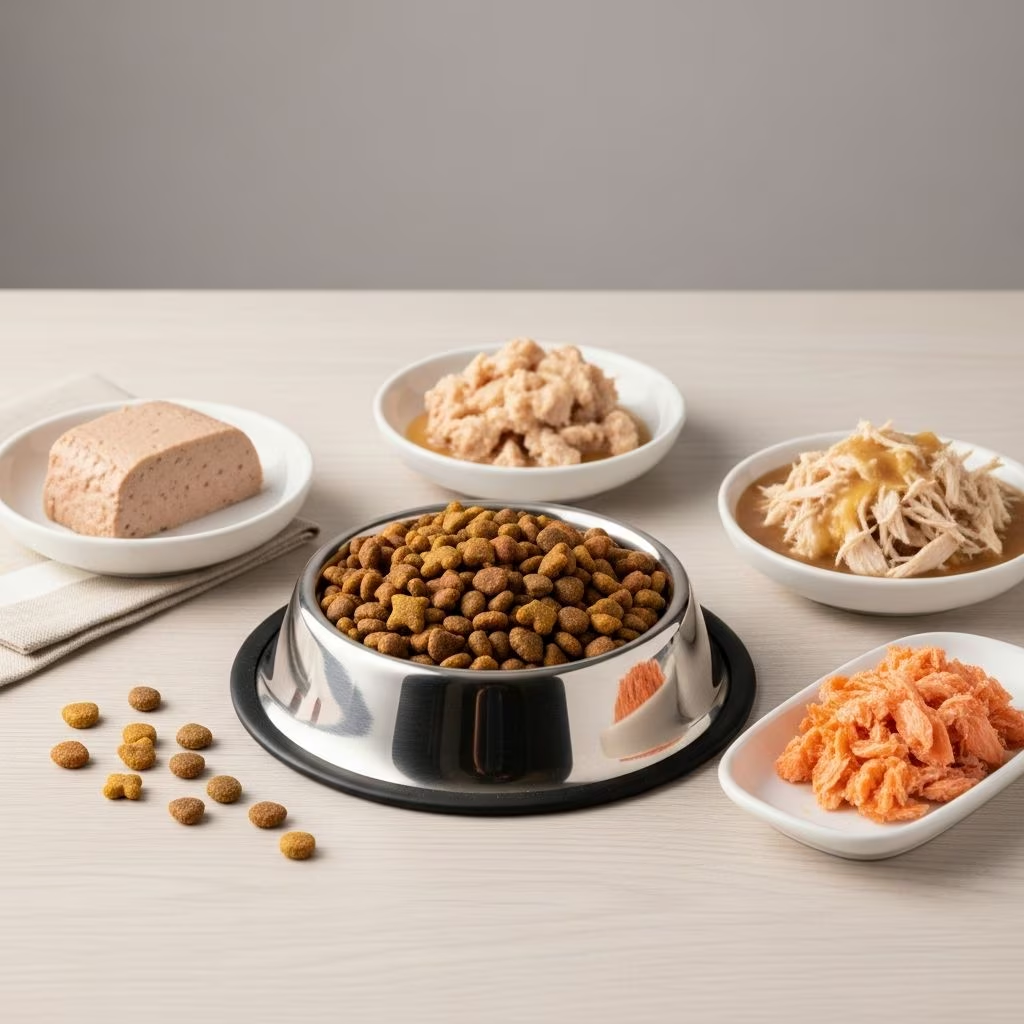
Choosing the right food for your cat is one of the most important decisions you can make as a pet parent. With so many options available, from dry kibble to raw diets, understanding the differences between each type can help you select the best nutrition for your feline companion. This comprehensive guide breaks down the various categories of high-quality cat food and provides insights into what you need to know to make an informed decision.
Understanding Cat Nutritional Needs
Before selecting a specific type of cat food, it’s essential to understand what your cat actually needs nutritionally. Cats are obligate carnivores, meaning they require animal protein to survive and thrive. Unlike dogs, cats cannot synthesize certain essential amino acids from plant-based sources, making meat-based proteins absolutely critical to their diet.
According to nutritional standards, adult cat food must contain a minimum of 26 percent protein on a dry matter basis. This measurement allows for accurate comparison between different food types, including dry and wet options. Beyond protein, cats require six essential nutrients for overall health: protein, fat, carbohydrates, vitamins, minerals, and water. Any high-quality cat food should be formulated to meet AAFCO (Association of American Feed Control Officials) standards and support cats at their specific life stage.
Dry High-Quality Cat Food
Dry cat food, commonly known as kibble, remains one of the most popular choices among cat owners for several practical reasons. Its convenience and shelf stability make it an attractive option for many households, and it can be relatively cost-effective compared to other food types.
One significant advantage of dry food is its potential dental benefits. Specially formulated dry foods designed to remove plaque may help keep your cat’s teeth clean through the mechanical action of chewing. This can contribute to better oral health over time, though it shouldn’t replace professional dental care.
When selecting dry cat food, look for products with high-quality protein sources as the first ingredient and minimal carbohydrates. Many dry foods tend to be higher in carbohydrates than wet alternatives, so reading ingredient lists carefully is important. Products like those containing cage-free chicken and probiotics offer added benefits for digestive health.
Best for: Cat owners seeking convenience, long-term storage options, and cost-effective feeding solutions. Also suitable for cats that enjoy crunchy textures.
Wet High-Quality Cat Food
Wet food serves an important role in feline nutrition, particularly for hydration. Many cats don’t drink enough water throughout the day, which can lead to urinary tract issues and other health problems. Wet food helps address this natural deficiency by providing moisture content that dry kibble simply cannot match.
The savory smell and meaty texture of wet food also appeals to many cats’ natural preferences. Cats often find wet food more palatable and satisfying than dry alternatives. Products featuring bone broth and premium proteins like salmon help boost your cat’s overall hydration while providing excellent nutrition.
Introducing wet food to kittens early in life can reduce the risk of food-form aversion later. This early exposure helps establish healthy eating habits and ensures your cat is comfortable with various food textures as they age.
Best for: Cats needing increased hydration, senior cats with dental issues, and those who prefer moisture-rich meals. Also excellent for cats with certain health conditions requiring dietary support.
Freeze-Dried and Dehydrated Cat Food
Both freeze-dried and dehydrated cat foods represent minimally processed options that preserve nutrients while removing moisture. However, these two methods differ slightly in their approach and application.
Dehydrated food requires rehydration by mixing with warm water before serving, while freeze-dried food can be fed as-is or rehydrated according to preference. Both methods maintain the nutritional integrity of the ingredients better than many processing techniques, making them excellent choices for nutrition-conscious pet parents.
Freeze-dried options often contain exceptionally high meat content—some products feature 98 percent cage-free chicken, organs, and bone combined with certified organic vegetables and fruits. This concentration of quality ingredients makes freeze-dried food particularly nutritious, though typically at a higher price point than conventional options.
Best for: Cats who aren’t dry-food enthusiasts but still enjoy a chewy texture, or those needing extra protein. Also suitable for cats whose parents prioritize minimal processing and maximum nutrient retention.
Raw Cat Food Diets
Raw feeding represents a more specialized approach to feline nutrition, based on the concept that cats’ ancestral diet consisted primarily of raw prey. Raw food diets typically include freeze-dried raw options that combine raw meat, organs, bone, and produce while eliminating pathogens through the freeze-drying process.
These diets appeal to pet parents interested in the potential health benefits of feeding their cats a diet closer to what they would eat in nature. However, raw diets require more effort and consideration than conventional feeding methods, including proper storage, handling, and portion management.
Best for: Cats whose parents believe the potential benefits justify the extra effort involved in raw feeding. Always consult with your veterinarian before transitioning to a raw diet.
Grain-Free Cat Food
Grain-free cat foods eliminate grains like wheat, corn, and barley in favor of alternative carbohydrate sources such as sweet potatoes, potatoes, or legumes. These formulations are specifically designed for cats showing signs of grain allergies or sensitivities, including itching, fur loss, and skin irritation.
While not all cats require grain-free diets, those with diagnosed grain allergies or digestive issues may benefit significantly from this approach. Grain-free options often feature higher protein content and may be easier to digest for sensitive cats. The absence of common allergens can lead to noticeable improvements in coat quality, energy levels, and overall comfort.
Best for: Cats showing allergic reactions to traditional grains, those with digestive sensitivities, and felines requiring specialized nutrition based on veterinary recommendations.
High-Protein Cat Food
Given that cats are obligate carnivores, high-protein diets align closely with their natural nutritional requirements. High-protein cat foods typically contain significantly more than the minimum 26 percent protein requirement, often reaching 40-50 percent protein on a dry matter basis.
Protein provides essential energy for cats and is absolutely critical for growth and development. High-protein diets support lean muscle maintenance, which becomes increasingly important for aging cats. These formulations often feature premium meat sources and minimize carbohydrate content.
Many pet parents prefer combining high-protein wet cat food with kibble, creating a balanced approach that offers hydration benefits while maintaining convenient dry food elements. This mixed feeding method allows flexibility in meeting your cat’s specific nutritional needs.
Best for: Most cats, particularly those needing increased energy, athletes or active cats, and felines in their senior years requiring enhanced muscle support.
Limited Ingredient and Sensitive Digestion Cat Food
Cats with food intolerances or sensitive digestive systems require specialized formulations featuring limited ingredient profiles. These foods typically eliminate common allergens and irritants while providing easily digestible protein sources.
Limited ingredient diets work particularly well for cats who are picky eaters or those whose parents have cleared a sensitive digestion diet with their veterinarian. By reducing ingredient complexity, these foods make it easier to identify specific triggers causing digestive upset or other issues.
Sensitive digestion formulas often feature novel protein sources like duck or unique fish varieties, combined with digestive enzymes and probiotics to support optimal gut health. These additions help ensure your cat can effectively process and absorb nutrients from their food.
Best for: Cats with diagnosed food intolerances, those with inflammatory bowel conditions, and felines who are particularly selective about their meals. Consult your veterinarian before making dietary changes.
Specialized Diets for Specific Health Conditions
Weight Management and Diabetes
Overweight and pre-diabetic cats benefit significantly from high-quality, protein-rich cat foods formulated to support weight loss. Wet foods in particular excel at weight management because they’re lower in carbohydrates and higher in moisture, promoting satiety while supporting healthy glucose levels.
Low-carb, high-moisture formulations help cats feel fuller longer, reducing overeating and supporting gradual, healthy weight loss. Many pet parents report seeing improvements in their cats’ body condition and blood glucose levels within weeks of switching to appropriate weight management formulas.
Hepatic Lipidosis Support
Cats with hepatic lipidosis (fatty liver syndrome) require high-quality, protein-rich cat food that provides necessary amino acids for liver repair and helps maintain muscle mass. These specialized formulations support liver function while delivering the nutrients essential for recovery.
High-protein, high-moisture foods also benefit cats with hepatic lipidosis by promoting hydration and providing easily digestible nutrition. The focus on quality protein sources ensures your cat receives optimal amino acid profiles for healing.
Mixing Wet and Dry Cat Food
Many veterinarians recommend combining wet and dry cat foods to provide optimal nutrition and variety. A basic guideline suggests combining approximately 70 percent dry food with 30 percent wet food, though some very wet foods may do better with a ratio of 75 percent dry and 25 percent wet.
This mixed feeding approach offers several advantages: you gain the dental benefits and convenience of dry food while incorporating the hydration and palatability benefits of wet options. This combination can be particularly effective for cats transitioning between food types or those requiring dietary variety.
When mixing foods, ensure the total daily calories remain appropriate for your cat’s age, size, and activity level. Adjust portions based on your cat’s response and body condition, using the food packaging guidelines as a starting point.
Reading Labels and Understanding Ingredients
High-quality cat food should list real meat as the first ingredient, whether chicken, turkey, fish, beef, lamb, rabbit, or duck. Meat meals and meat byproduct meals can also be included in natural cat foods, though whole meat sources are generally preferable.
While cats don’t nutritionally require fruits and vegetables to thrive, quality options often include small amounts—typically 5 percent or less—providing beneficial antioxidants and fiber. Common additions include carrots, pumpkin, blueberries, and cranberries.
Avoid foods containing artificial colors, preservatives, corn, soy, and wheat unless your veterinarian specifically recommends them. The ingredient list should reflect whole-food sources rather than fillers or by-products of questionable quality.
Selecting Food for Different Life Stages
Your cat’s age significantly influences their nutritional requirements. Kitten formulas should contain higher protein and calorie content than comparable adult foods to support rapid growth and development. Senior cats may benefit from specialized formulations supporting joint health, kidney function, and maintaining muscle mass.
Always select food formulated for your cat’s specific life stage, as this ensures they receive appropriate nutrient levels and calorie content. A kitten food fed to an adult cat, or vice versa, may result in nutritional imbalances over time.
Transitioning to New Cat Food
When introducing a new cat food, gradual transition over 7-10 days helps prevent digestive upset. Mix increasing amounts of the new food with the current formula, slowly shifting the ratio until your cat is eating the new food exclusively.
Monitor your cat’s digestion, energy levels, coat quality, and overall behavior during the transition. Any signs of digestive distress or discomfort warrant consultation with your veterinarian.
Consulting Your Veterinarian
Your veterinarian remains your best resource for selecting appropriate cat food based on your individual cat’s health status, age, activity level, and dietary needs. Veterinary nutritionists can provide specific recommendations for cats with health conditions requiring specialized nutrition.
Discuss your cat’s current food, any dietary concerns, and health goals at each veterinary visit. Regular nutrition consultations help ensure your cat receives optimal nutrition throughout their life.
Frequently Asked Questions (FAQs)
Q: What is the difference between dry matter basis protein and as-fed basis protein?
A: Dry matter basis removes all moisture from the calculation, allowing accurate comparison between wet and dry foods. As-fed basis includes moisture content, making dry foods appear lower in protein. Always compare proteins on a dry matter basis for accurate assessment.
Q: Can I feed my cat only wet food?
A: Yes, cats can thrive on exclusively wet food if it’s complete and balanced according to AAFCO standards. However, mixing wet and dry provides variety and the dental benefits of kibble. Consult your veterinarian about your individual cat’s needs.
Q: How do I know if my cat has food allergies?
A: Signs include itching, fur loss, skin irritation, vomiting, or diarrhea. If you suspect food allergies, consult your veterinarian. An elimination diet using limited ingredient formulas can help identify triggers under professional guidance.
Q: Is grain-free food necessary for all cats?
A: No, grain-free is only necessary for cats with diagnosed grain allergies or sensitivities. Many cats thrive on grain-inclusive diets. Choose based on your individual cat’s needs and veterinary recommendations.
Q: How much should I feed my cat daily?
A: Feeding amounts vary based on age, size, activity level, and the specific food’s calorie content. Use packaging guidelines as a starting point, then adjust based on your cat’s body condition and response. Your veterinarian can provide personalized feeding recommendations.
Q: Can cats eat human food?
A: Some human foods are safe for cats in moderation, including certain fruits, vegetables, and proteins. However, human food should never replace complete cat nutrition. Consult your veterinarian before offering any human foods, as some are toxic to cats.
References
- Your Complete Guide to the Best High-Quality Cat Food — Chewy Education. Accessed November 2025. https://www.chewy.com/education/cat/food-and-nutrition/your-complete-guide-to-the-best-high-quality-cat-food
- What Is Natural Cat Food? And Should My Cat Eat It? — Chewy Education. Accessed November 2025. https://www.chewy.com/education/cat/food-and-nutrition/natural-cat-food
- Cat Nutrition: What Is Complete and Balanced Cat Food? — Chewy Education. Accessed November 2025. https://www.chewy.com/education/cat/food-and-nutrition/cat-nutrition
- Feeding Your Cat a High-Protein Cat Food — Chewy Education. Accessed November 2025. https://www.chewy.com/education/cat/food-and-nutrition/feeding-your-cat-a-high-protein-cat-food
- The Benefits of Mixing Wet and Dry Cat Food — Chewy Education. Accessed November 2025. https://www.chewy.com/education/cat/food-and-nutrition/mixing-wet-dry-cat-food



