Complete Guide To Basic Rabbit Care: Essential Tips For Owners
Master rabbit care essentials: diet, housing, handling, and enrichment for happy, healthy bunnies.
Complete Guide to Basic Rabbit Care
Rabbits make wonderful pets, but they require specific care to ensure they remain healthy and happy. Whether you’re a new rabbit owner or looking to improve your current care practices, understanding the fundamentals of rabbit nutrition, housing, enrichment, and handling is essential. This comprehensive guide covers everything you need to know to provide your rabbit with the best possible care.
Understanding Rabbit Nutrition
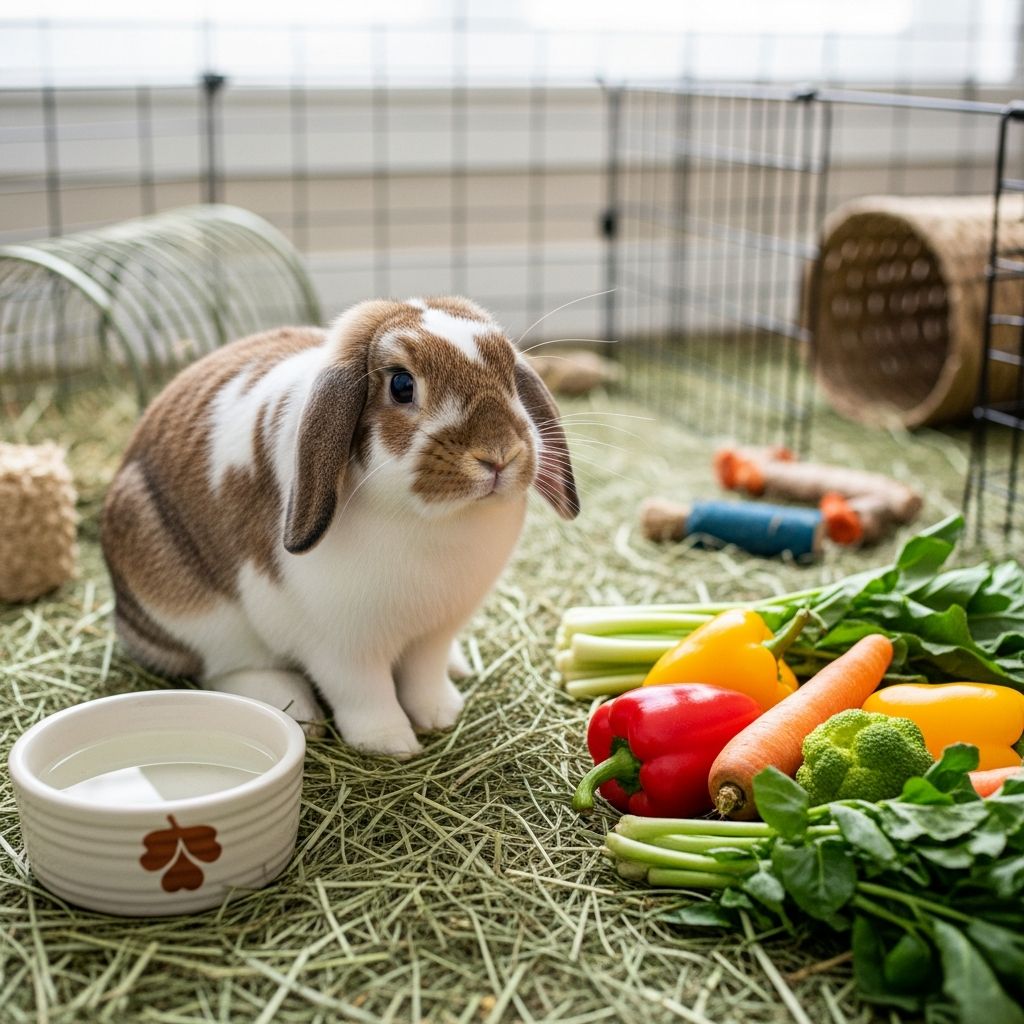
A sound rabbit diet consists of fresh hay, good-quality pellets, and fresh vegetables, with anything beyond this considered a “treat” and offered in limited quantities only. Proper nutrition is the foundation of rabbit health and longevity. Each component of the diet plays a critical role in maintaining your rabbit’s wellbeing.
The Role of Hay in Rabbit Diet
Hay is absolutely essential for rabbit health as the roughage provided by hay reduces the risk of gastrointestinal problems and helps prevent gastrointestinal stasis. Untreated wood twigs also provide valuable roughage and can serve as an additional dietary supplement. Adult rabbits should have unlimited access to grass hay, oat hay, and straw. Young rabbits, from 7 weeks to 7 months of age, should be offered unlimited alfalfa hay due to its higher calcium and protein content needed for growth and development.
Selecting Quality Pellets
Pellets should be fresh and relatively high in fiber, with a minimum crude fiber content of 20-25 percent. As rabbits mature, the quantity of pellets offered should gradually decrease, as pellets should make up less of the rabbit’s diet as it grows older. For the average medium-sized adult rabbit, approximately one-quarter to one-half cup of pellets is recommended daily per six pounds of body weight. Young rabbits can consume unlimited pellets until they reach seven months of age, at which point the amount should be gradually reduced.
Introducing Fresh Vegetables
Offer a variety of pesticide-free vegetables, including leafy greens and root vegetables. When introducing vegetables to a rabbit’s diet, add one vegetable at a time and monitor for any adverse reactions. Eliminate any item that causes soft stool or diarrhea. Very young rabbits, between 7 to 12 weeks of age, should not be offered vegetables, and should NEVER be given fruit as devastating gastrointestinal problems can arise.
As rabbits mature from 7 months to 1 year of age, vegetables should be gradually introduced and increased daily. For adult rabbits aged 1 to 5 years, offer 1 to 2 cups of vegetables per 6 pounds of body weight daily. The following vegetables are safe and nutritious options:
Recommended Safe Vegetables:
- Alfalfa, radish, and clover sprouts
- Celery
- Mint and peppermint leaves
- Raspberry leaves
- Basil and cilantro
- Parsley and spinach
- Beet greens (tops)
- Clover
- Pea pods (flat edible kind)
- Watercress
- Bok choy
- Dandelion greens and flowers
- Wheat grass
Age-Based Dietary Guidelines
Rabbit nutritional needs change throughout their lives. Understanding these age-based requirements ensures your rabbit receives appropriate nutrition at each stage of development.
| Age Group | Hay | Pellets | Vegetables | Fruit |
|---|---|---|---|---|
| 7 weeks to 7 months | Unlimited alfalfa | Unlimited | None | None |
| 7 months to 1 year | Gradually introduce grass hay, reduce alfalfa | Gradually decrease to ½ cup per 6 lbs body weight | Gradually increase vegetables fed daily | No more than 1-2 oz. per 6 lbs body weight |
| Adult (1-5 years) | Unlimited grass hay, oat hay, straw | ¼ to ½ cup per 6 lbs body weight | 1-2 cups per 6 lbs body weight | No more than 2 tablespoons per 6 lbs body weight |
For young rabbits between 7 to 12 weeks of age, offer unlimited amounts of calcium and protein-rich alfalfa hay and alfalfa-based pellets. As the rabbit matures, gradually reduce the quantity of pellets offered and transition to grass hay-based pellets. This transition should occur slowly to allow the digestive system to adjust properly.
Creating the Ideal Rabbit Habitat
Proper housing is crucial for your rabbit’s safety, comfort, and well-being. A well-designed habitat should provide adequate space, appropriate bedding, and essential amenities.
Essential Housing Supplies
Every indoor rabbit habitat must include several key components. A water bottle or bowl ensures your rabbit has constant access to fresh water. Feed bowls need to be heavy enough not to be tipped over, as rabbits can be quite active and energetic. Provide plenty of hay for both nutrition and enrichment, along with a variety of toys to keep your rabbit mentally stimulated and physically active.
A litter box with organic litter is essential, as most rabbits can be litter box trained. Do not use softwood shavings such as pine or cedar, as these can be harmful to rabbits. It is helpful to attach the litter pan to the cage with clips or wire to keep it in place. Some rabbit rescues advise piling hay on top of the litter box, as many rabbits enjoy hanging out in the box to eat and take care of their business simultaneously.
Choosing Appropriate Bedding and Flooring
Absorbent bedding options include recycled paper products and aspen shavings. Floor coverings such as grass mats, synthetic sheepskin, and toweling provide comfort and traction. Grass mats are perfect for nibbling, but if your bunny starts to chew on other floor coverings, replace them with a different item to prevent ingestion of inappropriate materials.
Space Requirements and Layout
We recommend providing your rabbit with a cage that has a large exercise pen and at least 4×4 feet of space with enough room for a litter box, food and water stations, and resting areas. The habitat should be organized to allow your rabbit to move freely, stretch fully, and engage in natural behaviors. Inspect your buddy’s habitat daily and remove any soiled bedding or spoiled food. Clean food and water bottles with warm, soapy water daily and fill with fresh water. Change all bedding once a week and swap out toys. Inspect toys for wear-and-tear, discarding any damaged ones and cleaning any dirty ones. Cages or hutches need a thorough cleaning every month or so with a rabbit-safe cleaner.
Enrichment and Toys for Mental Stimulation
Rabbits are intelligent, active animals that require environmental enrichment to prevent boredom and behavioral problems. Providing plenty of attention and safe, chewable items will distract your rabbit from furniture and rugs while keeping them mentally and physically engaged.
Natural Chewing Materials
Untreated wicker baskets and wood provide excellent outlets for natural chewing behavior. Willow bark balls offer another safe option for gnawing. Untreated wood twigs and logs that have been aged for at least 3 months can also be offered as chewing materials. These natural items not only satisfy your rabbit’s need to chew but also provide valuable roughage.
Interactive and Manipulative Toys
Rolling toys such as large rubber balls, empty Quaker Oat boxes, and small tins provide interactive entertainment. Cat balls or other cat toys that roll or can be tossed engage your rabbit’s play instincts. Hard plastic baby toys are acceptable, but ensure that your rabbit is not eating and ingesting these toys, as this could lead to serious digestive issues.
Digging and Foraging Outlets
Large tubs of hay, newspapers, or a towel can be offered as outlets for your rabbit’s natural digging instincts. A cardboard box stuffed with hay, straw, or shredded paper makes an inexpensive and highly entertaining play box. Yellow Pages (printed phone directories) are excellent for shredding, and a straw whisk broom provides another shredding opportunity. These materials satisfy your rabbit’s need to dig and burrow while keeping them from destructive behavior.
Climbing and Exploration Structures
Create a climbing area with baskets, boxes, and pillows to encourage physical activity and exploration. Paper bags and cardboard boxes provide excellent opportunities for crawling inside, scratching, and chewing. Tunnels can be made from open-ended cardboard boxes, cat tunnels, or cardboard propped up against the side of a wall. These structures add vertical dimension to your rabbit’s environment and encourage natural behaviors.
Bunny Proofing Your Home
If your rabbit has access to areas beyond their primary cage, it is essential to bunny proof those spaces. Rabbits can cause significant damage to furniture, rugs, and electrical cords, and they can also injure themselves in unsafe environments. Remove toxic plants, secure electrical cords, and ensure that all accessible areas are safe for your rabbit to explore.
Handling Your Rabbit Safely
Proper handling techniques are important for both your rabbit’s safety and your own comfort. Always support your rabbit’s hindquarters when picking them up, as improper handling can result in injury to their spinal cord and back legs. Hold your rabbit firmly but gently, keeping them close to your body. Never grab your rabbit by the ears or scruff, as this can cause injury and distress.
Spend time handling your rabbit gently from an early age to help them become accustomed to human contact. However, respect your rabbit’s individuality—some rabbits are more social than others. Always supervise interactions between children and rabbits, as rabbits can be fragile and may scratch or bite if frightened or handled roughly.
Health and Wellness Monitoring
Regular observation of your rabbit helps you catch health problems early. Monitor your rabbit’s eating and drinking habits, litter box behavior, and overall activity level. Changes in appetite, signs of diarrhea, or unusual behavior should prompt a veterinary visit. Hay is the most important part of a rabbit’s diet and serves as an excellent indicator of digestive health; rabbits eating adequate hay typically have healthy digestive systems.
Feeding Best Practices
No rabbit should be fed pellets with grains, such as corn and wheat, or additives like dried fruits or nuts, as these can upset the digestive system and contribute to obesity. Stick to high-quality pellets designed specifically for rabbits, with appropriate fiber content. Always introduce new foods gradually and monitor for any adverse reactions.
Frequently Asked Questions About Rabbit Care
Q: At what age can I introduce vegetables to my rabbit’s diet?
A: Very young rabbits between 7 to 12 weeks of age should not be offered vegetables. Vegetables should be introduced gradually starting around 12 weeks of age, adding one vegetable at a time in small quantities and monitoring for any digestive upset.
Q: Why is hay so important for rabbits?
A: Hay is essential for rabbit health because the roughage it provides reduces the risk of gastrointestinal problems and helps prevent gastrointestinal stasis, which is a serious condition in rabbits. Hay should form the foundation of your rabbit’s diet.
Q: How often should I clean my rabbit’s cage?
A: You should inspect your rabbit’s habitat daily and remove any soiled bedding or spoiled food. Change all bedding once a week and swap out toys. Perform a thorough cleaning with a rabbit-safe cleaner every month or so. Messier rabbits may require more frequent cleaning.
Q: Can rabbits be litter box trained?
A: Yes, most rabbits can be litter box trained, which cuts down on daily cage cleaning. Some rabbits even prefer to eat hay while sitting in their litter box.
Q: How much space does a rabbit need?
A: We recommend providing your rabbit with a cage that has a large exercise pen and at least 4×4 feet of space with enough room for a litter box, food and water stations, and resting areas to allow your rabbit to move freely and stretch.
Q: What foods should I never give my rabbit?
A: Never feed pellets with grains like corn and wheat, additives like dried fruits or nuts, or fruit to young rabbits under 12 weeks of age. Always introduce new foods one at a time and eliminate any that cause digestive upset.
Q: Are untreated wood items safe for rabbits?
A: Yes, untreated wood twigs, logs that have been aged for at least 3 months, untreated wicker baskets, and untreated wood items provide safe chewing materials and valuable roughage for your rabbit.
References
- Basic Rabbit Care — LafeberVet. 2017. https://lafeber.com/vet/wp-content/uploads/Basic-Rabbit-Care-2017.pdf
- Basic Rabbit Care — LafeberVet. https://www.lafeber.com/vet/wp-content/uploads/Basic-Rabbit-Care.pdf
- Your Rabbit’s Home — LafeberVet. https://lafeber.com/mammals/your-rabbits-home/
- Basic Rabbit Care Handout and Infographic — LafeberVet. https://lafeber.com/vet/rabbit-care/
- Rabbit Care Sheet — Iowa Veterinary Specialties. https://www.iowaveterinaryspecialties.com/documents/BasicRabbitCareSheet.pdf
- Rabbit Care — Association of Exotic Mammal Veterinarians. https://birdsandexotics.com/wp-content/uploads/Rabbit-Care-AEMV.pdf
Similar Articles








Read full bio of medha deb